Stainless Steel Pipe Nozzle
CN → US| HS Code | Tariff Rate | Origin | Destination | Doc |
|---|---|---|---|---|
| 8424909040 | 35.0% | CN | US | Official Doc |
| 7326190080 | 87.9% | CN | US | Official Doc |
| 7326908688 | 87.9% | CN | US | Official Doc |
| 8424909080 | 85.0% | CN | US | Official Doc |
Product Images
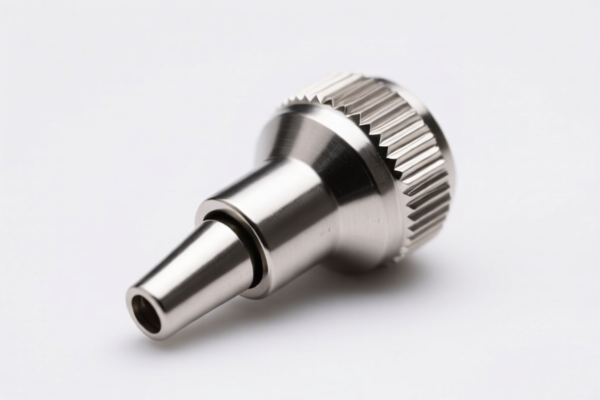
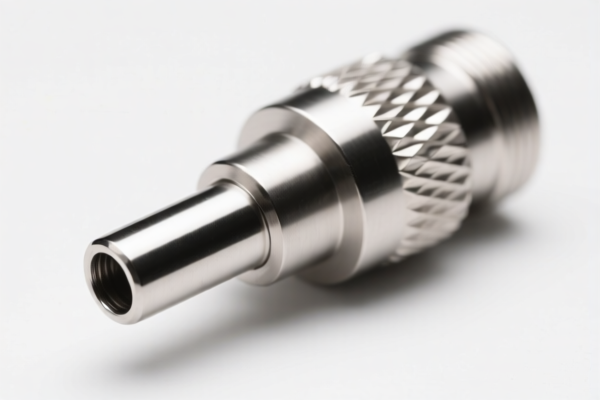
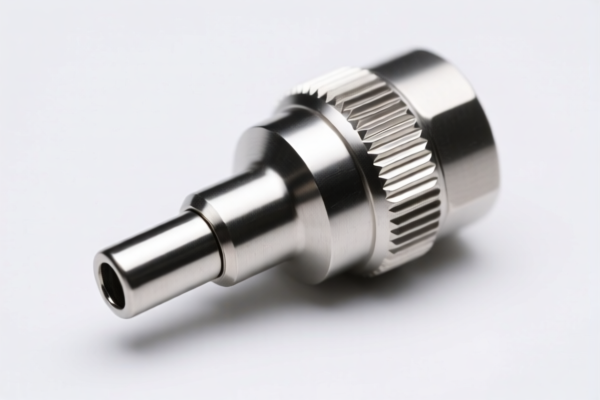
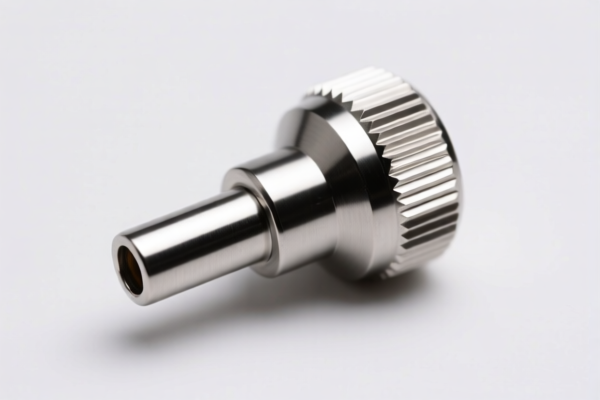
AI Analysis
💦 Stainless Steel Pipe Nozzle (Industrial/High-Pressure)
🌐 HS Code Reference & Customs Clearance Guide | 2026 Latest Tariff Analysis | Professional-Level Clearance Strategy
📌 I. Product Definition and Classification: Do You Really Understand "Stainless Steel Nozzles"?
Stainless steel pipe nozzles are critical components used in high-pressure cleaning systems, fire fighting, spray coating, and industrial fluid control. In international trade, their classification depends heavily on function (what it does) vs. material (what it's made of).
High-Pressure Nozzles (Functional Components): Designed specifically for jetting, spraying, or dispersing liquids/gases under pressure. These are considered parts of machinery.
General Stainless Steel Fittings/Parts: Generic stainless steel components not specifically designed for喷射 (jetting) functions, or used as general fasteners/connectors.
⚠️ Key Distinction Point:
- If the nozzle is designed for high-pressure spraying/cleaning and is a specific part of a cleaning machine or pipe system → It is a part of machinery (Chapter 84).
- If the nozzle is a general stainless steel fitting without specific喷射 (jetting) function, or used in general piping → It is a steel product (Chapter 73).
📦 II. HS Code Classification Details (2026 Latest Tariff Authority Comparison)
| HS Code | Product Description | Applicable Scenario | Tax Rate (China Origin to US) |
|---|---|---|---|
8424.90.90.40 |
Parts of machinery for projecting, dispersing, or spraying liquids (specifically for steam or similar jetting machines) | Specific high-pressure cleaning nozzles, fire-fighting nozzles, steam jets | 35.0% |
7326.19.00.80 |
Other articles of iron or steel (stainless steel), for general use | Generic stainless steel nozzles not classified as machinery parts, general industrial fittings | 87.9% |
7326.90.86.88 |
Other articles of iron or steel (stainless steel), not specified elsewhere | General stainless steel components, non-specific nozzles | 87.9% |
8424.90.90.80 |
Parts of other spraying appliances, such as spray guns (mechanical parts nature) | Nozzles for spray guns, paint spraying systems, general industrial sprayers | 85.0% |
🔍 Key Reminder:
- Chapter 84 (8424.xxxx) is generally FAVORABLE for functional nozzles because the base tariff is often 0%, but subject to附加税 (surtaxes).
- Chapter 73 (7326.xxxx) is generally HIGH COST because it incurs base tariffs + 50% Section 301/IEEPA surcharges on steel/aluminum products.
- Misclassification Risk: Declaring a functional high-pressure nozzle as a "steel part" (7326) to avoid machinery surcharges is dangerous if customs determines it’s primarily a machinery part. However, the steel surcharge (50%) often makes Chapter 73 more expensive overall unless the specific machinery classification has higher base rates (which it doesn't here).
💰 III. 2026 Latest Tariff Rate Breakdown (Including Surtaxes, Policy Add-ons)
✅ Applicable Country: United States (US)
✅ Origin: China (CN)
✅ Effective Time: November 10, 2025 onwards (including subsequent imports)
🎯 1. 8424.90.90.40 —— Stainless Steel Nozzle for Jetting Machines (Parts of Steam/Jetting Machinery)
| Item | Detail |
|---|---|
| Base Tariff | 0.0% (ad valorem) |
| USITC Surtax (Section 301) | +25.0% |
| IEEPA Surtax (122 Clause) | +10.0% |
| Steel/Aluminum Surtax | ❌ Not Applied (No "Steel/Aluminum" surcharge for this machinery part) |
| Total Rate | 35.0% |
| Tax Calculation | CIF Value × 35% |
| De Minimis Eligibility | ❌ Not Eligible (deny_de_minimis) |
| Legal Basis Path | USITC:8424.90.90.40 → Footnote:301.25 → IEEPA:9903.01.24(10%) |
📌 Explanation:
- The base rate is 0% because it's a "part of machinery" for spraying.
- However, it is still subject to the 25% Section 301 tariff (on Chinese machinery parts).
- Plus 10% IEEPA tariff under Section 122.
- Crucially: It does NOT incur the 50% steel surcharge (which applies to raw steel/chapter 73 products). This makes it significantly cheaper than Chapter 73 options.
🎯 2. 8424.90.90.80 —— Parts of Other Spraying Appliances (e.g., Spray Guns)
| Item | Detail |
|---|---|
| Base Tariff | 0.0% (ad valorem) |
| USITC Surtax (Section 301) | +25.0% |
| IEEPA Surtax (122 Clause) | +10.0% |
| Steel/Aluminum Surtax | +50.0% (Applied) |
| Total Rate | 85.0% |
| Tax Calculation | CIF Value × 85.0% |
| De Minimis Eligibility | ❌ Not Eligible |
| Legal Basis Path | USITC:8424.90.90.80 → Footnote:301.25 → IEEPA:9903.01.24(10%) → USITC:SteelAluminum(50%) |
📌 Explanation:
- Base rate is 0%.
- BUT: Because this classification is interpreted as a "steel/aluminum product" in some contexts or falls under specific steel surcharge rules, it incurs the 50% steel surcharge.
- Total burden: 0% + 25% + 10% + 50% = 85%.
- Risk: If customs applies the steel surcharge to this chapter, the cost is nearly triple that of8424.90.90.40.
🎯 3. 7326.19.00.80 & 7326.90.86.88 —— Other Stainless Steel Articles (General)
| Item | Detail |
|---|---|
| Base Tariff | 2.9% (ad valorem) |
| USITC Surtax (Section 301) | +25.0% |
| IEEPA Surtax (122 Clause) | +10.0% |
| Steel/Aluminum Surtax | +50.0% (Applied) |
| Total Rate | 87.9% |
| Tax Calculation | CIF Value × 87.9% |
| De Minimis Eligibility | ❌ Not Eligible |
| Legal Basis Path | USITC:7326.xxxx → Footnote:301.25 → IEEPA:9903.01.24(10%) → USITC:SteelAluminum(50%) |
📌 Explanation:
- Base rate is 2.9%.
- Subject to ALL surcharges: 25% (301) + 10% (IEEPA) + 50% (Steel/Aluminum).
- Total burden: 2.9% + 25% + 10% + 50% = 87.9%.
- This is the MOST EXPENSIVE option and should only be used if the product is clearly NOT a machinery part (e.g., a simple connector or decorative fitting).
🛠️ IV. Customs Clearance Practical Advice (Real-World Pitfall Avoidance Guide)
✅ 1. Document Preparation Checklist (Mandatory)
| Document | Required? | Explanation |
|---|---|---|
| ✅ Product Specification Sheet | ✔️ | Must state: Material (Stainless Steel), Max Pressure, Spray Angle, Intended Use (e.g., "High-Pressure Cleaning Machine Nozzle"). |
| ✅ Product Photos | ✔️ | Clear images showing nozzle structure, connection type, and any brand/label. |
| ✅ Technical Data Sheet | ✔️ | Proof of high-pressure capability (e.g., PSI/bar rating) to support Chapter 84 classification. |
| ✅ Commercial Invoice | ✔️ | Describe as "Stainless Steel High-Pressure Nozzle for Cleaning Machine" NOT "Steel Fitting". |
| ✅ Packing List | ✔️ | Include model numbers and quantities. |
✅ 2. Declaration Tips (Key Mnemonics)
🔥 "Function First, Material Second. 'Jetting' is Key, 'Steel' is Trap!"
| Scenario | Correct Declaration | Wrong Action |
|---|---|---|
| High-pressure cleaning nozzle | 8424.90.90.40 |
Misdeclare as 7326 → 87.9% tax |
| Spray gun nozzle (paint) | 8424.90.90.80 |
Risk of 50% steel surcharge → 85% tax |
| Simple stainless steel pipe connector (no spray function) | 7326.90.86.88 |
Over-classify as machinery → 35% tax (but may be rejected) |
| Nozzle with uncertain function | Provide technical docs | Assume lowest tax → Audit risk |
📌 Critical Advice:
- If the nozzle is used for cleaning, fire-fighting, or steam jets, insist on8424.90.90.40. This is the cheapest legal option (35%).
- Avoid7326codes unless the product is truly a general steel fitting. The 50% steel surcharge makes it economically unviable for most nozzles.
-8424.90.90.80is a middle ground but risky due to the 50% steel surcharge application. Verify with customs broker.
✅ 3. Special Cases Handling
| Situation | Recommendation |
|---|---|
| Customs Questions "Steel Surtax" | Argue that 8424.90.90.40 is a "part of machinery" and not a "steel article" under Chapter 73. Provide technical proof. |
| Mixed Shipment | Clearly separate "nozzles" from "steel pipes/fittings" in the invoice. Don't lump them together. |
| OEM Custom Nozzles | Provide design drawings showing the nozzle is designed for specific pressure/spray patterns. |
| De Minimis (<$800) | ❌ Not Eligible. All these codes have deny_de_minimis. You must file a formal entry. |
🌍 V. Global Market Clearance Comparison (2026 Latest)
| Country/Region | Recommended HS Code | Tariff (China Origin) | Certification | Notes |
|---|---|---|---|---|
| 🇺🇸 United States | 8424.90.90.40 |
35.0% | No special | Lowest cost if classified as machinery part. |
| 🇺🇸 United States | 7326.xxxx |
87.9% | None | Avoid unless product is non-functional. |
| 🇨🇳 China | 8424.90.90.40 |
~13-14% | None | Import duty to China is lower. |
| 🇪🇺 EU | 8424.90.89 |
0% (if eligible) | CE/UKCA | Check for Ecodesign requirements. |
| 🇯🇵 Japan | 8424.90.90 |
2.3% | JIS | Low tariff, no major surcharges. |
📌 Conclusion:
- The US market is the most challenging due to 301 and IEEPA surcharges.
- Strategy: Always aim for8424.90.90.40for high-pressure/jetting nozzles.
- Warning: Do not misclassify as steel parts (7326) to save base tax; the steel surcharge (50%) will destroy your profit margin.
📌 VI. Common Mistakes & Pitfall Guide (Lessons from Experience)
❌ Mistake 1: Declaring a high-pressure nozzle as "Steel Part" (7326) to avoid "Machinery" scrutiny.
👉 Result: Customs applies 50% steel surcharge → Total tax 87.9% instead of 35%. Profit destroyed.
❌ Mistake 2: Using 8424.90.90.80 without verifying steel surcharge applicability.
👉 Result: Unexpected 50% surcharge applied → Total tax 85%. Cost overrun.
❌ Mistake 3: Not providing technical specs for pressure ratings.
👉 Result: Customs cannot confirm it's a "jetting machine part" → Rejected for 8424, forced to 7326. Delays & Higher Tax.
❌ Mistake 4: Assuming De Minimis ($800) applies.
👉 Result: Entry rejected or backdated entry required with penalties. Compliance violation.
✅ Correct Approach:
"Stainless Steel High-Pressure Nozzle, Model XYZ, 3000 PSI, for Use in Industrial Cleaning Machines, Made of 304 Stainless Steel."
🎯 VII. Conclusion: Smart Classification Saves Money!
🎯 Remember the Mnemonic:
🔹 "Jetting = Chapter 84, Steel = Chapter 73. 84 is 35%, 73 is 88%. Don't be cheap, be clear!"
🔹 "Function defines HS Code. Pressure rating is your proof. Steel surcharge is your enemy."
📌 Pro Tip:
If your nozzles are originating from Vietnam, Mexico, or Thailand, you may avoid US IEEPA/301 surcharges (check current exemption lists).
Recommendation: Apply for a Customs Ruling from CBP before shipping if the product type is novel. This provides legal certainty.
📣 Immediate Action:
📞 Contact a licensed customs broker.
📄 Provide technical specs showing pressure rating and intended machinery use.
🚀 Classify as8424.90.90.40to lock in 35% tax. Avoid the 88% steel trap!
✨ Professional Clearance Starts with Accurate Classification!
💼 Your Cost, Precisely Calculated!
Customer Reviews
About HS Code Classification
The Harmonized System (HS) is an internationally standardized nomenclature developed by the World Customs Organization (WCO) to classify traded products. Over 200 countries use the HS system as the basis for customs tariffs, trade statistics, and import/export regulations.
Each HS code follows a hierarchical structure:
- Chapter (2 digits) — Broad category of goods (e.g., Chapter 84: Machinery and Mechanical Appliances)
- Heading (4 digits) — More specific grouping within the chapter
- Subheading (6 digits) — Internationally standardized breakdown, used by all WCO member countries
- National subdivisions (8-10 digits) — Country-specific extensions for further classification, such as US HTSUS 10-digit codes
Correct HS code classification is essential for smooth customs clearance, accurate duty payment, and compliance with trade regulations. Misclassification can lead to customs delays, overpayment of duties, or penalties.
When importing from CN to US, the applicable tariff rates may include:
- Most-Favored-Nation (MFN) rate — The standard duty rate applied to WTO members
- General rate — Applied to countries without trade agreements
- Trade remedy duties — Additional tariffs such as Section 301 (anti-dumping), Section 232 (national security), or countervailing duties
The information provided on this page is for reference purposes only. For official classification, please consult with your local customs authority or a licensed customs broker.