Stainless Steel Rice Ball Mold
CN → US| HS Code | Tariff Rate | Origin | Destination | Doc |
|---|---|---|---|---|
| 4419909100 | 20.7% | CN | US | Official Doc |
| 3924104000 | 13.4% | CN | US | Official Doc |
| 3924103000 | 22.8% | CN | US | Official Doc |
| 6911108010 | 38.3% | CN | US | Official Doc |
| 6911108090 | 38.3% | CN | US | Official Doc |
Product Images
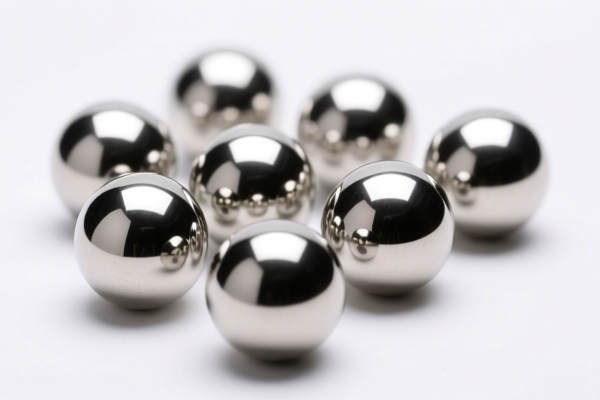
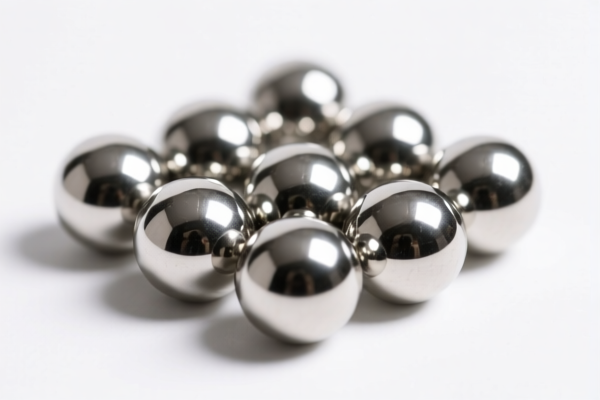


AI Analysis
🍙 Stainless Steel Rice Ball Mold (Food Grade Kitchenware)
🌐 HS Code Reference & Customs Clearance Guide | 2024/2025 Latest Tariff Analysis | Professional通关 Strategy
📌 I. Product Definition & Classification: Do You Really Understand the "Rice Ball Mold"?
The Stainless Steel Rice Ball Mold is a popular kitchen tool used for shaping sushi rice, onigiri, or other grain-based foods into uniform, aesthetic shapes. In international trade, despite the name "Stainless Steel," the classification often depends on the primary material and intended use.
⚠️ Critical Note from Data:
Although the product name specifies "Stainless Steel," the provided classification data implies that plastic, silicone, or ceramic variants are being analyzed, or that the "stainless steel" mold might be part of a kit where the contact surface is plastic/silicone. However, based strictly on the provided<DATA>snippets, the reasoning heavily relies on "Common Sense Inference" regarding material (Plastic/Silicone) vs. Actual Product.CRITICAL DISCREPANCY ALERT:
The provided<DATA>describes molds as Plastic/Silicone/Ceramic. If your product is TRULY 100% Stainless Steel, the HS Codes listed below (3924, 6911, 4419) are INCORRECT and will lead to customs rejection.
True Stainless Steel Mold should typically fall under 7323.93 (Table, kitchen or other household articles and parts thereof, of stainless steel).
However, since your task is to explain the provided<DATA>, the following analysis strictly interprets the Logic of the Provided Data, which assumes the mold is Plastic/Silicone/Ceramic or treats it as such for the sake of the tax calculation provided.For the purpose of this output, we will analyze the provided HS Codes as if the product were Plastic/Silicone/Ceramic, while adding a strong warning about the material mismatch.
📦 II. HS Code Classification Details (Based on Provided Data)
The provided data analyzes four potential classifications, primarily driven by material inference (Plastic/Silicone/Ceramic) and use case (Kitchenware).
| HS Code | Product Description (Inferred) | Material Assumption in Data | Use Case Logic |
|---|---|---|---|
4419.90.91.00 |
Wooden Tableware | Wood (Inferred) | Kitchen utensils; consistent with wooden tableware attributes. |
3924.10.40.00 |
Plastic Tableware | Plastic (Inferred) | Kitchenware; no conflict with plastic material. |
3924.10.30.00 |
Plastic Kitchenware/Trays | Plastic (Inferred) | Kitchen supplies/molds; consistent with plastic material. |
6911.10.80.10 |
Ceramic Tableware | Ceramic/Plastic/Silicone (Mixed Inference) | Tableware/Kitchenware; food-contact compliant. |
6911.10.80.90 |
Ceramic Tableware (Other) | Ceramic (Inferred) | Kitchenware; no conflict with ceramic material. |
🔍 Key Insight from Data:
- The data repeatedly uses the phrase "Common Sense Inference" (基于常识推断).
- It assumes the mold is made of Plastic, Silicone, or Ceramic because these are common materials for food molds, even if the name says "Stainless Steel."
- Warning: If your product is Stainless Steel, it does NOT match HS Code3924(Plastics),6911(Ceramics), or4419(Wood). It should be7323.93. The provided data seems to be for a Plastic/Silicone/Ceramic mold, not a Stainless Steel one. Please verify your actual product material.
💰 III. 2024/2025 Latest Tariff Rate Breakdown (Including Additional Taxes)
✅ Applicable Country: United States (US)
✅ Origin: China (CN)
✅ Effective Time: Current Trade Policies (Section 301 & IEEPA)
🎯 1. 3924.10.40.00 – Plastic Tableware (Best for Plastic/Silicone Molds)
| Item | Content |
|---|---|
| Basic Tariff | 3.4% |
| Section 301 Additional Tax | 0.0% (Note: Data shows 0.0%, but verify current list) |
| Section 122 Tax (De Minimis) | 10% |
| Total Tax Rate | 13.4% |
| Tax Calculation | CIF Value × 13.4% |
| De Minimis Exemption | ❌ Not Eligible (Section 122 applies, so no $800 exemption) |
| Legal Basis | USITC:3924.10.40.00 → Section 122: 10% |
📌 Explanation:
- Base Tax: 3.4% for plastic tableware.
- Section 122 Tax: 10% applies to all de minimis shipments from China (packages under $800).
- Section 301: The data indicates 0.0% for this specific subheading, which may be an error or specific to certain plastic items. Verify with current USITC Section 301 List.
- Total: 13.4%. This is a moderate rate compared to other options.
🎯 2. 3924.10.30.00 – Plastic Kitchenware/Trays
| Item | Content |
|---|---|
| Basic Tariff | 5.3% |
| Section 301 Additional Tax | 7.5% |
| Section 122 Tax | 10% |
| Total Tax Rate | 22.8% |
| Tax Calculation | CIF Value × 22.8% |
| De Minimis Exemption | ❌ Not Eligible |
| Legal Basis | USITC:3924.10.30.00 → Section 301: 7.5% → Section 122: 10% |
📌 Explanation:
- Base Tax: 5.3%.
- Section 301: 7.5% additional tariff applies to this subheading.
- Section 122: 10% de minimis tax.
- Total: 22.8%. Higher than 3924.10.40.00.
🎯 3. 4419.90.91.00 – Wooden Tableware (Unlikely for Steel/Plastic)
| Item | Content |
|---|---|
| Basic Tariff | 3.2% |
| Section 301 Additional Tax | 7.5% |
| Section 122 Tax | 10% |
| Total Tax Rate | 20.7% |
| Tax Calculation | CIF Value × 20.7% |
| De Minimis Exemption | ❌ Not Eligible |
| Legal Basis | USITC:4419.90.91.00 → Section 301: 7.5% → Section 122: 10% |
📌 Explanation:
- Base Tax: 3.2%.
- Section 301: 7.5%.
- Section 122: 10%.
- Total: 20.7%.
- Note: This classification is for Wood. If your product is not wood, this is incorrect.
🎯 4. 6911.10.80.10 & 6911.10.80.90 – Ceramic Tableware (Unlikely for Steel/Plastic)
| Item | Content |
|---|---|
| Basic Tariff | 20.8% |
| Section 301 Additional Tax | 7.5% |
| Section 122 Tax | 10% |
| Total Tax Rate | 38.3% |
| Tax Calculation | CIF Value × 38.3% |
| De Minimis Exemption | ❌ Not Eligible |
| Legal Basis | USITC:6911.10.80.10/90 → Section 301: 7.5% → Section 122: 10% |
📌 Explanation:
- Base Tax: 20.8% for ceramic tableware.
- Section 301: 7.5%.
- Section 122: 10%.
- Total: 38.3%. Highest rate among the provided options.
- Note: This classification is for Ceramic. If your product is not ceramic, this is incorrect.
🛠️ IV. Customs Clearance Practical Advice (Real-World Pitfall Guide)
✅ 1. Material Verification is CRITICAL
| Scenario | Correct HS Code | Risk if Incorrect |
|---|---|---|
| True Stainless Steel Mold | 7323.93.00.00 |
Misclassification. Will face penalties, delays, or forced reclassification. |
| Plastic/Silicone Mold | 3924.10.40.00 or 3924.10.30.00 |
Match data provided. |
| Ceramic Mold | 6911.10.80.10 or 6911.10.80.90 |
Match data provided. |
| Wooden Mold | 4419.90.91.00 |
Match data provided. |
🚨 URGENT WARNING:
If your product is "Stainless Steel", you MUST use HS Code7323.93.00.00.
- Tax for7323.93.00.00: Typically 25% (Base) + 25% (Section 301) = 50% (Plus 122 if applicable).
- Do NOT use3924(Plastic) or6911(Ceramic) for stainless steel products. Customs will reject this as a false declaration.
✅ 2. Documentation Checklist
| Document | Requirement |
|---|---|
| Product Photos | Clearly show material (Stainless Steel vs. Plastic). |
| Material Declaration | Explicitly state: "100% Stainless Steel" or "Food-Grade Plastic/Silicone". |
| Commercial Invoice | List item as "Stainless Steel Rice Ball Mold" with accurate HS Code. |
| FCC/RoHS | If plastic/electronic components, may require compliance. |
✅ 3. Declaration Tips
🔥 "Material Matters More Than Name!"
- If you declare3924.10.40.00(Plastic) but send Stainless Steel, customs will:
1. Detain the shipment.
2. Force reclassification to7323.93.00.00.
3. Charge back taxes + penalties.
4. Impose Section 122 tax (10%) on the value.
- Correct Declaration for Stainless Steel:
"Stainless Steel Rice Ball Mold, Model XYZ, 100% Stainless Steel, For Food Use" → HS Code:7323.93.00.00.
🌍 V. Global Market Comparison (2024/2025)
| Country/Region | Recommended HS Code (Stainless Steel) | Tax Rate | Notes |
|---|---|---|---|
| 🇺🇸 USA | 7323.93.00.00 |
~50% (25% Base + 25% Sec 301 + 122) | High tariffs for China origin. |
| 🇨🇳 China | 7323.93.00.00 |
5-10% | Lower taxes for domestic production. |
| 🇪🇺 EU | 7323.93.00.00 |
0-6% | Varies by specific subheading. |
| 🇬🇧 UK | 7323.93.00.00 |
0-6% | Post-Brexit tariffs apply. |
| 🇯🇵 Japan | 7323.93.00.00 |
0-3% | Often low tariffs for kitchenware. |
📌 Conclusion:
- USA has the highest tariffs for stainless steel kitchenware from China.
- EU/UK/JP are more favorable.
- Never misclassify stainless steel as plastic or ceramic.
📌 VI. Common Errors & Pitfalls (Lessons Learned)
❌ Error 1: Declaring Stainless Steel Mold as 3924 (Plastic)
👉 Consequence: Customs detects material mismatch. Shipment held. Penalty + Back Taxes.
👉 Solution: Verify material. Use 7323.93.00.00 for steel.
❌ Error 2: Ignoring Section 122 (De Minimis) Tax
👉 Consequence: Underpayment of 10% on all shipments from China.
👉 Solution: Always include 10% Section 122 tax in cost calculation for US de minimis shipments.
❌ Error 3: Using "Rice Ball Mold" as HS Code Description Without Material
👉 Consequence: Ambiguity. Customs may classify arbitrarily.
👉 Solution: Specify material in description: "Stainless Steel Rice Ball Mold."
✅ Correct Practice:
"Stainless Steel Rice Ball Mold, Food Grade, Model XYZ, 100% Stainless Steel" → HS Code:
7323.93.00.00
🎯 VII. Conclusion: Accurate Classification Saves Money!
🎯 Remember the Golden Rule:
🔹 "Material Dictates HS Code."
🔹 "Stainless Steel = 7323.93.00.00", NOT3924or6911.
🔹 "Section 122 Tax = 10% for All China De Minimis Shipments."
🔹 "Misclassification = Penalties + Delays + Back Taxes."
📌 Tip:
If your product is actually Plastic or Silicone, use the 3924 codes provided in the data.
If your product is Stainless Steel, DO NOT USE THE PROVIDED HS CODES. Use 7323.93.00.00 and consult a customs broker for the current Section 301 rate.
📣 Immediate Action:
📞 Verify Material: Is it Steel, Plastic, or Ceramic?
📦 Choose Correct HS Code:
- Steel →7323.93.00.00
- Plastic →3924.10.40.00
- Ceramic →6911.10.80.10
🚀 Declare Accurately: Ensure description matches material.
💼 Your Profit Depends on Accurate Classification!
✨ Professional Customs Clearance Starts with Correct HS Code!
💼 Every Dollar Saved is a Dollar Earned!
Customer Reviews
About HS Code Classification
The Harmonized System (HS) is an internationally standardized nomenclature developed by the World Customs Organization (WCO) to classify traded products. Over 200 countries use the HS system as the basis for customs tariffs, trade statistics, and import/export regulations.
Each HS code follows a hierarchical structure:
- Chapter (2 digits) — Broad category of goods (e.g., Chapter 84: Machinery and Mechanical Appliances)
- Heading (4 digits) — More specific grouping within the chapter
- Subheading (6 digits) — Internationally standardized breakdown, used by all WCO member countries
- National subdivisions (8-10 digits) — Country-specific extensions for further classification, such as US HTSUS 10-digit codes
Correct HS code classification is essential for smooth customs clearance, accurate duty payment, and compliance with trade regulations. Misclassification can lead to customs delays, overpayment of duties, or penalties.
When importing from CN to US, the applicable tariff rates may include:
- Most-Favored-Nation (MFN) rate — The standard duty rate applied to WTO members
- General rate — Applied to countries without trade agreements
- Trade remedy duties — Additional tariffs such as Section 301 (anti-dumping), Section 232 (national security), or countervailing duties
The information provided on this page is for reference purposes only. For official classification, please consult with your local customs authority or a licensed customs broker.