Stainless Steel Storage Rack
CN → US| HS Code | Tariff Rate | Origin | Destination | Doc |
|---|---|---|---|---|
| 7324100050 | 88.4% | CN | US | Official Doc |
| 8302500000 | 85.0% | CN | US | Official Doc |
| 8302416080 | 88.9% | CN | US | Official Doc |
| 7324900000 | 85.0% | CN | US | Official Doc |
| 9403200078 | 85.0% | CN | US | Official Doc |
Product Images
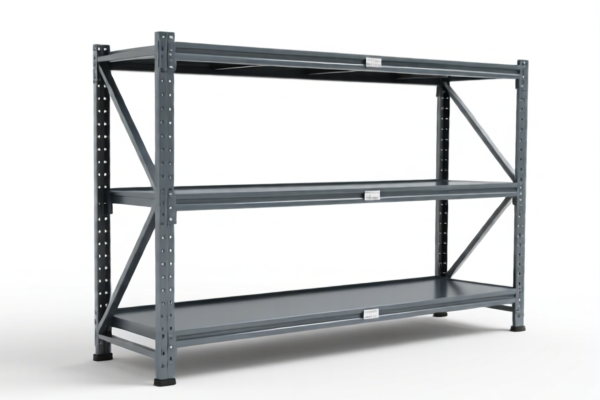
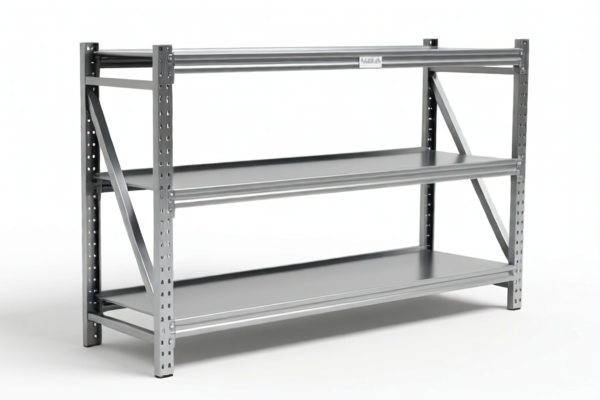
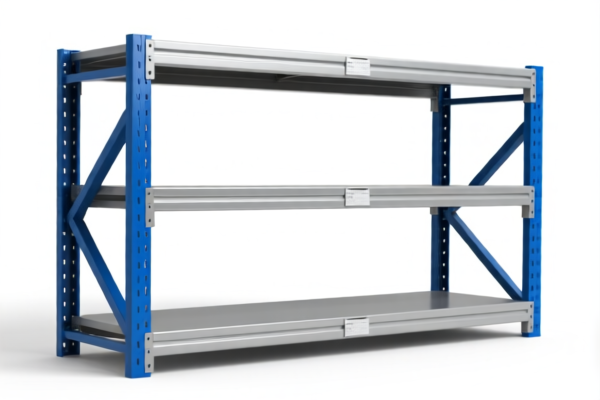
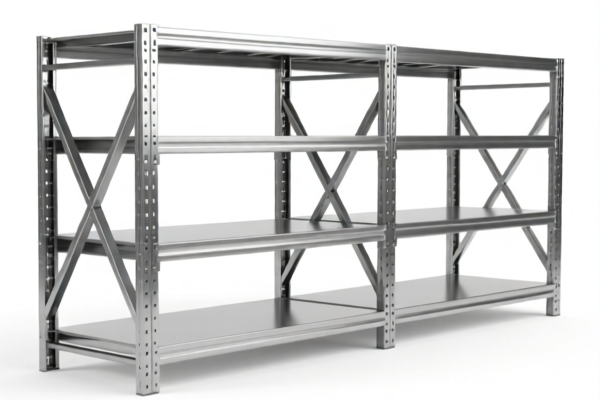
AI Analysis
🏗️ Stainless Steel Storage Rack: The Ultimate Classification & Tariff Breakdown (2026)
🌐 HS Code Reference & Customs Clearance Guide | 2026 Latest Tariff Analysis | Professional-Grade Strategy
📌 I. Product Definition & Classification: Is it Furniture, Fittings, or Sanitary Ware?
A "Stainless Steel Storage Rack" is a deceptive term in international trade. Depending on its structure, intended use, and component nature, it falls into drastically different Harmonized System (HS) codes with varying tax liabilities. The key is to distinguish between:
- Standalone Furniture/Racks: Self-standing units for general storage or office use.
- Building Fittings/Accessories: Parts attached to buildings (walls, shelves) for structural support or organization.
- Sanitary Hardware: Parts specifically designed for bathrooms or kitchens (often mistaken for general storage).
- Miscellaneous Metal Mountings: General-purpose brackets or supports that don’t fit specific categories.
⚠️ Key Distinction Point:
- If it’s a free-standing unit with shelves, doors, or specific furniture function → Look at Furniture (9403) or Sanitary Ware (7324).
- If it’s a bracket, rail, or support attached to walls/shelves → Look at Base Metal Accessories (8302).
- Crucial Warning: Many "racks" are misclassified as simple brackets to avoid higher tariffs, or vice versa. Incorrect classification leads to penalties, delays, or overpayment.
📦 II. HS Code Classification Details (2026 Authoritative Comparison)
Based on the provided data, here are the 5 possible classifications for a "Stainless Steel Storage Rack" and why they apply:
| HS Code | Product Description & Logic | Applicable Scenario | Why This Code? |
|---|---|---|---|
9403.20.00.78 |
Other Metal Furniture: Rack-type devices | Free-standing racks, office shelving units, closet organizers made entirely of stainless steel. | Classified as Furniture. If the item is a complete, self-supporting storage unit, it falls here. |
8302.41.60.80 |
Base Metal Fittings for Buildings: Stainless steel accessories | Wall-mounted racks, shelf supports, track systems, or hinges used in building installations. | Classified as Building Fittings. If it’s an accessory attached to a structure (wall/shelf) rather than a standalone piece of furniture. |
8302.50.00.00 |
Base Metal Mountings: Stainless steel brackets/supports | Simple brackets, corner supports, or structural elements that hold shelves but aren’t furniture themselves. | Classified as Mountings. Used if the item is purely a support component (e.g., a bracket set) rather than a full rack. |
7324.10.00.50 |
Sanitary Ware: Stainless steel sinks/trays & accessories | Kitchen sinks, sink strainers, or bathroom storage trays made of stainless steel, classified under sanitary ware. | Classified as Sanitary Ware. If the "rack" is actually a sink drainboard, soap dish, or bathroom accessory. |
7324.90.00.00 |
Other Sanitary Ware: Iron/Steel articles | Miscellaneous stainless steel sanitary parts not specifically mentioned elsewhere. | Classified as Other Sanitary. A catch-all for steel sanitary items that don’t fit the specific sink/tray codes. |
🔍 Critical Insight:
- Furniture (9403) vs. Fittings (8302) is the biggest decision point.
- If the rack is detachable or built-in, it’s likely 8302.
- If it’s a standalone piece you buy like a cupboard, it’s 9403.
- Sanitary Ware (7324) applies only if it’s clearly for bathroom/kitchen hygiene contexts (sinks, drains, trays).
💰 III. 2026 Tariff Rate Breakdown (Detailed Tax Policy)
✅ Applicable Country: United States (US)
✅ Origin: China (CN)
✅ Effective Time: November 10, 2025 (and subsequent imports)
All HS codes in the provided data carry significant additional tariffs due to trade policies (Section 301, Section 232, etc.). Below is the detailed tax calculation for each:
🎯 1. 9403.20.00.78 —— Other Metal Furniture (Stainless Steel Racks)
| Item | Content |
|---|---|
| Basic Duty Rate | 0.0% (ad valorem) |
| Section 301 Additional Duty | +25.0% (Footnote 9903.88.01) |
| Section 232/Other Additional Duties | +50.0% (Steel/Aluminum/Copper Products) |
| Total Tax Rate | 75.0% |
| Tax Calculation | CIF Value × 75% |
| De Minimis Eligibility | ❌ Not Eligible (deny_de_minimis) |
| Legal Basis Path | IEEPA:9903.01.25 → USITC:9403.20.00.78 → FOOTNOTE:9903.88.01 |
📌 Explanation:
- Even though the basic duty is 0%, the 25% Section 301 tariff applies to most Chinese furniture.
- The 50% additional duty applies because stainless steel is a "steel product" subject to Section 232 or similar national security tariffs.
- Total: 75%. This is a high-cost classification for standalone racks.
🎯 2. 8302.41.60.80 —— Base Metal Fittings for Buildings (Stainless Steel Accessories)
| Item | Content |
|---|---|
| Basic Duty Rate | 3.9% (ad valorem) |
| Section 301 Additional Duty | +25.0% |
| Section 232/Other Additional Duties | +50.0% (Steel/Aluminum/Copper Products) |
| Total Tax Rate | 78.9% |
| Tax Calculation | CIF Value × 78.9% |
| De Minimis Eligibility | ❌ Not Eligible (deny_de_minimis) |
| Legal Basis Path | IEEPA:9903.01.25 → USITC:8302.41.60.80 → FOOTNOTE:9903.88.01 |
📌 Explanation:
- Basic duty is slightly higher (3.9%) than furniture.
- Same 25% and 50% additional tariffs apply.
- Total: 78.9%. This is the most expensive classification among the options.
🎯 3. 8302.50.00.00 —— Base Metal Mountings (Stainless Steel Brackets)
| Item | Content |
|---|---|
| Basic Duty Rate | 0.0% (ad valorem) |
| Section 301 Additional Duty | +25.0% |
| Section 232/Other Additional Duties | +50.0% (Steel/Aluminum/Copper Products) |
| Total Tax Rate | 75.0% |
| Tax Calculation | CIF Value × 75.0% |
| De Minimis Eligibility | ❌ Not Eligible (deny_de_minimis) |
| Legal Basis Path | IEEPA:9903.01.25 → USITC:8302.50.00.00 → FOOTNOTE:9903.88.01 |
📌 Explanation:
- Basic duty is 0%.
- Additional tariffs are the same (25% + 50%).
- Total: 75.0%. Same as furniture.
🎯 4. 7324.10.00.50 —— Sanitary Ware (Stainless Steel Sinks/Trays)
| Item | Content |
|---|---|
| Basic Duty Rate | 3.4% (ad valorem) |
| Section 301 Additional Duty | +25.0% |
| Section 232/Other Additional Duties | +50.0% (Steel/Aluminum/Copper Products) |
| Total Tax Rate | 78.4% |
| Tax Calculation | CIF Value × 78.4% |
| De Minimis Eligibility | ❌ Not Eligible (deny_de_minimis) |
| Legal Basis Path | IEEPA:9903.01.25 → USITC:7324.10.00.50 → FOOTNOTE:9903.88.01 |
📌 Explanation:
- If your "rack" is actually a kitchen sink drainer or bathroom tray, this code applies.
- Basic duty is 3.4%.
- Additional tariffs apply as above.
- Total: 78.4%.
🎯 5. 7324.90.00.00 —— Other Sanitary Ware (Iron/Steel)
| Item | Content |
|---|---|
| Basic Duty Rate | 0.0% (ad valorem) |
| Section 301 Additional Duty | +25.0% |
| Section 232/Other Additional Duties | +50.0% (Steel/Aluminum/Copper Products) |
| Total Tax Rate | 75.0% |
| Tax Calculation | CIF Value × 75.0% |
| De Minimis Eligibility | ❌ Not Eligible (deny_de_minimis) |
| Legal Basis Path | IEEPA:9903.01.25 → USITC:7324.90.00.00 → FOOTNOTE:9903.88.01 |
📌 Explanation:
- Catch-all for steel sanitary items.
- Basic duty is 0%.
- Additional tariffs apply as above.
- Total: 75.0%.
🛠️ IV. Customs Clearance Practical Advice (Pitfall Avoidance Guide)
✅ 1. Essential Documentation List (Non-negotiable)
| Document | Required? | Purpose |
|---|---|---|
| ✅ Product Specifications | ✔️ | Dimensions, material (100% Stainless Steel?), load capacity, assembly method. |
| ✅ Photos (Clear & Detailed) | ✔️ | Show the entire unit, joints, and any branding. Must prove it’s not a "sanitary" item if claiming furniture. |
| ✅ Commercial Invoice | ✔️ | Must state "Stainless Steel Storage Rack" or precise description. Do not use vague terms like "Metal Parts." |
| ✅ Packing List | ✔️ | Confirm if items are assembled or knock-down (KD). KD parts might change classification. |
| ✅ Material Certificate | ✔️ | Proof of stainless steel composition (e.g., 304/316). Essential for Section 232 tariffs. |
| ✅ Assembly Instructions | ✔️ | Helps customs determine if it’s furniture (self-standing) or fittings (needs wall). |
✅ 2. Declaration Strategy (Key Mantras)
🔥 "Describe the Function, Not Just the Material!"
| Scenario | Recommended Declaration | Wrong Declaration | Consequence |
|---|---|---|---|
| Free-standing shelving unit | "Stainless Steel Storage Cabinet, Model XYZ, No Tools Required for Assembly" | "Metal Shelf Brackets" | Misclassification → Audit/Fines |
| Wall-mounted rack | "Stainless Steel Wall-Mounted Storage Rack for Kitchen" | "Furniture" | Incorrect code (8302 vs 9403) → Tax discrepancy |
| Sink Drainer/Tray | "Stainless Steel Sink Accessories, Drain Board" | "Storage Rack" | Sanitary code (7324) is correct; calling it "rack" may confuse customs |
| Brackets/Supports | "Stainless Steel Mounting Brackets for Shelving Systems" | "Storage Rack" | Fittings code (8302) is correct |
✅ 3. Special Considerations
| Situation | Advice |
|---|---|
| Knock-Down (KD) vs. Assembled | If KD, ensure the description reflects "Parts of Storage Racks" if applicable. However, most KD furniture still falls under 9403. |
| Mixed Materials | If the rack has wooden shelves or plastic bins, the classification might change to "Composite Goods." Pure stainless steel is safer for clear classification. |
| Section 232 Steel Tariffs | All stainless steel products face a 50% additional duty. There are no exemptions for small quantities. Plan for this cost! |
| De Minimis ($800) | ❌ Not Applicable. All these HS codes are denied de minimis status for Chinese origin. Every shipment, no matter how small, is subject to full tariffs. |
🌍 V. Global Market Comparison (2026 Snapshot)
| Market | Typical HS Code for Stainless Rack | Est. Total Duty (CN Origin) | Notes |
|---|---|---|---|
| 🇺🇸 USA | 9403.20.00.78 or 8302.50.00.00 |
75.0% - 78.9% | High tariffs due to Section 301 & 232. De minimis denied. |
| 🇨🇳 China | 7324.10.00.50 (if sanitary) |
~3-5% | Lower duties if imported back or domestically traded. |
| 🇪🇺 EU | 7324.10.00 (Sanitary) or 9403.20 |
~0-2.5% | No Section 301/232 tariffs. FTA benefits may apply. |
| 🇬🇧 UK | 9403.20 |
~0-6% | Post-Brexit tariffs vary. No US-style additional duties. |
| 🇦🇺 Australia | 9403.20 |
~5% | Generally lower duties than US. |
📌 Conclusion:
- The USA is the most challenging market for stainless steel storage racks from China due to 75%+ total tariffs.
- EU, UK, and Asia-Pacific markets are significantly more favorable.
- Consider supply chain diversification (e.g., Vietnam, Thailand) if targeting the US to avoid Section 301/232 tariffs.
📌 VI. Common Errors & Pitfalls (Lessons Learned)
❌ Error 1: Declaring a free-standing cabinet as "Metal Brackets"
👉 Consequence: Customs may accept it initially but later audit and demand back taxes + penalties for misclassification.
❌ Error 2: Assuming De Minimis ($800) applies to stainless steel racks
👉 Consequence: Shipment held at border, duties assessed on full value, storage fees incurred.
❌ Error 3: Ignoring Section 232 Steel Tariffs
👉 Consequence: Underpaying 50% of the duty. The US considers all stainless steel a "national security" risk.
❌ Error 4: Using vague descriptions like "Storage Item"
👉 Consequence: Customs assigns the highest possible duty rate due to lack of specificity.
✅ Correct Approach:
"Stainless Steel (304 Grade) Modular Storage Rack, 5-Tier, Free-Standing, Model XYZ, Pure Metal Construction"
🎯 VII. Conclusion: Strategic Sourcing & Compliance
🎯 Key Takeaways:
🔹 "Material Matters": Stainless steel triggers Section 232 (50%) + Section 301 (25%) = 75%+ in the US.
🔹 "No De Minimis": Forget the $800 exemption. Every shipment pays.
🔹 "Classify Correctly": Furniture (9403) is slightly cheaper than Fittings (8302), but both are heavily taxed.
🔹 "Plan for Cost": Factor in ~75% duty when pricing for the US market.
📌 Pro Tip:
If you are importing to the US, consider:
1. Pre-Ruling: Apply for an Advance Ruling from CBP to confirm the HS code.
2. Supply Chain Shift: Source from non-China countries (e.g., Vietnam, India) to avoid Section 301/232 tariffs.
3. Product Redesign: If possible, use non-steel components (e.g., wood shelves, plastic bins) to move away from "Steel Product" classification.
📣 Call to Action:
📞 Consult a Licensed Customs Broker before shipping.
📄 Provide Detailed Specs & Photos for accurate classification.
🚀 Calculate Total Landed Cost (Product + Freight + Insurance + 75% Duty) to ensure profitability.
✨ Precision in Classification Saves Millions!
💼 Don’t Let High Tariffs Erase Your Margins!
Customer Reviews
About HS Code Classification
The Harmonized System (HS) is an internationally standardized nomenclature developed by the World Customs Organization (WCO) to classify traded products. Over 200 countries use the HS system as the basis for customs tariffs, trade statistics, and import/export regulations.
Each HS code follows a hierarchical structure:
- Chapter (2 digits) — Broad category of goods (e.g., Chapter 84: Machinery and Mechanical Appliances)
- Heading (4 digits) — More specific grouping within the chapter
- Subheading (6 digits) — Internationally standardized breakdown, used by all WCO member countries
- National subdivisions (8-10 digits) — Country-specific extensions for further classification, such as US HTSUS 10-digit codes
Correct HS code classification is essential for smooth customs clearance, accurate duty payment, and compliance with trade regulations. Misclassification can lead to customs delays, overpayment of duties, or penalties.
When importing from CN to US, the applicable tariff rates may include:
- Most-Favored-Nation (MFN) rate — The standard duty rate applied to WTO members
- General rate — Applied to countries without trade agreements
- Trade remedy duties — Additional tariffs such as Section 301 (anti-dumping), Section 232 (national security), or countervailing duties
The information provided on this page is for reference purposes only. For official classification, please consult with your local customs authority or a licensed customs broker.