Stainless Steel Tableware
CN → US| HS Code | Tariff Rate | Origin | Destination | Doc |
|---|---|---|---|---|
| 7323930080 | 62.0% | CN | US | Official Doc |
| 7323930060 | 62.0% | CN | US | Official Doc |
| 8215991500 | 0.0% | CN | US | Official Doc |
| 7323930045 | 62.0% | CN | US | Official Doc |
| 9405196010 | 42.6% | CN | US | Official Doc |
Product Images
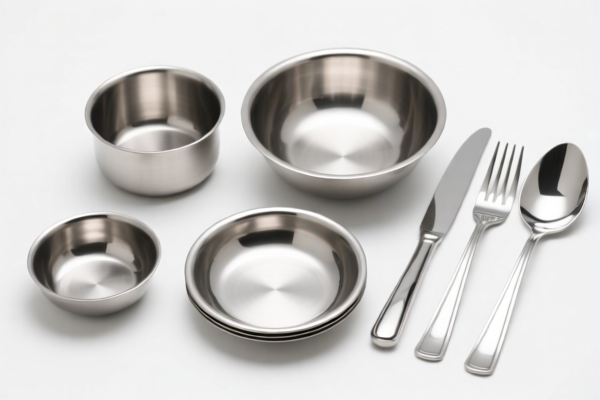
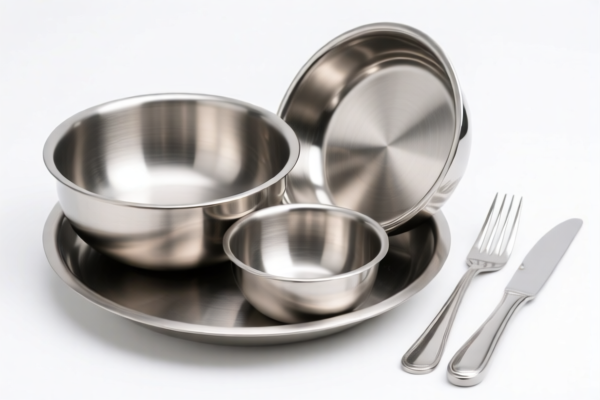
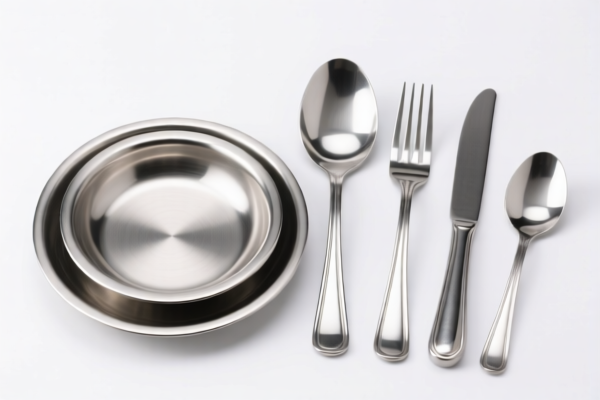
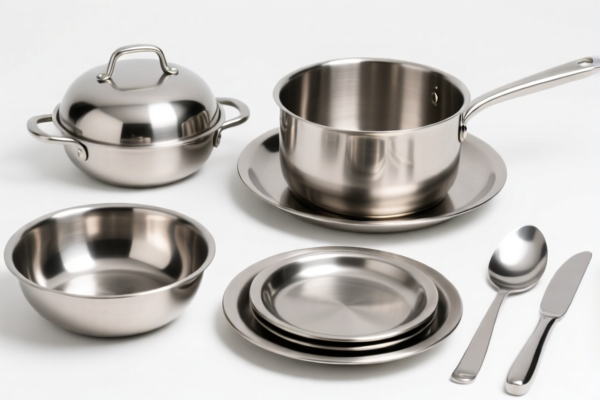
AI Analysis
🍴 Stainless Steel Tableware: The Ultimate HS Code & Tax Breakdown (2026 Edition)
🌐 HS Code Reference & Customs Clearance Guide | 2026 Latest Tariff Analysis | Professional Entry Strategies
📌 I. Product Definition & Classification: Do You Truly Understand "Stainless Steel Tableware"?
Stainless steel tableware is not just "kitchen stuff." In international trade, the distinction between cutlery, kitchen utensils, and other household articles determines your tax burden. Misclassification can lead to unexpected duties, delays, or seizures.
Key Distinction: * Specific Cutlery (Spoons, Forks, Knives): Often falls under specific heading 8215 (if handles are separate) or 7323 (if integrated). * General Tableware/Kitchenware: Falls under 7323.93 (Other articles of stainless steel). * Non-Tableware Items: Even if made of stainless steel, items like lamps fall under lighting headings (e.g., 9405), NOT tableware.
⚠️ Critical Alert:
- If the item is a lamp made of stainless steel, it is NOT tableware. It is lighting equipment.
- If the item has separate handles (e.g., metal blades with plastic/wood handles), it may fall under 8215.
- If it is all stainless steel (integrated), it falls under 7323.
📦 II. HS Code Classification Matrix (2026 Authorized Reference Data)
Based on the provided dataset, here are the exact HS Codes, summaries, and tax structures for stainless steel products. No external codes are included.
| HS Code | Summary (From Data) | Total Tax Rate | Tax Detail Breakdown |
|---|---|---|---|
7323.93.00.80 |
Stainless steel material, used for tableware, fits classification of stainless steel tableware | 62.0% | Base: 2.0%, Section 301: 0%, Section 122/Aluminum-Steel-Copper: 50% |
7323.93.00.60 |
Stainless steel material, used for tableware or kitchen utensils, classified as other household articles | 62.0% | Base: 2.0%, Section 301: 0%, Section 122/Aluminum-Steel-Copper: 50% |
8215.99.15.00 |
Stainless steel material, used for tableware, fits classification of stainless steel handle tableware | 0.4¢ each + 4.8% + 10.0% | Base: 0.4¢ each + 4.8%, Section 301: 0%, Section 122: 10% |
7323.93.00.45 |
Stainless steel material, used for cooking & kitchen supplies or tableware | 62.0% | Base: 2.0%, Section 301: 0%, Section 122/Aluminum-Steel-Copper: 50% |
9405.19.60.10 |
Stainless steel material, used for lamps, classified as metal household lamps | 42.6% | Base: 7.6%, Section 301: 25.0%, Section 122: 10% |
🔍 Important Note:
- Codes7323.93.00.80,.60,.45share the same high tax rate (62%) because they are subject to the 50% Additional Duty under the "122 Clause" (Steel, Aluminum, Copper products).
- Code8215.99.15.00has a lower ad valorem rate but includes a specific duty (0.4¢ per item) and a 10% Additional Duty. This code is for tableware with handles (often implying separate components or specific construction).
- Code9405.19.60.10is strictly for lamps. Do NOT misclassify tableware as lamps to avoid taxes, or vice versa. The tax structure is different (Base 7.6% vs 2.0%).
💰 III. 2026 Tax Rate Detailed Explanation
🎯 1. 7323.93.00.80 / .60 / .45 —— Stainless Steel Tableware & Kitchen Utensils (Integrated)
| Item | Content |
|---|---|
| Base Duty | 2.0% |
| Section 301 (Trade War Tariff) | 0.0% (Not applicable in this specific dataset entry) |
| Section 122 (Steel/Al/Cu Add-on) | 50% |
| Total Tax Rate | 62.0% |
| Tax Calculation | CIF Value × 62% |
| De Minimis Eligibility | ❌ No (High value, subject to full duty) |
📌 Explanation:
- The 50% Additional Duty is the key driver here. This falls under the "122 Clause" targeting Steel, Aluminum, and Copper products.
- Even though the base duty is low (2%), the additional 50% makes the total burden extremely high (62%).
- This applies to integrated stainless steel tableware (e.g., steel bowls, steel plates, steel spoons where the handle is part of the same piece).
🎯 2. 8215.99.15.00 —— Stainless Steel Handle Tableware (Separate Handles/Cutlery)
| Item | Content |
|---|---|
| Base Duty | 0.4¢ each + 4.8% |
| Section 301 | 0.0% |
| Section 122 (Add-on) | 10% |
| Total Tax Structure | 0.4¢/piece + 14.8% (4.8% + 10%) |
| De Minimis Eligibility | ❌ No |
📌 Explanation:
- This code is for tableware with handles (e.g., knives with stainless blades and steel/plastic handles, or specific cutlery sets).
- The tax is a mix of specific duty (0.4 cents per unit) and ad valorem duty (14.8% total).
- Critical: The Section 122 duty is only 10%, not 50%. This makes it significantly cheaper than the integrated7323codes if your product qualifies.
- Verification: Ensure the product truly fits "handle tableware" (e.g., separate handle and blade assembly). If it's all one piece, it likely falls under7323.
🎯 3. 9405.19.60.10 —— Stainless Steel Lamps (NON-TABLEWARE)
| Item | Content |
|---|---|
| Base Duty | 7.6% |
| Section 301 | 25.0% |
| Section 122 | 10% |
| Total Tax Rate | 42.6% |
| Tax Calculation | CIF Value × 42.6% |
📌 Explanation:
- This is NOT tableware. It is for lamps (lighting fixtures) made of stainless steel.
- Do not use this code for tableware. Misclassification can lead to severe penalties.
- If you are importing stainless steel tableware lamps (e.g., decorative lamp shaped like a fork), this is the correct code, but the tax is 42.6%, which is lower than tableware but still significant.
🛠️ IV. Customs Clearance Practical Advice (Avoiding Pitfalls)
✅ 1. Documentation Checklist (Non-Negotiable)
| Document | Required | Notes |
|---|---|---|
| ✅ Product Photos | ✔️ | Show clear view of whether the item is integrated (all steel) or has separate handles. |
| ✅ Specification Sheet | ✔️ | Material: 100% Stainless Steel? Is the handle separate? What is the use (eating vs. cooking vs. lighting)? |
| ✅ Commercial Invoice | ✔️ | Clearly state: "Stainless Steel Tableware - Integrated" or "Stainless Steel Cutlery with Handles". |
| ✅ HS Code Pre-Ruling | ✔️ | Strongly recommended due to the 50% vs 10% difference. |
| ✅ Packaging List | ✔️ | Ensure quantity matches (especially for the 0.4¢/piece duty calculation). |
✅ 2. Classification Strategy (Key Decision Tree)
🔥 "Is it a lamp? → 9405. Is it all one piece? → 7323 (62%). Does it have separate handles? → 8215 (14.8% + 0.4¢)"
| Product Type | Correct HS Code | Tax Rate | Risk Level |
|---|---|---|---|
| Stainless Steel Bowl/Plate | 7323.93.00.80 / .45 / .60 |
62% | ⚠️ High Cost |
| Stainless Steel Spoon (One Piece) | 7323.93.00.80 / .45 / .60 |
62% | ⚠️ High Cost |
| Knife with Stainless Blade + Steel/Plastic Handle | 8215.99.15.00 |
0.4¢ + 14.8% | ✅ Lower Cost |
| Stainless Steel Lamp | 9405.19.60.10 |
42.6% | ✅ Correct Category |
✅ 3. Critical Warnings
❌ Mistake 1: Classifying all-stainless spoons as 8215.99.15.00.
👉 Consequence: If the handle is not separate, CBP will reclassify to 7323, charging 62% instead of 14.8%. You will owe the difference + penalties.
❌ Mistake 2: Classifying tableware as 9405 (Lamps) to save tax.
👉 Consequence: Fraud. Misuse of HS code. Seizure of goods, fines, and loss of import privileges.
❌ Mistake 3: Ignoring the 0.4¢ per piece duty in 8215.
👉 Consequence: If you have 10,000 units, that’s $4,000 in specific duties alone. Must be calculated on quantity, not value.
🌍 V. Global Market Comparison (2026)
| Market | Recommended HS Code for Tableware | Est. Tax | Notes |
|---|---|---|---|
| 🇺🇸 USA | 7323.93.00.80 (Integrated) |
62% | High due to Section 122 (Steel). |
| 🇺🇸 USA | 8215.99.15.00 (Handle Cutlery) |
0.4¢ + 14.8% | Cheaper if handles are separate. |
| 🇨🇳 China | 7323.93.00 |
~5-10% | No Section 122 equivalent for imports into China. |
| 🇪🇺 EU | 7323.93 |
~2-4% | No Section 301/122 equivalent. |
📌 Conclusion for US Importers:
- USA is the most expensive market for stainless steel tableware due to the 50% Additional Duty on steel products.
- Strategy: If possible, structure products to qualify for8215.99.15.00(separate handles) to reduce ad valorem tax from 50% to 10%.
- Alternative: Consider sourcing from countries not subject to Section 122/301 (e.g., Vietnam, Thailand) if possible.
📌 VI. Final Recommendation
- Inspect Your Product: Is the handle separate? If yes, push for
8215.99.15.00. If no, accept7323.93with 62% tax. - Never Confuse Lamps: If it lights up, it’s
9405.19.60.10. - Calculate Specific Duties: For
8215, multiply unit count by $0.004 before adding ad valorem. - Pre-Ruling: Given the high stakes (62% vs 14.8%), request a CBP Advance Ruling if your product structure is ambiguous.
✨ Professional Customs Clearance, Starting from Accurate Classification!
💼 Your Profit Margin Depends on Your HS Code!
Customer Reviews
About HS Code Classification
The Harmonized System (HS) is an internationally standardized nomenclature developed by the World Customs Organization (WCO) to classify traded products. Over 200 countries use the HS system as the basis for customs tariffs, trade statistics, and import/export regulations.
Each HS code follows a hierarchical structure:
- Chapter (2 digits) — Broad category of goods (e.g., Chapter 84: Machinery and Mechanical Appliances)
- Heading (4 digits) — More specific grouping within the chapter
- Subheading (6 digits) — Internationally standardized breakdown, used by all WCO member countries
- National subdivisions (8-10 digits) — Country-specific extensions for further classification, such as US HTSUS 10-digit codes
Correct HS code classification is essential for smooth customs clearance, accurate duty payment, and compliance with trade regulations. Misclassification can lead to customs delays, overpayment of duties, or penalties.
When importing from CN to US, the applicable tariff rates may include:
- Most-Favored-Nation (MFN) rate — The standard duty rate applied to WTO members
- General rate — Applied to countries without trade agreements
- Trade remedy duties — Additional tariffs such as Section 301 (anti-dumping), Section 232 (national security), or countervailing duties
The information provided on this page is for reference purposes only. For official classification, please consult with your local customs authority or a licensed customs broker.