Stainless Steel Tea Warmer
CN → US| HS Code | Tariff Rate | Origin | Destination | Doc |
|---|---|---|---|---|
| 7323930015 | 62.0% | CN | US | Official Doc |
| 7323930035 | 62.0% | CN | US | Official Doc |
| 8516710080 | 21.2% | CN | US | Official Doc |
| 8516710080 | 21.2% | CN | US | Official Doc |
| 8516790000 | 12.7% | CN | US | Official Doc |
Product Images
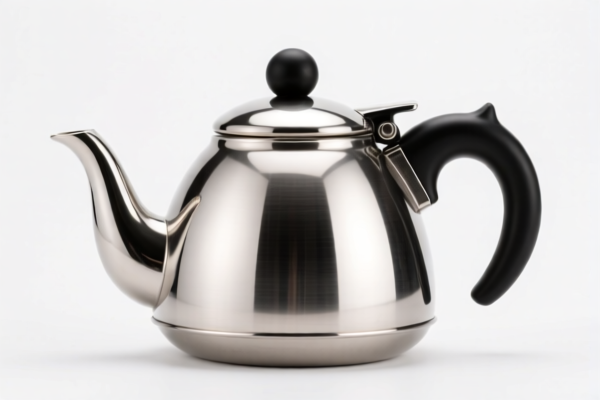
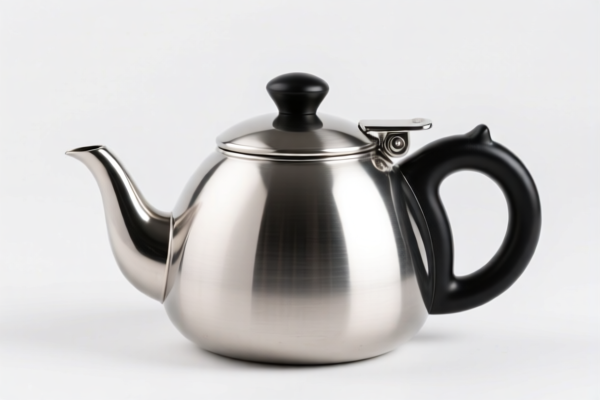
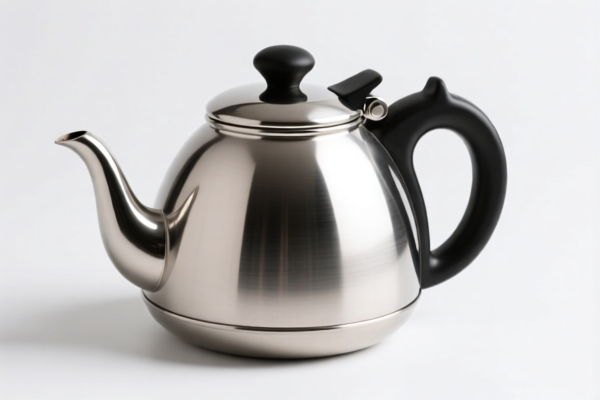
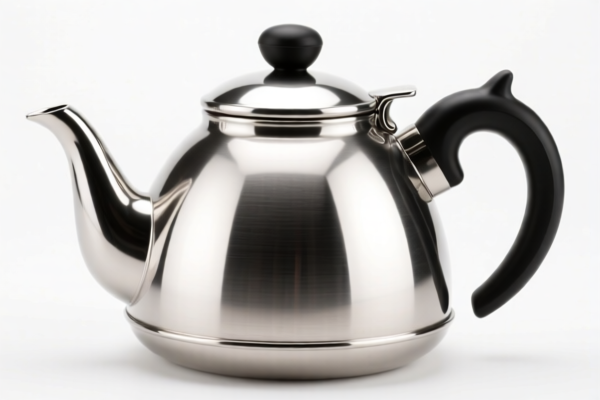
AI Analysis
☕ Stainless Steel Tea Warmer: HS Code & Customs Clearance Guide (2026 Latest)
🌐 HS Code Reference & Customs Guide | 2026 Latest Tariff Analysis | Professional Clearance Strategy
📌 1. Product Definition & Classification: What Exactly Is a "Tea Warmer"?
A Stainless Steel Tea Warmer is a device used to maintain the temperature of brewed tea. In international trade, its classification depends entirely on whether it contains heating elements or is purely a passive vessel. This distinction is critical because it determines whether the item falls under general metalware (high tariffs) or electrical appliances (lower tariffs in this specific dataset).
⚠️ Key Distinction Point:
- Passive Vessel: Stainless steel container with no power cord, plug, or heating element. → Classified under Chapter 73 (General Metalware).
- Active Electrical Device: Stainless steel container with a heating element, power cord, and temperature control. → Classified under Chapter 85 (Electrical Machinery).
📦 2. HS Code Classification Details (Based on Provided Data)
According to the provided dataset, there are two main categories for stainless steel tea warmers:
A. Passive Stainless Steel Tea Pots/Warmers (Non-Electric)
These are simple vessels made of stainless steel, designed for holding tea but not for active heating.
| HS Code | Product Description | Summary from Data | Total Tax Rate |
|---|---|---|---|
7323.93.00.15 |
Stainless steel tea pot (Household cookware/vessel) | "Stainless steel tea pot, fits household cookware/vessel category" | 62.0% |
7323.93.00.35 |
Stainless steel tea pot (Household item) | "Stainless steel tea pot, belongs to household items category" | 62.0% |
🔍 Note: Both codes in Chapter 73 result in the same high tax rate due to additional duties. These are likely misclassified if the product is actually electric, or they represent purely passive thermal vessels.
B. Electric Stainless Steel Heaters/Apparatus
These devices have heating components and require electricity.
| HS Code | Product Description | Summary from Data | Total Tax Rate |
|---|---|---|---|
8516.71.00.80 |
Stainless steel electric heater (Tea machine/kettle) | "Stainless steel electric heater, for tea machines or kettles" & "Stainless steel/aluminum tea pot, other electric heaters" | 21.2% |
8516.79.00.00 |
Stainless steel electric water heater/container | "Stainless steel electric water heater or electric container" | 12.7% |
🔍 Note: The
8516codes offer significantly lower tax rates (12.7% - 21.2%) compared to the passive metalware codes (62.0%). Correct classification is crucial for cost savings.
💰 3. 2026 Latest Tariff Rate Breakdown (Including Surtaxes & Policies)
✅ Applicable Country: United States (US)
✅ Origin: China (CN)
✅ Effective Time: Current rates apply as per provided data.
🎯 1. 7323.93.00.15 & 7323.93.00.35 —— Passive Stainless Steel Tea Pots/Warmers
| Item | Content |
|---|---|
| Base Tariff | 2.0% (ad valorem) |
| Section 301 Surcharge | 0.0% (Not applicable for these specific codes in this data context) |
| Section 122 Surcharge | 10% (Specific to certain steel/aluminum/copper products) |
| "122 Clause" Steel/Alu/Copper Surcharge | 50% (High additional duty on steel/aluminum products) |
| Total Tax Rate | 62.0% |
| Tax Calculation | CIF Value × 62% |
| Legal Basis Path | Base: 2.0% → Sec 122: 10% → Steel/Alu Surcharge: 50% |
📌 Explanation:
- The 62% total rate is extremely high. It is driven primarily by the 50% additional surcharge on steel/aluminum products.
- Even though the base tariff is low (2%), the additional duties make passive stainless steel tea vessels very costly to import into the US if they are classified under these specific codes.
- Strategy Alert: If your product is electric, do NOT use these codes. Use Chapter 85 codes instead to save ~40-50% in taxes.
🎯 2. 8516.71.00.80 —— Electric Stainless Steel Heaters (Tea Machines/Kettles)
| Item | Content |
|---|---|
| Base Tariff | 3.7% (ad valorem) |
| Section 301 Surcharge | 7.5% |
| Section 122 Surcharge | 10% |
| Total Tax Rate | 21.2% |
| Tax Calculation | CIF Value × 21.2% |
| Legal Basis Path | Base: 3.7% → Sec 301: 7.5% → Sec 122: 10% |
📌 Explanation:
- This code is for electric devices like tea machines or electric kettles.
- The total tax is 21.2%, which is significantly lower than the 62% for passive steel items.
- This applies if the "tea warmer" has a heating element and plug.
🎯 3. 8516.79.00.00 —— Electric Water Heaters/Containers (Other)
| Item | Content |
|---|---|
| Base Tariff | 2.7% (ad valorem) |
| Section 301 Surcharge | 0.0% |
| Section 122 Surcharge | 10% |
| Total Tax Rate | 12.7% |
| Tax Calculation | CIF Value × 12.7% |
| Legal Basis Path | Base: 2.7% → Sec 122: 10% |
📌 Explanation:
- This is the most favorable tax rate (12.7%) for stainless steel electric warmers.
- Applies to "electric water heaters or electric container-type appliances."
- If your product is an electric thermal maintenance unit for tea, this code offers the maximum cost saving.
🛠️ 4. Customs Clearance Practical Advice (Battle-Tested Pitfall Guide)
✅ 1. Document Preparation Checklist (Non-negotiable)
| Document | Required | Explanation |
|---|---|---|
| ✅ Product Specification Sheet | ✔️ | Must clearly state: "Electric" vs. "Non-Electric", Voltage (110V/220V), Power (Watts), Material (Stainless Steel Grade). |
| ✅ Circuit Diagram | ✔️ | Critical for proving it is an electrical device. If no circuit diagram, customs may classify it as passive metalware (62% tax). |
| ✅ Product Photos (with Nameplate) | ✔️ | Must show power cord, plug, buttons, and indicator lights if electric. |
| ✅ Commercial Invoice | ✔️ | Describe as: "Electric Stainless Steel Tea Warmer, Model XYZ, 120V, 500W, with Temperature Control" |
| ✅ Packing List | ✔️ | Include all accessories (power cord, base, etc.). |
✅ 2. Declaration Tips (Key Mantra)
🔥 "Electric Gets Lower Tax, Passive Gets High Tax! Declare Correctly!"
| Scenario | Correct Declaration | Wrong Practice | Consequence |
|---|---|---|---|
| Electric Heater | 8516.71.00.80 or 8516.79.00.00 |
Call it "Stainless Steel Pot" | Risk of reclassification to 7323.93 → 62% Tax |
| Passive Vessel | 7323.93.00.15 |
Call it "Electric Heater" | Misdeclaration, potential fines |
| Heater + Base | Declare as Whole Unit | Split "Pot" and "Base" | Base might be classified separately with high rates |
✅ 3. Special Case Handling
| Situation | Recommendation |
|---|---|
| Hybrid Devices (Can heat, can be passive) | Always declare as Electric. Provide proof of heating function. The 12.7%-21.2% rate is far better than 62%. |
| Material Composition | Ensure it is clearly "Stainless Steel." If it contains significant aluminum, the 50% steel/aluminum surcharge might still apply under 7323, but 8516 codes have different surcharge structures (see data). |
| OEM/White Label | Ensure the invoice lists the actual manufacturer and country of origin. Origin affects tax eligibility. |
🌍 5. Global Market Customs Comparison (2026 Latest)
| Country/Region | Recommended HS Code | Tax Rate | Certification | Notes |
|---|---|---|---|---|
| 🇺🇸 USA | 8516.79.00.00 (Best) |
12.7% | UL/ETL + FCC | Avoid 7323 (62% Tax) |
| 🇨🇳 China | 8516.71.00 |
~10-13% | CCC | Lower base tariffs |
| 🇪🇺 EU | 8516.71 |
0-4% | CE + RoHS | No Section 122 style surcharges |
| 🇯🇵 Japan | 8516.71 |
0% | PSE | No additional duties |
📌 Conclusion:
- The US market is the most sensitive to HS Code classification for stainless steel items.
- Wrong classification can cost you ~50% extra in taxes.
- Always prioritize Chapter 85 (Electric) over Chapter 73 (Metalware) if the product has any heating element.
📌 6. Common Mistakes & Pitfall Guide (Blood & Tears Lessons)
❌ Mistake 1: Declaring an electric tea warmer as a stainless steel pot (7323.93)
👉 Result: You pay 62% tax instead of 12.7%. Loss: ~50% of product value in tax!
❌ Mistake 2: Failing to provide circuit diagrams for electric products
👉 Result: Customs assumes it's passive metalware → Reclassified to 7323 → 62% Tax.
❌ Mistake 3: Using vague descriptions like "Tea Container"
👉 Result: Customs officers use their best judgment, which often defaults to higher-tariff categories.
✅ Correct Declaration Example:
"Electric Stainless Steel Tea Warmer, Model TW-100, 120V/60Hz, 400W, Temperature Control Range 40-90°C, with Cord, FCC & UL Certified."
HS Code:8516.79.00.00→ Tax: 12.7%
🎯 7. Conclusion: Precise Classification = Maximum Profit!
🎯 Remember the Mantra:
🔹 "Electric Heaters: Chapter 85, Tax 12-21%. Steel Pots: Chapter 73, Tax 62%!"
🔹 "One wire makes a huge difference. Declare electric, save half!"
📌 Pro Tip:
If your product is originating from Vietnam, Mexico, or Thailand, you may qualify for IEEPA exemptions or lower tariffs. However, China-origin electric warmers still face the surcharges shown above.
Recommendation: Apply for a Pre-Ruling (Advance Ruling) with US Customs (CBP) to confirm the HS Code before shipment.
📣 Take Action Now:
📞 Contact your freight forwarder to review product specs.
📄 Prepare circuit diagrams and photos.
🚀 Declare under8516for electric items to save up to 50% in taxes!
✨ Professional customs clearance starts with accurate classification!
💼 Your bottom line depends on these two digits: 73 vs. 85!
Customer Reviews
About HS Code Classification
The Harmonized System (HS) is an internationally standardized nomenclature developed by the World Customs Organization (WCO) to classify traded products. Over 200 countries use the HS system as the basis for customs tariffs, trade statistics, and import/export regulations.
Each HS code follows a hierarchical structure:
- Chapter (2 digits) — Broad category of goods (e.g., Chapter 84: Machinery and Mechanical Appliances)
- Heading (4 digits) — More specific grouping within the chapter
- Subheading (6 digits) — Internationally standardized breakdown, used by all WCO member countries
- National subdivisions (8-10 digits) — Country-specific extensions for further classification, such as US HTSUS 10-digit codes
Correct HS code classification is essential for smooth customs clearance, accurate duty payment, and compliance with trade regulations. Misclassification can lead to customs delays, overpayment of duties, or penalties.
When importing from CN to US, the applicable tariff rates may include:
- Most-Favored-Nation (MFN) rate — The standard duty rate applied to WTO members
- General rate — Applied to countries without trade agreements
- Trade remedy duties — Additional tariffs such as Section 301 (anti-dumping), Section 232 (national security), or countervailing duties
The information provided on this page is for reference purposes only. For official classification, please consult with your local customs authority or a licensed customs broker.