Stainless Steel Teapot
CN → US| HS Code | Tariff Rate | Origin | Destination | Doc |
|---|---|---|---|---|
| 8516710080 | 21.2% | CN | US | Official Doc |
| 7323930035 | 62.0% | CN | US | Official Doc |
| 7323930015 | 62.0% | CN | US | Official Doc |
| 7615107155 | 63.1% | CN | US | Official Doc |
| 8516710080 | 21.2% | CN | US | Official Doc |
Product Images
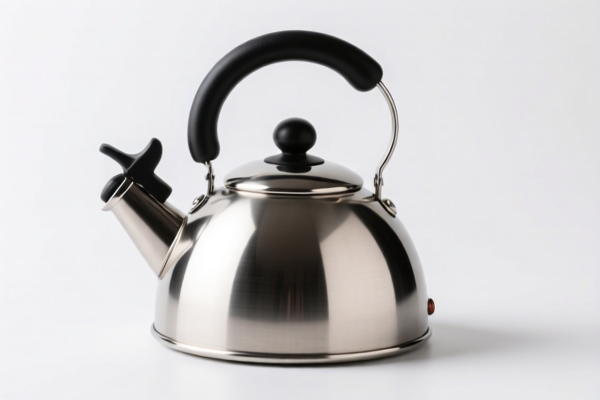
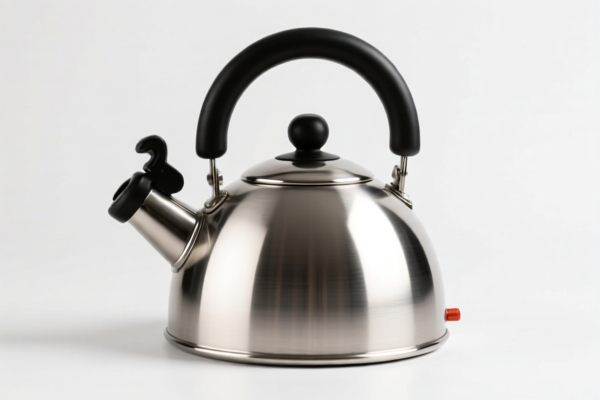
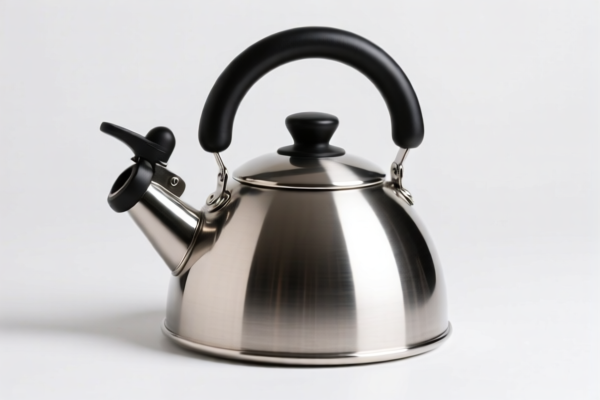
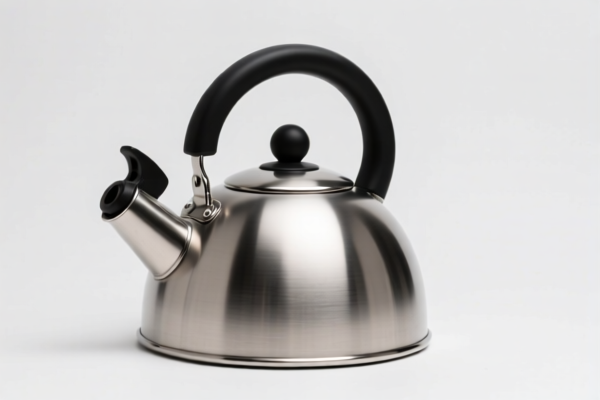
AI Analysis
🍵 Stainless Steel Teapot: HS Code Classification & Duty Breakdown (2026 Guide)
🌐 HS Code Reference & Customs Clearance Guide | 2026 Latest Tariff Analysis | Professional Clearance Strategy
📌 1. Product Definition & Classification: What Exactly is a "Stainless Steel Teapot"?
A "Stainless Steel Teapot" is a broad term that can refer to two distinct types of products in international trade, leading to vastly different HS Code classifications and tax liabilities. The key differentiator is functionality and heat source.
1. Electric Teakettle (Electric Tea Maker):
- Contains heating elements, internal circuits, and power cords.
- Classified under Chapter 85 (Electrical machinery).
- Key Feature: Heats water electronically.
2. Manual Stainless Steel Teapot:
- A simple container for steeping tea, made of stainless steel.
- No heating elements or electrical components.
- Classified under Chapter 73 (Articles of iron or steel).
- Key Feature: Used with an external heat source (stove) or for pouring hot water from a kettle.
⚠️ Critical Distinction:
- If it has a plug, cord, or heating element → Go to 8516.71.00.80 (Lowest Tax!).
- If it is purely metallic/manual → Go to 7323.93 or 7615.10 (High Tax due to Section 301 & 232 tariffs!).
📦 2. HS Code Classification Details (2026 Latest Tariff Authority)
Based on the provided data, here are the specific classifications for stainless steel tea-related products:
| HS Code | Product Description | Applicable Scenario | Material/Function |
|---|---|---|---|
8516.71.00.80 |
Stainless Steel Electric Kettle (Tea Maker) | Electric tea makers, automatic brewing devices | ✅ Electrical Heating Element |
7323.93.00.35 |
Stainless Steel Household Teapot (Non-Heating) | Traditional manual teapots, stainless steel household items | ✅ Stainless Steel (Iron/Steel) |
7323.93.00.15 |
Stainless Steel Teapot (Material & Use Compliant) | Pure stainless steel teapots, no electrical parts | ✅ Stainless Steel (Iron/Steel) |
7615.10.71.55 |
Aluminum Teapot (Labeled "Stainless" but Mainly Aluminum) | Cookware classified as aluminum, despite branding | ✅ Aluminum (Mixed Metal) |
🔍 Key Insight:
- Electrical (8516): Subject to 21.2% total tax.
- Non-Electrical Steel (7323): Subject to 62.0% total tax due to Section 301 (50%) and Section 232 (10%).
- Aluminum (7615): Also subject to 63.1% total tax due to similar additional tariffs.
💰 3. 2026 Latest Tariff Rate Breakdown (Including Additional Taxes)
✅ Applicable Country: United States (US)
✅ Origin: China (CN)
✅ Effective Date: 2025-11-10 onwards (includes subsequent imports)
🎯 1. 8516.71.00.80 —— Stainless Steel Electric Kettle (Tea Maker)
| Item | Details |
|---|---|
| Base Tariff | 3.7% |
| Section 301 Additional Duty | 7.5% |
| Section 232 Tariff (122 Clause) | 10% |
| Total Tax Rate | 21.2% |
| Calculation Method | CIF Value × 21.2% |
| De Minimis Exemption | ❌ Not Applicable (High risk of audit for electric items) |
| Legal Basis Path | HTSUS:8516.71.00.80 → 301List3 → 232Clause122 |
📌 Explanation:
- This is the most cost-effective classification for electric tea makers.
- The total duty is significantly lower than non-electrical steel pots.
- Note: Ensure the product is clearly declared as an "Electric Tea Maker" or "Heated Kettle" to avoid misclassification as steel cookware.
🎯 2. 7323.93.00.35 & 7323.93.00.15 —— Stainless Steel Manual Teapot
| Item | Details |
|---|---|
| Base Tariff | 2.0% |
| Section 301 Additional Duty | 0.0% |
| Section 232 Tariff (Iron/Steel Articles) | 10% |
| Section 301 Steel/Aluminum/Copper Surcharge | 50% |
| Total Tax Rate | 62.0% |
| Calculation Method | CIF Value × 62.0% |
| De Minimis Exemption | ❌ Not Applicable |
| Legal Basis Path | HTSUS:7323.93.00.15 → 232IronSteel → 301Section3 |
📌 Explanation:
- High Tax Alert! These codes fall under "Iron or Steel Articles" subject to the 50% Section 301 surcharge.
- The base tariff is low (2.0%), but the additional tariffs drive the total to 62%.
- Risk: Misclassifying an electric kettle as a manual teapot to avoid taxes can lead to severe penalties, back taxes, and seizure.
🎯 3. 7615.10.71.55 —— Aluminum Teapot (Labeled "Stainless" but Mainly Aluminum)
| Item | Details |
|---|---|
| Base Tariff | 3.1% |
| Section 301 Additional Duty | 0.0% |
| Section 232 Tariff (Aluminum Articles) | 10% |
| Section 301 Steel/Aluminum/Copper Surcharge | 50% |
| Total Tax Rate | 63.1% |
| Calculation Method | CIF Value × 63.1% |
| De Minimis Exemption | ❌ Not Applicable |
| Legal Basis Path | HTSUS:7615.10.71.55 → 232Aluminum → 301Section3 |
📌 Explanation:
- Even if labeled "Stainless Steel" on the packaging, if the primary material is aluminum, it falls under Chapter 76.
- It is subject to the same 50% Section 301 surcharge as steel products.
- Total tax is 63.1%, making it the most expensive option.
🛠️ 4. Customs Clearance Practical Advice (Avoiding Pitfalls)
✅ 1. Preparation Checklist (Non-Negotiable)
| Document | Required | Notes |
|---|---|---|
| ✅ Product Specification Sheet | ✔️ | Clearly state: Electric vs. Manual; Material (Steel/Aluminum); Voltage/Wattage (if electric). |
| ✅ Product Photos | ✔️ | Must show: Plugs/cords (if electric), brand label, material composition. |
| ✅ Bill of Lading & Invoice | ✔️ | HS Code must match the product description exactly. |
| ✅ Material Composition Statement | ✔️ | If aluminum, provide proof. If steel, specify grade if possible. |
✅ 2. Classification Strategy (Key Takeaways)
🔥 “Electric = 8516 (21.2%), Steel/Aluminum = 73/76 (62-63%)!”
| Scenario | Correct HS Code | Total Tax | Reason |
|---|---|---|---|
| Electric Tea Maker | 8516.71.00.80 |
21.2% | Classified as electrical appliance; lower additional tariffs. |
| Manual Stainless Steel Pot | 7323.93.00.15/35 |
62.0% | Classified as iron/steel article; subject to 50% Section 301. |
| Aluminum Teapot | 7615.10.71.55 |
63.1% | Classified as aluminum article; subject to 50% Section 301. |
| Mixed/Misleading Labeling | Risk of Audit | Penalties | If labeled "Stainless Steel" but is aluminum, or electric but declared manual. |
✅ 3. Special Considerations
| Situation | Advice |
|---|---|
| OEM Customization | Ensure the supplier’s spec sheet matches the declared HS Code. If it’s electric, it must go under 8516. |
| Bundled Items | If a teapot is sold with a warmer (electric), the entire set may be classified under 8516. Do not split declaration. |
| Mislabeling Risk | Do not declare an electric kettle as a "Stainless Steel Teapot" (7323) to avoid taxes. This is customs fraud. |
| Aluminum Content | If the teapot is made of aluminum but labeled "Stainless Steel," it will be reclassified to 7615.10.71.55 and taxed at 63.1%. |
🌍 5. Global Market Comparison (2026 Latest)
| Country/Region | Recommended HS Code | Tax Rate (China Origin) | Notes |
|---|---|---|---|
| 🇺🇸 USA | 8516.71.00.80 |
21.2% | Best option for electric. Steel/Aluminum: 62-63%. |
| 🇨🇳 China | 8516.71.00.80 |
~5% | No Section 301/232 tariffs. |
| 🇪🇺 EU | 8516.71.00.80 |
~7.5% | No Section 301/232 tariffs. |
| 🇬🇧 UK | 8516.71.00.80 |
~7.5% | Post-Brexit tariffs apply. |
| 🇨🇦 Canada | 8516.71.00.80 |
~7.5% | No Section 301/232 tariffs. |
📌 Conclusion:
- The US market has the highest tariff burden for steel/aluminum teapots due to Section 301.
- For electric tea makers, the US tariff is relatively low (21.2%) compared to non-electrical steel pots.
- Recommendation: If possible, focus on electric tea makers (8516.71.00.80) for the US market to minimize duty costs.
📌 6. Common Mistakes & Pitfalls (Blood Lessons)
❌ Mistake 1: Declaring an electric kettle as a "Stainless Steel Teapot" (7323)
👉 Consequence: Misclassification. Customs may audit, impose back taxes (difference between 21.2% and 62%), and fines.
❌ Mistake 2: Ignoring the Section 301 50% surcharge for steel/aluminum
👉 Consequence: Unexpected 62-63% tax bill, destroying profit margins.
❌ Mistake 3: Using "Teapot" without specifying "Electric" or "Manual"
👉 Consequence: Customs ambiguity. Risk of being classified under the higher-duty code by default.
❌ Mistake 4: Aluminum Teapot labeled as "Stainless Steel"
👉 Consequence: Reinspection, reclassification to 7615.10.71.55, and tax adjustment to 63.1%.
✅ Correct Declaration:
"ELECTRIC TEA MAKER, STAINLESS STEEL, 1.5L, 120V/60Hz, FOR HOME USE, MODEL: XYZ, CERTIFIED UL/ETL"
HS Code:8516.71.00.80
🎯 7. Conclusion: Precise Classification for Cost Efficiency
🎯 Key Takeaway:
🔹 Electric = 21.2% (
8516.71.00.80)
🔹 Manual Steel/Aluminum = 62-63% (7323.93/7615.10)
📌 Action Plan:
1. Verify Product Type: Is it electric or manual?
2. Check Material: Is it steel or aluminum?
3. Use Correct HS Code: Do not misclassify to save taxes; the risk is too high.
4. Prepare Documentation: Ensure specs match the HS Code.
📣 Immediate Action:
📞 Consult with a licensed customs broker.
📄 Provide detailed product photos and specs.
🚀 Get a Pre-Ruling from US Customs and Border Protection (CBP) if uncertain.
✨ Professional Customs Clearance Starts with Accurate Classification!
💼 Every Percent of Duty Saved is Pure Profit!
Customer Reviews
About HS Code Classification
The Harmonized System (HS) is an internationally standardized nomenclature developed by the World Customs Organization (WCO) to classify traded products. Over 200 countries use the HS system as the basis for customs tariffs, trade statistics, and import/export regulations.
Each HS code follows a hierarchical structure:
- Chapter (2 digits) — Broad category of goods (e.g., Chapter 84: Machinery and Mechanical Appliances)
- Heading (4 digits) — More specific grouping within the chapter
- Subheading (6 digits) — Internationally standardized breakdown, used by all WCO member countries
- National subdivisions (8-10 digits) — Country-specific extensions for further classification, such as US HTSUS 10-digit codes
Correct HS code classification is essential for smooth customs clearance, accurate duty payment, and compliance with trade regulations. Misclassification can lead to customs delays, overpayment of duties, or penalties.
When importing from CN to US, the applicable tariff rates may include:
- Most-Favored-Nation (MFN) rate — The standard duty rate applied to WTO members
- General rate — Applied to countries without trade agreements
- Trade remedy duties — Additional tariffs such as Section 301 (anti-dumping), Section 232 (national security), or countervailing duties
The information provided on this page is for reference purposes only. For official classification, please consult with your local customs authority or a licensed customs broker.