Stainless Steel Trash Bag Holder
CN → US| HS Code | Tariff Rate | Origin | Destination | Doc |
|---|---|---|---|---|
| 7323999040 | 88.4% | CN | US | Official Doc |
| 3924905650 | 20.9% | CN | US | Official Doc |
| 3924104000 | 13.4% | CN | US | Official Doc |
| 9403999020 | 85.0% | CN | US | Official Doc |
| 7323999080 | 88.4% | CN | US | Official Doc |
Product Images
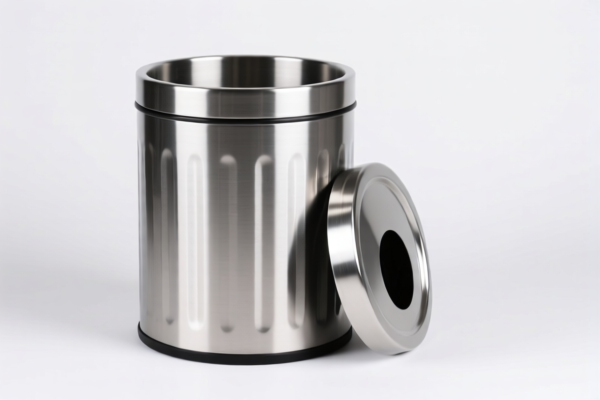
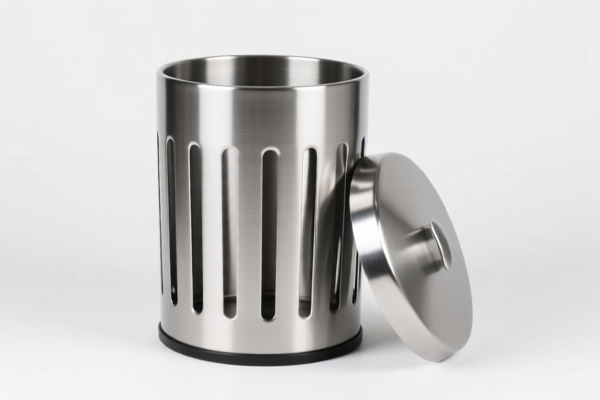
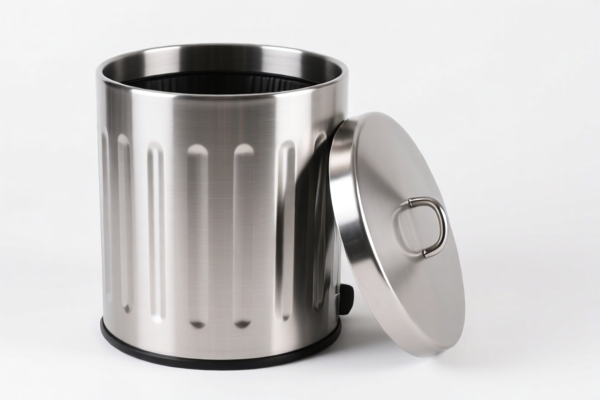
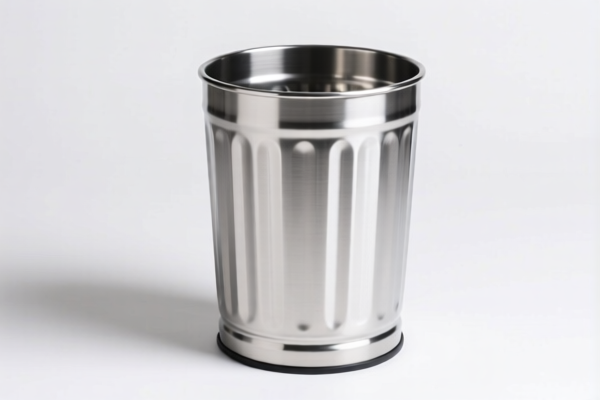
AI Analysis
🗑️ Stainless Steel Trash Bag Holder (Metal Kitchen Accessories)
🌐 HS Code Reference & Customs Clearance Guide | 2026 Latest Tariff Analysis | Professional Strategy for US Market
📌 I. Product Definition & Classification: What Exactly is a "Trash Bag Holder"?
A Stainless Steel Trash Bag Holder is a kitchen accessory designed to dispense, hang, or store plastic trash bags. In international trade, its classification is highly sensitive to material composition and functional description. Because it is made of stainless steel, it falls under Chapter 73 (Articles of Iron or Steel), but it can be misclassified into Chapter 39 (Plastics) or Chapter 94 (Furniture) depending on how the importer describes it.
Key Distinction:
- If classified as "Tableware/Kitchenware": It is seen as a utility item for food handling/cleaning. → High Tariff Risk (Section 232)
- If classified as "Furniture Part": It is seen as an accessory to a cabinet or stand. → High Tariff Risk (Section 301 + 232)
- Plastic Alternatives: If the holder were plastic, it would fall under Chapter 39 with significantly lower tariffs.
⚠️ Critical Warning for Steel Products:
Stainless steel items imported from China are subject to Section 232 Tariffs (Steel/Aluminum) which add an additional 50% on top of other duties. This is the biggest cost driver in this product category.
📦 II. HS Code Classification Matrix (2026 Latest Tariff Rules)
Based on the provided data, here is the precise breakdown for Stainless Steel Trash Bag Holders imported into the United States.
| HS Code | Product Description | Classification Logic | Total Tax Rate | Tax Breakdown Details |
|---|---|---|---|---|
| 7323.99.90.40 | Metal Trash Bag Holder | Metal Tableware/Kitchen Utensils Classified as "Other tableware, kitchenware... of iron/steel" |
88.4% | Base: 3.4% Section 301: 25.0% Section 122: 10.0% Section 232 (Steel): 50.0% |
| 9403.99.90.20 | Metal Trash Bag Holder | Furniture Parts Classified as "Parts of furniture not elsewhere specified" |
85.0% | Base: 0.0% Section 301: 25.0% Section 122: 10.0% Section 232 (Steel): 50.0% |
| 7323.99.90.80 | Iron/Steel Trash Bag Holder | Household Articles of Iron/Steel Classified as "Other articles of iron/steel for household use" |
88.4% | Base: 3.4% Section 301: 25.0% Section 122: 10.0% Section 232 (Steel): 50.0% |
🔍 Important Note:
The following codes from the input data refer to PLASTIC holders. If you are importing Stainless Steel, do NOT use these codes, as they will lead to customs rejection or penalties for misdeclaration: -3924.90.56.50(Plastic, Home Goods) → 20.9% -3924.10.40.00(Plastic, Home Goods) → 13.4%
💰 III. 2026 Tariff Rate Breakdown (US Market)
✅ Applicable Country: United States (US)
✅ Origin: China (CN)
✅ Material: Stainless Steel (Iron/Steel Category)
🎯 1. The "Steel Penalty": Section 232 Tariffs (50%)
For all three valid steel HS codes (7323.99.90.40, 9403.99.90.20, 7323.99.90.80), the single largest component of the tax is the Section 232 Tariff.
| Component | Rate | Legal Basis | Explanation |
|---|---|---|---|
| Base Duty | 3.4% | HTSUS General Rate | Standard duty for kitchen/household steel items. |
| Section 301 (China) | 25.0% | USITC Footnote | Retaliatory tariff on Chinese goods. |
| Section 122 | 10.0% | Trade Act §122 | Temporary emergency tariff (if active/applicable). |
| Section 232 (Steel/Alu) | 50.0% | 19 U.S.C. §1862 | Crucial: Applies to all steel imports to protect national security. |
| TOTAL | 88.4% | Extremely High Cost |
📌 Why is 9403.99.90.20 lower (85.0%)?
Because the Base Duty is 0.0% instead of 3.4%. However, the Section 232 (50%) and Section 301 (25%) still apply. The saving is only 3.4%, while the risk of being classified as a "furniture part" is higher during audits.
🎯 2. Comparison with Plastic Alternatives (For Cost Analysis)
If you were to switch materials to plastic, the cost structure changes drastically:
| HS Code (Plastic) | Total Tax | Key Difference |
|---|---|---|
3924.10.40.00 |
13.4% | No Section 232 (Steel) tariff. Only Base + Section 122. |
3924.90.56.50 |
20.9% | Includes Section 301 (25%) and Section 122 (10%), but no Steel tariff. |
💡 Strategic Insight:
Stainless Steel holders are ~4x to 7x more expensive in taxes than plastic ones due to the 50% Section 232 tariff.
🛠️ IV. Customs Clearance Operational Advice (Practical Pitfall Guide)
✅ 1. Declaration Strategy: "Kitchen Accessory" vs. "Furniture Part"
| Scenario | Recommended HS Code | Risk Level | Reason |
|---|---|---|---|
| Best Practice | 7323.99.90.40 | ⚠️ High Tax | Correctly identifies as "Kitchen Utensil." Clear intent for food/cleaning area. |
| Alternative | 9403.99.90.20 | ⚠️ High Tax | Only use if the holder is permanently attached to a cabinet. If freestanding, this may be challenged. |
| Avoid | 7323.99.90.80 | ⚠️ High Tax | "Household article" is vague. CBP may prefer specific "tableware" classification. |
🔥 Key Tip:
Always describe the item as "Stainless Steel Trash Bag Dispenser/Holder for Kitchen Use" rather than "Furniture Hardware." This aligns with 7323.99.90.40.
✅ 2. Documentation Requirements
| Document | Requirement | Note |
|---|---|---|
| Commercial Invoice | Must specify Material: "18/8 Stainless Steel" | Critical for triggering Section 232 verification. |
| Product Photos | Show usage in a kitchen context | Helps prove it is a "kitchen utensil" (7323) not a "furniture part" (9403). |
| HTSUS Declaration | Explicitly cite Section 232 | Do not try to hide the steel content. |
| Country of Origin | China (CN) | Triggers Section 301 (25%) and Section 232 (50%). |
✅ 3. Avoid Common Mistakes
❌ Mistake 1: Classifying steel holders under plastic codes (3924...) to save taxes.
👉 Consequence: Severe penalty, seizure of goods, and back-taxes + interest. CBP uses X-ray and material tests to detect steel.
❌ Mistake 2: Claiming "Furniture Part" (9403) to get 0% base duty.
👉 Consequence: CBP may reclassify to 7323, resulting in a different audit trail and potential delays. The 3.4% difference is negligible compared to the compliance risk.
❌ Mistake 3: Ignoring Section 232.
👉 Consequence: The 50% tariff is automatic for steel. If not declared, CBP will assess it later with penalties.
🌍 V. Global Market Comparison (2026)
| Market | Recommended HS Code | Est. Total Tax | Notes |
|---|---|---|---|
| 🇺🇸 USA | 7323.99.90.40 |
88.4% | Highest due to Section 232 + 301. |
| 🇨🇳 China | 7323.99.90.00 |
~5-10% | Lower import duties. No Section 232/301. |
| 🇪🇺 EU | 7323.99.90 |
~6.5% | No Section 232. Standard WTO rate. |
| 🇬🇧 UK | 7323.99.90 |
~6.0% | Post-Brexit rates similar to EU. |
📌 Conclusion:
The US market is uniquely punitive for stainless steel kitchen accessories from China. If possible, consider: 1. Material Shift: Switch to Plastic (HS 3924) to reduce tax from 88.4% to ~13-21%. 2. Third-Country Assembly: Assemble final product in Vietnam/Mexico (requires substantial transformation rules to avoid "transshipment" penalties). 3. Value Engineering: Use coated carbon steel instead of stainless if durability allows, but check Section 232 applicability (it applies to most steel).
📌 VI. Summary & Action Plan
🎯 Final Recommendation:
For Stainless Steel Trash Bag Holders imported to the US:
1. HS Code: Use 7323.99.90.40 (Metal Tableware/Kitchen Utensils).
2. Total Tax Budget: Prepare for 88.4% duty (3.4% Base + 25% 301 + 10% 122 + 50% 232).
3. Documentation: Clearly label as "Stainless Steel Kitchen Accessory."
4. Strategic Pivot: If the 88.4% tax erodes margins, strongly consider switching to Plastic (3924.10.40.00) to reduce tax to 13.4%.
🔥 Golden Rule:
"Steel brings the 50% Penalty. Plastic brings the Savings."
Choose your material based on tax efficiency, not just aesthetics.
📣 Immediate Action:
✅ Calculate landed cost with 88.4% tax.
✅ Compare with plastic alternative (13.4% tax).
✅ Consult a customs broker to confirm "Section 232" applicability for your specific steel alloy.
✨ Smart Clearance, Smart Profit!
💼 Don't let hidden tariffs steal your margin!
Customer Reviews
About HS Code Classification
The Harmonized System (HS) is an internationally standardized nomenclature developed by the World Customs Organization (WCO) to classify traded products. Over 200 countries use the HS system as the basis for customs tariffs, trade statistics, and import/export regulations.
Each HS code follows a hierarchical structure:
- Chapter (2 digits) — Broad category of goods (e.g., Chapter 84: Machinery and Mechanical Appliances)
- Heading (4 digits) — More specific grouping within the chapter
- Subheading (6 digits) — Internationally standardized breakdown, used by all WCO member countries
- National subdivisions (8-10 digits) — Country-specific extensions for further classification, such as US HTSUS 10-digit codes
Correct HS code classification is essential for smooth customs clearance, accurate duty payment, and compliance with trade regulations. Misclassification can lead to customs delays, overpayment of duties, or penalties.
When importing from CN to US, the applicable tariff rates may include:
- Most-Favored-Nation (MFN) rate — The standard duty rate applied to WTO members
- General rate — Applied to countries without trade agreements
- Trade remedy duties — Additional tariffs such as Section 301 (anti-dumping), Section 232 (national security), or countervailing duties
The information provided on this page is for reference purposes only. For official classification, please consult with your local customs authority or a licensed customs broker.