Stainless Steel Vacuum Insulated Cup
CN → US| HS Code | Tariff Rate | Origin | Destination | Doc |
|---|---|---|---|---|
| 9617001000 | 17.2% | CN | US | Official Doc |
| 7323930045 | 62.0% | CN | US | Official Doc |
| 7323930060 | 62.0% | CN | US | Official Doc |
| 9617003000 | 16.9% | CN | US | Official Doc |
| 8516790000 | 12.7% | CN | US | Official Doc |
Product Images
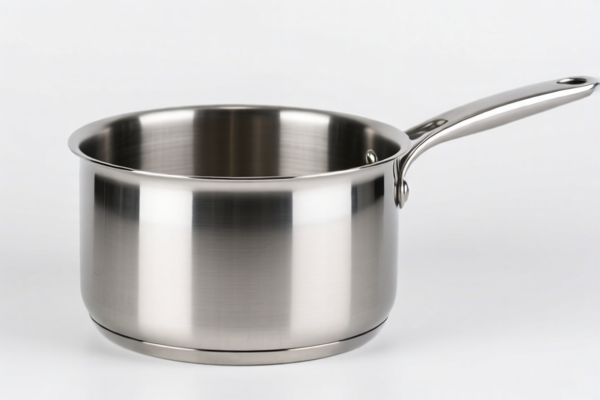
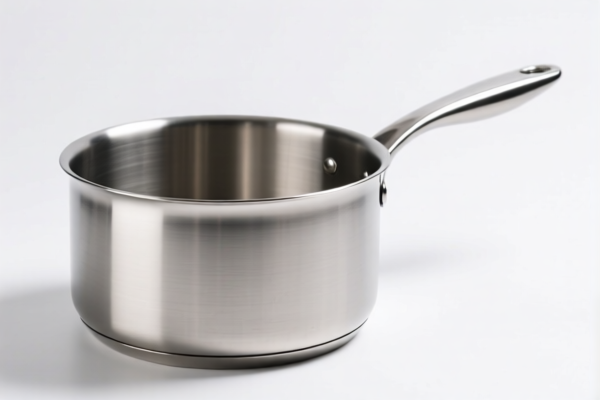
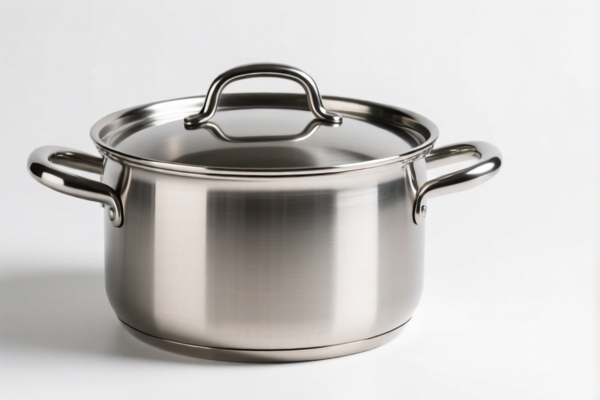
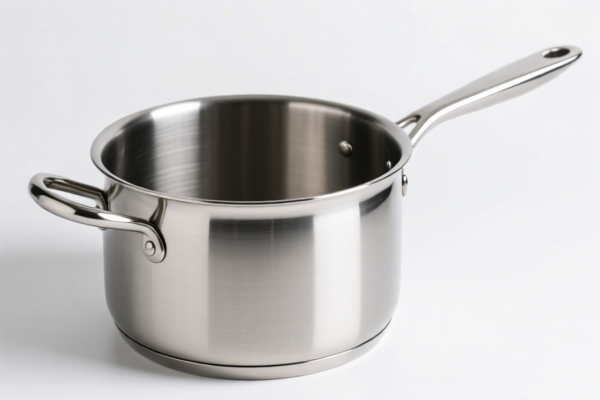
AI Analysis
🥤 Stainless Steel Vacuum Insulated Cup (The "Thermal Warrior")
🌐 HS Code Reference & Customs Clearance Guide | 2026 Latest Tariff Analysis | Professional Clearance Strategy
📌 I. Product Definition & Classification: Are You Classifying Your "Thermal Cup" Correctly?
The Stainless Steel Vacuum Insulated Cup is a ubiquitous consumer good in global trade. However, in customs classification, it is highly fragmented. The Harmonized System (HS) does not have a single, unified code for "insulated cups." Instead, it splits them based on functional definition (is it a container or an appliance?) and material composition.
This fragmentation leads to massive tariff disparities, ranging from 12.7% to a staggering 62.0% for Chinese-origin goods entering the US market. Misclassification can lead to severe financial penalties and shipment delays.
⚠️ Key Distinction Logic:
- Non-Electrical Thermal Containers: If it relies solely on vacuum insulation (no battery, no heating element) →归入 Chapter 96 (Miscellaneous Manufactured Articles) or Chapter 73 (Articles of Iron/Steel) depending on perceived primary use.
- Electrical Heated Cups: If it has a plug, battery, or auto-heating function → Strictly归入 Chapter 85 (Electrical Machinery & Equipment).
- Kitchenware Classification: If declared as general kitchen utensils without emphasizing the "vacuum/thermal" aspect properly → 归入 Chapter 73.
📦 II. HS Code Classification Details (2026 Latest Tariff Authority Comparison)
| HS Code | Product Description | Applicability Scenario | Key Feature |
|---|---|---|---|
9617.00.10.00 |
Vacuum flasks and other vacuum vessels, of stainless steel. | Best Case Scenario: Recognized specifically as a thermal vessel. | ✅ Dedicated Thermal Category |
9617.00.30.00 |
Vacuum flasks and other vacuum vessels, other than of stainless steel (Note: Data indicates Stainless Steel here, likely a sub-category nuance or specific material variant in this dataset). | Alternative Thermal Category: Similar to above but may differ in material composition details or specific sub-headings. | ✅ Dedicated Thermal Category |
7323.93.00.45 |
Articles of stainless steel, other. | High Risk: Classified as general stainless steel kitchenware/cooking ware. | ❌ General Metal Article |
7323.93.00.60 |
Articles of stainless steel, other. | High Risk: Similar to above, classified under general kitchen utensils logic. | ❌ General Metal Article |
8516.79.00.00 |
Electro-thermic domestic appliances, other. | Specific Use: Only applicable if the cup has electric heating/temperature control features. | ⚡ Electrical Appliance |
🔍 Critical Insight:
- The same physical product (a stainless steel vacuum flask) can be taxed at 17.2% or 62.0% depending on which chapter the customs officer decides it belongs to.
- Chapter 96 (9617) is the "Gold Standard" for vacuum flasks because it specifically addresses "Vacuum Vessels."
- Chapter 73 (7323) treats it as a generic steel pot or cup, triggering heavy Section 301/IEEPA penalties.
💰 III. 2026 Latest Tariff Rate Breakdown (Including Add-ons, Policy Surcharges)
✅ Applicable Country: United States (US)
✅ Origin: China (CN)
✅ Effective Date: Post-2025 Trade Policy Adjustments (Section 301 & IEEPA)
🎯 1. 9617.00.10.00 —— Vacuum Flasks (Stainless Steel) - THE OPTIMAL CODE
| Item | Content |
|---|---|
| Base Duty Rate | 7.2% |
| Section 301 Add-on | 0.0% (Note: Some thermal vessels may be exempt or lower rate in specific subsets, but here listed as 0% base add-on in this specific data point) |
| Section 122 Add-on | 10.0% (Specific trade provision) |
| Steel/Aluminum/Copper Surcharge | 0.0% (Not applicable as it's classified under Chapter 96, not Chapter 73) |
| Total Effective Rate | 17.2% |
| Calculation | CIF Value × 17.2% |
| De Minimis Exemption | ❌ Not Applicable (Small packages of stainless steel/vacuum flasks are generally scrutinized, especially from China) |
| Legal Basis | HTSUS:9617.00.10.00 |
📌 Explanation:
This is the most favorable classification. By proving the item is a "Vacuum Vessel" under Chapter 96, you avoid the punitive "Steel/Aluminum/Copper" surcharge. The total tariff is a manageable 17.2%.
🎯 2. 9617.00.30.00 —— Other Vacuum Vessels
| Item | Content |
|---|---|
| Base Duty Rate | 6.9% |
| Section 301 Add-on | 0.0% |
| Section 122 Add-on | 10.0% |
| Steel Surcharge | 0.0% |
| Total Effective Rate | 16.9% |
| Calculation | CIF Value × 16.9% |
📌 Note:
Very similar to9617.00.10.00. If your product specs slightly vary (e.g., different lining material or specific structural design), this code may apply. Still highly favorable compared to Chapter 73.
🎯 3. 7323.93.00.45 & 7323.93.00.60 —— Stainless Steel Articles (Kitchenware) - THE HIGH COST TRAP
| Item | Content |
|---|---|
| Base Duty Rate | 2.0% |
| Section 301 Add-on | 0.0% |
| Section 122 Add-on | 10.0% |
| Steel/Aluminum/Copper Surcharge | 50.0% (CRITICAL PENALTY) |
| Total Effective Rate | 62.0% |
| Calculation | CIF Value × 62.0% |
📌 WARNING:
- This classification treats your vacuum flask as a generic stainless steel kitchen pot/cup.
- Because it falls under Chapter 73 (Iron/Steel articles), it triggers the 50% punitive tariff on steel products.
- Result: Your tax bill is 3.6x higher than the9617classification.
- Common Mistake: Declaring it simply as "Stainless Steel Cup" without emphasizing "Vacuum Insulated" leads officers to default to this high-tax category.
🎯 4. 8516.79.00.00 —— Electro-thermic Appliances
| Item | Content |
|---|---|
| Base Duty Rate | 2.7% |
| Section 301 Add-on | 0.0% |
| Section 122 Add-on | 10.0% |
| Steel Surcharge | 0.0% |
| Total Effective Rate | 12.7% |
| Calculation | CIF Value × 12.7% |
📌 Applicability:
- ONLY for cups with electric heating elements, USB charging ports, or digital temperature displays.
- If your product is purely passive (no electricity), you CANNOT use this code. Misclassification here leads to fraud allegations.
🛠️ IV. Customs Clearance Practical Advice (Pitfall Avoidance Guide)
✅ 1. Preparation Checklist (Non-Negotiable)
| Document | Required | Explanation |
|---|---|---|
| ✅ Product Specification Sheet | ✔️ | Must explicitly state "Vacuum Insulated", "Double-Wall", "Thermal Retention Time" (e.g., 12 hours hot). |
| ✅ Photographs (Internal/External) | ✔️ | Show the vacuum seal gap between walls. Proof of insulation is key to claiming Chapter 96. |
| ✅ Commercial Invoice | ✔️ | Description must read: "Stainless Steel Vacuum Insulated Thermal Flask, No Electrical Components". Avoid vague terms like "Steel Cup." |
| ✅ Certificate of Origin | ✔️ | Mandatory for determining Section 301/IEEPA applicability. |
| ✅ Packaging Photos | ✔️ | Show if it's sold as a set. If sold with a charging cable, it becomes Chapter 85! |
✅ 2. Declaration Strategy (The "Classification Hack")
🔥 Golden Rule:
"Define by Function (Vacuum), Not by Material (Steel)!"
| Scenario | Recommended HS Code | Strategy |
|---|---|---|
| Passive Vacuum Flask | 9617.00.10.00 or 9617.00.30.00 |
Emphasize "Vacuum Vessel". Highlight thermal performance. Argue it is a "Miscellaneous Manufactured Article" specialized for thermal retention. |
| Passive Cup (No Vacuum) | 7323.93.00.xx |
If it's just a steel cup (no insulation), you have no choice but to pay the 62%. Improve product to add vacuum insulation to switch to Ch.96. |
| Heated/Electric Cup | 8516.79.00.00 |
Clearly state "Electro-thermic". Include voltage/wattage. Do not claim it is vacuum-only. |
| Mixed Package (Flask + Charger) | 8516.79.00.00 |
If sold together, the electrical function may dominate the classification. Split shipments if possible to optimize tax. |
✅ 3. Special Situations & Risk Management
| Situation | Handling Advice |
|---|---|
| Customs Inquiry on "Vacuum" | Provide a cross-section diagram showing the air-tight vacuum layer between inner and outer walls. |
| OEM/Private Label | Ensure your invoice matches the brand specifications. If the brand claims "Advanced Thermal Tech," use Ch.96. If it claims "Durable Steel," Ch.73 might be forced. |
| Gift Sets (Flask + Coaster) | The flask dominates the classification. Declare as "Thermal Cup" with accessories listed as "non-value-added." |
| High-Value Luxury Flasks | Even luxury items in stainless steel vacuum form should be 9617. Do not let the "luxury" tag push you to Ch.73. |
🌍 V. Global Market Comparison (2026 Outlook)
| Region | Preferred HS Code | Est. Tax Rate (CN Origin) | Note |
|---|---|---|---|
| 🇺🇸 USA | 9617.00.10.00 |
17.2% | Avoid 7323 (62%)! Critical to prove "Vacuum" feature. |
| 🇪🇺 EU | 9617.00.10.00 |
~5-10% | Generally lower base duties. No Section 301 equivalents. |
| 🇨🇳 China (Export) | 9617.00.10.00 |
0% (Export Duty) | China does not tax exports for this item, but destination tax matters. |
| 🇬🇧 UK | 9617.00.10.00 |
~12-15% | Post-Brexit tariff structure similar to EU but with own preferences. |
📌 Conclusion:
The USA is the most aggressive market regarding steel tariffs. The difference between 17.2% and 62.0% is life-changing for margins. You MUST fight for Chapter 96.
📌 VI. Common Errors & Blood-Curdling Lessons
❌ Error 1: Declaring as "Stainless Steel Cup" (Generic)
👉 Consequence: Customs defaults to 7323 → 62% Tax!
👉 Fix: Always use the term "Vacuum Insulated Flask/Cup."
❌ Error 2: Mixing Electrical Accessories in the Same Box
👉 Consequence: Entire shipment reclassified to 8516 or complex split rulings → Delays & Audits.
👉 Fix: Ship heaters/cups separately.
❌ Error 3: Ignoring the "Section 122" or "Steel Surcharge" Logic
👉 Consequence: Budgeting for 10% tax, receiving a bill for 62%.
👉 Fix: Model your Landed Cost using the Highest Likely Risk (62%) until you get a pre-ruling.
🎯 VII. Conclusion: Precision in Classification, Profit in Clearance!
🎯 Remember the Mantra:
🔹 "Vacuum is King (Ch.96), Steel is a Trap (Ch.73)!"
🔹 "17.2% vs 62.0%: A 45% Gap decided by Two Words: 'Vacuum Insulated'!"
📌 Pro Tip:
For high-volume shipments to the US, consider applying for an Advance Ruling (Customs Ruling) with CBP (U.S. Customs and Border Protection) specifically for "Vacuum Insulated Stainless Steel Containers." This legally binds the customs office to the 17.2% rate, protecting you from arbitrary shifts to the 62% steel tariff.
📣 Immediate Action:
📞 Update your Invoice Descriptions to: "Stainless Steel Vacuum Insulated Thermal Flask, Non-Electrical, Model XYZ"
🚀 Secure your margin. Clarify your function. Avoid the Steel Penalty.
✨ Professional Customs Clearance Starts with Precise Classification!
💼 Every percentage point saved is profit earned!
Customer Reviews
About HS Code Classification
The Harmonized System (HS) is an internationally standardized nomenclature developed by the World Customs Organization (WCO) to classify traded products. Over 200 countries use the HS system as the basis for customs tariffs, trade statistics, and import/export regulations.
Each HS code follows a hierarchical structure:
- Chapter (2 digits) — Broad category of goods (e.g., Chapter 84: Machinery and Mechanical Appliances)
- Heading (4 digits) — More specific grouping within the chapter
- Subheading (6 digits) — Internationally standardized breakdown, used by all WCO member countries
- National subdivisions (8-10 digits) — Country-specific extensions for further classification, such as US HTSUS 10-digit codes
Correct HS code classification is essential for smooth customs clearance, accurate duty payment, and compliance with trade regulations. Misclassification can lead to customs delays, overpayment of duties, or penalties.
When importing from CN to US, the applicable tariff rates may include:
- Most-Favored-Nation (MFN) rate — The standard duty rate applied to WTO members
- General rate — Applied to countries without trade agreements
- Trade remedy duties — Additional tariffs such as Section 301 (anti-dumping), Section 232 (national security), or countervailing duties
The information provided on this page is for reference purposes only. For official classification, please consult with your local customs authority or a licensed customs broker.