Standard Shoe Covers
CN → US| HS Code | Tariff Rate | Origin | Destination | Doc |
|---|---|---|---|---|
| 6405902000 | 21.3% | CN | US | Official Doc |
| 6405209015 | 22.5% | CN | US | Official Doc |
| 6210105010 | 17.5% | CN | US | Official Doc |
| 6210105090 | 17.5% | CN | US | Official Doc |
| 3926209010 | 40.0% | CN | US | Official Doc |
| 3926909989 | 22.8% | CN | US | Official Doc |
Product Images
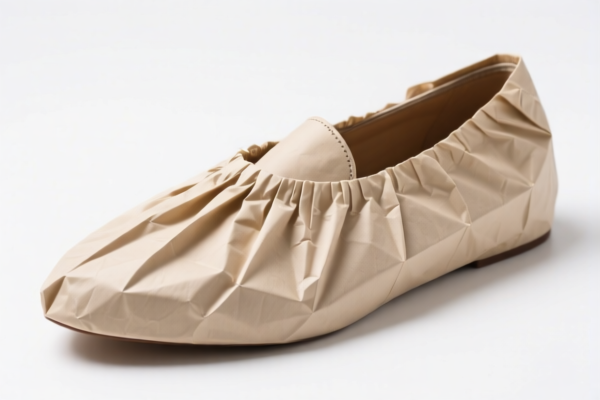
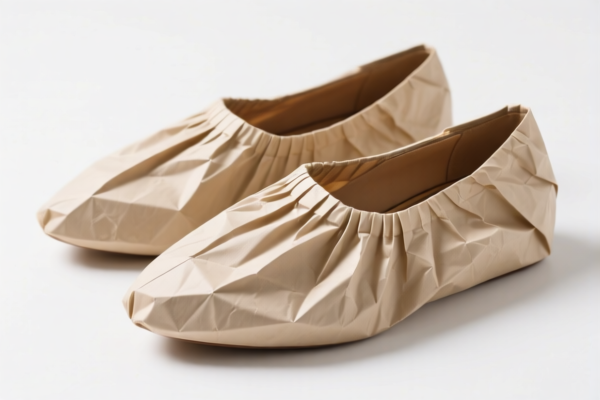
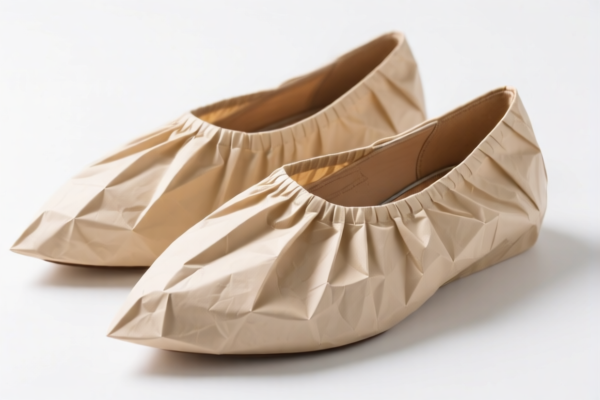
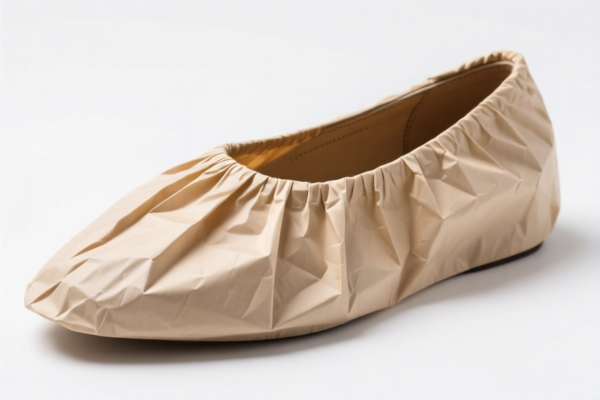
AI Analysis
👟 Standard Shoe Covers & Disposable Footwear
🌐 HS Code Reference & Customs Clearance Guide | 2026 Latest Tariff Analysis | Professional Clearance Strategy
📌 I. Product Definition & Classification: What Exactly Are "Standard Shoe Covers"?
Shoe Covers are protective garments designed to be worn over shoes to prevent contamination, maintain cleanliness, or provide temporary waterproofing. In international trade, they are strictly categorized based on material, durability, and usage pattern.
The term "Standard Shoe Covers" is a broad descriptor that requires precise classification into one of two main HS Code paths: 1. Truly Disposable Footwear: Designed for one-time use, often made of lightweight plastics or non-woven fabrics. These fall under Chapter 64. 2. Reusable/Textile Foot Covers: If the item is a sturdy slipper or textile shoe cover intended for multiple uses, it may fall under different subheadings in Chapter 64 or even Chapter 61/62 (though rare for "covers").
⚠️ Key Distinction:
- If the product is labeled "Disposable," "Single-Use," or made of thin plastic/non-woven material with no durable structure → It is likely 6405.90.20.00.
- If the product is a "House Slipper" made of textile materials but intended for indoor use (not strictly medical/industrial disposable) → It might be classified as 6405.20.90.15 (though "Shoe Covers" usually implies disposable).
- Note: The provided data does not list standard textile slippers as "Shoe Covers" in the medical/disposable sense, so we focus on the two most relevant codes from the dataset: Disposable Footwear and Textile Slippers.
📦 II. HS Code Classification Details (2026 Latest Tariff Authority对照)
Based on the provided dataset, "Standard Shoe Covers" are primarily classified under the following HS Codes. Do not confuse "Shoe Covers" with "Aprons" or "General Plastic Articles".
| HS Code | Product Description | Usage Scenario | Material/Durability |
|---|---|---|---|
6405.90.20.00 |
Disposable Footwear: Other footwear, designed for one-time use | Hospital entryways, cleanrooms, construction sites, event flooring protection | Plastic, Non-woven, Single-use |
6405.20.90.15 |
Other House Slippers: With uppers of textile materials | Indoor home use, hotel amenities, reusable textile shoe protectors | Textile, Reusable/Multi-use |
🔍 Critical Warning:
- Do NOT classify "Standard Shoe Covers" as 3926.90.99.89 (General Plastic Articles). While some cheap shoe covers are plastic, Chapter 64 (Footwear) takes precedence over Chapter 39 (Plastics) if the item is designed to be worn on the foot.
- Do NOT classify as 3926.20.90.10 (Aprons). Shoe covers are footwear, not apparel/aprons.
💰 III. 2026 Latest Tariff Rate Breakdown (Including Additional Duties)
✅ Applicable Country: United States (US)
✅ Origin: China (CN)
✅ Effective Time: 2025/2026 (Current Trade Environment)
🎯 1. 6405.90.20.00 — Disposable Footwear (One-Time Use)
This is the most common classification for "Standard Shoe Covers" in industrial, medical, and event contexts.
| Item | Content |
|---|---|
| Base Tariff | 3.8% (Ad Valorem) |
| Section 301 Additional Tariff | +7.5% (China Origin) |
| Total Tariff Rate | 11.3% |
| Tax Calculation | CIF Value × 11.3% |
| De Minimis Eligibility | ⚠️ Varies by Carrier/Value: Generally, high-value disposable batches may not qualify for de minimis exemptions if flagged as footwear. Check specific CBP rulings for low-value parcels. |
| Legal Basis | Chapter 64 Note 1; USHTS 6405.90.20.00 |
📌 Explanation:
- The 11.3% total rate reflects the base duty plus the additional tariffs imposed on Chinese-made goods.
- This rate applies specifically to footwear designed for one-time use. If your shoe covers are marketed as "Premium Reusable," this code may be incorrect.
🎯 2. 6405.20.90.15 — Other House Slippers (Textile Materials)
If your "Standard Shoe Covers" are actually thick textile slippers or reusable shoe protectors made of fabric, they may fall here.
| Item | Content |
|---|---|
| Base Tariff | 0.0% |
| Section 301 Additional Tariff | 0.0% |
| Total Tariff Rate | 0.0% |
| Tax Calculation | $0 |
| De Minimis Eligibility | ✅ Yes (Often exempt under $800 de minimis rule if qualifying) |
| Legal Basis | Chapter 64; USHTS 6405.20.90.15 |
📌 Explanation:
- 0% Tax makes this the most cost-effective option, BUT ONLY IF the product is genuinely a textile house slipper or reusable textile shoe cover.
- Misclassifying disposable plastic shoe covers as "Textile Slippers" to avoid the 11.3% tariff is a high-risk customs violation (fraud).
🛠️ IV. Customs Clearance Practical Advice (Battle-Tested Pitfall Guide)
✅ 1. Documentation Checklist (Non-Negotiable)
| Document | Required? | Description |
|---|---|---|
| ✅ Product Description | ✔️ | Must clearly state "Disposable Shoe Covers" or "Textile House Slippers." Avoid vague terms like "Foot Protection." |
| ✅ Material Composition | ✔️ | E.g., "100% Polyethylene" (for 6405.90.20.00) or "100% Cotton Non-Woven" (for 6405.20.90.15). |
| ✅ Usage Intention | ✔️ | "Single-use only" vs. "Reusable." This is the key determinant for HS Code. |
| ✅ Photos (Packaged & Loose) | ✔️ | Show the flexibility, thickness, and packaging to prove disposable nature. |
| ✅ Commercial Invoice | ✔️ | Must match the HS Code description exactly. |
| ✅ Bill of Lading / Air Waybill | ✔️ | Ensure no conflicting descriptions. |
✅ 2. Declaration Strategy (Key Mnemonics)
🔥 “Disposable = 6405.90 (11.3%); Textile Slipper = 6405.20 (0%)! Be honest or face penalties!”
| Scenario | Correct Declaration | Wrong Declaration | Consequence |
|---|---|---|---|
| Thin Plastic/Non-Woven Covers | 6405.90.20.00 |
3926.90.99.89 |
Risk of rejection; Footwear chapter priority applies. |
| Reusable Fabric Shoe Protectors | 6405.20.90.15 |
6405.90.20.00 |
Overpayment of tax (11.3% vs 0%). |
| Medical Isolation Gowns | NOT SHOE COVERS | 6405.90.20.00 |
Gowns go to 6210.10.50.10 (7.5% tax). Don't mislabel gowns as footwear. |
✅ 3. Special Circumstances Handling
| Situation | Handling Advice |
|---|---|
| Bundled Sales | If selling shoe covers with other items (e.g., gowns, gloves), declare them separately. Do not bundle into one HS Code. |
| Private Label | Ensure the label says "Disposable" if using 6405.90.20.00. If it says "Reusable," you may need 6405.20.90.15 (if textile) or face classification disputes. |
| Small Parcels (De Minimis) | For shipments under $800 (Section 321), check current CBP enforcement. While 6405.20.90.15 is 0%, 6405.90.20.00 incurs 11.3%. However, de minimis rules may exempt the tax if declared correctly, but anti-dumping/countervailing duties might still apply. Verify with a broker. |
🌍 V. Global Market Comparison (2026)
| Country/Region | Recommended HS Code | Tariff Rate | Notes |
|---|---|---|---|
| 🇺🇸 USA | 6405.90.20.00 |
11.3% | Includes 301 Tariff. High volume items benefit from 0% textile alternative if reusable. |
| 🇪🇺 EU | 6405.90.00 (approx.) | Varies (~0-10%) | EU has different HS structure. No Section 301 equivalent, but VAT applies. |
| 🇨🇳 China | 6405.90.20.00 | 0-5% | Import duties may be lower. Check FTA agreements if applicable. |
| 🇬🇧 UK | 6405.90.00 | Varies | Post-Brexit tariffs apply. |
📌 Conclusion:
- USA is the most complex market due to the 301 additional tariffs on Chinese goods.
- If your product can be legitimately classified as textile house slippers (6405.20.90.15), you save 11.3% in duties. However, you must ensure the product is not "disposable" in nature.
📌 VI. Common Errors & Pitfall Guide (Lessons Learned)
❌ Error 1: Classifying "Disposable Plastic Shoe Covers" as 3926.90.99.89 (Other Plastic Articles)
👉 Consequence: Customs may reclassify to 6405.90.20.00, resulting in 11.3% duty + penalties + clearance delay.
❌ Error 2: Calling "Reusable Textile Slippers" "Disposable Shoe Covers" to avoid inspection
👉 Consequence: Mismatch in description leads to physical inspection. If found reusable, you might still pay 0% but face delays. If found disposable, you pay 11.3%.
❌ Error 3: Confusing "Shoe Covers" with "Gowns" (6210.10.50.10)
👉 Consequence: Gowns have a 7.5% tax. Misclassifying gowns as shoe covers (11.3%) overpays tax. Misclassifying shoe covers as gowns (7.5%) underpays tax → Fraud risk.
✅ Correct Approach:
“Disposable Non-Woven Shoe Covers, Single-Use, For Cleanroom Use, Model XYZ, 100% Polypropylene”
→ HS Code:6405.90.20.00“Cotton Textile House Slippers, Reusable, Indoor Use”
→ HS Code:6405.20.90.15
🎯 VII. Conclusion: Precision Saves Money!
🎯 Remember:
🔹 “Disposable = 6405.90 (11.3%)! Textile Reusable = 6405.20 (0%)!”
🔹 “Don’t mix gowns, aprons, and footwear. Each chapter has its price!”
🔹 “Be honest about ‘Single-Use’ vs ‘Reusable’. Customs checks everything.”
📌 Pro Tip:
If you are importing large volumes of disposable shoe covers from China, consider:
1. Supply Chain Diversification: Explore sourcing from Vietnam or Thailand to avoid the 7.5% Section 301 tariff.
2. Product Redesign: Can the shoe cover be made of textile materials and marketed as reusable? This could shift it to 6405.20.90.15 with 0% tax.
3. Advance Ruling: Apply for a Binding Ruling from US Customs and Border Protection (CBP) before large shipments to confirm the HS Code.
📣 Act Now:
📞 Contact a licensed customs broker + Provide product samples + Get a pre-classification opinion
🚀 Clear customs smoothly, avoid penalties, and maximize your profit margins!
✨ Professional Clearance Starts with Accurate Classification!
💼 Your Tax Liability is Only as Accurate as Your HS Code!
Customer Reviews
About HS Code Classification
The Harmonized System (HS) is an internationally standardized nomenclature developed by the World Customs Organization (WCO) to classify traded products. Over 200 countries use the HS system as the basis for customs tariffs, trade statistics, and import/export regulations.
Each HS code follows a hierarchical structure:
- Chapter (2 digits) — Broad category of goods (e.g., Chapter 84: Machinery and Mechanical Appliances)
- Heading (4 digits) — More specific grouping within the chapter
- Subheading (6 digits) — Internationally standardized breakdown, used by all WCO member countries
- National subdivisions (8-10 digits) — Country-specific extensions for further classification, such as US HTSUS 10-digit codes
Correct HS code classification is essential for smooth customs clearance, accurate duty payment, and compliance with trade regulations. Misclassification can lead to customs delays, overpayment of duties, or penalties.
When importing from CN to US, the applicable tariff rates may include:
- Most-Favored-Nation (MFN) rate — The standard duty rate applied to WTO members
- General rate — Applied to countries without trade agreements
- Trade remedy duties — Additional tariffs such as Section 301 (anti-dumping), Section 232 (national security), or countervailing duties
The information provided on this page is for reference purposes only. For official classification, please consult with your local customs authority or a licensed customs broker.