Staple Fiber Woven Fabrics
CN → US| HS Code | Tariff Rate | Origin | Destination | Doc |
|---|---|---|---|---|
| 5513230191 | 49.9% | CN | US | Official Doc |
| 5513130090 | 49.9% | CN | US | Official Doc |
| 5407200000 | 35.0% | CN | US | Official Doc |
| 5512110090 | 47.0% | CN | US | Official Doc |
| 5407912090 | 49.9% | CN | US | Official Doc |
Product Images
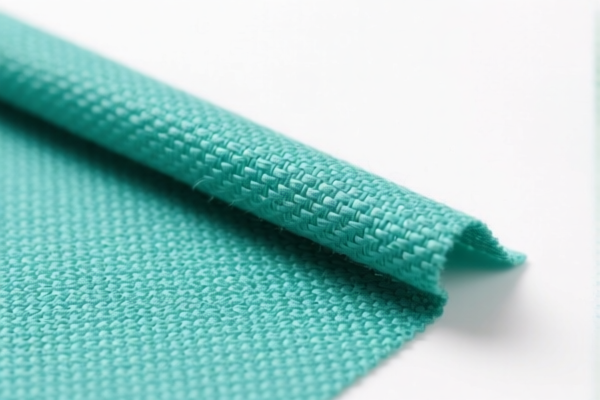
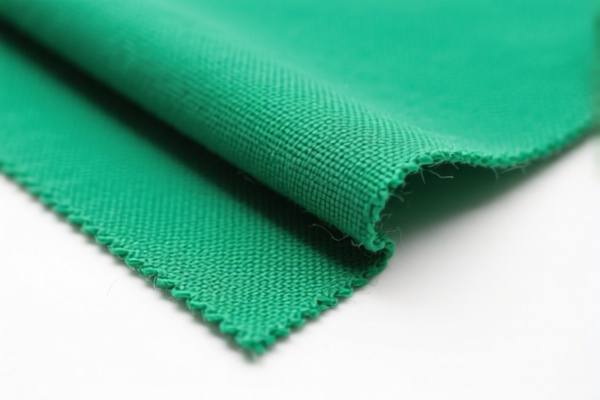
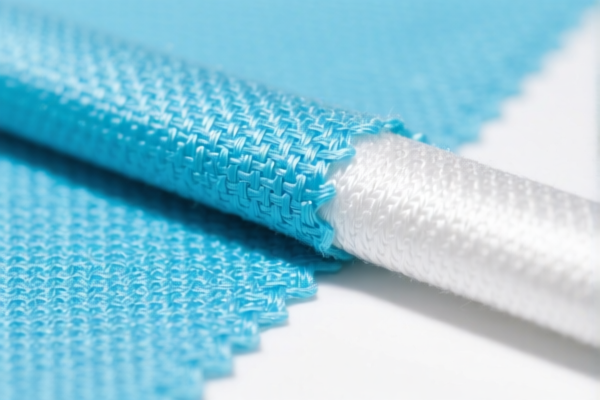
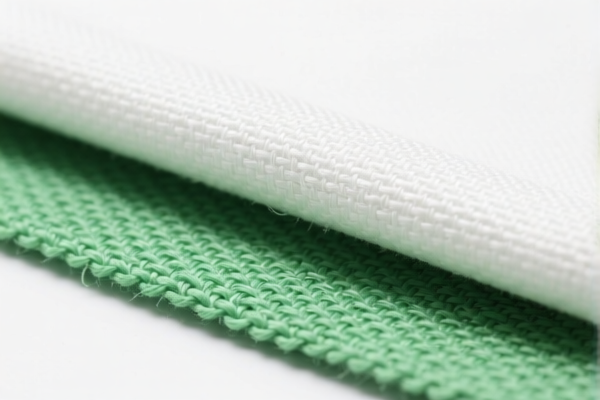
AI Analysis
🌟 Staple Fiber Woven Fabrics
🌐 HS Code Classification & Customs Clearance Guide | 2026 Latest Tariff Breakdown | Expert-Level Compliance Strategy
📌 One. Product Definition & Classification: What Exactly Are "Staple Fiber Woven Fabrics"?
Staple fiber woven fabrics are textile materials made from short synthetic fibers (typically 3–7 cm in length) that are spun into yarn and then interlaced using a weaving process. These fabrics are commonly used in apparel, home textiles, industrial applications, and technical textiles.
⚠️ Key Distinction:
- Staple fibers ≠ Filament (long continuous fibers)
- Woven = Interlaced warp and weft threads (not knitted or nonwoven)
- "Ply" or "Piece" format = Fabric sold in bolts or rolls (common in international trade)✅ Applicable to:
- General-purpose synthetic fabrics (e.g., polyester, nylon, acrylic)
- Fabrics without specified weave structure (e.g., plain, twill, satin)
- Fabrics where fiber ratio is not clearly stated
- Fabrics not covered by more specific HS codes (e.g., those with printing, special finishes, or long filament content)
📦 Two. HS Code Classification Table (2026 Official Tariff Authority)
| HS Code | Product Description | Applicable Scenarios | Fiber Type | Weave Structure |
|---|---|---|---|---|
5513.23.01.91 |
Staple synthetic fiber woven fabrics, unclassified structure | General synthetic woven fabrics with no specified organization | Synthetic staple | Any (unspecified) |
5513.13.00.90 |
Staple synthetic fiber woven fabrics, no specific process or weight | Broad category for undifferentiated synthetic woven fabrics | Synthetic staple | Not specified |
5407.20.00.00 |
Synthetic fiber woven fabrics (fully compliant with classification) | Pure synthetic woven fabrics meeting all criteria | Synthetic | Any (fully compliant) |
5512.11.00.90 |
Staple synthetic fiber woven fabrics, unspecified fiber ratio | Fabrics where fiber composition is not declared | Synthetic staple | Not specified |
5407.91.20.90 |
Synthetic fiber woven fabrics, no long filament, printing, or satin structure | Excludes special features like prints or satin weaves | Synthetic | Not satin, not printed |
🔍 Critical Note:
- "Staple fiber" must be short-cut synthetic fibers (not continuous filaments)
- "Woven" means interlaced threads, not knitted or nonwoven
- "Unspecified" means no clear mention of fiber ratio, weight, or weave type in documentation
💰 Three. 2026 Latest Tariff Breakdown (With Detailed Duty Clauses)
✅ Applicable Country: United States (US)
✅ Origin: China (CN)
✅ Effective Date: November 10, 2025 (including future imports)
🎯 1. 5513.23.01.91 — Staple Synthetic Fiber Woven Fabrics (Unspecified Structure)
| Item | Detail |
|---|---|
| Base Duty | 14.9% (ad valorem) |
| Section 301 (USITC) Additional Duty | +25.0% (under Section 301 of the Trade Act of 1974) |
| Section 122 (IEEPA) Additional Duty | +10.0% (under the International Emergency Economic Powers Act) |
| Total Effective Duty | 49.9% |
| Tax Calculation | CIF Value × 49.9% |
| De Minimis Threshold | ❌ Not applicable (denied under US law) |
| Legal Basis Path | IEEPA:9903.01.25 → IEEPA:9903.01.24 → USITC:5513.23.01.91 → FOOTNOTE:9903.88.01 |
📌 Explanation:
- USITC 25% = Retaliatory tariff under Section 301 due to China’s IP and trade practices
- IEEPA 10% = Emergency economic power measure targeting China (applies to all goods from CN)
- Total 49.9% = One of the highest tariffs in the textile category
🎯 2. 5513.13.00.90 — Staple Synthetic Fiber Woven Fabrics (No Specific Process/Weight)
| Item | Detail |
|---|---|
| Base Duty | 14.9% |
| USITC Additional Duty | +25.0% |
| IEEPA Additional Duty | +10.0% |
| Total Effective Duty | 49.9% |
| Tax Calculation | CIF × 49.9% |
| De Minimis | ❌ Not eligible |
| Legal Basis Path | IEEPA:9901.25 → IEEPA:9903.01.24 → USITC:5513.13.00.90 → FOOTNOTE:9903.88.01 |
📌 Note:
- Applies to all synthetic staple fiber woven fabrics without clear process or weight specification
- Even if fabric is lightweight or used in apparel, this rate applies
🎯 3. 5407.20.00.00 — Synthetic Fiber Woven Fabrics (Fully Compliant with Classification)
| Item | Detail |
|---|---|
| Base Duty | 0.0% |
| USITC Additional Duty | +25.0% |
| IEEPA Additional Duty | +10.0% |
| Total Effective Duty | 35.0% |
| Tax Calculation | CIF × 35.0% |
| De Minimis | ❌ Not eligible |
| Legal Basis Path | IEEPA:9903.01.25 → IEEPA:9903.01.24 → USITC:5407.20.00.00 → FOOTNOTE:9903.88.01 |
📌 Why Lower?
- This code has 0% base duty, so the total is lower than others
- Must fully meet classification criteria (e.g., no long filament, no printing, no satin weave)
- Highly sensitive to documentation accuracy
🎯 4. 5512.11.00.90 — Staple Synthetic Fiber Woven Fabrics (Unspecified Fiber Ratio)
| Item | Detail |
|---|---|
| Base Duty | 12.0% |
| USITC Additional Duty | +25.0% |
| IEEPA Additional Duty | +10.0% |
| Total Effective Duty | 47.0% |
| Tax Calculation | CIF × 47.0% |
| De Minimis | ❌ Not eligible |
| Legal Basis Path | IEEPA:9901.25 → IEEPA:9903.01.24 → USITC:5512.11.00.90 → FOOTNOTE:9903.88.01 |
📌 Important:
- Applies when fiber composition is not declared (e.g., “synthetic fiber” without % breakdown)
- Even if 100% polyester, if ratio not stated → this code applies
🎯 5. 5407.91.20.90 — Synthetic Fiber Woven Fabrics (No Long Filament, No Printing, No Satin)
| Item | Detail |
|---|---|
| Base Duty | 14.9% |
| USITC Additional Duty | +25.0% |
| IEEPA Additional Duty | +10.0% |
| Total Effective Duty | 49.9% |
| Tax Calculation | CIF × 49.9% |
| De Minimis | ❌ Not eligible |
| Legal Basis Path | IEEPA:9903.01.25 → IEEPA:9903.01.24 → USITC:5407.91.20.90 → FOOTNOTE:9903.88.01 |
📌 Strict Exclusions:
- No long filament (i.e., no continuous filaments)
- No printing (even subtle patterns)
- No satin weave (even if not obvious)
- Must be fully compliant to qualify
🛠️ Four. Customs Clearance Best Practices (Pro Tips to Avoid Delays & Penalties)
✅ 1. Required Documentation (Must-Have List)
| Document | Required? | Notes |
|---|---|---|
| ✅ Product Specification Sheet | ✔️ | Include fiber type, length, denier, weave structure, GSM |
| ✅ Fabric Sample (Physical) | ✔️ | For inspection & verification |
| ✅ Commercial Invoice | ✔️ | Must clearly state: "Staple Synthetic Fiber Woven Fabric, No Satin/Print" |
| ✅ Packing List | ✔️ | Bolt count, roll size, total weight |
| ✅ Certificate of Origin (CO) | ✔️ | If from China → expect 49.9% or 35% duty |
| ✅ Test Report (e.g., ASTM, ISO) | ✔️ | Prove fiber type, composition, and weave |
| ✅ Declaration of Fiber Ratio | ✔️ | If not declared → use 5512.11.00.90 or higher tariff code |
✅ 2.申报技巧 (申报口诀)
🔥 "Fiber Short, Weave Plain, No Print, No Satin, Declare Ratio — Else Pay 50%!"
| Scenario | Correct HS Code | Wrong Practice | Risk |
|---|---|---|---|
| Staple fiber, no fiber ratio | 5512.11.00.90 |
Misreport as 5513.23.01.91 |
Overpay |
| No printing, no satin, no long filament | 5407.20.00.00 |
Use 5513.23.01.91 |
Pay 14.9% extra |
| Fabric has slight print | ❌ Cannot use 5407.20.00.00 |
Use 5407.91.20.90 |
49.9% tax |
| Fiber ratio not declared | 5512.11.00.90 |
Use 5513.13.00.90 |
2.9% higher tax |
✅ 3. Special Cases & Solutions
| Situation | Recommended Action |
|---|---|
| OEM fabric with no fiber ratio | Submit a written declaration stating "Fiber composition not specified" → use 5512.11.00.90 |
| Fabric has subtle pattern | Do NOT claim 5407.20.00.00 → Use 5407.91.20.90 → 49.9% |
| Mixed staple + filament fibers | Use 5513.23.01.91 → 49.9% |
| Fabric from Vietnam/Mexico | Apply for IEEPA exemption → duty may drop to 0%–5% |
| High-value shipment | Request Advance Ruling (Pre-Approval) from U.S. Customs |
🌍 Five. Global Customs Comparison (2026 Update)
| Country/Region | Recommended HS Code | Tariff | Certification | Notes |
|---|---|---|---|---|
| 🇺🇸 USA | 5513.23.01.91 |
49.9% (China) | None (but must declare) | Highest tariff |
| 🇨🇳 China | 5513.23.01.91 |
5% | CCC | No extra duties |
| 🇪🇺 EU | 5513.23.01.91 |
0% (if CE) | CE | No 301/IEEPA |
| 🇦🇺 Australia | 5513.23.01.91 |
5% | RCM | No extra duties |
| 🇯🇵 Japan | 5513.23.01.91 |
0% | PSE | No additional tariffs |
📌 Insight:
- Only the U.S. imposes 301 + IEEPA tariffs on Chinese-origin synthetic woven fabrics
- Vietnam/Mexico/Thailand may qualify for lower or zero tariffs if origin is properly documented
📌 Six. Common Mistakes & How to Avoid Them (Real Cases)
❌ Mistake 1: Declaring "synthetic woven fabric" without fiber ratio
👉 Result: Taxed at 47.0% (5512.11.00.90) instead of 35.0% (5407.20.00.00)
✅ Fix: Declare fiber ratio → use lower code
❌ Mistake 2: Claiming "no printing" but fabric has faint pattern
👉 Result: Denied 5407.20.00.00 → taxed at 49.9%
✅ Fix: Submit sample + test report to prove no printing
❌ Mistake 3: Using 5513.23.01.91 for a fabric with no staple fibers
👉 Result: Incorrect classification → penalties
✅ Fix: Confirm fiber type via lab test
🎯 Seven. Final Verdict: Precision Pays Off!
🎯 Remember the Golden Rule:
🔹 "If it’s staple fiber, woven, and not specified — you’re likely paying 49.9%!"
🔹 "No print? No satin? No filament? Then you might qualify for 35.0%!"
🔹 "Declaring fiber ratio? That’s your ticket to lower duty!"
📌 Pro Tip:
If your fabric is produced in Vietnam, Mexico, or Thailand, apply for IEEPA exemption — you could pay only 0%–5% instead of 49.9%!
📣 Take Action Now:
📞 Contact a licensed U.S. Customs Broker
📂 Submit product samples + fiber test reports
🚀 Request HS Code Pre-Ruling before shipment
✨ Professional Compliance Starts Here!
💼 Your next shipment could save $10,000+ — if you get the HS Code right!
Customer Reviews
About HS Code Classification
The Harmonized System (HS) is an internationally standardized nomenclature developed by the World Customs Organization (WCO) to classify traded products. Over 200 countries use the HS system as the basis for customs tariffs, trade statistics, and import/export regulations.
Each HS code follows a hierarchical structure:
- Chapter (2 digits) — Broad category of goods (e.g., Chapter 84: Machinery and Mechanical Appliances)
- Heading (4 digits) — More specific grouping within the chapter
- Subheading (6 digits) — Internationally standardized breakdown, used by all WCO member countries
- National subdivisions (8-10 digits) — Country-specific extensions for further classification, such as US HTSUS 10-digit codes
Correct HS code classification is essential for smooth customs clearance, accurate duty payment, and compliance with trade regulations. Misclassification can lead to customs delays, overpayment of duties, or penalties.
When importing from CN to US, the applicable tariff rates may include:
- Most-Favored-Nation (MFN) rate — The standard duty rate applied to WTO members
- General rate — Applied to countries without trade agreements
- Trade remedy duties — Additional tariffs such as Section 301 (anti-dumping), Section 232 (national security), or countervailing duties
The information provided on this page is for reference purposes only. For official classification, please consult with your local customs authority or a licensed customs broker.