Starter Motor
CN → US| HS Code | Tariff Rate | Origin | Destination | Doc |
|---|---|---|---|---|
| 8708996890 | 87.5% | CN | US | Official Doc |
| 8501316000 | 37.4% | CN | US | Official Doc |
| 8501325540 | 35.0% | CN | US | Official Doc |
| 8708991600 | 35.0% | CN | US | Official Doc |
| 8501106080 | 37.8% | CN | US | Official Doc |
Product Images
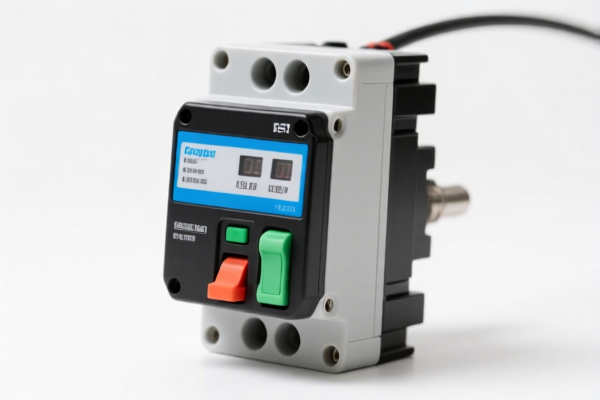
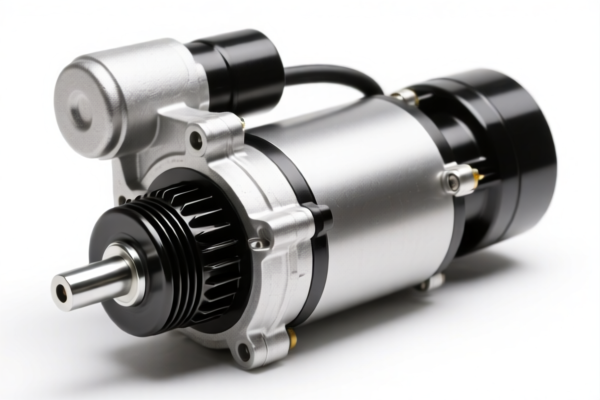
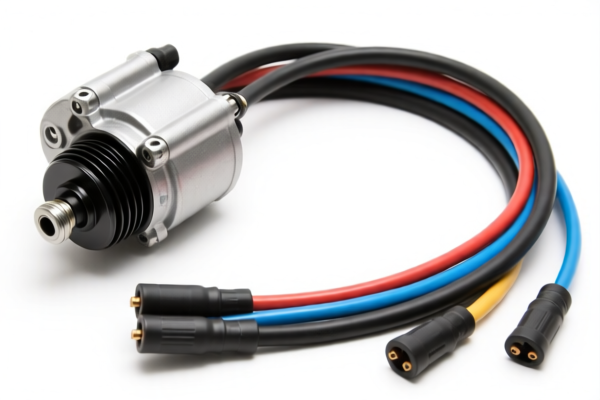
AI Analysis
🔋 Starter Motor (Automotive & Industrial Electric Starters)
🌐 HS Code Reference & Customs Clearance Guide | 2026 Tax Rate Breakdown | Professional Strategy
📌 Part 1: Product Definition & Classification: Do You Really Understand "Starter Motors"?
A Starter Motor is the critical electric machine responsible for initiating the combustion process in internal combustion engines (ICE). In international trade, it is strictly classified based on its intended use (vehicle part vs. standalone motor) and technical specifications.
The global classification splits into two major scenarios:
-
Vehicle Parts Category (Chapter 87):
If the starter motor is designed specifically for a vehicle (cars, trucks, machinery) and is identified as a part of the power transmission or starting system, it falls under Chapter 87 (Vehicles).- Logic: It is an "essential component" of the vehicle's starting system.
-
Standalone Electric Motor Category (Chapter 85):
If the starter motor is a standalone electric unit (not integrated into a specific vehicle assembly at the time of import) or used for non-vehicular industrial applications (like industrial generators, marine engines, or general-purpose DC motors), it falls under Chapter 85 (Electric Machinery).- Logic: It is classified as a "DC Motor" or "Part of Electric Machinery" based on output and general utility.
⚠️ Critical Distinction:
- Vehicle Application → Chapter 87 (Higher Base Tariffs due to specific "Parts" classification).
- Standalone/General Purpose → Chapter 85 (Variable Tariffs, often lower base rates but subject to specific "Other" clauses).
- Misclassification Risk: Declaring a vehicle-specific starter as a "general motor" can lead to audits, as the 122-Section (Steel/Aluminum) tariffs and Section 301 (USITC) rates differ significantly between Chapters.
📦 Part 2: HS Code Classification Details (2026 Latest Tax Code Alignment)
Based on your specific product data, here are the 5 probable HS Codes for a Starter Motor, categorized by their technical logic and tax implications.
| HS Code | Product Description & Logic | Tax Total | Tax Breakdown |
|---|---|---|---|
| 8708.99.68.90 | Vehicle Part (Power Transmission/Starting System): Inferred as a component of the vehicle's starting system. Matches the "catch-all" category for vehicle parts not specified elsewhere. |
87.5% | Base: 2.5% + 301 Add-on: 25.0% + 122 Sec (Steel/Al/Cu): 50% |
| 8501.31.60.00 | DC Motor (General Purpose): Fits the logic of a DC motor with unspecified output power. Classified under "Other DC Motors." |
37.4% | Base: 2.4% + 301 Add-on: 25.0% + 122 Sec: 10% |
| 8501.32.55.40 | DC Motor (Other/Fallback): A specific DC motor variant. Matches "Other" fallback categories with no material conflict. |
35.0% | Base: 0.0% + 301 Add-on: 25.0% + 122 Sec: 10% |
| 8708.99.16.00 | Vehicle Part (Core Power Transmission): Classified as a "core executing part" of the power transmission system for vehicles. |
35.0% | Base: 0.0% + 301 Add-on: 25.0% + 122 Sec: 10% |
| 8501.10.60.80 | Electric Motor (General/Other): Consistent with electric motor usage. A "catch-all" category with no obvious material conflicts. |
37.8% | Base: 2.8% + 301 Add-on: 25.0% + 122 Sec: 10% |
🔍 Key Insight:
- Chapter 87 (8708.99) codes (8708.99.68.90, 8708.99.16.00) carry the highest total tax (87.5% or 35.0% depending on the specific sub-clause) because they are treated as vehicle parts subject to 50% Steel/Aluminum/Copper tariffs (for the specific high-tax item). - Chapter 85 (8501.xx) codes (8501.31.60.00, 8501.32.55.40, 8501.10.60.80) are generally lower (35.0% - 37.8%) as they are treated as general electric motors, often avoiding the 50% "122 Section" steel/aluminum surcharge (only 10% applies) or having a 0% base rate.
💰 Part 3: 2026 Tax Rate Deep Dive (US Import)
✅ Applicable Country: United States (US)
✅ Origin: China (CN)
✅ Effective: Current 2026 Tariff Regime
🎯 1. The "Vehicle Part" Trap: 8708.99.68.90
- Why so high? This classification triggers the 122-Section Tariff (Section 232/Steel-Aluminum-Copper) which adds a massive 50% surcharge on top of the standard 301 tariffs.
- Tax Calculation:
2.5% (Base)+25.0% (Section 301)+50.0% (Steel/Al/Cu)= 87.5% - Impact: This is the most expensive classification. It effectively doubles the cost of the product compared to a general motor.
- Legal Path:
301: 8708.99.68.90→232: Steel/Al/Cu 50%.
🎯 2. The "General Motor" Advantage: 8501.32.55.40 & 8708.99.16.00
- Why lower? These codes benefit from a 0.0% Base Rate and only incur the standard 10% Steel/Aluminum surcharge (not 50%) or a lower total.
- Tax Calculation:
0.0% (Base)+25.0% (Section 301)+10.0% (Steel/Al/Cu)= 35.0% - Impact: A 30% savings compared to the 8708.99.68.90 classification.
- Strategy: If the product can be argued as a standalone motor or a general power transmission part not strictly tied to a specific vehicle's chassis at import, target these codes.
🎯 3. The "DC Motor" Mid-Range: 8501.31.60.00 & 8501.10.60.80
- Why mid-range? These have a slight base tariff (2.4% - 2.8%) but share the same 10% Steel/Aluminum surcharge as the general motor category.
- Tax Calculation:
~2.4% (Base)+25.0% (Section 301)+10.0% (Steel/Al/Cu)= ~37.4% - 37.8% - Note: Slightly higher than the 35.0% codes due to the base tariff, but still vastly cheaper than the 87.5% rate.
🛠️ Part 4: Customs Clearance & Practical Strategy (Real-World Pitfalls)
✅ 1. Preparation Checklist (Essential for Avoidance)
| Document | Requirement | Purpose |
|---|---|---|
| Technical Spec Sheet | ✔️ Must | Explicitly state: "Standalone DC Motor" OR "Vehicle Starting System Part". |
| Application Letter | ✔️ Must | Confirm if it is for a specific vehicle model (Chapter 87) or general industrial use (Chapter 85). |
| Product Photos | ✔️ Must | Show the motor alone vs. mounted in a vehicle engine bay. |
| Bill of Materials | ✔️ Recommended | List materials (Copper, Steel, Aluminum) to justify the 10% vs 50% surcharge. |
| Invoice Description | ✔️ Must | Avoid vague terms like "Auto Part". Use "DC Starter Motor" or "Vehicle Starting System Component". |
✅ 2. Declaration Strategy (The "Classification Game")
🔥 Rule of Thumb: "If it fits in a bag of generic motors, call it a Motor. If it fits in a specific car kit, call it a Part."
| Scenario | Recommended HS Code | Risk of Misclassification |
|---|---|---|
| Starter Motor sold as a standalone repair part | 8501.31.60.00 or 8501.32.55.40 |
High Risk: If the importer claims it's for a specific car, CBP may shift to 8708 (87.5% tax). |
| Starter Motor imported as a complete "Engine Kit" | 8708.99.68.90 |
High Risk: If declared as a generic motor, it might be seen as "undervalued" or "wrong class". |
| Starter Motor with no vehicle brand specified | 8501.10.60.80 |
Medium Risk: Use "Other Electric Motor" logic to lower tax. |
✅ 3. Special Handling for "122 Section" Tariffs
- The 50% Surcharge: Only applies to specific 8708.99.68.90 classifications (likely due to heavy steel/copper/aluminum content in the specific vehicle part definition).
- The 10% Surcharge: Applies to 8501 and most 8708 codes.
- Strategy: If possible, prove the product is a general-purpose DC motor (8501 series) to avoid the 50% steel/aluminum surcharge.
- Argument: "This is a DC motor capable of starting any internal combustion engine, not exclusive to one vehicle manufacturer."
🌍 Part 5: Global Market Comparison (2026)
| Region | Recommended HS Code | Est. Total Tax | Key Constraint |
|---|---|---|---|
| 🇺🇸 USA | 8501.32.55.40 (Preferred) |
35.0% | Avoid 8708.99.68.90 (87.5%) if possible. |
| 🇨🇳 China | 8501.31.60.00 |
0% - 5% | No 301 tariffs or 122 Section surcharges. |
| 🇪🇺 EU | 8501.31.60.00 |
6.0% - 10% | No Section 301. Standard duty applies. |
| 🇯🇵 Japan | 8501.32.55.40 |
0% - 5% | Free Trade Agreement (FTA) benefits may apply. |
📌 Conclusion: The US market is the only one where the 87.5% tax trap is active for vehicle parts. For US imports, Chapter 85 classification is the gold standard for cost reduction.
📌 Part 6: Common Errors & "Blood & Tears" Lessons
❌ Error 1: Declaring a Vehicle-Specific Starter as a "General Motor" (8501) to save tax.
👉 Consequence: CBP audits the shipment, demands proof of "non-vehicle" use. If proven to be for a specific car, retroactive 87.5% tax + 20% penalty + seizure.
❌ Error 2: Declaring a Standalone Motor as a "Vehicle Part" (8708) out of caution.
👉 Consequence: You pay 87.5% tax when you could have paid 35.0%. Loss of ~52% in profit margin.
❌ Error 3: Not specifying material composition in the invoice.
👉 Consequence: CBP assumes the highest surcharge (50% steel/Al/Cu) by default for all "parts" in Chapter 87.
✅ Correct Action:
"DC Starter Motor, 12V, 1.5kW, Standalone Unit, No Vehicle Branding, Complies with IEC 60034 Standards."
🎯 Part 7: Final Verdict & Action Plan
🎯 Remember the口诀 (Mantra):
🔹 "Standalone = Chapter 85 (35% tax), Vehicle Part = Chapter 87 (87.5% tax)!
🔹 "Avoid 50% Steel Trap, Choose 10% Surcharge!
🔹 "HS Code is Life, Tax Rate is Death!"📌 Pro Tip:
If your starter motor is universal (fits multiple brands/models), argue for Chapter 85 (8501.32.55.40).
If it is OEM specific (labeled for Toyota/Cummins), you likely must use Chapter 87 (8708.99.16.00), but try to find the code with 0% Base to minimize the 25% add-on impact.
📣 Immediate Action:
📞 Contact Customs Broker: Request a Binding Tariff Information (BTI) or Advance Ruling for your specific starter motor.
🚀 Document Your Product: Ensure your specs clearly state "General Purpose" or "Universal Fit" if you aim for the 35.0% rate.
✨ Professional Classification, Precision Taxation, Maximum Profit!
💼 Don't let a wrong code cost you half your margin!
Customer Reviews
About HS Code Classification
The Harmonized System (HS) is an internationally standardized nomenclature developed by the World Customs Organization (WCO) to classify traded products. Over 200 countries use the HS system as the basis for customs tariffs, trade statistics, and import/export regulations.
Each HS code follows a hierarchical structure:
- Chapter (2 digits) — Broad category of goods (e.g., Chapter 84: Machinery and Mechanical Appliances)
- Heading (4 digits) — More specific grouping within the chapter
- Subheading (6 digits) — Internationally standardized breakdown, used by all WCO member countries
- National subdivisions (8-10 digits) — Country-specific extensions for further classification, such as US HTSUS 10-digit codes
Correct HS code classification is essential for smooth customs clearance, accurate duty payment, and compliance with trade regulations. Misclassification can lead to customs delays, overpayment of duties, or penalties.
When importing from CN to US, the applicable tariff rates may include:
- Most-Favored-Nation (MFN) rate — The standard duty rate applied to WTO members
- General rate — Applied to countries without trade agreements
- Trade remedy duties — Additional tariffs such as Section 301 (anti-dumping), Section 232 (national security), or countervailing duties
The information provided on this page is for reference purposes only. For official classification, please consult with your local customs authority or a licensed customs broker.