Static Converter
CN → US| HS Code | Tariff Rate | Origin | Destination | Doc |
|---|---|---|---|---|
| 8537109170 | 37.7% | CN | US | Official Doc |
| 8537200040 | 37.7% | CN | US | Official Doc |
| 8504409580 | 35.0% | CN | US | Official Doc |
| 8504409540 | 35.0% | CN | US | Official Doc |
| 8503009580 | 38.0% | CN | US | Official Doc |
Product Images
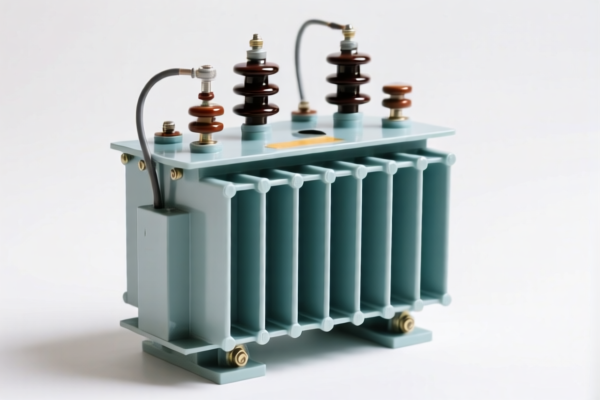
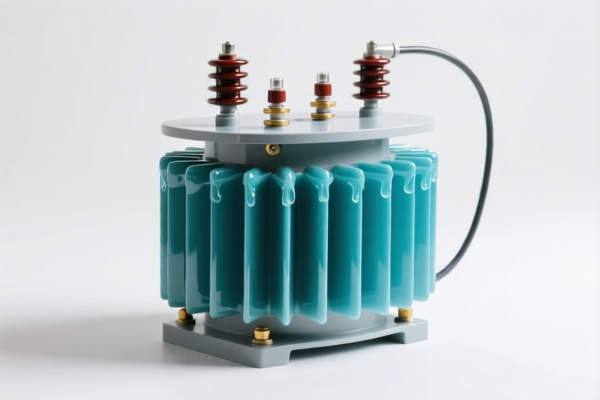
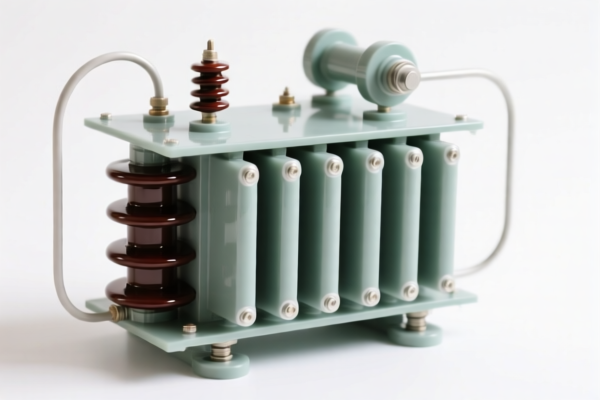
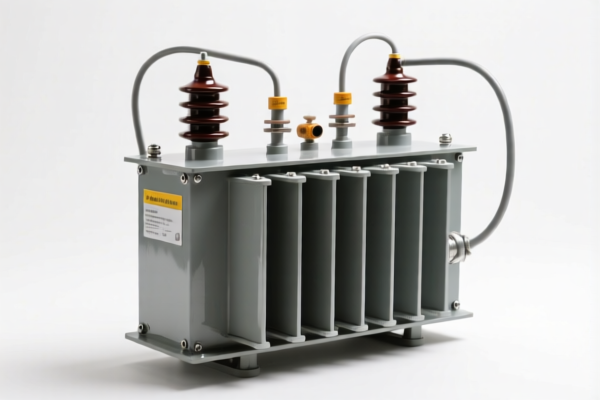
AI Analysis
⚡ Static Converter (Static Electrical Converters)
🌐 HS Code Reference & Customs Clearance Guide | 2026 Latest Tariff Analysis | Professional Clearance Strategy
📌 I. Product Definition & Classification: What Exactly is a "Static Converter"?
In international trade, the term "Static Converter" (often synonymous with Static Electrical Converter) refers to power electronic devices that convert electrical energy from one form to another (e.g., AC to DC, DC to AC, or AC to AC) using solid-state electronics (thyristors, diodes, transistors) without moving parts.
Due to varying technical specifications and voltage levels, these devices are classified under two primary HS Code chapters depending on their specific application and voltage rating:
- Power Conversion Equipment (8504): Specifically designed for static conversion of electricity (e.g., inverters, rectifiers).
- Control/Dispatch Boards (8537): If the device is part of a larger control or distribution panel for voltages not exceeding 1,000V.
⚠️ Key Distinction:
- If the device is a standalone converter (Inverter/Rectifier) → Look at 8504.40.
- If the device is a control panel/distribution board for power management (<1000V) → Look at 8537.10 or 8537.20.
- Note: Some interpretations may place related parts under 8503.00, but this is less common for main units.
📦 II. HS Code Classification Details (2026 Latest Tariff Authority Cross-Reference)
Based on the provided data, here are the five most likely HS Codes for "Static Converters" and the rationale for each:
| HS Code | Product Description | Rationale for Classification |
|---|---|---|
8537.10.91.70 |
Control/Distribution Boards | Static converters matching voltage ≤1,000V are often classified as part of power control or distribution equipment under this heading. |
8537.20.00.40 |
Other Control/Distribution Equipment | Classified as components of other control or dispatch bases/devices for power electronic conversion. |
8504.40.95.80 |
Static Converters (General) | Direct match for "Static Converters" as stationary converters within the power conversion equipment category. |
8504.40.95.40 |
Static Converters (Specific Use) | Technical term "Static Converter" fully matches the usage scope of stationary converters under this subheading. |
8503.00.95.80 |
Parts for Power Converters | May fall under "Other parts" of Chapter 8503 if considered a component of the 8504 class equipment (less common for whole units). |
🔍 Critical Note:
- Voltage Matters: If the device is strictly a converter (<1000V),8504is the most direct fit.
- Control Function: If it includes complex control logic for distribution,8537is preferred.
- Misclassification Risk: Do not confuse "Static Converters" with general "Motors" or "Transformers" unless specifically designed as such.
💰 III. 2026 Latest Tariff Rate Breakdown (Including Surcharges)
✅ Applicable Country: United States (US)
✅ Country of Origin: China (CN)
✅ Effective Date: Post-2025 Policy Application (Includes 301 Section & IEEPA Surcharges)
All listed HS Codes below are subject to the same tariff structure due to the origin and product nature:
🎯 Common Tariff Structure for All Static Converters (CN Origin)
| Item | Content |
|---|---|
| Base Duty Rate | Varies by HS Code: - 8504.40...: 0.0% - 8537.10...: 2.7% - 8537.20...: 2.7% - 8503.00...: 3.0% |
| Section 301 Surcharge | +25.0% (Standard 301 Tariff on Chinese electronics/power equipment) |
| IEEPA Surcharge (122 Clause) | +10.0% (Additional surcharge for Chinese products, effective from Nov 10, 2025) |
| Total Effective Tax Rate | 35.0% ~ 38.0% - Lowest: 8504.40.95.x0 → 35.0% - Highest: 8503.00.95.80 → 38.0% |
| Calculation Basis | CIF Value × Total Rate |
| De Minimis Eligibility | ❌ NOT Eligible (deny_de_minimis) Small packages do not qualify for exemption. |
| Legal Authority Path | IEEPA:9903.01.25 → USITC:[HS Code] → FOOTNOTE:301 |
📌 Explanation:
- Base Rate: The "Base Tariff" is the standard MFN rate.8504has a 0% base rate, making it slightly cheaper than8537or8503.
- 301 Tariff (+25%): Applies to almost all Chinese-made power electronics.
- IEEPA (+10%): A new layer of surcharge for Chinese imports, pushing the total cost significantly higher.
- Total Burden: Even with a 0% base rate, the total tax is 35%. This is a high-cost category for importers.
🛠️ IV. Customs Clearance Practical Advice (Real-World Pitfall Guide)
✅ 1. Required Documentation Checklist (All or Nothing)
| Document | Required | Notes |
|---|---|---|
| ✅ Product Specifications | ✔️ | Must detail input/output voltage, frequency, power rating, and conversion type (AC/DC, etc.). |
| ✅ Circuit Diagram/Schematic | ✔️ | Crucial to prove it is a "Static Converter" and not a motor or transformer. |
| ✅ Product Photos | ✔️ | Clear shots of the nameplate showing model, voltage, and brand. |
| ✅ Third-Party Test Reports | ✔️ | UL, CE, FCC (if applicable), and RoHS compliance certificates. |
| ✅ Commercial Invoice | ✔️ | Clearly state "Static Converter" or "Power Electronic Converter" – do not use vague terms like "Part". |
| ✅ Certificate of Origin (CO) | ✔️ | Required to verify CN origin and apply correct surcharges. |
| ✅ Packing List | ✔️ | Ensure no disassembly for duty evasion; declare as one unit if sold as such. |
✅ 2. Declaration Strategy (Key Mantras)
🔥 "Be Precise, Don't Guess, Verify Voltage, Save Money!"
| Scenario | Correct Declaration | Wrong Practice | Consequence |
|---|---|---|---|
| Standalone Inverter/Rectifier | 8504.40.95.x0 |
Declaring as 8537 (Control Board) |
Higher base duty (2.7% vs 0%) → Extra cost. |
| Control Panel with Converter | 8537.10.91.70 or 8537.20.00.40 |
Declaring as 8504 (Converter) |
Risk of reclassification + penalties if control function dominates. |
| Vague "Power Supply Unit" | ❌ Never | Using generic terms | Customs may classify under highest duty or detain for inspection. |
| Parts of a Converter | 8503.00.95.80 |
Declaring as main unit | If it's a part, misclassification is fraud. If main unit, wrong rate. |
✅ 3. Special Situations
| Situation | Handling Advice |
|---|---|
| OEM/Custom Converters | Provide design drawings and customer orders to prove specific utility. |
| High Voltage (>1000V) | Note: The provided data assumes ≤1000V. If >1000V, HS codes change entirely (e.g., to 8504.40.90.00 or other subheadings not listed here). Check new codes! |
| Used/Refurbished | May face additional scrutiny or restrictions; ensure "New" status is declared if applicable. |
| Dual-Use Items | If the converter has military applications, extra export/import controls may apply. |
🌍 V. Global Market Comparison (2026 Update)
| Country/Region | Recommended HS Code (for CN Origin) | Total Est. Duty | Certification Requirements | Notes |
|---|---|---|---|---|
| 🇺🇸 USA | 8504.40.95.80 (Best Case) |
35.0% | FCC, UL (optional but recommended) | High burden due to 301 + IEEPA. |
| 🇨🇳 China (Export) | N/A (Export Duty usually 0%) | 0% | N/A | This guide is for import into the US. |
| 🇪🇺 EU | 8504.40 |
~0-4% | CE, RoHS, ErP | No 301/IEEPA surcharges. Much cheaper. |
| 🇬🇧 UK | 8504.40 |
~0-4% | UKCA | Post-Brexit rules apply, but generally lower than US. |
| 🇦🇺 Australia | 8504.40 |
~5% | RCM | Moderate duty, no major surcharges. |
📌 Conclusion:
- The US market is significantly more expensive for Chinese-made static converters due to layered tariffs.
- EU/UK/Asia are far more competitive for these goods.
- Strategy: If targeting the US, ensure your HS code is correctly pinned to8504.40to get the 0% base rate. Avoid8503or8537unless technically mandated, as they add 2.7-3.0% to the base.
📌 VI. Common Errors & Pitfall Guide (Lessons Learned)
❌ Error 1: Declaring a "Static Converter" as a "Part" (8503) without justification.
👉 Result: Customs may reclassify to 8504 and charge 35%, or penalize for misdeclaration.
❌ Error 2: Using vague terms like "Electrical Box" or "Control Panel" for a standalone converter.
👉 Result: High risk of audit, delays, and potential classification as 8537 (2.7% base) or higher.
❌ Error 3: Ignoring the Voltage Rating.
👉 Result: If >1000V, the provided HS codes are invalid. You must find new codes, which may have different tax treatments.
❌ Error 4: Assuming De Minimis (Section 321) applies.
👉 Result: No! Electrical power equipment is explicitly excluded from de minimis exemptions for Chinese goods. Every single unit is taxed.
✅ Correct Practice:
"Static Power Converter, AC/DC, 480V Input, 400V Output, 100kW, Solid State, Model XYZ, FCC Certified"
🎯 VII. Conclusion: Precision Classification, Cost Control, Smooth Clearance!
🎯 Remember the Mantra:
🔹 "8504 is King (0% Base), 8537 is Queen (2.7% Base), Both Pay 35% Total."
🔹 "Voltage is Key: ≤1000V fits this guide. >1000V needs new research!"
🔹 "No De Minimis: Pay attention to every dollar."
📌 Pro Tip:
If your static converter is originating from Vietnam, Malaysia, or Thailand, you may be eligible for IEEPA exemptions or lower 301 rates. Verify the Country of Origin carefully!
For US imports, consider applying for an Advance Ruling if the product is complex.
📣 Immediate Action:
📞 Consult a licensed US Customs Broker.
📄 Provide technical specs + Circuit diagrams.
🚀 Ensure your HS code is8504.40.95.80or8504.40.95.40for the lowest base rate!
✨ Professional Clearance Starts with Accurate Classification!
💼 Every percentage point counts in the US market!
Customer Reviews
About HS Code Classification
The Harmonized System (HS) is an internationally standardized nomenclature developed by the World Customs Organization (WCO) to classify traded products. Over 200 countries use the HS system as the basis for customs tariffs, trade statistics, and import/export regulations.
Each HS code follows a hierarchical structure:
- Chapter (2 digits) — Broad category of goods (e.g., Chapter 84: Machinery and Mechanical Appliances)
- Heading (4 digits) — More specific grouping within the chapter
- Subheading (6 digits) — Internationally standardized breakdown, used by all WCO member countries
- National subdivisions (8-10 digits) — Country-specific extensions for further classification, such as US HTSUS 10-digit codes
Correct HS code classification is essential for smooth customs clearance, accurate duty payment, and compliance with trade regulations. Misclassification can lead to customs delays, overpayment of duties, or penalties.
When importing from CN to US, the applicable tariff rates may include:
- Most-Favored-Nation (MFN) rate — The standard duty rate applied to WTO members
- General rate — Applied to countries without trade agreements
- Trade remedy duties — Additional tariffs such as Section 301 (anti-dumping), Section 232 (national security), or countervailing duties
The information provided on this page is for reference purposes only. For official classification, please consult with your local customs authority or a licensed customs broker.