Station Wagon Inner Tube
CN → US| HS Code | Tariff Rate | Origin | Destination | Doc |
|---|---|---|---|---|
| 8708706060 | 37.5% | CN | US | Official Doc |
| 4013100010 | 38.7% | CN | US | Official Doc |
| 4011105000 | 38.4% | CN | US | Official Doc |
| 8708998180 | 37.5% | CN | US | Official Doc |
| 8708706060 | 37.5% | CN | US | Official Doc |
Product Images
AI Analysis
🚗 Station Wagon Inner Tube (Automotive Parts & Accessories)
🌐 HS Code Reference & Customs Clearance Guide | 2026 Latest Tariff Analysis | Professional Strategy
📌 I. Product Definition & Classification: What is an "Inner Tube"?
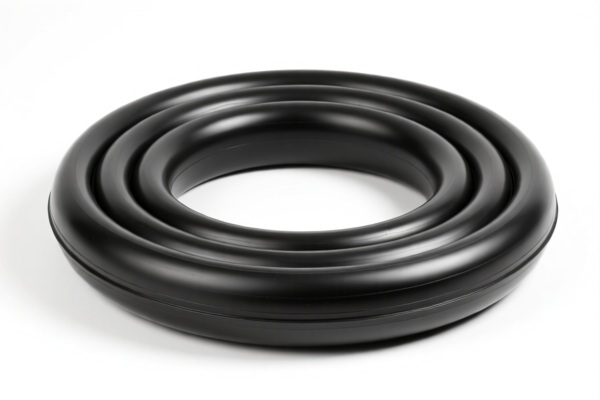
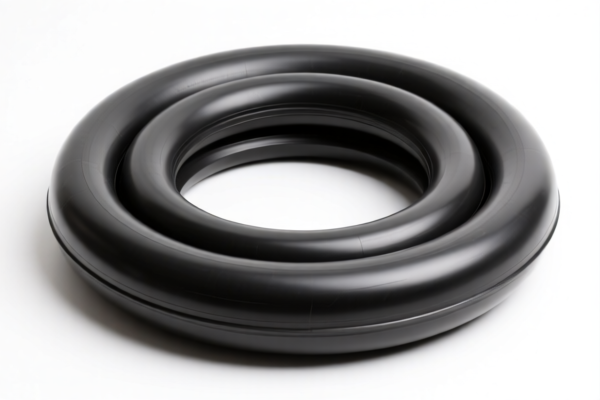
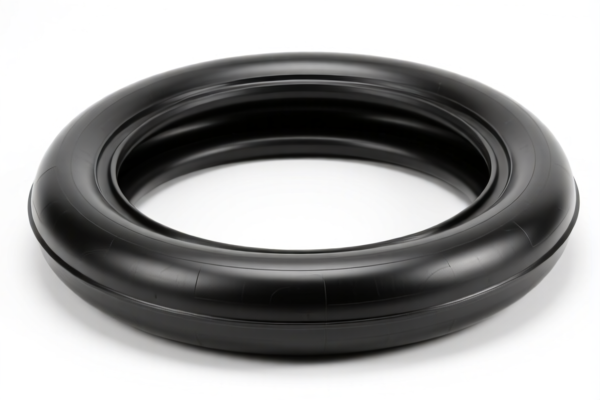
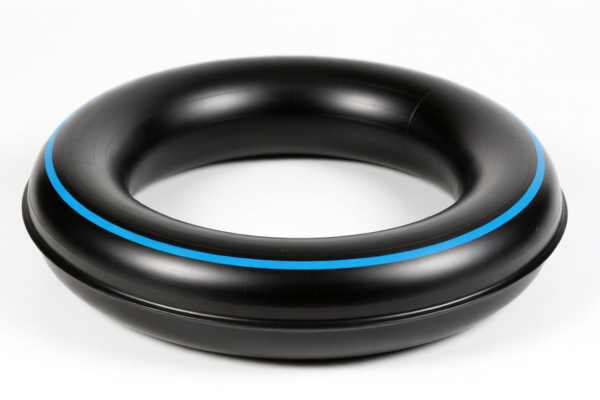
An Inner Tube for a station wagon (passenger car) is a rubber bladder inserted inside a pneumatic tire to retain air. In international trade, it is classified based on its material (Rubber) and its specific use (Automotive Parts).
⚠️ Critical Classification Logic:
- If classified as a "Part of Road Wheels": It falls under Chapter 87 (Vehicles).
- If classified as a "Rubber Inner Tube": It falls under Chapter 40 (Rubber).
- If classified as a "Pneumatic Tire Component": It may fall under Chapter 40 (Tires).📌 Key Distinction:
- 8708.70.60.60 / 8708.99.81.80: Classifies the inner tube as a part/accessory of road wheels or other auto parts. This is the most common classification for standalone inner tubes intended for vehicle assembly/repair.
- 4013.10.00.10: Classifies it strictly as a rubber inner tube for passenger vehicles.
- 4011.10.50.00: Classifies it as a component of pneumatic tires (less common for standalone inner tubes unless sold as part of a tire assembly kit, but included in data for completeness).
📦 II. HS Code Classification Details (2026 Latest Tariff Authority对照)
| HS Code | Product Description | Applicability Context | Material | Total Tax Rate |
|---|---|---|---|---|
8708.70.60.60 |
Parts & Accessories of Road Wheels: Other | Inner tube as a wheel component; inferred rubber material | Rubber | 37.5% |
4013.10.00.10 |
Pneumatic Tires: Inner Tubes, for Passenger Vehicles | Exact match for rubber inner tube material & passenger vehicle use | Rubber | 38.7% |
4011.10.50.00 |
Pneumatic Tires: Of rubber, new | Inner tube as a component of pneumatic tires; new rubber tires | Rubber | 38.4% |
8708.99.81.80 |
Parts & Accessories of Motor Vehicles: Other | Auto part/accessory category; inferred rubber material | Rubber | 37.5% |
🔍 Analysis Note:
-8708.70.60.60and8708.99.81.80are often preferred for standalone inner tubes because they are clearly "parts" of the vehicle/wheel system.
-4013.10.00.10is the most precise description for the item itself ("Inner Tube for Passenger Cars") but carries the highest total tax (38.7%).
-4011.10.50.00is less typical for a simple inner tube unless it is bundled with the tire, but included in the dataset for comprehensive coverage.
💰 III. 2026 Latest Tariff Rate Breakdown (Including Surtaxes)
✅ Applicable Country: United States (US)
✅ Origin: China (CN)
✅ Effective Date: From 2025 onwards (including subsequent imports)
🎯 1. 8708.70.60.60 & 8708.99.81.80 – Auto Parts (Wheel Components/Other)
| Item | Content |
|---|---|
| Base Tariff | 2.5% (ad valorem) |
| Section 301 Surtax | +25.0% |
| 122 Clause Tariff | +10.0% |
| Total Tax Rate | 37.5% |
| Tax Calculation | CIF Value × 37.5% |
| De Minimis Exemption? | ❌ NO (High tariff items are exempt from de minimis) |
| Legal Basis Path | USITC:8708.70.60.60 → Section301:25% → Clause122:10% |
📌 Explanation:
- The Base Tariff is low (2.5%) for auto parts.
- However, the Section 301 Surcharge (+25%) and 122 Clause (+10%) significantly increase the cost.
- Total Cost: You pay 37.5% of the declared value in taxes alone.
🎯 2. 4013.10.00.10 – Rubber Inner Tubes (Passenger Vehicles)
| Item | Content |
|---|---|
| Base Tariff | 3.7% (ad valorem) |
| Section 301 Surtax | +25.0% |
| 122 Clause Tariff | +10.0% |
| Total Tax Rate | 38.7% |
| Tax Calculation | CIF Value × 38.7% |
| De Minimis Exemption? | ❌ NO |
| Legal Basis Path | USITC:4013.10.00.10 → Section301:25% → Clause122:10% |
📌 Explanation:
- This classification has the highest total tax (38.7%).
- The base rate (3.7%) is higher than auto parts, and the same surcharges apply.
- Avoid this HS Code if possible, as it increases landed cost by 1.2% compared to the 8708 codes.
🎯 3. 4011.10.50.00 – Pneumatic Tires (Rubber, New)
| Item | Content |
|---|---|
| Base Tariff | 3.4% (ad valorem) |
| Section 301 Surtax | +25.0% |
| 122 Clause Tariff | +10.0% |
| Total Tax Rate | 38.4% |
| Tax Calculation | CIF Value × 38.4% |
| De Minimis Exemption? | ❌ NO |
📌 Explanation:
- This code is typically for tires, not inner tubes. Using this for inner tubes may raise red flags during customs inspection.
- Tax rate is 38.4%, slightly lower than 4013 but still higher than 8708.
🛠️ IV. Customs Clearance Practical Advice (Pitfall Avoidance)
✅ 1. Documentation Checklist (Must-Haves)
| Document | Required | Description |
|---|---|---|
| ✅ Product Specification | ✔️ | Material: Rubber; Application: Station Wagon/Passenger Car; Size/Dimensions |
| ✅ Commercial Invoice | ✔️ | Clearly state "Inner Tube for Passenger Car, Rubber", not just "Rubber Part" |
| ✅ Packing List | ✔️ | Show quantity, weight, and packaging details |
| ✅ Photo of Product | ✔️ | Label showing size, brand, and "Inner Tube" |
| ✅ Certificate of Origin | ✔️ | Required to prove Chinese origin (for surtax calculation) |
✅ 2. Declaration Strategy (Key Tips)
🔥 “Declare as Auto Part, Not General Rubber Product!”
| Situation | Correct Declaration | Incorrect Declaration |
|---|---|---|
| Standalone Inner Tube | HS 8708.70.60.60 (Parts of Road Wheels) | HS 4013.10.00.10 → Higher Tax (38.7%) |
| Inner Tube + Tire Kit | HS 4011.10.50.00 (if bundled as tire) | HS 8708.70.60.60 → Misclassification Risk |
| Generic Rubber Tube | HS 8708.99.81.80 (Other Auto Parts) | HS 4016.93.00.00 → Unrelated Chapter |
📌 Recommendation:
- Use8708.70.60.60or8708.99.81.80for standalone inner tubes.
- Why?
1. Lower Tax (37.5% vs 38.7%).
2. Better Fit: Inner tubes are integral parts of the wheel system.
3. Customs Acceptance: US CBP often accepts inner tubes under Chapter 87 when clearly identified as auto parts.
✅ 3. Special Circumstances
| Situation | Handling Advice |
|---|---|
| OEM Inner Tubes | Provide original manufacturer’s label and part number. |
| Mixed Shipments | If inner tubes are packed with other auto parts, declare separately to avoid valuation issues. |
| Value Declaration | Ensure the declared value is CIF (Cost, Insurance, Freight). Undervaluation leads to fines. |
| 122 Clause Impact | The 10% surcharge is automatic for Chinese-origin goods. No exemption applies. |
🌍 V. Global Market Comparison (2026 Latest)
| Country/Region | Recommended HS Code | Tax Rate (China Origin) | Certification Required | Notes |
|---|---|---|---|---|
| 🇺🇸 USA | 8708.70.60.60 |
37.5% | None (Standard) | High Surcharge; Use 8708 for lower tax |
| 🇨🇳 China | 4013.10.00.10 |
5% | CCC (if applicable) | Low base tax, no surcharges |
| 🇪🇺 EU | 4013.10.00.10 |
4.5% | CE (if applicable) | No Section 301 equivalent |
| 🇬🇧 UK | 4013.10.00.10 |
4.5% | UKCA | Post-Brexit tariffs |
| 🇯🇵 Japan | 4013.10.00.10 |
5% | JIS Standard | No surcharges |
📌 Conclusion:
- USA is the most expensive market due to Section 301 (25%) and 122 Clause (10%).
- Total Tax in USA: 37.5%–38.7%.
- Strategy: Opt for8708.70.60.60to save 1.2% on every shipment compared to4013.10.00.10.
📌 VI. Common Mistakes & Pitfalls (Lessons Learned)
❌ Mistake 1: Declaring Inner Tubes as "General Rubber Products" (e.g., HS 4016)
👉 Consequence: Rejected by CBP; misclassification penalty; delayed clearance.
❌ Mistake 2: Using 4013.10.00.10 without justification
👉 Consequence: Higher tax burden (38.7% vs 37.5%). While technically correct, it is not cost-optimized.
❌ Mistake 3: Failing to declare "Station Wagon/Passenger Car" application
👉 Consequence: Customs may classify as "Industrial Rubber Parts" → Different tariff, potential audit.
❌ Mistake 4: Ignoring the 122 Clause
👉 Consequence: Underpaying tax by 10% → Back taxes + Interest + Penalties.
✅ Correct Declaration Example:
"Inner Tube, Rubber, for Passenger Car (Station Wagon), Size 195/65R15, HS 8708.70.60.60, Origin China"
🎯 VII. Conclusion: Professional Declaration, Cost Savings!
🎯 Remember the Formula:
🔹 HS 8708 = Auto Part → 2.5% Base + 35% Surcharges = 37.5%
🔹 HS 4013 = Rubber Product → 3.7% Base + 35% Surcharges = 38.7%
🔹 Save 1.2% by choosing the Right HS Code!📌 Pro Tip:
- If you are importing large volumes, negotiate with your supplier to include packaging and labeling that clearly states "Auto Part" to support HS 8708 classification.
- Consider pre-ruling from US CBP if your shipment volume is high.
📣 Immediate Action:
📞 Consult with a licensed customs broker.
📝 Prepare Product Specs and Photos.
🚀 Optimize your HS Code to8708.70.60.60for lower tariffs!
✨ Professional Clearance Starts with Accurate Classification!
💼 Every Percent Matters in International Trade!
Customer Reviews
About HS Code Classification
The Harmonized System (HS) is an internationally standardized nomenclature developed by the World Customs Organization (WCO) to classify traded products. Over 200 countries use the HS system as the basis for customs tariffs, trade statistics, and import/export regulations.
Each HS code follows a hierarchical structure:
- Chapter (2 digits) — Broad category of goods (e.g., Chapter 84: Machinery and Mechanical Appliances)
- Heading (4 digits) — More specific grouping within the chapter
- Subheading (6 digits) — Internationally standardized breakdown, used by all WCO member countries
- National subdivisions (8-10 digits) — Country-specific extensions for further classification, such as US HTSUS 10-digit codes
Correct HS code classification is essential for smooth customs clearance, accurate duty payment, and compliance with trade regulations. Misclassification can lead to customs delays, overpayment of duties, or penalties.
When importing from CN to US, the applicable tariff rates may include:
- Most-Favored-Nation (MFN) rate — The standard duty rate applied to WTO members
- General rate — Applied to countries without trade agreements
- Trade remedy duties — Additional tariffs such as Section 301 (anti-dumping), Section 232 (national security), or countervailing duties
The information provided on this page is for reference purposes only. For official classification, please consult with your local customs authority or a licensed customs broker.