Steam Cleaning Device
CN → US| HS Code | Tariff Rate | Origin | Destination | Doc |
|---|---|---|---|---|
| 8509805095 | 14.2% | CN | US | Official Doc |
| 8509801000 | 10.0% | CN | US | Official Doc |
| 8421390115 | 35.0% | CN | US | Official Doc |
| 8479896500 | 20.3% | CN | US | Official Doc |
| 8516790000 | 12.7% | CN | US | Official Doc |
Product Images
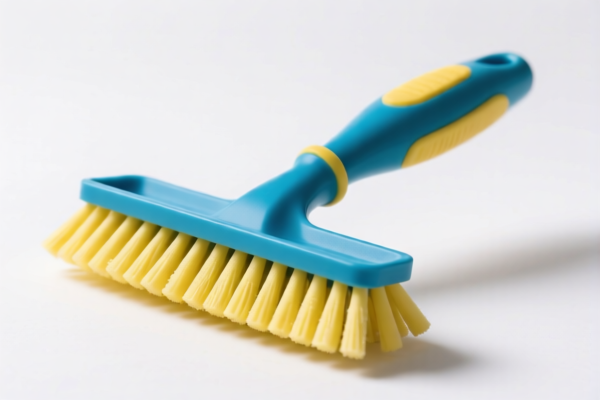
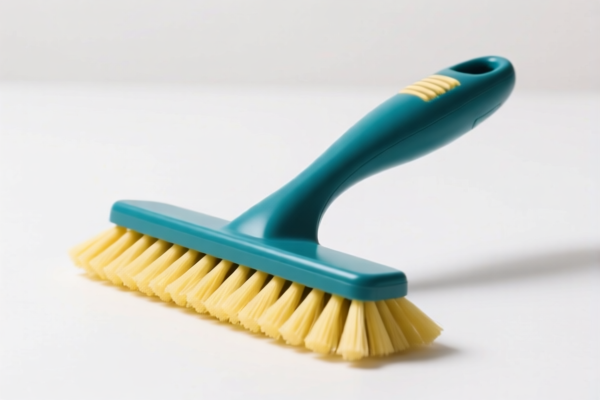
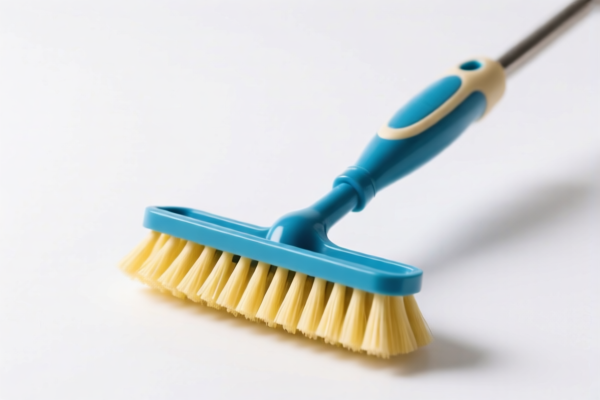
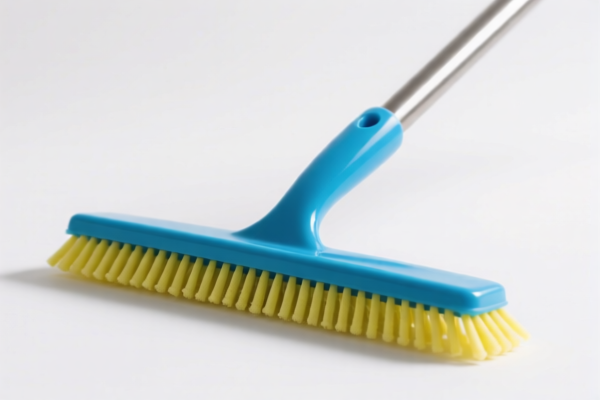
AI Analysis
🧼 Steam Cleaning Device (Steam Cleaner)
🌐 HS Code Reference & Customs Clearance Guide | 2026 Latest Tariff Analysis | Professional Clearance Strategy
📌 I. Product Definition & Classification: What is a "Steam Cleaning Device"?
A Steam Cleaning Device is a household electrical appliance that uses electricity to heat water and generate high-temperature steam for cleaning surfaces (floors, tiles, kitchens, bathrooms, etc.).
In international trade, classification depends heavily on the specific mechanism and intended use as defined by the Harmonized System (HS). There is significant divergence in tariff rates depending on whether customs authorities classify it as a general "Household Appliance," a "Machinery Part," or a "Heating Apparatus."
⚠️ Critical Distinction Point:
- If it functions primarily as a general household electrical machine → Potentially 8509.80.50.95 or 8509.80.10.00.
- If it is viewed as a specific cleaning/air purification machine → Potentially 8421.39.01.15 (High Risk!).
- If it is viewed as a standalone mechanical unit with motor → Potentially 8479.89.65.00.
- If it is viewed purely as a heating element/device → Potentially 8516.79.00.00.
📦 II. HS Code Classification Details (2026 Latest Tariff Authority Comparison)
| HS Code | Product Description | Application Logic | Total Tax Rate (China Origin) |
|---|---|---|---|
8509.80.50.95 |
Electrical appliances with self-contained electric motor, n.e.s. | General household appliance; falls under the "catch-all" definition for electric household appliances not elsewhere specified. | 14.2% |
8509.80.10.00 |
Electromechanical domestic appliances, n.e.s. | Fits the logic of electromechanical household equipment; no material conflict with other categories. | 10.0% |
8421.39.01.15 |
Machines for cleaning or purifying air or gases, n.e.s. | HIGH RISK: Inferred as "dust removal/air purification" equipment due to steam cleaning logic. High tariffs apply. | 35.0% |
8479.89.65.00 |
Machines and mechanical appliances, n.e.s. | Standalone mechanical appliance with self-contained motor; fits the logic of other electrical machinery. | 20.3% |
8516.79.00.00 |
Other electro-thermic appliances | Recognized as an electric heating device that uses electricity to generate steam; fits household electric heating logic. | 12.7% |
🔍 Key Observation:
- The lowest potential duty is 10.0% (8509.80.10.00).
- The highest potential duty is 35.0% (8421.39.01.15) due to Section 301/122 tariffs.
- Misclassification Risk: Classifying as8421(Machinery for cleaning air) instead of8509(Household Appliance) can result in a 25%+ tax increase.
💰 III. 2026 Latest Tariff Rate Breakdown (Detailed Tax Clauses)
✅ Applicable Country: United States (US)
✅ Country of Origin: China (CN)
✅ Effective Date: Post-2025/2026 Regulations (Including Section 301 & 122 Clauses)
🎯 1. 8509.80.50.95 —— Electrical Household Appliances (Catch-All)
| Item | Content |
|---|---|
| Base Tariff | 4.2% (ad valorem) |
| Section 301 Surcharge | 0.0% |
| Section 122 Tariff | +10% |
| Total Rate | 14.2% |
| Tax Calculation | CIF Value × 14.2% |
| De Minimis Exemption | ❌ Not Eligible (Subject to strict scrutiny) |
| Legal Basis Path | USITC:8509.80.50.95 → FOOTNOTE:122 |
📌 Explanation:
- This code assumes the device is a general "other" household appliance.
- The 10% Section 122 tariff is applied on top of the base rate.
- Advantage: Lower total cost compared to machinery codes.
🎯 2. 8509.80.10.00 —— Electromechanical Domestic Appliances (Lowest Rate)
| Item | Content |
|---|---|
| Base Tariff | 0.0% |
| Section 301 Surcharge | 0.0% |
| Section 122 Tariff | +10% |
| Total Rate | 10.0% |
| Tax Calculation | CIF Value × 10.0% |
| De Minimis Exemption | ❌ Not Eligible |
| Legal Basis Path | USITC:8509.80.10.00 → FOOTNOTE:122 |
📌 Note:
- This is the most favorable classification if the product is clearly a "domestic electromechanical appliance."
- Critical: You must prove it is a standard household appliance, not an industrial cleaner.
- Even with 0% base, the 10% Section 122 tariff still applies.
🎯 3. 8421.39.01.15 —— Machines for Cleaning/Purifying Air (Highest Rate)
| Item | Content |
|---|---|
| Base Tariff | 0.0% |
| Section 301 Surcharge | +25.0% |
| Section 122 Tariff | +10% |
| Total Rate | 35.0% |
| Tax Calculation | CIF Value × 35.0% |
| De Minimis Exemption | ❌ Not Eligible |
| Legal Basis Path | USITC:8421.39.01.15 → FOOTNOTE:301 (25%) + FOOTNOTE:122 (10%) |
📌 Warning:
- DO NOT use this code unless your product is explicitly an "Air Purifier" or "Industrial Dust Collector."
- Classifying a steam cleaner here triggers the maximum penalty.
- The "Logic Inference" in the data suggests it could be viewed as cleaning/air purifying, but this is a high-risk interpretation. Avoid if possible.
🎯 4. 8479.89.65.00 —— Other Mechanical Appliances
| Item | Content |
|---|---|
| Base Tariff | 2.8% |
| Section 301 Surcharge | +7.5% |
| Section 122 Tariff | +10% |
| Total Rate | 20.3% |
| Tax Calculation | CIF Value × 20.3% |
| De Minimis Exemption | ❌ Not Eligible |
| Legal Basis Path | USITC:8479.89.65.00 → FOOTNOTE:301 (7.5%) + FOOTNOTE:122 (10%) |
📌 Note:
- This code treats the steam cleaner as a "standalone machine."
- It incurs a moderate Section 301 surcharge (7.5%).
- Use only if the product has complex mechanical features not fitting standard household appliance definitions.
🎯 5. 8516.79.00.00 —— Other Electro-Thermic Appliances
| Item | Content |
|---|---|
| Base Tariff | 2.7% |
| Section 301 Surcharge | 0.0% |
| Section 122 Tariff | +10% |
| Total Rate | 12.7% |
| Tax Calculation | CIF Value × 12.7% |
| De Minimis Exemption | ❌ Not Eligible |
| Legal Basis Path | USITC:8516.79.00.00 → FOOTNOTE:122 |
📌 Explanation:
- Focuses on the heating aspect (electric heater generating steam).
- Avoids Section 301 tariffs, but has a slightly higher base than8509.80.10.00.
- A strong competitor to8509.80.50.95.
🛠️ IV. Customs Clearance Practical Advice (Battle-Tested Pitfall Avoidance)
✅ 1. Required Documentation Checklist (Non-Negotiable)
| Document | Required | Description |
|---|---|---|
| ✅ Product Specifications | ✔️ | Must include power (W), voltage, water tank capacity, max steam pressure. |
| ✅ User Manual | ✔️ | Must clearly state "Household Use" (e.g., "For home floor cleaning"). Avoid "Industrial" language. |
| ✅ Product Photos | ✔️ | Clear images of the unit, label, and attachments. Label must show "China Made." |
| ✅ FCC/ETL/UL Report | ✔️ | Electrical safety certification is mandatory for Class 1 electrical appliances. |
| ✅ Commercial Invoice | ✔️ | Description: "Household Steam Cleaner, Electric, for Home Use". |
| ✅ Packing List | ✔️ | List all accessories (nozzles, brushes) as parts of the main unit, not separate HS codes. |
✅ 2. Declaration Strategy (Key Mantra)
🔥 “Electrical Household, Not Machine! Avoid Air Purifier Traps!”
| Scenario | Correct Declaration | Error to Avoid |
|---|---|---|
| Standard Home Steam Mop/Cleaner | 8509.80.10.00 or 8509.80.50.95 |
❌ Declaring as 8421 (Machinery) → 35% Tax |
| Commercial/Industrial Steam Cleaner | 8479.89.65.00 or 8516.79.00.00 |
❌ Using "Household" label → Misclassification Penalty |
| Steam Cleaner + Accessories | Single HS Code for the whole set | ❌ Splitting nozzles/brushes into separate HS codes → Complexity & Higher Rates |
| Product Name on Invoice | "Electric Steam Cleaner for Household Cleaning" | ❌ "Air Purifying Steam Machine" → Triggers 301 Tariffs |
✅ 3. Special Situation Handling
| Situation | Handling Advice |
|---|---|
| OEM/Private Label | Ensure the brand and country of origin are clearly marked on the device, not just the box. |
| Attached Water Tank | Clearly state that the water tank is an integral part of the appliance. Do not declare separately. |
| Multi-Function Devices | If it also functions as an iron, argue for the primary function (cleaning) under 8509. |
| Pre-Shipment Inspection | Provide third-party lab reports confirming it is not an "industrial air purification system." |
🌍 V. Global Market Comparison (2026 Latest)
| Country/Region | Recommended HS Code | Est. Tariff (China Origin) | Certification Required | Notes |
|---|---|---|---|---|
| 🇺🇸 USA | 8509.80.10.00 |
10.0% (Best Case) | FCC + UL/ETL | Avoid 8421 (35%)! |
| 🇨🇳 China | 8509.80.50.95 |
4.2% | CCC + RoHS | Lower base rates, no Section 301/122. |
| 🇪🇺 EU | 8509.80.50 |
0% - 4.2% | CE + RoHS + ErP | Green energy bonuses may apply. |
| 🇦🇺 Australia | 8509.80.50 |
5% | RCM + SAA | Standard electrical safety. |
| 🇯🇵 Japan | 8509.80.50 |
0% - 6% | PSE + Japan Electrical Safety | Strict safety standards. |
📌 Conclusion:
- USA is the most challenging market due to Section 301/122 tariffs.
- Strategy: Aggressively argue for8509classification to stay under 14.2%.
- Pitfall: Do not use keywords like "Air Purification" or "Industrial Cleaning" in your English declarations.
📌 VI. Common Errors & Pitfall Guide (Blood Lessons)
❌ Error 1: Using "Steam Air Purifier" as the product name.
👉 Consequence: Customs may classify under 8421.39.01.15 → 35% Tax.
👉 Fix: Use "Household Steam Cleaner" or "Electric Floor Steam Mop."
❌ Error 2: Declaring the heating element separately from the appliance.
👉 Consequence: Parts may be taxed separately or trigger incomplete shipment issues.
👉 Fix: Declare as a single unit "With Self-Contained Motor."
❌ Error 3: Ignoring Section 122 Tariffs.
👉 Consequence: Budgeting for 0% base tax but facing 10%+10% surprise charges.
👉 Fix: Always include Section 122 (10%) in cost calculations for China-origin goods to the US.
❌ Error 4: Using 8516.79.00.00 without justification.
👉 Consequence: While 12.7% is low, customs may challenge it if the device is primarily mechanical.
👉 Fix: Prefer 8509 (Household Appliance) over 8516 (Heater) unless the heating function is dominant and non-mechanical.
✅ Correct Approach:
"Electric Household Steam Cleaner, Model XYZ, 1500W, for Home Floor and Tile Cleaning, FCC Certified, Made in China"
🎯 VII. Conclusion: Precision Classification Saves Thousands!
🎯 Remember the Mantra:
🔹 "Household Appliance = 8509"
🔹 "Avoid 8421 at All Costs (35% Tax!)"
🔹 "Section 122 Adds 10% No Matter What"
🔹 "Base 0% + 10% S122 = 10% Total (Best Case)"
📌 Pro Tip:
If your supply chain includes components from Vietnam, Mexico, or Malaysia, you may qualify for IEEPA Exemptions or lower tariffs.
Recommendation: Apply for an Advance Ruling (Pre-classification) from US Customs and Border Protection (CBP) to lock in the 8509 classification and avoid post-audit penalties.
📣 Immediate Action:
📞 Consult a licensed US Customs Broker.
📤 Submit product specs + photos for HS Code Pre-ruling.
🚀 Secure Low Duties, Clear Customs Fast, Maximize Profit!
✨ Professional Clearance Starts with Precise Classification!
💼 Every Percent Matters in Trade!
Customer Reviews
About HS Code Classification
The Harmonized System (HS) is an internationally standardized nomenclature developed by the World Customs Organization (WCO) to classify traded products. Over 200 countries use the HS system as the basis for customs tariffs, trade statistics, and import/export regulations.
Each HS code follows a hierarchical structure:
- Chapter (2 digits) — Broad category of goods (e.g., Chapter 84: Machinery and Mechanical Appliances)
- Heading (4 digits) — More specific grouping within the chapter
- Subheading (6 digits) — Internationally standardized breakdown, used by all WCO member countries
- National subdivisions (8-10 digits) — Country-specific extensions for further classification, such as US HTSUS 10-digit codes
Correct HS code classification is essential for smooth customs clearance, accurate duty payment, and compliance with trade regulations. Misclassification can lead to customs delays, overpayment of duties, or penalties.
When importing from CN to US, the applicable tariff rates may include:
- Most-Favored-Nation (MFN) rate — The standard duty rate applied to WTO members
- General rate — Applied to countries without trade agreements
- Trade remedy duties — Additional tariffs such as Section 301 (anti-dumping), Section 232 (national security), or countervailing duties
The information provided on this page is for reference purposes only. For official classification, please consult with your local customs authority or a licensed customs broker.