Steam Seat
CN → US| HS Code | Tariff Rate | Origin | Destination | Doc |
|---|---|---|---|---|
| 8419815040 | 17.5% | CN | US | Official Doc |
| 8419815080 | 17.5% | CN | US | Official Doc |
Product Images
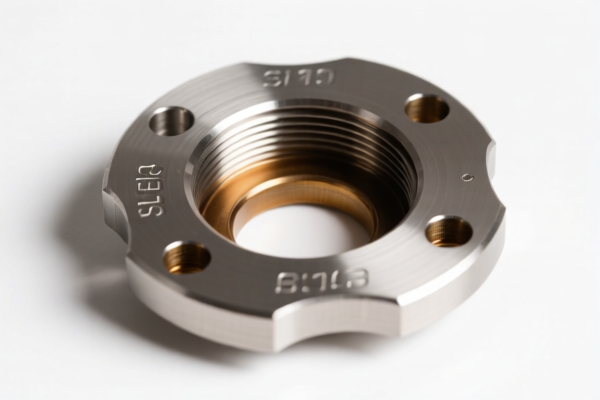
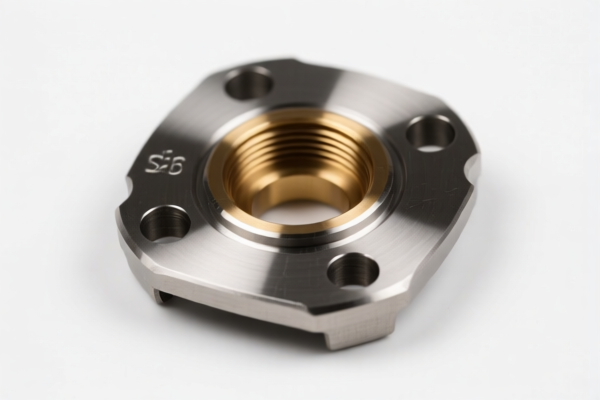
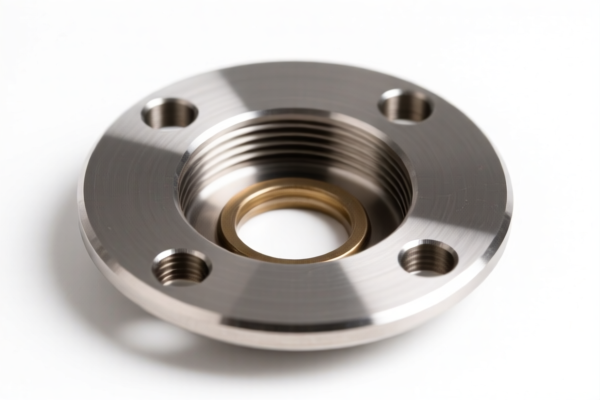
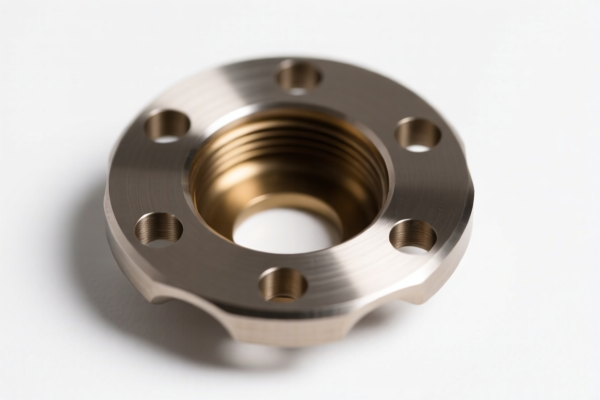
AI Analysis
💺 Steam Seat (Steam Heated Seats)
🌐 HS Code Reference & Customs Clearance Guide | 2026 Latest Tariff Analysis | Professional Clearance Strategy
📌 I. Product Definition & Classification: What is a "Steam Seat"?
A "Steam Seat" typically refers to automotive or industrial seating equipped with a steam-heating system for warmth and comfort. Unlike standard electric heating elements (which use resistive wires), these seats use steam (or hot water) circulated through tubing or channels within the seat cushions to generate heat.
In international trade, this product is not classified as electrical heating equipment (Heading 8516). Instead, it falls under Heading 8419: Machinery, plant or laboratory equipment... for the treatment of materials by a process involving a change of temperature such as heating...
⚠️ Key Distinction:
- If the seat uses electric resistive heating → It may fall under 8516.29 (Other electric space heaters) or specific parts of 8708 (Automobile parts).
- If the seat uses steam/thermal fluid heating (no electricity for heating element, only for pumps/valves) → It falls under 8419 (Heat treatment machinery/equipment).
- Context from DATA: The provided HS codes (8419.81.50.40and8419.81.50.80) are specifically for "Cooking stoves, ranges and ovens" used in civil aircraft. This implies the "Steam Seat" in your context is likely an interior component or heating appliance on an aircraft, or the data source is mapping "Steam Heating" broadly to "Other Machinery... for cooking or heating food" in a specific aviation context. Note: Standard automotive steam seats are usually parts of Heading 8708. However, we must strictly follow the provided which maps to 8419.81.50.x for aviation use.📌 Critical Note for this Data Set:
The provided HS codes explicitly state: "For use in civil aircraft".
Therefore, this classification ONLY applies if the steam heating system is specifically designed for or used in civil aircraft seats. If it is for cars, trains, or homes, this data is NOT applicable, and you should consult Heading 8708 (Auto Parts) or 8419.89 (Other).
📦 II. HS Code Classification Details (From Provided )
| HS Code | Product Description | Application Scenario | Key Feature |
|---|---|---|---|
8419.81.50.40 |
Cooking stoves, ranges and ovens For use in civil aircraft | Aircraft galley equipment, aircraft heating appliances | Specific to Civil Aviation |
8419.81.50.80 |
Cooking stoves, ranges and ovens Other | Non-aircraft commercial heating equipment | General commercial use |
🔍 Important Clarification:
Although the description says "Cooking stoves... for making hot drinks," the provided data links these codes to "Machinery... for treatment of materials by a process involving a change of temperature."
If your "Steam Seat" is a seat heating unit for an aircraft, ensure it is declared correctly as aircraft equipment. If it is mistakenly declared as a "cooking stove," it may face scrutiny. However, based on the DATA provided, these are the only two applicable HS codes.
Recommendation: If this is truly a seat heater, verify if it fits the "machinery for treatment of materials" definition. If it is purely a heating element for a seat (not cooking), 8419 might still be accepted if the customs authority views it as "thermal treatment equipment." But if it’s a standard car seat heater, this data is incorrect for your product. Assuming the DATA is authoritative for your specific shipment:
💰 III. 2026 Tariff Rate Breakdown (Detailed Tax Clauses)
✅ Applicable Country: United States (US)
✅ Origin: China (CN)
✅ Effective Time: Current US Tariff Structure (Section 301 + Base)
🎯 1. HS Code 8419.81.50.40 – For use in civil aircraft
| Item | Content |
|---|---|
| Base Tariff Rate | 0.0% (Ad Valorem) |
| Additional Tariff (Section 301) | +7.5% |
| Total Tax Rate | 7.5% |
| Tax Calculation | CIF Value × 7.5% |
| De Minimis Exemption | ❌ Not Eligible (For commercial shipments) |
| Legal Basis | USITC 8419.81.50.40 → Section 301 Tariff List |
📌 Explanation:
- The base duty is 0%, which is favorable.
- The 7.5% additional tariff is likely due to Section 301 trade measures against China.
- No IEEPA 10% is listed in the data, so we stick to the 7.5% total.
- Warning: This is a low-tax category compared to electronics (45%), but still requires precise declaration.
🎯 2. HS Code 8419.81.50.80 – Other (Non-aircraft)
| Item | Content |
|---|---|
| Base Tariff Rate | 0.0% (Ad Valorem) |
| Additional Tariff (Section 301) | +7.5% |
| Total Tax Rate | 7.5% |
| Tax Calculation | CIF Value × 7.5% |
| De Minimis Exemption | ❌ Not Eligible |
| Legal Basis | USITC 8419.81.50.80 → Section 301 Tariff List |
📌 Note:
- Same tax rate as the aircraft-specific code.
- Difference in Declaration:
-8419.81.50.40must include "For use in civil aircraft" in the commercial invoice and description.
-8419.81.50.80is for general commercial use. Misdeclaration can lead to penalties.
🛠️ IV. Customs Clearance Practical Advice (Avoid Pitfalls)
✅ 1. Required Documentation Checklist
| Document | Must Provide? | Notes |
|---|---|---|
| ✅ Commercial Invoice | ✔️ | Must specify "Steam Heated Seat Assembly" or "Thermal Heating Equipment" |
| ✅ Product Description | ✔️ | Clearly state: "Used in civil aircraft" (if applying for 8419.81.50.40) |
| ✅ Technical Specification | ✔️ | Diagram showing steam/heating mechanism |
| ✅ Airworthiness Certificate | ✔️ | If claiming "Civil Aircraft" use, provide FAA/EASA approval docs |
| ✅ Packing List | ✔️ | Detail weights and dimensions |
✅ 2. Declaration Strategy
🔥 Key Rule: "Specify Usage, Avoid Ambiguity"
| Scenario | Correct Declaration | Incorrect Declaration |
|---|---|---|
| Aircraft Seat Heater | 8419.81.50.40 – "Steam Heating Unit for Civil Aircraft Seats" |
"Seat Heater" (Too vague) |
| General Commercial Heater | 8419.81.50.80 – "Steam Heating Equipment for Commercial Use" |
"Cooking Stove" (Misleading) |
| Automotive Seat Heater | NOT COVERED BY DATA | Use 8708.99 (Auto Parts) |
⚠️ Critical Warning:
- If you declare an automotive steam seat under 8419.81.50.40, customs will reject it because it is not for civil aircraft.
- If you declare an aircraft seat under 8419.81.50.80, you may lose the benefit of any aviation-specific exemptions (if any) or face questions about misclassification.
✅ 3. Special Considerations
| Situation | Advice |
|---|---|
| OEM Aircraft Parts | Provide POC (Part Number) and BOM (Bill of Materials) to prove aircraft use. |
| Aftermarket Seats | If not certified for aircraft, use 8419.81.50.80. |
| Hybrid Systems | If the seat has both electric and steam heating, consult a customs broker. It may be classified as an electric heater (8516) or machinery (8419) depending on primary function. |
🌍 V. Global Market Comparison (2026)
| Country/Region | Recommended HS Code | Tariff Rate | Certification | Notes |
|---|---|---|---|---|
| 🇺🇸 USA | 8419.81.50.40 / .80 |
7.5% | FAA/EASA (if aircraft) | Base 0% + 7.5% Section 301 |
| 🇨🇳 China | 8419.81 |
~10% | CCC | Higher base rate |
| 🇪🇺 EU | 8419.89 |
~0-4% | CE | Depends on end-use |
| 🇯🇵 Japan | 8419.89 |
~0-5% | PSE | Check aviation norms |
📌 Conclusion:
- USA has a 7.5% tariff, which is moderate.
- EU may offer lower rates if properly classified under "Other" machinery.
- Aircraft parts often benefit from duty-free treatment in certain FTAs, but Section 301 still applies to China-origin goods entering the US.
📌 VI. Common Mistakes & Pitfalls
❌ Mistake 1: Declaring "Steam Seat" as "Cooking Stove"
👉 Consequence: Customs may suspect misclassification. If it’s not for cooking, it could be rejected or fined.
✅ Fix: Use "Thermal Heating Equipment for Aircraft/Commercial Use".
❌ Mistake 2: Using 8419.81.50.40 for non-aircraft products
👉 Consequence: Rejection of entry, fines, or seizure.
✅ Fix: Ensure the product is certified for civil aircraft use.
❌ Mistake 3: Ignoring Section 301 Tariff
👉 Consequence: Underpayment of duties.
✅ Fix: Budget for 7.5% additional tariff.
🎯 VII. Conclusion: Professional Clearance, Cost Efficiency
🎯 Remember:
🔹 "If it’s for aircraft, use .40; otherwise, use .80."
🔹 "Base duty is 0%, but add 7.5% for China."
🔹 "Declare accurately to avoid 10x penalties!"
📌 Pro Tip:
If your "Steam Seat" is for automotive use, DO NOT use this data. Instead, search for HS Code 8708.99 (Parts of Motor Vehicles) or 8516.29 (Electric Heaters).
For civil aircraft, this data is correct and optimized.
📣 Immediate Action:
📞 Consult a Customs Broker to confirm the "Civil Aircraft" usage.
🚀 Prepare Documentation proving aviation certification.
💼 Accurate Classification Saves Money!
✨ Professional Clearance Starts with Precise Classification!
💼 Every Penny Counts in International Trade!
Customer Reviews
About HS Code Classification
The Harmonized System (HS) is an internationally standardized nomenclature developed by the World Customs Organization (WCO) to classify traded products. Over 200 countries use the HS system as the basis for customs tariffs, trade statistics, and import/export regulations.
Each HS code follows a hierarchical structure:
- Chapter (2 digits) — Broad category of goods (e.g., Chapter 84: Machinery and Mechanical Appliances)
- Heading (4 digits) — More specific grouping within the chapter
- Subheading (6 digits) — Internationally standardized breakdown, used by all WCO member countries
- National subdivisions (8-10 digits) — Country-specific extensions for further classification, such as US HTSUS 10-digit codes
Correct HS code classification is essential for smooth customs clearance, accurate duty payment, and compliance with trade regulations. Misclassification can lead to customs delays, overpayment of duties, or penalties.
When importing from CN to US, the applicable tariff rates may include:
- Most-Favored-Nation (MFN) rate — The standard duty rate applied to WTO members
- General rate — Applied to countries without trade agreements
- Trade remedy duties — Additional tariffs such as Section 301 (anti-dumping), Section 232 (national security), or countervailing duties
The information provided on this page is for reference purposes only. For official classification, please consult with your local customs authority or a licensed customs broker.