Steel Self Tapping Screw
CN → US| HS Code | Tariff Rate | Origin | Destination | Doc |
|---|---|---|---|---|
| 7318145080 | 93.6% | CN | US | Official Doc |
| 7318145020 | 93.6% | CN | US | Official Doc |
| 7318141030 | 91.2% | CN | US | Official Doc |
| 7318141060 | 91.2% | CN | US | Official Doc |
| 7326908688 | 87.9% | CN | US | Official Doc |
Product Images
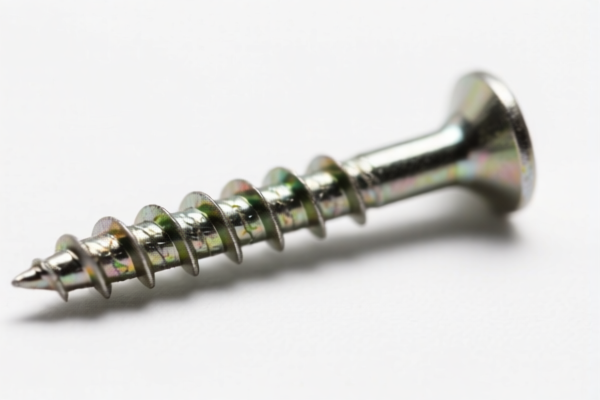
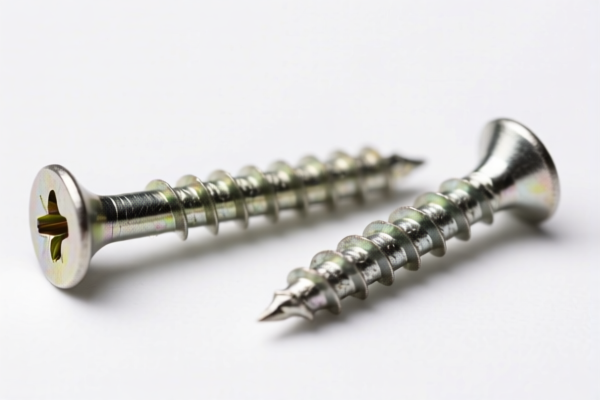
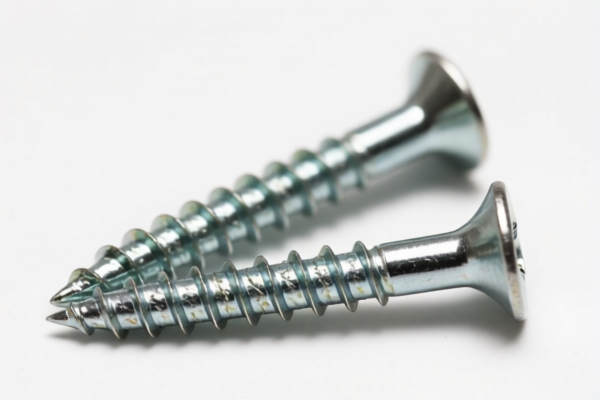
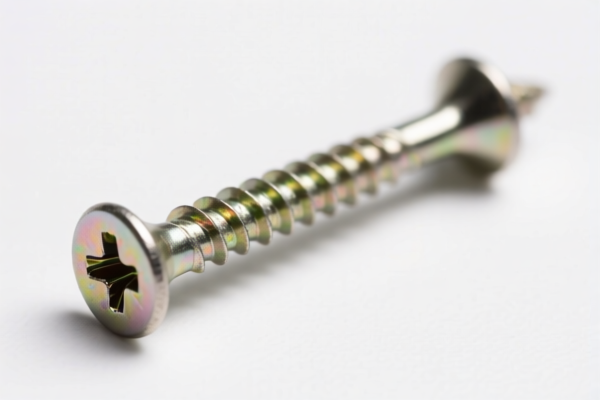
AI Analysis
🖌️ Steel Self-Tapping Screws (Industrial Fasteners)
🌐 HS Code Reference & Customs Clearance Guide | 2026 Latest Tariff Analysis | Professional Compliance Strategy
📌 1. Product Definition & Classification: Are You Sure It’s Just a "Screw"?
Steel Self-Tapping Screws are high-strength fasteners designed to create their own mating thread as they are driven into pre-drilled holes or directly into softer materials (like sheet metal or plastic). They feature a sharp point and a specialized thread profile.
In international trade, these are strictly differentiated by Material Composition (Carbon Steel vs. Stainless Steel) and Dimensional Specifications (Diameter ≥ 6mm). Misclassification often leads to severe tariff penalties or customs holds.
⚠️ Critical Distinction Points:
- Material: Must be clearly defined as "Steel" (usually Carbon/Alloy) or "Stainless Steel". "Steel" in HS codes typically excludes stainless unless specified.
- Diameter: Items with a diameter ≥ 6mm fall under specific sub-headings compared to smaller screws.
- Form: Standard threaded body vs. specialized forms like "Socket" types.
📦 2. HS Code Classification Matrix (Based on Provided Data)
| HS Code | Product Description | Material/Type | Diameter Spec | Classification Logic |
|---|---|---|---|---|
7318.14.50.80 |
Steel Self-Tapping Screws | Carbon Steel (Non-Stainless) | Diameter ≥ 6mm | Fits the definition for larger diameter steel screws that are not stainless. |
7318.14.50.20 |
Stainless Steel Self-Tapping Screws | Stainless Steel | General/Specific | Matches the material and form definition for stainless variants under this specific tariff line. |
7318.14.10.30 |
Stainless Steel Self-Tapping Screws | Stainless Steel | Specific Application | Meets material and usage restrictions for this specific stainless sub-category. |
7318.14.10.60 |
Black Self-Tapping Screws | Carbon Steel (Inferred) | General | "Black" finish usually indicates carbon steel with a black oxide coating; non-stainless classification. |
7326.90.86.88 |
Stainless Steel Socket Self-Tapping Screws | Stainless Steel | Specialized Form | Classified as "Other articles of iron/steel" (Parts/Components) due to the "Socket" form factor. |
🔍 Key Insight:
- The code7318.14generally covers screws and bolts.
- The distinction between.10and.50often hinges on specific dimensional thresholds or material grades.
-7326.90is a "catch-all" for steel articles not specified elsewhere, used here for the Socket type screw.
💰 3. 2026 Tariff Rate Breakdown (Detailed Tax Analysis)
✅ Applicable Country: United States (US)
✅ Origin: China (CN)
✅ Effective Date: Current Trade War Tariffs (Section 301 + IEEPA)
The data provided indicates a cumulative high-tax environment for these steel products.
🎯 1. 7318.14.50.80 – Carbon Steel Screws (Diameter ≥ 6mm)
| Item | Detail |
|---|---|
| Base Tariff | 8.6% |
| Section 301 Tariff | +25.0% |
| Section 122 Tariff | +10.0% |
| Section 232 (Steel/Aluminum) | +50.0% |
| Total Tax Rate | 93.6% |
| Tax Calculation | CIF Value × 93.6% |
📌 Explanation:
- Base (8.6%): Standard Most Favored Nation (MFN) rate for general screws.
- Section 301 (+25%): Retaliatory tariffs on Chinese imports.
- Section 122 (+10%): Specific tariff on steel/aluminum products.
- Section 232 (+50%): National security tariffs on steel products.
- Total: Approaches 1x the value of the goods, making this highly sensitive to cost management.
🎯 2. 7318.14.50.20 – Stainless Steel Screws (Specific Code)
| Item | Detail |
|---|---|
| Base Tariff | 8.6% |
| Section 301 Tariff | +25.0% |
| Section 122 Tariff | +10.0% |
| Section 232 (Steel/Aluminum) | +50.0% |
| Total Tax Rate | 93.6% |
| Tax Calculation | CIF Value × 93.6% |
📌 Note:
- Despite being "Stainless," if classified under this specific HS code with the same trade policy applicability, the rate remains 93.6%.
- Stainless steel is often still subject to Section 232 if deemed a "steel product" under USITC rulings.
🎯 3. 7318.14.10.30 – Stainless Steel Screws (Usage Limited)
| Item | Detail |
|---|---|
| Base Tariff | 6.2% |
| Section 301 Tariff | +25.0% |
| Section 122 Tariff | +10.0% |
| Section 232 (Steel/Aluminum) | +50.0% |
| Total Tax Rate | 91.2% |
| Tax Calculation | CIF Value × 91.2% |
📌 Optimization Opportunity:
- Base rate is slightly lower (6.2% vs 8.6%) due to specific usage/material classification.
- Total rate is 91.2%, saving 2.4% compared to the.50codes. This is a critical margin saver.
🎯 4. 7318.14.10.60 – Black Carbon Steel Screws
| Item | Detail |
|---|---|
| Base Tariff | 6.2% |
| Section 301 Tariff | +25.0% |
| Section 122 Tariff | +10.0% |
| Section 232 (Steel/Aluminum) | +50.0% |
| Total Tax Rate | 91.2% |
| Tax Calculation | CIF Value × 91.2% |
📌 Note:
- Similar to the stainless.10.30code, the base rate is 6.2%.
- "Black" screws are inferred as carbon steel. Ensure materials are clearly declared to avoid misclassification.
🎯 5. 7326.90.86.88 – Stainless Steel Socket Self-Tapping Screws
| Item | Detail |
|---|---|
| Base Tariff | 2.9% |
| Section 301 Tariff | +25.0% |
| Section 122 Tariff | +10.0% |
| Section 232 (Steel/Aluminum) | +50.0% |
| Total Tax Rate | 87.9% |
| Tax Calculation | CIF Value × 87.9% |
📌 Best Rate Opportunity:
- This code offers the lowest total tax rate at 87.9%.
- Why? The base rate is significantly lower (2.9%) because "Socket" screws are classified as "Other articles" rather than standard fasteners, potentially bypassing the highest base tariff brackets for standard screws.
- Condition: The screw must be a "Socket" type (e.g., hex socket, Allen head) to qualify. Standard Phillips/Slotted screws cannot use this code.
🛠️ 4. Customs Clearance Practical Advice (Risk Avoidance Guide)
✅ 1. Documentation Checklist (Essential for Smooth Clearance)
| Document | Requirement | Reason |
|---|---|---|
| ✅ Material Declaration | Must specify "Carbon Steel" or "Stainless Steel (Grade 304/316)" | Determines HS Code and Section 232 applicability. |
| ✅ Diameter Specification | Must state exact diameter (e.g., "M6", "1/4 inch") | Crucial for distinguishing between 10.xx and 50.xx codes. |
| ✅ Thread Type | Specify "Self-Tapping" and drive type (Phillips, Hex, Socket, etc.) | "Socket" drives allow for the lower tax code 7326.90.86.88. |
| ✅ Commercial Invoice | Must include HS Code, Country of Origin (China), and CIF Value. | Prevents arbitrary valuation by customs. |
| ✅ Product Photos | Clear images of the screw head (drive type) and thread. | Verifies "Socket" vs. standard head. |
✅ 2. Strategic Classification Tips
| Scenario | Recommended Action |
|---|---|
| If using Socket/Allen Head | Insist on 7326.90.86.88. The 87.9% rate is 5.7% lower than standard screws. This is a major cost saving. |
| If using Phillips/Slotted Head | Use 7318.14.10.30 or .10.60 (91.2%) if possible. Avoid 7318.14.50.xx (93.6%) if the product fits the .10 definitions. |
| Material Ambiguity | Never claim "Stainless" if it is Carbon. Provide mill certificates. Mislabeling Stainless as Carbon (or vice versa) can lead to fraud allegations. |
| Diameter < 6mm | If your screws are < 6mm, these specific codes may not apply. You must check other sub-headings (not provided in data) which may have different rates. |
✅ 3. Special Considerations for US Imports
| Issue | Advice |
|---|---|
| Section 232 Exemptions | Check if your stainless steel alloy qualifies for any specific exemptions, though rates remain high. |
| De Minimis | ❌ Not Eligible. Shipments under $800 cannot avoid these tariffs for China-origin steel products. |
| Supply Chain Diversion | While some companies shift assembly to Vietnam/Mexico, Origin rules are strict. If the steel is melted/produced in China, the tariff likely still applies. |
🌍 5. Summary of Tax Efficiency
| Rank | HS Code | Total Tax | Material/Type | Recommendation |
|---|---|---|---|---|
| 🥇 | 7326.90.86.88 |
87.9% | Stainless Socket Screw | BEST RATE: Use if product has Socket/Allen drive. |
| 🥈 | 7318.14.10.30 |
91.2% | Stainless Screw | GOOD RATE: Use for standard stainless screws if eligible. |
| 🥈 | 7318.14.10.60 |
91.2% | Black Carbon Screw | GOOD RATE: Use for black oxide carbon screws. |
| 🥉 | 7318.14.50.80 |
93.6% | Carbon Screw (≥6mm) | HIGHEST RATE: Avoid if possible; switch to .10 codes or Socket design. |
| 🥉 | 7318.14.50.20 |
93.6% | Stainless Screw | HIGHEST RATE: Avoid if .10.30 is applicable. |
📌 6. Common Mistakes & Pitfalls
❌ Mistake 1: Classifying all stainless screws under 7318.14.50.20 (93.6%) when they could fit 7318.14.10.30 (91.2%).
👉 Result: Overpaying 2.4% on every shipment.
✅ Fix: Review the specific definition of .10 vs .50 in the latest USITC notes.
❌ Mistake 2: Classifying Socket Head Capscrews under 7318.14 instead of 7326.90.
👉 Result: Paying 93.6% instead of 87.9%.
✅ Fix: Explicitly state "Socket Head" or "Allen Drive" in the description to qualify for 7326.90.86.88.
❌ Mistake 3: Ignoring the Diameter Threshold.
👉 Result: If diameter is < 6mm, using these codes will cause a rejection.
✅ Fix: Verify dimensions. If < 6mm, seek alternative HS Codes.
🎯 7. Conclusion: Optimize Your Fastener Imports
🎯 Key Takeaway:
- Cost Saving: Switching from a standard classification to a Socket Head classification (7326.90.86.88) saves 5.7% in total tariffs.
- Material Precision: Correctly identifying Carbon vs. Stainless and matching it to the .10 vs .50 sub-code saves 2.4%.
- Total Impact: For a $100,000 shipment, these optimizations can save $8,100–$10,000 in taxes.
📣 Immediate Action:
🔍 Audit your current HS Codes: Are you using
.50codes when.10or7326applies?
📝 Update Descriptions: Include "Socket," "Stainless 304," "Diameter M6," etc.
🚀 Consult a Customs Broker: Request a Pre-Ruling for your specific screw designs to lock in the lowest possible rate.
✨ Precision Classification is Profit Protection!
💼 Don't let classification errors cost you 90%+ in taxes!
Customer Reviews
About HS Code Classification
The Harmonized System (HS) is an internationally standardized nomenclature developed by the World Customs Organization (WCO) to classify traded products. Over 200 countries use the HS system as the basis for customs tariffs, trade statistics, and import/export regulations.
Each HS code follows a hierarchical structure:
- Chapter (2 digits) — Broad category of goods (e.g., Chapter 84: Machinery and Mechanical Appliances)
- Heading (4 digits) — More specific grouping within the chapter
- Subheading (6 digits) — Internationally standardized breakdown, used by all WCO member countries
- National subdivisions (8-10 digits) — Country-specific extensions for further classification, such as US HTSUS 10-digit codes
Correct HS code classification is essential for smooth customs clearance, accurate duty payment, and compliance with trade regulations. Misclassification can lead to customs delays, overpayment of duties, or penalties.
When importing from CN to US, the applicable tariff rates may include:
- Most-Favored-Nation (MFN) rate — The standard duty rate applied to WTO members
- General rate — Applied to countries without trade agreements
- Trade remedy duties — Additional tariffs such as Section 301 (anti-dumping), Section 232 (national security), or countervailing duties
The information provided on this page is for reference purposes only. For official classification, please consult with your local customs authority or a licensed customs broker.