Steelmaking Slag Aggregate
CN → US| HS Code | Tariff Rate | Origin | Destination | Doc |
|---|---|---|---|---|
| 261900 | 0.0% | CN | US | Official Doc |
| 382499 | 0.0% | CN | US | Official Doc |
Product Images
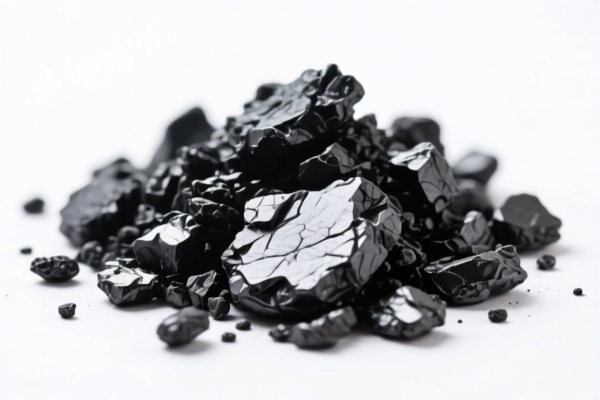


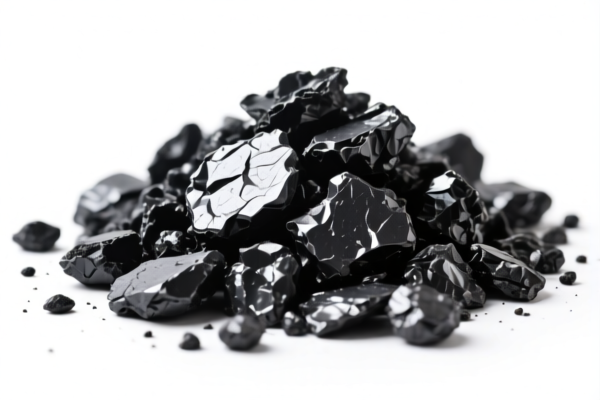
AI Analysis
🏗️ Steelmaking Slag Aggregate (Industrial Mineral By-Product)
🌐 HS Code Classification & Customs Clearance Guide | 2026 Latest Tariff Analysis | Strategic Compliance Strategy
📌 I. Product Definition & Classification: Do You Truly Understand "Slag"?
Steelmaking slag aggregate is a critical by-product of the steel manufacturing process, transformed from waste into a valuable construction resource. In international trade, it is primarily categorized based on its chemical composition, form, and intended reuse potential. It is not a primary mineral but a secondary raw material.
1. Steelmaking Slag Aggregate (Primary Classification):
The specific, processed aggregate derived directly from basic oxygen or electric arc furnaces, used for road bases, construction fill, or cement production.
2. Other Waste and Scrap (Secondary Classification):
Unprocessed or mixed industrial waste containing steel slag, suitable for general reuse or recycling but not meeting the specific criteria for the primary slag code.
⚠️ Critical Distinction:
- If the material is processed, sized, and intended for construction (e.g., road base), it leans towards 2619.00.
- If it is mixed scrap, unprocessed, or falls under "other waste" not elsewhere specified, it may fall under 3824.99.
- Note: The provided data indicates that tax information for these codes returned an "Error" status, meaning tariff rates are undetermined or require manual verification with local customs authorities.
📦 II. HS Code Classification Details (Based on Provided Data)
| HS Code | Product Description | Applicability | Key Characteristics |
|---|---|---|---|
2619.00 |
Steelmaking Slag Aggregate | Construction material, road base applications | Derived directly from steel production by-products; processed aggregate. |
3824.99 |
Other Waste and Scrap | Industrial reuse, construction processes | Includes steelmaking slag not elsewhere specified; general industrial waste/scrap. |
🔍 Important Reminder:
- Code2619.00is the most precise fit for processed steelmaking slag used in construction.
- Code3824.99is a catch-all for waste/scrap that doesn’t fit other specific categories. Misclassification here can lead to customs delays.
- Tax Status: Both codes showtotal_tax: "Error"andtax_detail: "Failed to retrieve tax information". Do not assume zero duty!
💰 III. 2026 Latest Tariff Rate Details (Critical Warning)
✅ Status: TAX RETRIEVAL FAILED
✅ Implication: NO CONFIRMED RATE AVAILABLE IN SYSTEM
✅ Action Required: Manual Verification Mandatory
🚨 1. Codes 2619.00 & 3824.99 – Tax Information Error
| Item | Content |
|---|---|
| Basic Duty Rate | UNKNOWN (System Error) |
| Additional Taxes | UNKNOWN (System Error) |
| Total Estimated Duty | UNCERTAIN |
| Recommendation | DO NOT USE ESTIMATED COSTS |
| Legal Basis Path | N/A (Data retrieval failed) |
📌 Explanation:
- The system failed to retrieve any tax information for these HS Codes.
- This does not mean the duty is 0%. It means the data is missing.
- Steelmaking slag may be subject to:
- Standard Import Duty (varies by country, e.g., 0–5% in some regions for recycled aggregates).
- Environmental Taxes (in countries with strict waste regulations).
- Anti-Dumping Duties (in specific markets with trade barriers on industrial by-products).
- Risk: Assuming no duty could lead to severe penalties, back taxes, and shipment holds.
🛠️ IV. Customs Clearance Practical Advice (Real-World Pitfall Guide)
✅ 1. Required Documentation List (Non-Negotiable)
| Document | Must Provide | Explanation |
|---|---|---|
| ✅ Material Safety Data Sheet (MSD/SDS) | ✔️ | Proves the slag is non-hazardous and meets environmental standards. |
| ✅ Certificate of Origin (CO) | ✔️ | Critical for determining preferential duty rates (if any). |
| ✅ Product Specification Sheet | ✔️ | Details particle size, chemical composition, and intended use (e.g., "Road Base Aggregate"). |
| ✅ Commercial Invoice | ✔️ | Clearly state: "Steelmaking Slag Aggregate, HS Code 2619.00, for Construction Use." |
| ✅ Packing List | ✔️ | Specify net/gross weight; ensure consistency with CO. |
| ✅ Third-Party Lab Test Report | ✔️ | Confirms no hazardous contaminants (e.g., heavy metals) exceed import limits. |
| ✅ Pre-Shipment Inspection Certificate | ✔️ | Required by some countries to verify quality and quantity. |
✅ 2. Declaration Tips (Key Mnemonics)
🔥 "Be Precise, Prove Clean, Avoid 'Waste' Label!"
| Scenario | Correct Declaration | Wrong Practice |
|---|---|---|
| Processed Slag for Road Base | 2619.00 – "Steelmaking Slag Aggregate" |
Using "Scrap Metal" or "Waste" → Higher duty/Regulatory hurdles |
| Unprocessed/Mixed Slag | 3824.99 – "Other Waste and Scrap" |
Forcing 2619.00 → Misclassification penalty |
| Hazardous Contamination | DO NOT IMPORT | Hiding contamination → Shipment rejection & fines |
| Vague Description | "Iron Oxide Residue" | "Industrial Waste" → Customs query & delay |
✅ 3. Special Case Handling
| Scenario | Handling Advice |
|---|---|
| OEPC Custom Slag | Provide client contract + technical specs to prove intended use. |
| Slag with High Heavy Metals | Must pass environmental compliance tests in the destination country. |
| Slag for Cement Production | Declare as "Raw Material for Cement," not "Waste," to avoid waste regulations. |
| Slag for Military/Aerospace | Rare, but if applicable, provide specific end-use certification for exemption. |
🌍 V. Global Market Customs Comparison (2026 Latest)
| Country/Region | Recommended HS Code | Estimated Duty* | Certification Requirements | Notes |
|---|---|---|---|---|
| 🇺🇸 United States | 2619.00 or 3824.99 |
UNDETERMINED (Check USITC) | EPA Compliance, MSDS | High scrutiny on environmental impact. |
| 🇨🇳 China | 2619.00 |
UNDETERMINED (Check PRC Customs) | CCC (if applicable), Environmental Permit | Strict import controls on waste. |
| 🇪🇺 European Union | 2619.00 |
UNDETERMINED (Check EU Tariff) | REACH Compliance, MSDS | Strict classification as "Waste" vs. "Product." |
| 🇦🇺 Australia | 2619.00 |
UNDETERMINED (Check ABF) | EPA Approval, Biosecurity Check | Environmental regulations are strict. |
| 🇯🇵 Japan | 2619.00 |
UNDETERMINED (Check NEXI) | Environmental Standards | High quality control requirements. |
📌 Conclusion:
- All major markets require manual verification of duty rates for2619.00and3824.99due to data errors.
- Environmental compliance (MSDS, Lab Tests) is the most critical factor for clearance.
- Mislabeling as "Waste" can trigger high tariffs or import bans in strict jurisdictions.
📌 VI. Common Errors & Pitfall Guide (Lessons Learned)
❌ Error 1: Declaring processed slag as "Scrap Metal"
👉 Consequence: Misclassification → Higher duty + Environmental review delays.
❌ Error 2: Omitting MSDS or Lab Test Reports
👉 Consequence: Customs holds shipment for hazardous material testing → Weeks of delay.
❌ Error 3: Assuming 0% duty due to "Recycled Material" status
👉 Consequence: Back taxes + Penalties when rate is actually 1–5% or higher.
❌ Error 4: Using vague descriptions like "Industrial By-Product"
👉 Consequence: Customs requests clarification → Demurrage charges at port.
✅ Correct Practice:
"Steelmaking Slag Aggregate, Processed, for Road Base Use, Non-Hazardous, HS Code 2619.00, MSDS Attached, Certificate of Origin Enclosed."
🎯 VII. Conclusion: Precision in Classification Saves Cost & Time!
🎯 Remember the Mnemonic:
🔹 "Processed is Product, Waste is Waste; Declare Clean, Avoid the Haste!"
🔹 "HS Code 2619.00 for Aggregate, 3824.99 for Scrap; Verify Taxes, Avoid the Gap!"
📌 Pro Tip:
- Always request a Pre-Ruling from the destination country’s customs authority for 2619.00 and 3824.99 before shipment.
- Engage a Local Customs Broker to verify current tariff rates, as system data is currently "Error."
- Prepare Environmental Documentation proactively to prevent holds.
📣 Immediate Action:
📞 Contact Local Customs Broker + Provide MSDS + Apply for HS Code Pre-Ruling
🚀 Ensure Smooth Clearance, Avoid Delays, Optimize Costs!
✨ Professional Clearance Starts with Accurate Classification!
💼 Every Penny Saved is a Penny Earned!
Customer Reviews
About HS Code Classification
The Harmonized System (HS) is an internationally standardized nomenclature developed by the World Customs Organization (WCO) to classify traded products. Over 200 countries use the HS system as the basis for customs tariffs, trade statistics, and import/export regulations.
Each HS code follows a hierarchical structure:
- Chapter (2 digits) — Broad category of goods (e.g., Chapter 84: Machinery and Mechanical Appliances)
- Heading (4 digits) — More specific grouping within the chapter
- Subheading (6 digits) — Internationally standardized breakdown, used by all WCO member countries
- National subdivisions (8-10 digits) — Country-specific extensions for further classification, such as US HTSUS 10-digit codes
Correct HS code classification is essential for smooth customs clearance, accurate duty payment, and compliance with trade regulations. Misclassification can lead to customs delays, overpayment of duties, or penalties.
When importing from CN to US, the applicable tariff rates may include:
- Most-Favored-Nation (MFN) rate — The standard duty rate applied to WTO members
- General rate — Applied to countries without trade agreements
- Trade remedy duties — Additional tariffs such as Section 301 (anti-dumping), Section 232 (national security), or countervailing duties
The information provided on this page is for reference purposes only. For official classification, please consult with your local customs authority or a licensed customs broker.