Steering Gear
CN → US| HS Code | Tariff Rate | Origin | Destination | Doc |
|---|---|---|---|---|
| 8708947510 | 0.0% | CN | US | Official Doc |
| 8708947550 | 0.0% | CN | US | Official Doc |
| 8483103010 | 37.5% | CN | US | Official Doc |
| 7326190080 | 87.9% | CN | US | Official Doc |
| 7326908688 | 87.9% | CN | US | Official Doc |
Product Images
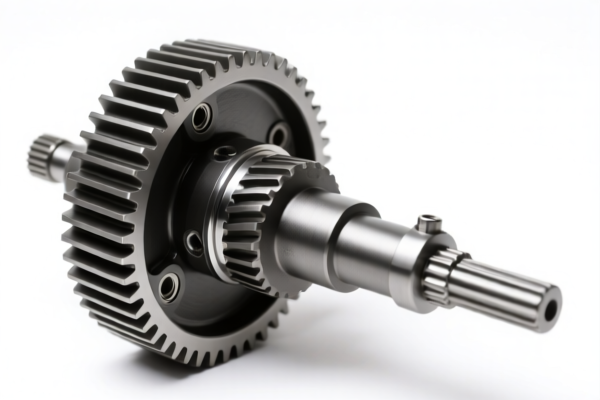
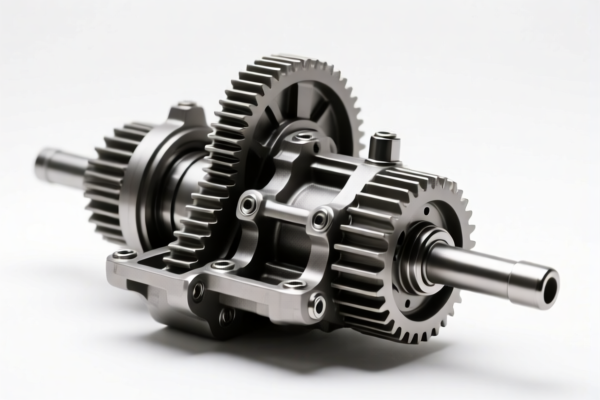
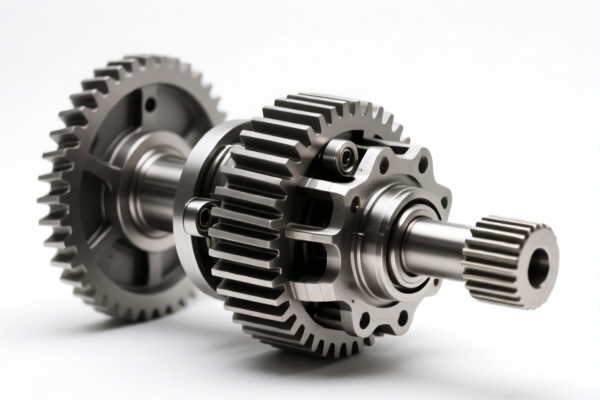
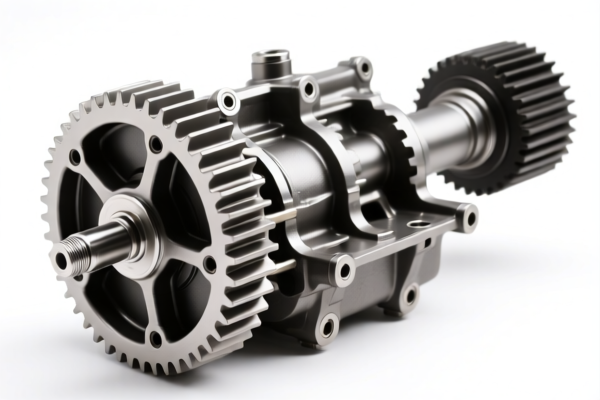
AI Analysis
🚗 Steering Gear (Steering Columns & Axles) – The Nuts and Bolts of Automotive Navigation
🌐 HS Code Reference & Customs Clearance Guide | 2026 Latest Tariff Analysis | Professional Clearance Strategy
📌 I. Product Definition: What Exactly is "Steering Gear"?
"Steering Gear" is a broad term in the automotive industry. In international trade, it primarily refers to the Steering Column and its associated components, which are critical parts of the vehicle's steering system. These parts transmit the driver's input from the steering wheel to the steering gear mechanism.
However, customs classification is not just about function; it’s also about material, specific component type, and how it’s finished. The data provided suggests four distinct classification paths depending on the exact nature of the part:
⚠️ Key Distinction Points:
- Functional Classification: Is it strictly a steering system part? → Look at 8708.
- Mechanical Classification: Is it viewed as a transmission shaft (kinematic function)? → Look at 8483.
- Material Classification: Is it viewed primarily as a metal article (steel)? → Look at 7326.
📦 II. HS Code Classification Details (Based on Provided Data)
The following table maps the potential HS Codes to their specific logical justifications and tax implications.
| HS Code | Product Description | Justification for Classification | Total Tax Rate (China → US) |
|---|---|---|---|
8708.94.75.10 |
Steering Column Parts | Classified under "Parts and accessories of motor vehicles" → "Steering gear." Specifically identified as a steering column. | 37.5% |
8708.94.75.50 |
Other Steering Parts | Classified under "Parts and accessories of motor vehicles" → "Steering gear." Fails specific sub-heading for columns, defaults to other. | 37.5% |
8483.10.30.10 |
Transmission Shafts | Classified under "Transmission shafts... including camshafts and crankshafts." Viewed as a kinematic component rather than a vehicle part. | 37.5% |
7326.19.00.80 |
Steel Articles (Other) | Classified under "Other articles of iron or steel." Inferred primarily by material (Steel) as a manufactured component. | 87.9% |
7326.90.86.88 |
Other Iron/Steel Articles | Classified under "Other articles of iron or steel." Viewed as a metal fitting/component due to material dominance. | 87.9% |
🔍 Critical Insight:
- The lowest tax rate (37.5%) is achieved when the product is correctly identified as a Vehicle Part (Chapter 87) or a Mechanical Shaft (Chapter 84).
- The highest tax rate (87.9%) applies if the product is misclassified purely as a Generic Steel Article (Chapter 73), which attracts the highest punitive tariffs for steel/aluminum/copper products from China.
💰 III. 2026 Tariff Rate Breakdown (Including Additional Duties)
✅ Applicable Country: United States (US)
✅ Origin: China (CN)
✅ Status: High Tariff Environment
🎯 1. The "Lowest Risk" Group: HS Codes 8708 & 8483 (Tax: 37.5%)
These codes benefit from a standard MFN base rate but attract significant punitive tariffs.
| Item | Detail |
|---|---|
| Base Duty (MFN) | 2.5% (For 8708/8483) or 2.9% (For 7326 - Higher Base) |
| Section 301 Duty (25%) | +25.0% |
| Section 122 Duty (10%) | +10.0% |
| Steel/Aluminum/Copper Surcharge | +50.0% |
| Total Effective Rate | 37.5% (For 8708/8483) 87.9% (For 7326) |
| Calculation Basis | CIF Value (Cost + Insurance + Freight) × Total Rate |
| De Minimis Exemption | ❌ Not Eligible (Deny De Minimis) |
📌 Explanation of the 37.5% Rate:
- Base: 2.5% (Standard MFN for auto parts/shafts)
- Section 301: +25.0%
- Section 122: +10.0%
- Total: 2.5 + 25 + 10 = 37.5%📌 Explanation of the 87.9% Rate:
- Base: 2.9% (Standard MFN for steel articles)
- Section 301: +25.0%
- Section 122: +10.0%
- Steel Surcharge: +50.0% (Specific to Chapter 73 steel articles from China)
- Total: 2.9 + 25 + 10 + 50 = 87.9%
🛠️ IV. Customs Clearance Practical Advice (Avoiding Pitfalls)
✅ 1. Documentation Checklist (Non-Negotiable)
| Document | Required? | Notes |
|---|---|---|
| Product Specification Sheet | ✅ Yes | Must clearly define if it is a "Steering Column" or "Transmission Shaft." |
| Material Certificate | ✅ Yes | Proof of composition. If steel, ensure it doesn't trigger Chapter 73 misclassification. |
| Commercial Invoice | ✅ Yes | Must list HS Code and clearly state "Steering Column for Automotive Use." |
| Certificate of Origin (CO) | ✅ Yes | Required to prove Chinese origin (and thus apply Section 301/122 rates). |
| Packing List | ✅ Yes | Ensure no mixed shipments with non-auto parts that could confuse customs. |
✅ 2. Classification Strategy & Keywords
🔥 "Function Over Material: Claim Auto Parts, Not Just Steel!"
| Scenario | Recommended HS Code | Reasoning | Risk Level |
|---|---|---|---|
| Steering Column Assembly | 8708.94.75.10 |
Clearly a vehicle part. Avoids Chapter 73 steel surcharge. | 🟢 Low Tax |
| Generic Shaft/Metal Part | 8483.10.30.10 |
Classified as a machine element. Still avoids Chapter 73 surcharge. | 🟢 Low Tax |
| Raw/Unfinished Steel Shaft | 7326.19.00.80 |
Looks like a generic steel article. Triggers +50% steel surcharge. | 🔴 Critical High Tax |
| Ambiguous Metal Component | 7326.90.86.88 |
Last resort if function is unclear. Triggers +50% steel surcharge. | 🔴 Critical High Tax |
⚠️ Critical Warning:
Do NOT declare a Steering Column as "Steel Shaft" or "Metal Fitting" unless it is truly a generic component. Customs officers will apply the Chapter 73 (87.9%) rate if they perceive the item primarily as a steel product rather than an automotive component.
✅ 3. Common Errors & How to Avoid Them
| Error | Consequence | Solution |
|---|---|---|
| Misdeclaring as "Steel Part" | Paying 87.9% instead of 37.5%. | Use terms like "Steering Column," "Automotive Steering Gear," not "Steel Shaft." |
| Ignoring Section 122 | Underestimating total duty. | Ensure your broker accounts for the additional 10% specific tariff. |
| Assuming De Minimis Applies | Cargo seizure or penalty. | Section 301 goods (Chapter 87/84/73) are generally excluded from the $800 de minimis exemption. |
| Incorrect Material Declaration | Audits and fines. | Provide accurate mill certificates. If it’s steel, acknowledge it but emphasize the functional classification (Chapter 87). |
🌍 V. Global Market Comparison (2026 Snapshot)
| Market | Recommended HS Code | Est. Duty Rate | Notes |
|---|---|---|---|
| 🇺🇸 USA | 8708.94.75.10 |
37.5% | High punitive tariffs (301+122). Avoid Chapter 73. |
| 🇨🇳 China | 8708.94.75.10 |
~5-10% | Lower base rates. No US punitive tariffs. |
| 🇪🇺 EU | 8708.94.00 |
~4.5% | Standard automotive parts duty. No Section 301. |
| 🇯🇵 Japan | 8708.94.00 |
~5% | FTA benefits may apply depending on rules of origin. |
📌 Conclusion:
The United States is the most challenging market due to layered punitive tariffs. Classification accuracy is paramount to saving 50.4% in duty (difference between 37.5% and 87.9%).
📌 VI. Conclusion & Action Plan
🎯 Remember:
🔹 "Automotive Function > Steel Material"
🔹 "Chapter 87 saves you 50% vs. Chapter 73"
🔹 "Declare 'Steering Column', not 'Steel Shaft'"
✅ Action Steps:
1. Confirm Function: Ensure the product is used in a vehicle’s steering system.
2. Select HS Code: Use 8708.94.75.10 for steering columns or 8483.10.30.10 for shafts.
3. Avoid Chapter 73: Do not use 7326 codes unless the item is purely a generic steel part not specific to auto/ machinery.
4. Consult Broker: File an Advance Ruling with US Customs to lock in the 37.5% rate.
📣 Final Note:
Proper classification isn't just about compliance; it's about profit protection. A $10,000 shipment misclassified under Chapter 73 costs you $8,790 in duties. Classified correctly under Chapter 87, it costs $3,750. That’s a $5,040 savings on a single shipment.
🚀 Clear Cargo, Clear Profits.
Customer Reviews
About HS Code Classification
The Harmonized System (HS) is an internationally standardized nomenclature developed by the World Customs Organization (WCO) to classify traded products. Over 200 countries use the HS system as the basis for customs tariffs, trade statistics, and import/export regulations.
Each HS code follows a hierarchical structure:
- Chapter (2 digits) — Broad category of goods (e.g., Chapter 84: Machinery and Mechanical Appliances)
- Heading (4 digits) — More specific grouping within the chapter
- Subheading (6 digits) — Internationally standardized breakdown, used by all WCO member countries
- National subdivisions (8-10 digits) — Country-specific extensions for further classification, such as US HTSUS 10-digit codes
Correct HS code classification is essential for smooth customs clearance, accurate duty payment, and compliance with trade regulations. Misclassification can lead to customs delays, overpayment of duties, or penalties.
When importing from CN to US, the applicable tariff rates may include:
- Most-Favored-Nation (MFN) rate — The standard duty rate applied to WTO members
- General rate — Applied to countries without trade agreements
- Trade remedy duties — Additional tariffs such as Section 301 (anti-dumping), Section 232 (national security), or countervailing duties
The information provided on this page is for reference purposes only. For official classification, please consult with your local customs authority or a licensed customs broker.