Stone Paving and Building Stone
CN → US| HS Code | Tariff Rate | Origin | Destination | Doc |
|---|---|---|---|---|
| 6802230000 | 38.7% | CN | US | Official Doc |
| 6802291000 | 39.9% | CN | US | Official Doc |
Product Images
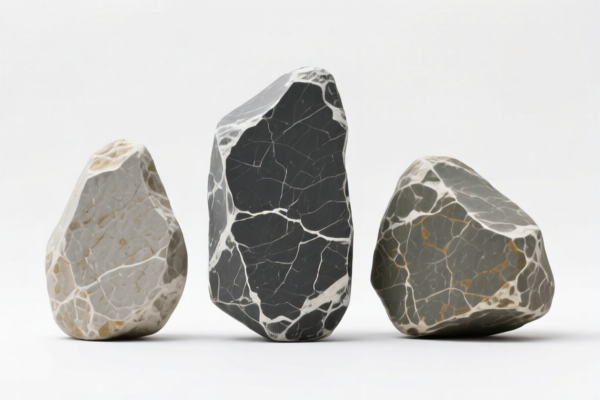
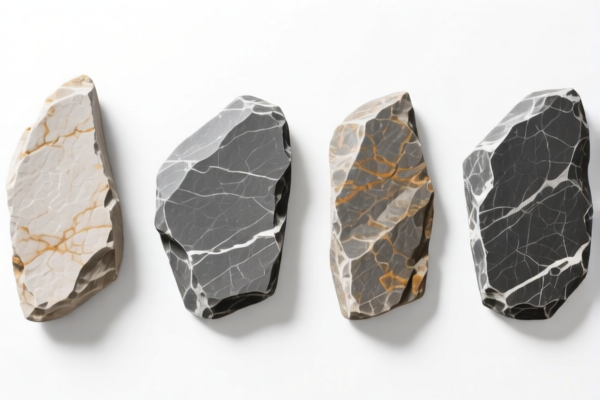
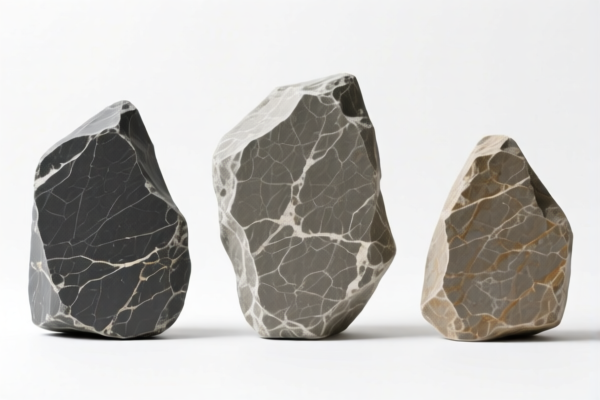
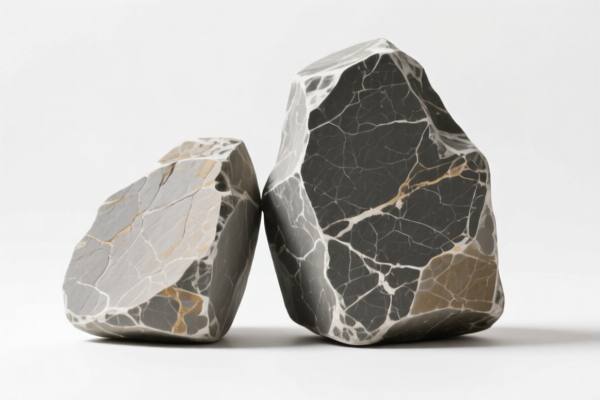
AI Analysis
🏛️ Stone Paving & Building Stone (Granite & Calcareous)
🌐 HS Code Reference & Clearance Guide | 2026 Latest Tariff Analysis | Professional Customs Strategy
📌 I. Product Definition & Classification: Do You Know Your Stone?
"Worked monumental or building stone" refers to natural stone that has been cut, sawn, or shaped for construction, monumental, or decorative purposes. It excludes slate (heading 6801) and excludes mosaics or colored granules.
In international trade, this category is primarily divided into two critical sub-categories based on the mineral composition and surface treatment:
1. Granite (Hard, Igneous Stone)
Characteristics: High durability, heat resistant, dense.
Key Identifier: Typically gray, pink, or speckled; used for high-traffic flooring, facades, and monuments.
HS Code Focus: 6802.23.00.00*
2. Calcareous Stone (Limestone, Travertine, Alabaster - Excluding Marble)
Characteristics: Softer than granite, susceptible to acid etching, often lighter in color.
Key Identifier: If it reacts with vinegar (acid test) and is not marble/travertine/alabaster, it falls here.
HS Code Focus: 6802.29.10.00*
⚠️ Key Distinction Point:
- If the stone is Granite → Use 6802.23.00.00
- If the stone is Calcareous (Limestone/etc.) → Use 6802.29.10.00
- Note: Marble is a different heading and not included in this specific data scope.
📦 II. HS Code Classification Details (2026 Latest Tariff Authority Comparison)
| HS Code | Product Description | Application Scenario | Stone Type |
|---|---|---|---|
6802.23.00.00 |
Other monumental or building stone and articles thereof, simply cut or sawn, with a flat or even surface: Granite | Granit tiles, slabs, monuments, curbstones | ✅ Granite (Igneous) |
6802.29.10.00 |
Other monumental or building stone and articles thereof, simply cut or sawn, with a flat or even surface: Calcareous stone, other than marble, travertine or alabaster | Limestone pavers, travertine (if misclassified or specific exclusions apply), architectural blocks | ✅ Calcareous (Sedimentary) |
🔍 Important Reminder:
- 6802.23.00.00 is for Granite. It has 0% Basic Tariff.
- 6802.29.10.00 is for Calcareous Stone (non-marble). It has a 4.9% Basic Tariff.
- Both categories are subject to 25% Additional Tariff if originating from China (under Section 301 trade remedies).
- Do not confuse "Calcareous Stone" with "Marble." Marble has its own specific sub-headings not listed in the provided data.
💰 III. 2026 Latest Tariff Rate Breakdown (Including Additional Taxes)
✅ Applicable Country: United States (US)
✅ Origin: China (CN)
✅ Effective Date: Current Section 301 Tariffs Apply
🎯 1. 6802.23.00.00 —— Granite (Simply Cut/Sawn, Flat Surface)
| Item | Content |
|---|---|
| Basic Tariff | 0% (Ad Valorem) |
| Additional Tariff (Section 301) | +25.0% |
| Total Tariff Rate | 25.0% |
| Tax Calculation | CIF Value × 25% |
| De Minimis Exemption | ❌ Not Applicable (Goods subject to Section 301 are excluded from de minimis relief) |
| Legal Basis | HTSUS 6802.23.00.00 → Section 301 Tariff List |
📌 Explanation:
- Basic Rate: 0% because granite is considered a high-value industrial/construction material with free trade baseline for many origins.
- Additional Rate: 25% is applied due to trade tensions (Section 301).
- Net Cost Impact: You pay 25% extra on top of the CIF value. No hidden surcharges in the provided data, but verify local port fees.
🎯 2. 6802.29.10.00 —— Calcareous Stone, Other Than Marble, Travertine or Alabaster
| Item | Content |
|---|---|
| Basic Tariff | 4.9% (Ad Valorem) |
| Additional Tariff (Section 301) | +25.0% |
| Total Tariff Rate | 29.9% |
| Tax Calculation | CIF Value × 29.9% |
| De Minimis Exemption | ❌ Not Applicable |
| Legal Basis | HTSUS 6802.29.10.00 → Section 301 Tariff List |
📌 Explanation:
- Basic Rate: 4.9% reflects the standard duty for other worked natural stones.
- Additional Rate: 25% is added due to Section 301 measures on Chinese goods.
- Net Cost Impact: 29.9% is significantly higher than granite. This is a critical cost difference for importers.
- ⚠️ Warning: If your stone is actually Marble, do NOT use this code. Marble may have different rates or exemptions. Misclassification leads to severe penalties.
🛠️ IV. Customs Clearance Practical Advice (Real-World Pitfall Avoidance)
✅ 1. Required Documentation Checklist (Essential)
| Document | Mandatory? | Notes |
|---|---|---|
| ✅ Commercial Invoice | ✔️ | Must clearly state "Granite" or "Limestone/Calcareous Stone" – do not use vague terms like "Natural Stone." |
| ✅ Packing List | ✔️ | Detail weights, dimensions, and package type (crates/pallets). |
| ✅ Product Specifications | ✔️ | Include mineral composition, surface finish (polished/honed), and dimensions. |
| ✅ Certificate of Origin | ✔️ | Essential for verifying Chinese origin and applying (or challenging) the 25% additional tariff. |
| ✅ Material Test Report | ✔️ | Crucial: A lab report confirming the stone is Granite vs. Calcareous. This determines the HS code. |
| ✅ Photos | ✔️ | Clear images of the stone texture and labels. |
✅ 2. Classification Strategy (Critical Mnemonic)
🔥 "Granite is Free Base, Calc is 4.9. Both get 25% if from China!"
| Scenario | Correct HS Code | Total Tax (China Origin) | Risk if Incorrect |
|---|---|---|---|
| Granite Slabs/Tiles | 6802.23.00.00 |
25.0% | If misclassified as Calc, you overpay 4.9%. If misclassified as unworked, penalties. |
| Limestone/Paving Stone | 6802.29.10.00 |
29.9% | If misclassified as Granite, you underpay 4.9% → Audits & Back Taxes. |
| Marble | Not in Data | Check Marble HTSUS | High Risk: Using 6802.29 for Marble is a major error. |
| Slate | Heading 6801 | Different | Using 6802 for Slate is Illegal. |
✅ 3. Special Cases & Handling
| Situation | Handling Advice |
|---|---|
| Mixed Shipment (Granite + Limestone) | Must Split! Declare Granite under 6802.23.00.00 and Limestone under 6802.29.10.00. Do not mix. |
| "Worked" Definition | The stone must be cut or sawn. Roughly split rocks may fall under a different heading (e.g., 2516). Ensure it is "worked" as per heading 6802. |
| Origin Marking | Clearly mark "Made in China" on the product or packaging. Failure to mark can lead to seizure. |
| Section 301 Exclusions | Check if your specific granite product was removed from the Section 301 tariff list (some items have been excluded in recent years). Verify current USITC exclusion lists. |
🌍 V. Global Market Clearance Comparison (2026 Context)
| Country/Region | Recommended HS Code | Basic Tariff | Additional Tariff (China) | Total (China Origin) | Notes |
|---|---|---|---|---|---|
| 🇺🇸 USA | 6802.23.00.00 (Granite) |
0% | +25% | 25% | Section 301 applies. |
| 🇺🇸 USA | 6802.29.10.00 (Calc) |
4.9% | +25% | 29.9% | Higher cost base. |
| 🇨🇳 China | 6802.23.00.00 |
Varies (Import) | N/A | Check Chinese Tariff | For imports into China. |
| 🇪🇺 EU | 6802.23 / 6802.29 | Varies (Typically 0-3%) | N/A | Likely <5% | No Section 301 equivalent, but anti-dumping may apply for certain origins. |
📌 Conclusion:
- USA is the most expensive market for Chinese stone due to the 25% Section 301 tariff on top of basic rates.
- Granite is cheaper to import than Calcareous Stone in the US (25% vs 29.9%).
- Always verify if your specific product type has been excluded from Section 301 tariffs.
📌 VI. Common Errors & Pitfall Guide (Lessons Learned)
❌ Error 1: Classifying Marble under 6802.29.10.00
👉 Consequence: High risk of audit. Marble has its own sub-headings (e.g., 6802.93/94). Misclassification leads to back taxes + penalties.
❌ Error 2: Not distinguishing Granite from Calcareous Stone
👉 Consequence:
- If you classify Calc as Granite → You underpay 4.9%. Customs will demand back payment + interest.
- If you classify Granite as Calc → You overpay. No refund easy.
❌ Error 3: Vague Description ("Natural Stone Blocks")
👉 Consequence: Customs may assign a higher default rate or detain the shipment for inspection.
❌ Error 4: Ignoring Section 301 Exclusions
👉 Consequence: Some granite products have been removed from the 25% tariff list. If you still pay 25% when exempt, you waste money. Check USITC Exclusion Lists!
✅ Correct Practice:
"Granite, Worked, Simply Sawn, Flat Surface, Polished, 3cm Thickness, Origin: China"
+ Attach Lab Report Confirming Igneous/Granite Composition.
🎯 VII. Conclusion: Professional Declaration Saves Money!
🎯 Remember the Mnemonic:
🔹 "Granite: 0% Base + 25% Add = 25%"
🔹 "Calc: 4.9% Base + 25% Add = 29.9%"
🔹 "Marble: Check Elsewhere!"
🔹 "Slate: Heading 6801!"
📌 Pro Tip:
- Get a Pre-Ruling: For large shipments, apply for an Advance Ruling from US Customs (CBP) to lock in the HS code and tariff rate.
- Verify Origin: Ensure your supplier provides accurate Country of Origin documentation. If the stone is from India or Brazil, the 25% tariff does not apply! This can save you 25-30% instantly.
📣 Immediate Action:
📞 Contact Your Broker: Provide product photos + mineral composition report.
🚀 Check Exclusions: Verify if your granite product is on the USITC Section 301 Exclusion List.
💼 Cost Optimization: If possible, source from non-Chinese countries to avoid the 25% surcharge.
✨ Professional Clearance Starts with Accurate Classification!
💼 Your Every Dollar of Tax is Worth Calculating Precisely!
Customer Reviews
About HS Code Classification
The Harmonized System (HS) is an internationally standardized nomenclature developed by the World Customs Organization (WCO) to classify traded products. Over 200 countries use the HS system as the basis for customs tariffs, trade statistics, and import/export regulations.
Each HS code follows a hierarchical structure:
- Chapter (2 digits) — Broad category of goods (e.g., Chapter 84: Machinery and Mechanical Appliances)
- Heading (4 digits) — More specific grouping within the chapter
- Subheading (6 digits) — Internationally standardized breakdown, used by all WCO member countries
- National subdivisions (8-10 digits) — Country-specific extensions for further classification, such as US HTSUS 10-digit codes
Correct HS code classification is essential for smooth customs clearance, accurate duty payment, and compliance with trade regulations. Misclassification can lead to customs delays, overpayment of duties, or penalties.
When importing from CN to US, the applicable tariff rates may include:
- Most-Favored-Nation (MFN) rate — The standard duty rate applied to WTO members
- General rate — Applied to countries without trade agreements
- Trade remedy duties — Additional tariffs such as Section 301 (anti-dumping), Section 232 (national security), or countervailing duties
The information provided on this page is for reference purposes only. For official classification, please consult with your local customs authority or a licensed customs broker.