Stone Slate Tile
CN → US| HS Code | Tariff Rate | Origin | Destination | Doc |
|---|---|---|---|---|
| 6907221011 | 45.0% | CN | US | Official Doc |
| 6907211011 | 45.0% | CN | US | Official Doc |
| 6810191200 | 39.9% | CN | US | Official Doc |
| 6810191400 | 44.0% | CN | US | Official Doc |
| 6907211011 | 45.0% | CN | US | Official Doc |
Product Images
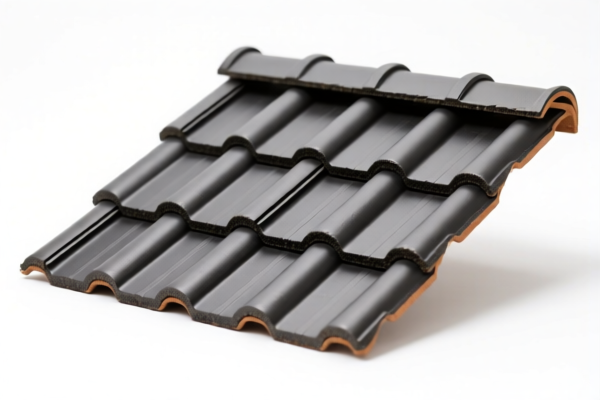
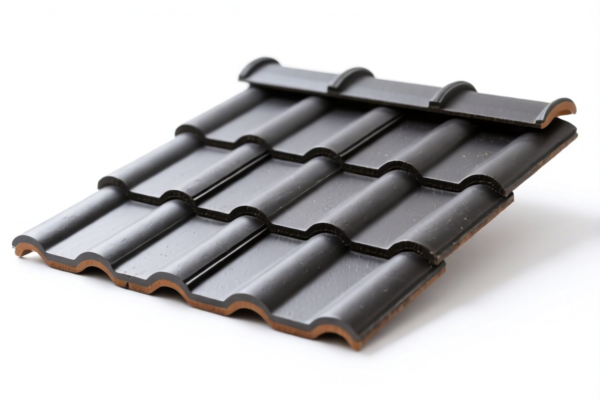
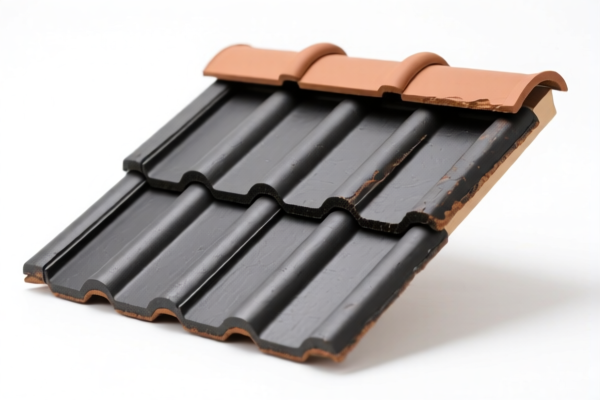
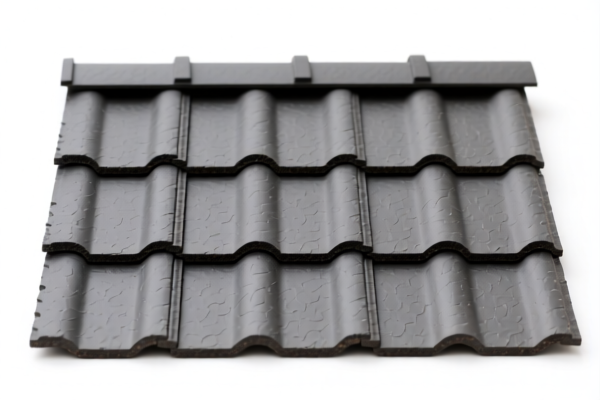
AI Analysis
🏗️ Stone Slate Tile (Ceramic & Stone Floor Tiles)
🌐 HS Code Reference & Customs Clearance Guide | 2026 Latest Tariff Analysis | Professional Entry Strategy
📌 I. Product Definition & Classification: Do You Really Understand "Stone Slate Tiles"?
Stone Slate Tiles are essential building materials for residential and commercial flooring, particularly in kitchens, bathrooms, and paved areas. In international trade, they are broadly categorized under Chapter 69 (Ceramic Products) and Chapter 68 (Articles of Stone or of Other Mineral Substances). The critical distinction lies in the material composition and binding agent:
- Ceramic/Porcelain Tiles (Chapter 69): Made from clay, feldspar, quartz, etc., fired at high temperatures. Even if they mimic stone appearance, if the base is ceramic, they fall here.
- Stone/Cement-Based Tiles (Chapter 68): Made from natural stone, concrete, cement, or artificial stone using non-ceramic binding agents.
⚠️ Key Distinction Point:
- If the tile is primarily fired ceramic/porcelain (even if labeled "stone-look") →归类 to 6907.xxxxxxxx
- If the tile is made of cement, concrete, or non-cement-bonded stone/ceramic debris →归类 to 6810.xxxxxxxx
- Note: The summary data provided indicates mixed interpretations for "stone slate," requiring careful verification of the manufacturing process.
📦 II. HS Code Classification Details (2026 Latest Tariff Authority Comparison)
| HS Code | Product Description | Application Scenario | Material Composition |
|---|---|---|---|
6907.22.10.11 |
Stone slate kitchen floor tiles, ceramic/stone material | Kitchen flooring, decorative stone-look ceramic | ✅ Ceramic/Stoneware |
6907.21.10.11 |
Stone slate kitchen floor tiles, stone/ceramic paving products | Paving, wall tiles, general ceramic flooring | ✅ Ceramic/Stoneware |
6810.19.12.00 |
Ceramic/stone tiles, non-cement bonded | Floor/wall tiles made from non-cement bonded stone or ceramic waste | ❌ Non-Cement Bonded |
6810.19.14.00 |
Ceramic/stone tiles, cement/concrete/artificial stone | Ground/wall tiles made from cement, concrete, or artificial stone | ✅ Cement/Concrete Bonded |
6907.21.10.11 |
Ceramic/Porcelain tiles, unglazed/unspecified glaze | General ceramic floor tiles, dimensions/glaze unclear | ✅ Ceramic |
🔍 Critical Reminder:
- "Stone Slate" is ambiguous: If it is fired ceramic, use 6907. If it is compressed stone/cement, use 6810. - Misclassification Risk: Declaring a cement-based tile as ceramic (or vice versa) can lead to significant duty discrepancies and customs delays. - Kitchen vs. General Use: Some sub-codes specify "Kitchen" use, but the primary driver is material.
💰 III. 2026 Latest Tariff Rate Breakdown (Including Additional Taxes & Policy Add-ons)
✅ Applicable Country: United States (US)
✅ Country of Origin: China (CN)
✅ Effective Date: 2025/2026 (Current trade war policies)
🎯 1. 6907.22.10.11 & 6907.21.10.11 —— Ceramic/Porcelain Floor Tiles
| Item | Content |
|---|---|
| Base Duty Rate | 10.0% (Ad Valorem) |
| Section 301 Additional Duty | +25.0% (USITC Footnote 9903.88.01) |
| Section 122 Additional Duty | +10.0% (Specific policy surcharge) |
| Total Effective Rate | 45.0% |
| Tax Calculation | CIF Value × 45% |
| De Minimis Exemption | ❌ NOT Available (Deny de minimis) |
| Legal Basis Path | USITC:6907.21.10.11/6907.22.10.11 → SECTION_301:25% → SECTION_122:10% |
📌 Explanation:
- The 10% base duty is standard for ceramic tiles under Chapter 69. - The 25% Section 301 duty applies to most Chinese-manufactured ceramic products. - The 10% Section 122 duty is an additional layer specifically noted in the data, likely targeting specific categories of construction materials or under specific trade enforcement actions. - Total 45% is extremely high, significantly impacting profitability.
🎯 2. 6810.19.12.00 —— Non-Cement Bonded Stone/Ceramic Tiles
| Item | Content |
|---|---|
| Base Duty Rate | 4.9% (Ad Valorem) |
| Section 301 Additional Duty | +25.0% |
| Section 122 Additional Duty | +10.0% |
| Total Effective Rate | 39.9% |
| Tax Calculation | CIF Value × 39.9% |
| De Minimis Exemption | ❌ NOT Available |
| Legal Basis Path | USITC:6810.19.12.00 → SECTION_301:25% → SECTION_122:10% |
📌 Note:
- This code has a lower base duty (4.9%) compared to ceramic tiles (10.0%), resulting in a lower total rate (39.9%). - However, the material definition is strict: It must be non-cement bonded. If it contains cement, it shifts to the higher bracket.
🎯 3. 6810.19.14.00 —— Cement/Concrete/Artificial Stone Tiles
| Item | Content |
|---|---|
| Base Duty Rate | 9.0% (Ad Valorem) |
| Section 301 Additional Duty | +25.0% |
| Section 122 Additional Duty | +10.0% |
| Total Effective Rate | 44.0% |
| Tax Calculation | CIF Value × 44.0% |
| De Minimis Exemption | ❌ NOT Available |
| Legal Basis Path | USITC:6810.19.14.00 → SECTION_301:25% → SECTION_122:10% |
📌 Note:
- This code applies to cement or concrete-based tiles. - The base duty is 9.0%, leading to a 44.0% total rate. - This is the most common classification for "natural stone slabs" that are processed but not ceramic-fired, or for engineered stone products using cement binders.
🛠️ IV. Customs Clearance Practical Advice (Real-World Pitfall Avoidance Guide)
✅ 1. Preparation Checklist (Essential Documents)
| Document | Required | Explanation |
|---|---|---|
| ✅ Product Specification Sheet | ✔️ | Must clearly state: Material (Ceramic vs. Stone vs. Cement), Dimensions, Glaze Status (Glossy/Matte), Water Absorption Rate. |
| ✅ Manufacturing Process Description | ✔️ | Crucial to prove if it is fired (Ceramic, Ch 69) or pressed/bonded (Stone/Cement, Ch 68). |
| ✅ Product Photos (With Label) | ✔️ | Show texture, backside (for tile type identification), and any certifications. |
| ✅ Commercial Invoice | ✔️ | Clearly state "Stone Slate Floor Tile, Material: [Specific Material], Origin: China". |
| ✅ Packing List | ✔️ | Detail net/gross weight, carton dimensions. |
| ✅ Certificate of Origin (CO) | ✔️ | Mandatory for US import; confirm country of origin is China to apply correct Section 301/122 rates. |
| ✅ Material Safety Data Sheet (MSDS) | ✔️ | If the tile contains chemical binders (common in artificial stone), this may be required. |
✅ 2. Declaration Strategy (Key Mantras)
🔥 “Material Defines Code, Not Just Name! ‘Slate’ Can Be Ceramic or Stone!”
| Scenario | Correct Declaration | Wrong Practice |
|---|---|---|
| Fired Ceramic Tile (Stone Look) | 6907.21.10.11 or 6907.22.10.11 |
Declaring as "Natural Stone" → Risk of misclassification |
| Pressed Stone/Cement Tile | 6810.19.14.00 |
Declaring as "Ceramic" → 44% vs 45% difference + scrutiny |
| Artificial Stone (Non-Cement Binder) | 6810.19.12.00 |
Declaring as "Cement Tile" → Higher duty (44% vs 39.9%) |
| Mixed Shipment (Ceramic + Stone) | Split Declaration | Mixed packing list → Customs may audit entire shipment |
✅ 3. Special Cases Handling
| Situation | Handling Advice |
|---|---|
| "Engineered Stone" Tiles | If bound with resin (not cement), check if it falls under 6810.19.12.00 (non-cement) or another Chapter 68 code. Confirm binder type! |
| Kitchen-Specific Tiles | The 6907.22.10.11 code mentions "Kitchen". However, if the material is the same, ensure the description matches the sub-code requirements to avoid disputes. |
| Un glazed vs Glazed | 6907.21 is typically unglazed, 6907.22 glazed. If glaze status is unknown, customs may choose the higher-risk classification. Always declare glaze status. |
| Water Absorption Rate | For ceramic tiles, water absorption ≤ 0.5% (porcelain) vs > 0.5% affects sub-codes. Provide lab test results if possible. |
🌍 V. Global Market Clearance Comparison (2026 Latest)
| Country/Region | Recommended HS Code | Total Tariff (China Origin) | Certification Requirements | Notes |
|---|---|---|---|---|
| 🇺🇸 USA | 6907.xxxx or 6810.xxxx |
39.9% - 45.0% | None specific, but CO required | High duties due to Section 301 & 122. No de minimis. |
| 🇨🇳 China | 6907.xxxx or 6810.xxxx |
0% - 10% | CCC (if applicable) | No additional trade war tariffs. |
| 🇪🇺 EU | 6907.xxxx or 6810.xxxx |
0% - 6.5% | CE (if structural), REACH | Generally lower tariffs than US. |
| 🇬🇧 UK | 6907.xxxx or 6810.xxxx |
0% - 6.5% | UKCA | Post-Brexit trade deals may apply. |
| 🇦🇺 Australia | 6907.xxxx or 6810.xxxx |
0% - 5% | RCM (if electrical, not applicable) | No major anti-dumping on standard tiles. |
📌 Conclusion:
- USA is the most expensive market for stone/ceramic tiles from China due to the 45% total tariff. - Cost Saving Strategy: Consider sourcing from Vietnam, India, or Turkey to avoid Section 301/122 tariffs (though anti-dumping duties may still apply, check current rules). - Documentation is Key: The difference between6907(45%) and6810(39.9% or 44%) is significant. Prove your material composition!
📌 VI. Common Errors & Pitfall Guide (Lessons Learned)
❌ Error 1: Using "Stone Slate" as the only description.
👉 Consequence: Customs cannot determine if it is Ceramic (Ch 69) or Stone/Cement (Ch 68). Leads to audit, delay, and potential reclassification to a higher duty code.
👉 Fix: Specify material: "Fired Ceramic Tile with Stone Texture" OR "Cement-Bonded Stone Aggregate Tile".
❌ Error 2: Ignoring Section 122 Duty.
👉 Consequence: Many importers only calculate Section 301 (25%). Forgetting the additional 10% Section 122 duty results in unexpected costs at customs.
👉 Fix: Always include Base + 301 + 122 in your landed cost calculation.
❌ Error 3: Misclassifying "Artificial Stone" (Resin-Bound) as "Cement Tile".
👉 Consequence: Wrong base rate (9% vs 4.9%). Leads to underpayment or overpayment.
👉 Fix: Provide MSDS or material composition sheet to prove non-cement bonding.
❌ Error 4: Assuming "Kitchen Tile" is a separate HS Code.
👉 Consequence: "Kitchen" is often a usage description, not a material definition. The HS Code is driven by material and form.
👉 Fix: Focus on material (Ceramic/Stone) and shape (Tile), not the room of use.
✅ Correct Declaration Example:
"Floor Tile, Material: Porcelain Ceramic, Glazed, Rectified Edge, For Kitchen Use, Origin: China, HS Code: 6907.22.10.11"
🎯 VII. Conclusion: Precise Classification Saves Money!
🎯 Remember the Mantra:
🔹 "Ceramic = 6907 (45%), Cement/Stone = 6810 (39.9%-44%)"
🔹 "Material Matters, Not Just 'Stone' Look!"
🔹 "Total Duty = Base + 25% + 10% – No De Minimis!"
📌 Pro Tip:
If your supplier claims "Natural Stone Slate," but it is actually ceramic imitating slate, ensure the HS Code matches 6907. Misdeclaring natural stone as ceramic can lead to accusations of fraud if the material test fails.
Always request a material analysis report from your supplier.
📣 Immediate Action:
📞 Contact your freight forwarder with the exact material composition.
📄 Apply for a Binding Tariff Information (BTI) or Advance Ruling if the shipment value is high.
🚀 Optimize your supply chain: Consider alternative origins if the 45% duty is unsustainable.
✨ Professional Clearance Starts with Accurate Classification!
💼 Every Percent in Duty is Pure Profit – Protect It!
Customer Reviews
About HS Code Classification
The Harmonized System (HS) is an internationally standardized nomenclature developed by the World Customs Organization (WCO) to classify traded products. Over 200 countries use the HS system as the basis for customs tariffs, trade statistics, and import/export regulations.
Each HS code follows a hierarchical structure:
- Chapter (2 digits) — Broad category of goods (e.g., Chapter 84: Machinery and Mechanical Appliances)
- Heading (4 digits) — More specific grouping within the chapter
- Subheading (6 digits) — Internationally standardized breakdown, used by all WCO member countries
- National subdivisions (8-10 digits) — Country-specific extensions for further classification, such as US HTSUS 10-digit codes
Correct HS code classification is essential for smooth customs clearance, accurate duty payment, and compliance with trade regulations. Misclassification can lead to customs delays, overpayment of duties, or penalties.
When importing from CN to US, the applicable tariff rates may include:
- Most-Favored-Nation (MFN) rate — The standard duty rate applied to WTO members
- General rate — Applied to countries without trade agreements
- Trade remedy duties — Additional tariffs such as Section 301 (anti-dumping), Section 232 (national security), or countervailing duties
The information provided on this page is for reference purposes only. For official classification, please consult with your local customs authority or a licensed customs broker.