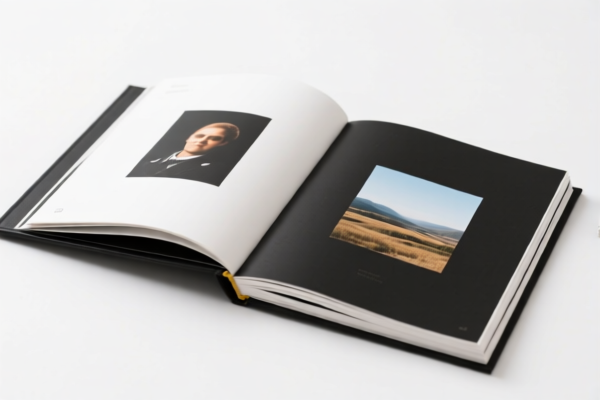
Storage Album
CN → US| HS Code | Tariff Rate | Origin | Destination | Doc |
|---|---|---|---|---|
| 4202329300 | 52.6% | CN | US | Official Doc |
| 3926908700 | 40.3% | CN | US | Official Doc |
| 3926909989 | 22.8% | CN | US | Official Doc |
| 4202329900 | 52.6% | CN | US | Official Doc |
| 4820300020 | 35.0% | CN | US | Official Doc |
| 4820300040 | 35.0% | CN | US | Official Doc |
Product Images



AI Analysis
📂 Storage Album (Document & Photo Organizers)
🌐 HS Code Reference & Customs Clearance Guide | 2026 Latest Tariff Analysis | Professional-Level Entry Strategy
📌 I. Product Definition & Classification: Do You Truly Understand "Storage Albums"?
A "Storage Album" is a broad term in international trade, typically referring to containers or folders used for organizing documents, photos, cards, or loose-leaf papers. Because materials and structures vary significantly, customs authorities classify them based on material composition and functional morphology.
In the Harmonized System (HS), these products generally fall into two main categories: 1. Paper/Cardboard Products: File folders, photo albums, binders with paper covers. 2. Leather Goods/Containers (Chapter 42): Items with an outer surface of textile materials or plastic sheeting, functioning as bags, cases, or general-purpose containers.
⚠️ Key Distinction Point:
- If the item is primarily paper/cardboard and functions as a folder or cover → Classified under Chapter 48.
- If the item has an outer surface of textile or plastic sheeting and acts as a "bag" or "case" for storage → Classified under Chapter 42 (Leather Goods).
- If the item is purely plastic without textile/plastic sheeting outer surface logic → Classified under Chapter 39 (Plastics).
📦 II. HS Code Classification Details (2026 Latest Tariff Authority Comparison)
Based on the provided data, here are the 6 specific HS Codes with their corresponding tax implications and logical reasoning.
| HS Code | Product Description | Application Scenario | Key Reasoning for Classification |
|---|---|---|---|
4202.32.93.00 |
Pouches/Containers with outer surface of textile materials | Photo albums, document holders with fabric/plastic sheeting exterior | ✅ Textile/Plastic Sheet: Falls under the "catch-all" category for containers/bags with textile/plastic outer surfaces. |
3926.90.87.00 |
Other articles of plastic | Plastic ring binders, plastic document folders | ✅ Plastic Material: Inferred material is plastic; function is document organization; fits "plastic articles" characteristics. |
3926.90.99.89 |
Other articles of plastic (misc.) | Mixed material storage items (plastic/cardboard) | ✅ Mixed/Catch-all: Inferred material is often plastic or cardboard; fits "other articles of other materials" catch-all for plastic-based storage components. |
4202.32.99.00 |
Other pouches/containers with textile/plastic sheeting exterior | General storage bags, card cases with textile/plastic cover | ✅ Textile/Plastic Sheet: Function is bag/container; material inferred as textile or plastic sheet; fits "catch-all" for textile-surface items. |
4820.30.00.20 |
Paper/Cardboard loose-leaf binders & file covers | Paper-based photo albums, cardboard file folders | ✅ Paper Material: Function consistent with loose-leaf binders; material inferred as paper/cardboard; fits shape and use description. |
4820.30.00.40 |
Paper/Cardboard file covers & folders | Paper document sleeves, non-loose-leaf paper folders | ✅ Paper Material: Material is paper/cardboard; shape fits file covers/folders; does not fit specific "loose-leaf binder" category. |
🔍 重点提醒:
- "Bag" vs. "Folder" Logic: Items classified under 4202 are treated as "bags/containers" due to their textile/plastic sheet exterior, leading to higher base tariffs (17.6%).
- "Paper" Logic: Items under 4820 benefit from a 0% base tariff, but are subject to additional tariffs.
- "Pure Plastic" Logic: Items under 3926 have a low base tariff (5.3%) but vary in additional tariffs depending on the specific sub-category.
💰 III. 2026 Latest Tariff Rate Detailed Explanation (Including Additional Duties & Policy Surcharges)
✅ Applicable Country: USA (US)
✅ Origin: China (CN)
✅ Effective Date: From November 10, 2025 (including subsequent imports)
🎯 1. 4202.32.93.00 & 4202.32.99.00 —— Textile/Plastic Sheet Containers (High Tariff Risk)
| Item | Detail |
|---|---|
| Base Tariff | 17.6% (Ad Valorem) |
| Section 301 Additional Tariff | +25.0% |
| Section 122 Tariff | +10.0% |
| Total Tariff Rate | 52.6% |
| Tax Calculation | CIF Value × 52.6% |
| De Minimis Exemption | ❌ Not Available (deny_de_minimis) |
| Legal Basis Path | Base Duty + Section 301 (Footnote 9903.88.01) + Section 122 (IEEPA) |
📌 Explanation:
- These codes are classified under Chapter 42 (Leather Goods), which inherently has a higher base duty (17.6%) because they are viewed as "bags/cases" rather than simple paper goods.
- The 25% Section 301 tariff is applied to most goods from China.
- The 10% Section 122 tariff (under IEEPA) is a specific additional surcharge targeting certain Chinese imports effective from late 2025.
- Result: A staggering 52.6% total duty. This is the highest cost category.
🎯 2. 3926.90.87.00 —— Plastic Articles (Moderate Tariff)
| Item | Detail |
|---|---|
| Base Tariff | 5.3% |
| Section 301 Additional Tariff | +25.0% |
| Section 122 Tariff | +10.0% |
| Total Tariff Rate | 40.3% |
| Tax Calculation | CIF Value × 40.3% |
| De Minimis Exemption | ❌ Not Available |
| Legal Basis Path | Base Duty + Section 301 + Section 122 |
📌 Explanation:
- Plastic products have a much lower base duty (5.3%).
- However, the 35% combined surcharge (25% + 10%) still results in a significant total tariff of 40.3%.
🎯 3. 3926.90.99.89 —— Other Plastic/Catch-all Items (Lower Tariff)
| Item | Detail |
|---|---|
| Base Tariff | 5.3% |
| Section 301 Additional Tariff | +7.5% |
| Section 122 Tariff | +10.0% |
| Total Tariff Rate | 22.8% |
| Tax Calculation | CIF Value × 22.8% |
| De Minimis Exemption | ❌ Not Available |
| Legal Basis Path | Base Duty + Section 301 (lower rate sub-category) + Section 122 |
📌 Explanation:
- This is the most cost-effective option among plastic-related codes.
- The Section 301 additional tariff is only 7.5% instead of 25%, likely due to a different sub-category classification for "other" plastic articles.
- Total Rate: 22.8%. Significant savings compared to Chapter 42.
🎯 4. 4820.30.00.20 & 4820.30.00.40 —— Paper/Cardboard Folders (Base Tax Free, but High Surcharges)
| Item | Detail |
|---|---|
| Base Tariff | 0.0% |
| Section 301 Additional Tariff | +25.0% |
| Section 122 Tariff | +10.0% |
| Total Tariff Rate | 35.0% |
| Tax Calculation | CIF Value × 35.0% |
| De Minimis Exemption | ❌ Not Available |
| Legal Basis Path | Base Duty (0%) + Section 301 + Section 122 |
📌 Explanation:
- Paper products (Chapter 48) have a 0% base tariff.
- The entire tax burden comes from the 35% combined surcharges (25% + 10%).
- Total Rate: 35.0%. This is lower than Chapter 42 (52.6%) but higher than the optimal plastic category (22.8%).
🛠️ IV. Customs Clearance Practical Advice (Battle-Tested Pitfall Guide)
✅ 1. Preparation Checklist (Non-Negotiable)
| Document | Required? | Purpose |
|---|---|---|
| ✅ Product Specifications | ✔️ | Must clearly state material (e.g., "Polyester," "PP Plastic," "Cardboard"). |
| ✅ Material Composition Report | ✔️ | Critical for distinguishing between Chapter 42 (Textile/Plastic Sheet) and Chapter 39/48. |
| ✅ Product Photos | ✔️ | Show the outer surface material. Is it fabric? Hard plastic? Paper? |
| ✅ Commercial Invoice | ✔️ | Description must match the HS Code logic (e.g., "Plastic Document Binder" vs. "Textile Photo Album"). |
| ✅ Packing List | ✔️ | Ensure quantity and weight match the invoice. |
| ✅ Certificate of Origin (CO) | ✔️ | Confirms CN origin, triggering the specific tariff rates. |
✅ 2. Declaration Strategy (Key Mantras)
🔥 "Material Defines Chapter, Surface Defines Code, Tariff Differs by 30%!"
| Scenario | Correct Declaration | Error to Avoid |
|---|---|---|
| Album with Fabric/Plastic Sheet Exterior | 4202.32.93.00 or 4202.32.99.00 |
Declaring as "Paper Folder" → Misclassification Risk |
| Rigid Plastic Binder/Folder | 3926.90.87.00 |
Declaring as "Textile" → 52.6% Tax instead of 40.3% |
| Misc. Plastic Storage Component | 3926.90.99.89 |
Declaring as "Paper" → 35% Tax instead of 22.8% |
| Paper/Cardboard File Cover | 4820.30.00.20 or 4820.30.00.40 |
Declaring as "Plastic" → Higher Base Duty |
✅ 3. Special Handling Tips
| Situation | Recommendation |
|---|---|
| Mixed Materials | If an album has a plastic cover but textile lining, customs may classify it based on the outer surface (4202). Be prepared for the 52.6% rate unless you can prove the primary function is plastic (3926). |
| Sample Imports | Even samples are subject to duties. Do not rely on "De Minimis" ($800) exemptions for direct shipments if the value exceeds the threshold or if specific rules apply (as noted, these are often denied). |
| Pre-Ruling | Given the high variance (22.8% to 52.6%), apply for an Advance Ruling from CBP. Submit material samples and photos to get a binding decision. |
🌍 V. Global Market Clearance Comparison (2026 Latest)
| Country/Region | Recommended HS Code | Tariff (China Origin) | Certification | Remarks |
|---|---|---|---|---|
| 🇺🇸 USA | 3926.90.99.89 |
22.8% (Best Case) | None | Avoid Chapter 42 if possible (52.6%). |
| 🇪🇺 EU | 3926.90.99 |
~4-6% + 12.5% VAT | CE (if applicable) | No Section 301/122 tariffs. Much lower cost. |
| 🇨🇳 China | 4820.30 |
5-10% | CCC (if electronics) | Import duties are standard, no punitive surcharges. |
| 🇬🇧 UK | 3926.90 |
~4-6% + 20% VAT | UKCA | Post-Brexit rules apply, but no US-style tariffs. |
📌 Conclusion:
- The USA market is punitive. The difference between 22.8% and 52.6% is massive.
- Strategy: If your product is a rigid plastic folder, fight for3926.90.99.89(22.8%). If it's a textile-covered case, you are stuck with4202(52.6%) unless you can restructure the product to be predominantly plastic.
📌 VI. Common Mistakes & Pitfall Guide (Lessons Learned)
❌ Mistake 1: Calling a "Plastic Binder" a "Storage Bag"
👉 Consequence: May be misclassified under 4202 (52.6%) instead of 3926 (22.8%-40.3%).
Fix: Use precise terms like "Plastic Document Binder" or "PP File Folder."
❌ Mistake 2: Ignoring the Outer Surface Material
👉 Consequence: If the outer layer is fabric, Chapter 42 applies.
Fix: Check the outer surface. If it's textile/plastic sheet → 4202. If it's paper → 4820. If it's hard plastic → 3926.
❌ Mistake 3: Assuming Paper Products are Free of Tariffs
👉 Consequence: Base duty is 0%, but 35% in surcharges still applies.
Fix: Budget for 35% even for paper items. It is cheaper than Chapter 42 (52.6%) but not tax-free.
🎯 VII. Conclusion: Precision in Classification Saves Money!
🎯 Remember the Hierarchy:
🔹 Cheapest: Plastic Misc. (
3926.90.99.89) @ 22.8%
🔹 Mid-Range: Paper Folders (4820.30) @ 35.0%
🔹 Most Expensive: Textile/Sheet Containers (4202.32) @ 52.6%
🔹 High Plastic: Plastic Articles (3926.90.87) @ 40.3%
📌 Pro Tip:
If your supply chain can switch from textile-covered albums to plastic or paper alternatives, you can save 15-30% in landed costs.
Always consult with a licensed customs broker to review material samples before finalizing the HS Code.
📣 Take Action Now:
📞 Audit your current product specs.
📸 Gather photos of the outer surface.
📝 Apply for an Advance Ruling if importing large volumes.
🚀 Optimize your BOM (Bill of Materials) to align with the lower-tariff HS Codes!
✨ Professional Clearance Starts with Precise Classification!
💼 Every percentage point matters. Don't leave money on the table.
Customer Reviews
About HS Code Classification
The Harmonized System (HS) is an internationally standardized nomenclature developed by the World Customs Organization (WCO) to classify traded products. Over 200 countries use the HS system as the basis for customs tariffs, trade statistics, and import/export regulations.
Each HS code follows a hierarchical structure:
- Chapter (2 digits) — Broad category of goods (e.g., Chapter 84: Machinery and Mechanical Appliances)
- Heading (4 digits) — More specific grouping within the chapter
- Subheading (6 digits) — Internationally standardized breakdown, used by all WCO member countries
- National subdivisions (8-10 digits) — Country-specific extensions for further classification, such as US HTSUS 10-digit codes
Correct HS code classification is essential for smooth customs clearance, accurate duty payment, and compliance with trade regulations. Misclassification can lead to customs delays, overpayment of duties, or penalties.
When importing from CN to US, the applicable tariff rates may include:
- Most-Favored-Nation (MFN) rate — The standard duty rate applied to WTO members
- General rate — Applied to countries without trade agreements
- Trade remedy duties — Additional tariffs such as Section 301 (anti-dumping), Section 232 (national security), or countervailing duties
The information provided on this page is for reference purposes only. For official classification, please consult with your local customs authority or a licensed customs broker.