Storage Bags
CN → US| HS Code | Tariff Rate | Origin | Destination | Doc |
|---|---|---|---|---|
| 4202929336 | 52.6% | CN | US | Official Doc |
| 3926901000 | 20.9% | CN | US | Official Doc |
| 4202929315 | 52.6% | CN | US | Official Doc |
| 4202999000 | 55.0% | CN | US | Official Doc |
| 3923102000 | 35.0% | CN | US | Official Doc |
Product Images


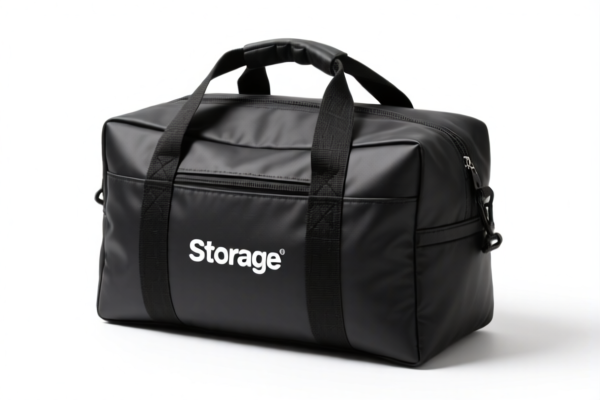
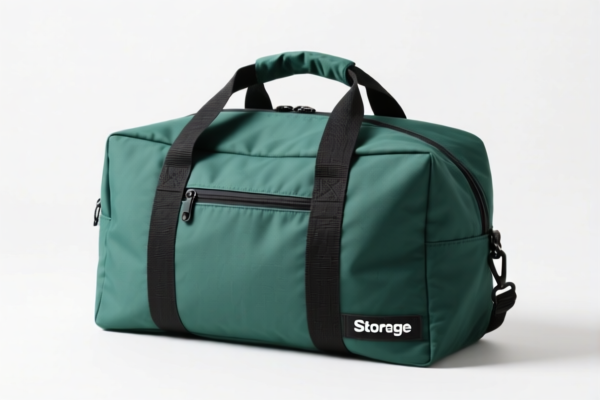
AI Analysis
📦 Storage Bags (收纳盒/收纳袋)
🌐 HS Code Reference & Customs Clearance Guide | 2026 Latest Tariff Analysis | Professional Clearance Strategy
📌 I. Product Definition and Classification: What Exactly Are "Storage Bags"?
"Storage Bags" is a broad commercial term covering various containers used for organizing household items, clothing, documents, or industrial goods. In international trade, the correct HS Code depends entirely on the material composition and the specific type of packaging/container.
They are generally categorized into two main groups:
1. Textile/Fabric-Based Storage (Chapter 42):
Including non-woven bags, canvas boxes, fabric baskets, and woven containers. These are typically classified under Chapter 42 (Articles of leather; travel goods, handbags...).
2. Plastic/Paper-Based Storage (Chapter 39 or 48):
Including plastic bins, rigid plastic containers, or paper/cardboard boxes. These fall under Chapter 39 (Plastics and articles thereof) or Chapter 48 (Paper and paperboard).
⚠️ Key Distinction Point:
- If the main body is plastic (rigid or flexible) → Look to Chapter 39.
- If the main body is textile/fabric/non-woven → Look to Chapter 42.
- If it’s a flexible bag (like a ziplock) vs. a rigid box (like a tote bin) → The structure affects the subheading (e.g., 3923 vs. 3926).
📦 II. HS Code Classification Details (2026 Latest Tariff Authority Comparison)
Based on the provided data for "Storage Bags" (收纳盒), here are the specific HS Codes and their logical derivations:
| HS Code | Product Description & Logic | Material Inference | Container Type |
|---|---|---|---|
4202.92.93.36 |
Storage container; classified under "other articles of plastics/textiles". Matches general container categories. | Likely Plastic or Textile | General Container |
3926.90.10.00 |
Storage box inferred as Plastic. Falls under "Other articles of plastics" – containers. | Plastic | Rigid/Flexible Plastic Container |
4202.92.93.15 |
Storage box inferred as a container; surface likely involves Textile Materials. | Textile | Fabric/Non-woven Container |
4202.99.90.00 |
Storage box; falls under "Other containers and bags". Material could be Plastic, Textile, or Cardboard. | Mixed/Multiple Materials | General Container/Bag |
3923.10.20.00 |
Storage box inferred as Plastic. Matches characteristics of Plastic Packaging Articles (sacks, bags, containers). | Plastic | Plastic Packaging/Container |
🔍 Key Reminder:
-3926.90.10.00and3923.10.20.00are for Plastic items.
-4202.92.93.36and4202.92.93.15are for Textile/Fabric items (often non-woven or woven).
-4202.99.90.00is a "catch-all" for other containers not specifically listed, potentially covering mixed materials or cardboard.
💰 III. 2026 Latest Tariff Rate Breakdown (Including Additional Duties & Policy Surcharges)
✅ Applicable Country: United States (US)
✅ Country of Origin: China (CN)
✅ Effective Date: Post-November 2025 (Includes subsequent imports)
🎯 1. 4202.92.93.36 & 4202.92.93.15 —— Textile/Fabric Storage Containers
These codes attract the highest combined tariff due to the base rate and additional levies.
| Item | Details |
|---|---|
| Base Tariff | 17.6% |
| Section 301 Additional Tariff | 25.0% |
| IEEPA 122 Clause Tariff | 10.0% |
| Total Tax Rate | 52.6% |
| Tax Calculation | CIF Value × 52.6% |
| De Minimis Exemption | ❌ Not Applicable |
| Legal Basis Path | Base: 17.6% → 301: 25% → IEEPA: 10% |
📌 Explanation:
- Textile-based storage items are heavily taxed. The 17.6% base is significant.
- The 25% Section 301 duty and 10% IEEPA surcharge add up quickly.
- Total 52.6% makes this a high-cost category. Cost control or alternative sourcing is critical.
🎯 2. 4202.99.90.00 —— General/Mixed Material Storage Containers
A broader category that may include cardboard, mixed materials, or less specific textile items.
| Item | Details |
|---|---|
| Base Tariff | 20.0% |
| Section 301 Additional Tariff | 25.0% |
| IEEPA 122 Clause Tariff | 10.0% |
| Total Tax Rate | 55.0% |
| Tax Calculation | CIF Value × 55.0% |
| De Minimis Exemption | ❌ Not Applicable |
| Legal Basis Path | Base: 20% → 301: 25% → IEEPA: 10% |
📌 Note:
- This is the highest tax rate among all options (55.0%).
- Use only if the product genuinely fits this "other" category.
- Avoid this code if a more specific material-based code applies, as it penalizes ambiguity with higher base rates.
🎯 3. 3923.10.20.00 —— Plastic Packaging/Storage Articles
If the storage bag/box is clearly plastic and used for packaging or containment.
| Item | Details |
|---|---|
| Base Tariff | 0.0% |
| Section 301 Additional Tariff | 25.0% |
| IEEPA 122 Clause Tariff | 10.0% |
| Total Tax Rate | 35.0% |
| Tax Calculation | CIF Value × 35.0% |
| De Minimis Exemption | ❌ Not Applicable |
| Legal Basis Path | Base: 0% → 301: 25% → IEEPA: 10% |
📌 Advantage:
- 0% Base Tariff significantly reduces the overall burden.
- Total 35.0% is much more competitive than textile codes.
- Ideal for plastic bins, zip-lock bags, or rigid plastic containers.
🎯 4. 3926.90.10.00 —— Other Plastic Articles (Containers)
For plastic storage items that do not fall strictly under "packaging" but are still plastic containers.
| Item | Details |
|---|---|
| Base Tariff | 3.4% |
| Section 301 Additional Tariff | 7.5% |
| IEEPA 122 Clause Tariff | 10.0% |
| Total Tax Rate | 20.9% |
| Tax Calculation | CIF Value × 20.9% |
| De Minimis Exemption | ❌ Not Applicable |
| Legal Basis Path | Base: 3.4% → 301: 7.5% → IEEPA: 10% |
📌 Best Value Option:
- Lowest Total Tax Rate (20.9%).
- Ideal for non-packaging plastic storage boxes (e.g., decorative plastic bins, drawer organizers).
- The 301 duty here is only 7.5% (not 25%), which is a huge saving.
- Recommendation: If the item is plastic and not primarily "packaging," try to qualify for this code.
🛠️ IV. Customs Clearance Practical Advice (Real-World Pitfall Avoidance)
✅ 1. Documentation Checklist (Mandatory)
| Document | Required | Notes |
|---|---|---|
| ✅ Product Specifications | ✔️ | Must state Material Composition (e.g., "100% Polypropylene Plastic" or "Non-Woven Fabric"). |
| ✅ Photos | ✔️ | Clear images of the item, label, and material texture. |
| ✅ Commercial Invoice | ✔️ | Must accurately describe the item (e.g., "Plastic Storage Bin" vs. "Fabric Storage Bag"). |
| ✅ Bill of Lading/Air Waybill | ✔️ | Ensure HS Code matches the invoice. |
| ✅ Declaration Statement | ✔️ | Explicitly state if the item is for "Packaging" (3923) or "Household/Other" (3926/4202). |
✅ 2. Declaration Strategy (Key Tips)
🔥 "Material First, Function Second. Specificity Saves Money!"
| Scenario | Correct Declaration | Wrong Declaration | Consequence |
|---|---|---|---|
| Plastic Bin | 3926.90.10.00 (Plastic Articles) |
4202.99.90.00 (Other Containers) |
Tax jumps from 20.9% → 55.0% |
| Plastic Zip Bag | 3923.10.20.00 (Plastic Packaging) |
3926.90.10.00 |
Tax rises from 35.0% → 20.9% (Wait, 3923 is 35%, 3926 is 20.9%. Actually, 3926 is cheaper but only if it's NOT packaging. If it IS packaging, 3923 is correct legal code, even if tax is higher. Legal compliance first.) |
| Fabric Box | 4202.92.93.15 (Textile Container) |
3926.90.10.00 (Plastic) |
Severe penalty for false declaration |
| Mixed Material | 4202.99.90.00 (Other) |
3923.10.20.00 (Plastic) |
Risk of audit if fabric content is high |
📌 Critical Insight:
- Plastic items have two paths:
- If it's packaging (like a bag to hold goods) →3923.10.20.00(35% total).
- If it's a container (like a storage bin) →3926.90.10.00(20.9% total).
- Fabric items always face high tariffs (52.6% or 55.0%).
✅ 3. Special Cases
| Scenario | Handling Advice |
|---|---|
| Non-Woven Fabric Bags | Classify under 4202.92.93. Expect 52.6% tax. |
| Cardboard Boxes | Often fall under 4202.99.90.00 (55.0%) unless specifically coded elsewhere. Check for cardboard-specific codes if available. |
| OEM Custom Plastic Bins | Ensure the description matches the mold/plastic type. Provide material data sheets. |
| Sets (Bag + Box) | Declare the principal component. If mixed, the item with the higher tax rate may dominate, or it may be split. |
🌍 V. Global Market Comparison (2026 Latest)
| Country/Region | Recommended HS Code | Tariff Rate | Notes |
|---|---|---|---|
| 🇺🇸 USA | 3926.90.10.00 (Plastic Container) |
20.9% | Best rate for plastic. Textile: 52.6%. |
| 🇺🇸 USA | 3923.10.20.00 (Plastic Packaging) |
35.0% | For plastic bags/sacks. |
| 🇨🇳 China | 3926.90.10.00 |
~5-10% | Low import duty, no 301/IEEPA. |
| 🇪🇺 EU | 3926.90.10.00 |
6.5% | No additional US-style tariffs. |
| 🇯🇵 Japan | 3926.90.10.00 |
6% | Standard rates apply. |
📌 Conclusion:
- USA is the most challenging market for storage bags due to Section 301 and IEEPA tariffs.
- Plastic storage containers (3926.90.10.00) are the most cost-effective if eligible.
- Textile storage bags are heavily penalized in the US (52.6%+). Consider plastic alternatives if possible.
📌 VI. Common Mistakes & Pitfall Guide (Blood Lessons)
❌ Mistake 1: Declaring a Fabric Storage Box as Plastic to get the 20.9% rate.
👉 Consequence: Customs audit, fine, and forced payment of 52.6% + penalties.
❌ Mistake 2: Declaring a Plastic Bag (packaging) as Plastic Container (3926) to save tax.
👉 Consequence: Incorrect classification. If it's primarily packaging, it should be 3923 (35%). However, if it's a reusable container, 3926 (20.9%) is correct. Intent and design matter.
❌ Mistake 3: Using vague terms like "Storage Bag" without material specification.
👉 Consequence: Customs will assign the highest applicable rate or delay clearance.
❌ Mistake 4: Ignoring IEEPA 122 Clause (10%).
👉 Consequence: Underpayment of duties, leading to audits later.
✅ Correct Approach:
"Plastic Storage Bin, Rigid, Polypropylene, for Household Organization, Not for Packaging" →
3926.90.10.00
"Plastic Zip-lock Bag, PE Material, for Packaging" →3923.10.20.00
"Non-Woven Fabric Storage Box" →4202.92.93.15
🎯 VII. Conclusion: Precise Classification, Maximize Profit!
🎯 Remember the Rule:
🔹 "Plastic Container: 20.9% | Plastic Packaging: 35.0% | Textile: 52.6% | Mixed: 55.0%"
🔹 "Specify Material, Specify Function. Ambiguity Costs You Money!"
📌 Tips:
- If your storage bags are Plastic Containers (not packaging), fight for 3926.90.10.00. It’s the cheapest option.
- If they are Textile, prepare for 52.6%. Consider plastic alternatives or sourcing from non-China origins to avoid surcharges.
- Always provide detailed material composition in your customs declaration.
📣 Immediate Action:
📞 Consult your customs broker with product samples and material reports.
🚀 Apply for a Pre-Ruling if unsure about3923vs3926.
💼 Optimize your HS Code to save 30%+ in duties!
✨ Professional Clearance Starts with Accurate Classification!
💼 Every Percent Counts in International Trade!
Customer Reviews
About HS Code Classification
The Harmonized System (HS) is an internationally standardized nomenclature developed by the World Customs Organization (WCO) to classify traded products. Over 200 countries use the HS system as the basis for customs tariffs, trade statistics, and import/export regulations.
Each HS code follows a hierarchical structure:
- Chapter (2 digits) — Broad category of goods (e.g., Chapter 84: Machinery and Mechanical Appliances)
- Heading (4 digits) — More specific grouping within the chapter
- Subheading (6 digits) — Internationally standardized breakdown, used by all WCO member countries
- National subdivisions (8-10 digits) — Country-specific extensions for further classification, such as US HTSUS 10-digit codes
Correct HS code classification is essential for smooth customs clearance, accurate duty payment, and compliance with trade regulations. Misclassification can lead to customs delays, overpayment of duties, or penalties.
When importing from CN to US, the applicable tariff rates may include:
- Most-Favored-Nation (MFN) rate — The standard duty rate applied to WTO members
- General rate — Applied to countries without trade agreements
- Trade remedy duties — Additional tariffs such as Section 301 (anti-dumping), Section 232 (national security), or countervailing duties
The information provided on this page is for reference purposes only. For official classification, please consult with your local customs authority or a licensed customs broker.