Storage Box Set
CN → US| HS Code | Tariff Rate | Origin | Destination | Doc |
|---|---|---|---|---|
| 4420908000 | 38.2% | CN | US | Official Doc |
| 4202929315 | 52.6% | CN | US | Official Doc |
| 3926901000 | 20.9% | CN | US | Official Doc |
| 4202926010 | 41.3% | CN | US | Official Doc |
| 3926909989 | 22.8% | CN | US | Official Doc |
Product Images
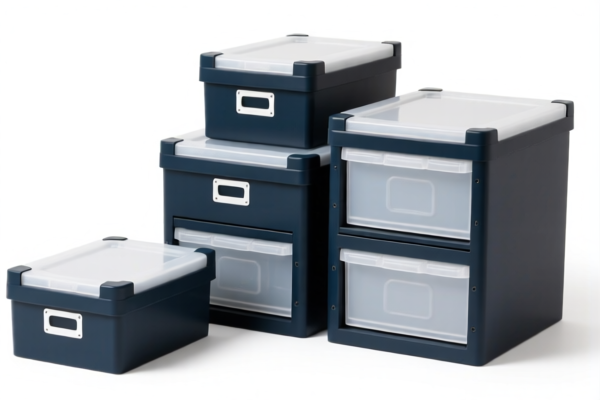
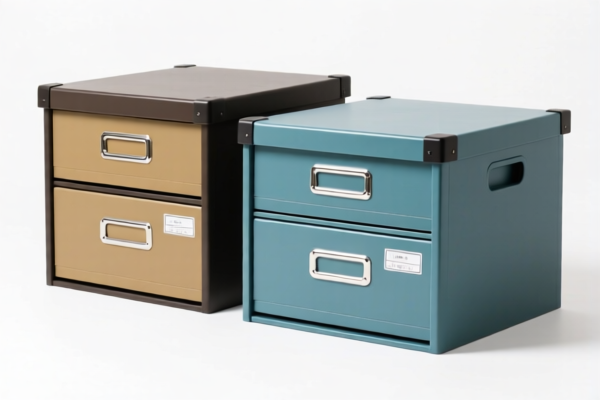
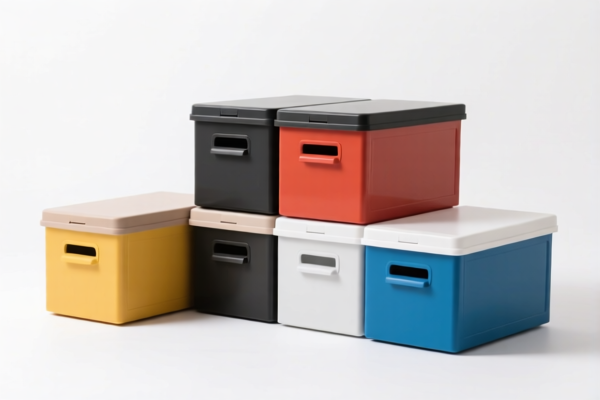
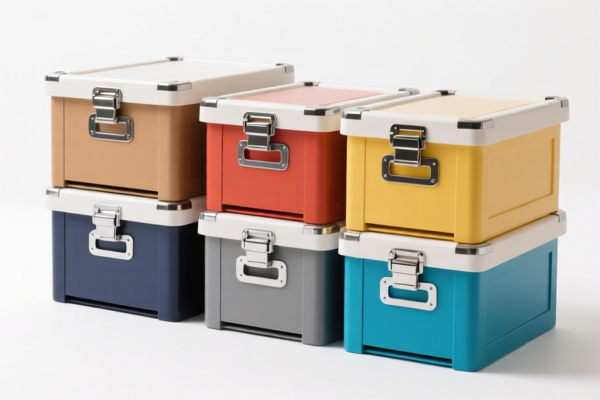
AI Analysis
📦 Storage Box Set: HS Code Classification & 2026 US Customs Clearance Guide
🌐 HS Code Reference & Customs Strategy | 2026 Latest Tariff Analysis | Professional Clearance Protocol
📌 I. Product Definition & Classification: What is a "Storage Box Set"?
A Storage Box Set is a generic term for containers used for organizing, protecting, or storing various items (e.g., clothes, documents, jewelry, office supplies). In international trade, the HS Code classification is highly sensitive to material composition. The same physical shape can result in vastly different tariff rates depending on whether it is made of wood, plastic, or textile materials.
Key Classification Logic:
- Wooden Storage Boxes: Falls under Chapter 44 (Wood); generally lower base tariffs.
- Plastic Storage Containers: Falls under Chapter 39 (Plastics); moderate base tariffs.
- Textile/Other Material Containers: Falls under Chapter 42 (Articles of Leather; Travel Goods); often higher base tariffs due to "fashion/accessory" categorization.
⚠️ Critical Distinction:
- If the outer surface is textile/fabric (e.g., fabric-covered boxes, cosmetic cases) → Chapter 42
- If the material is plastic (rigid or semi-rigid) → Chapter 39
- If the material is wood (including wood veneer) → Chapter 44
📋 II. HS Code Classification Matrix (2026 Latest Tariff Data)
Based on the provided dataset, here are the four most likely HS Code classifications for a "Storage Box Set," ranked by material type and associated tax burden.
| HS Code | Product Description | Primary Material | Total Tax Rate (China Origin → US) |
|---|---|---|---|
3926.90.10.00 |
Other plastic articles; containers for storage | Plastic | 20.9% |
3926.90.99.89 |
Other plastic articles; other | Plastic | 22.8% |
4420.90.80.00 |
Wooden articles (including veneer); storage containers | Wood | 38.2% |
4202.92.93.15 |
Articles of apparel accessories; containers with outer surface of textile materials | Textile/Fabric | 52.6% |
4202.92.60.10 |
Jewelry boxes and similar articles; plastic or textile surface | Plastic/Textile Mix | 41.3% |
🔍 Key Insight:
- Plastic containers offer the lowest total tax rate (20.9% - 22.8%).
- Textile-covered boxes carry the highest burden (52.6%) due to higher base tariffs.
- Wooden boxes fall in the middle but are subject to significant Section 301 duties.
💰 III. 2026 Detailed Tariff Breakdown (Including Add-on Taxes)
✅ Destination Country: United States (US)
✅ Country of Origin: China (CN)
✅ Effective Date: 2025–2026 (Current Policy)
🎯 1. 3926.90.10.00 – Best Case: Plastic Storage Containers
| Item | Detail |
|---|---|
| Base Tariff | 3.4% (Standard MFN Rate) |
| Section 301 (Trade War) | +7.5% (USITC Footnote for specific plastic articles) |
| Section 122 (IEEPA) | +10% (Targeted measures on Chinese imports) |
| Total Tax Rate | 20.9% |
| Calculation Base | CIF Value × 20.9% |
| De Minimis Exemption | ❌ Not Eligible (Deny_de_minimis for Section 301 goods) |
| Legal Basis | USITC:3926.90.10.00 → FOOTNOTE:Section 301 → IEEPA:122 |
📌 Explanation:
- This is the most cost-effective classification if the box is purely plastic (e.g., clear acrylic organizers, plastic drawer units).
- The 7.5% Section 301 rate is significantly lower than the 25% rate applied to many other categories.
🎯 2. 3926.90.99.89 – Other Plastic Articles
| Item | Detail |
|---|---|
| Base Tariff | 5.3% |
| Section 301 | +7.5% |
| Section 122 | +10% |
| Total Tax Rate | 22.8% |
| De Minimis Exemption | ❌ Not Eligible |
| Legal Basis | USITC:3926.90.99.89 → FOOTNOTE:Section 301 → IEEPA:122 |
📌 Explanation:
- Applies to plastic storage items that do not fit the specific "container" definition of3926.90.10.00.
- Still relatively low compared to textile or wood options.
🎯 3. 4420.90.80.00 – Wooden Storage Boxes
| Item | Detail |
|---|---|
| Base Tariff | 3.2% |
| Section 301 | +25.0% (High-rate category) |
| Section 122 | +10% |
| Total Tax Rate | 38.2% |
| De Minimis Exemption | ❌ Not Eligible |
| Legal Basis | USITC:4420.90.80.00 → FOOTNOTE:Section 301 (25%) → IEEPA:122 |
📌 Explanation:
- Even though the base tariff is low (3.2%), the 25% Section 301 duty drastically increases the cost.
- Typical for wooden desk organizers, wooden shoe boxes, or bamboo storage trays.
🎯 4. 4202.92.93.15 – Textile-Faced Containers (Highest Burden)
| Item | Detail |
|---|---|
| Base Tariff | 17.6% |
| Section 301 | +25.0% |
| Section 122 | +10% |
| Total Tax Rate | 52.6% |
| De Minimis Exemption | ❌ Not Eligible |
| Legal Basis | USITC:4202.92.93.15 → FOOTNOTE:Section 301 → IEEPA:122 |
📌 Explanation:
- Applies to boxes with an outer surface of textile materials (e.g., fabric-covered storage cubes, cosmetic bags with rigid interiors).
- The high base tariff (17.6%) combined with 301 duties makes this the most expensive option.
🎯 5. 4202.92.60.10 – Jewelry Boxes (Mixed Materials)
| Item | Detail |
|---|---|
| Base Tariff | 6.3% |
| Section 301 | +25.0% |
| Section 122 | +10% |
| Total Tax Rate | 41.3% |
| De Minimis Exemption | ❌ Not Eligible |
| Legal Basis | USITC:4202.92.60.10 → FOOTNOTE:Section 301 → IEEPA:122 |
📌 Explanation:
- Specifically for jewelry boxes and similar small containers, often made of plastic, wood, or textile-covered materials.
- Higher base tariff than general plastic containers but lower than textile-faced boxes.
🛠️ IV. Customs Clearance Practical Advice
✅ 1. Material Verification is Key
Before shipping, you MUST confirm the primary material of the storage box set. Misclassification can lead to: - Seizure of Goods: If customs determines the material is different from declared. - Retroactive Taxes: Paying the difference between 20.9% and 52.6% + penalties. - Delays: Additional inspections for documentation.
Action Steps: - Plastic: Look for recycling codes (e.g., PP, PE, PET) on the product. - Wood: Check for natural grain, wood veneer, or bamboo composition. - Textile: Check if the outer layer is fabric, woven material, or non-woven textile.
✅ 2. Declaration Best Practices
| Scenario | Recommended Declaration | HS Code | Why? |
|---|---|---|---|
| Plastic Organizer Trays | "Plastic Storage Trays, Clear, Stackable" | 3926.90.10.00 |
Lowest tax (20.9%); clear "container" definition |
| Wooden Desk Organizer | "Wooden Desktop Storage Box, Veneered" | 4420.90.80.00 |
Accurate material; avoids misclassification penalty |
| Fabric-Covered Cube | "Textile-Faced Storage Cube, with Plastic Insert" | 4202.92.93.15 |
Outer surface determines chapter; high tax unavoidable |
| Jewelry Box (Plastic) | "Plastic Jewelry Box, with Velvet Interior" | 4202.92.60.10 |
Specific "jewelry box" category takes precedence |
🔥 Pro Tip:
If your product is a multi-piece set, declare the primary component.
Example: A set with a plastic tray and wooden lid → Likely classified as Wooden if wood is the outer visible surface.
✅ 3. Avoiding Common Pitfalls
❌ Mistake 1: Declaring a fabric-covered box as "Plastic Storage"
👉 Result: Customs inspects, finds textile outer layer, reclassifies to 4202.92.93.15 → Tax jumps from 20.9% to 52.6% + penalty.
❌ Mistake 2: Splitting a Set into separate items
👉 Result: If declared separately (e.g., "Plastic Tray" + "Wooden Lid"), customs may still view them as a set under GRI 3(b), applying the higher tax rate of the set.
❌ Mistake 3: Ignoring Section 122 (10%)
👉 Result: Forgetting to add the 10% IEEPA duty leads to underpayment and future audits.
🌍 V. Global Market Comparison (2026)
| Destination | Best HS Code | Est. Total Tax (China Origin) | Notes |
|---|---|---|---|
| 🇺🇸 USA | 3926.90.10.00 (Plastic) |
20.9% | Most favorable for plastic storage |
| 🇨🇳 China | 3926.90.10.00 |
~10-13% | Import tax + VAT; no Section 301 |
| 🇪🇺 EU | 3926.90.99 |
0-4% | No Section 301 equivalent; low base duty |
| 🇬🇧 UK | 3926.90.99 |
0-5% | Post-Brexit tariffs generally favorable for plastics |
📌 Strategic Advice:
- If targeting the US market, prioritize Plastic (3926.90.10.00) or Wood (4420.90.80.00) designs.
- Avoid Textile-Faced (4202.92.93.15) unless you can absorb the 52.6% cost or sell at a high premium.
- Consider manufacturing in Vietnam/Mexico to bypass US Section 301 duties (if eligible).
📌 VI. Conclusion & Action Plan
🎯 Final Recommendation:
For a generic "Storage Box Set," Plastic (3926.90.10.00) is the most tax-efficient classification at 20.9%.
✅ Immediate Steps:
1. Confirm Material: Ensure the primary outer surface is plastic to qualify for 3926.90.10.00.
2. Documentation: Include a detailed bill of materials (BOM) showing plastic composition.
3. Declaration: Use precise language: "Plastic Storage Containers, Stackable, Non-Decorative" to avoid being classified as "Textile" or "Jewelry" boxes.
4. Pre-Ruling: For large shipments, apply for a US Customs Ruling to lock in the HS Code and mitigate risk.
📣 Contact Your Customs Broker Today
📞 Provide product photos + material specs
🚀 Optimize your tariff structure now!
💡 Every percentage point saved is pure profit!
✨ Accurate Classification = Smooth Clearance + Lower Costs
📦 Your Storage Box Set: Smart Design, Smart Tariffs!
Customer Reviews
About HS Code Classification
The Harmonized System (HS) is an internationally standardized nomenclature developed by the World Customs Organization (WCO) to classify traded products. Over 200 countries use the HS system as the basis for customs tariffs, trade statistics, and import/export regulations.
Each HS code follows a hierarchical structure:
- Chapter (2 digits) — Broad category of goods (e.g., Chapter 84: Machinery and Mechanical Appliances)
- Heading (4 digits) — More specific grouping within the chapter
- Subheading (6 digits) — Internationally standardized breakdown, used by all WCO member countries
- National subdivisions (8-10 digits) — Country-specific extensions for further classification, such as US HTSUS 10-digit codes
Correct HS code classification is essential for smooth customs clearance, accurate duty payment, and compliance with trade regulations. Misclassification can lead to customs delays, overpayment of duties, or penalties.
When importing from CN to US, the applicable tariff rates may include:
- Most-Favored-Nation (MFN) rate — The standard duty rate applied to WTO members
- General rate — Applied to countries without trade agreements
- Trade remedy duties — Additional tariffs such as Section 301 (anti-dumping), Section 232 (national security), or countervailing duties
The information provided on this page is for reference purposes only. For official classification, please consult with your local customs authority or a licensed customs broker.