Storage Cup
CN → US| HS Code | Tariff Rate | Origin | Destination | Doc |
|---|---|---|---|---|
| 7323999080 | 88.4% | CN | US | Official Doc |
| 7323999030 | 88.4% | CN | US | Official Doc |
| 3924104000 | 13.4% | CN | US | Official Doc |
| 3924905650 | 20.9% | CN | US | Official Doc |
Product Images
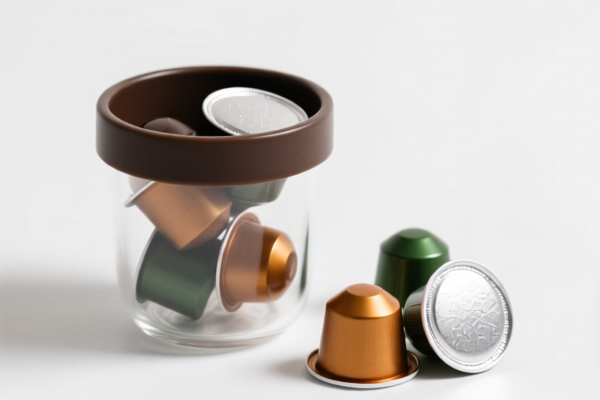
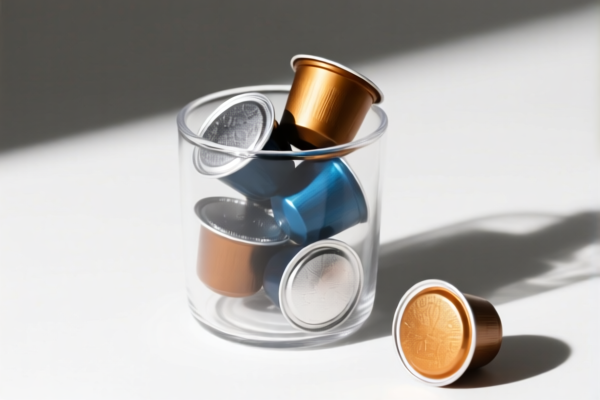
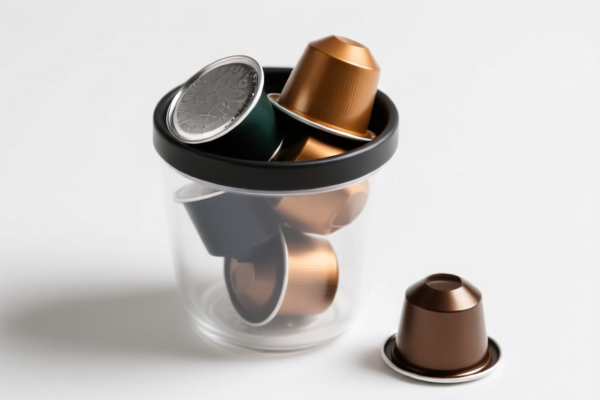
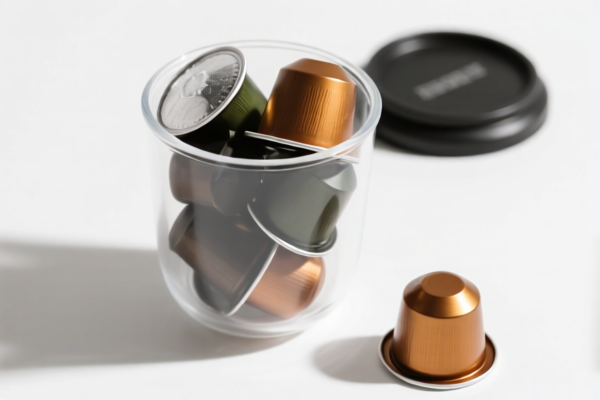
AI Analysis
🥄 Storage Cups (Plastic, Wooden, Metal & Composite)
🌐 HS Code Reference & Customs Clearance Guide | 2026 Latest Tariff Analysis | Professional Entry Strategy
📌 I. Product Definition & Classification: What Exactly is a "Storage Cup"?
In international trade, "Storage Cup" is a broad term that usually refers to tableware, kitchenware, or household articles used for storing food or beverages. However, customs authorities do not classify based on the generic English name "Storage Cup," but strictly on the material composition and function.
Misclassification is the #1 cause of customs delays and penalty fees for this product category. The key distinction lies in: 1. Material: Is it plastic, wood, iron/steel, or something else? 2. Usage: Is it for direct food/drink contact (tableware)? 3. Form: Is it a complete utensil (fork/spoon/cup) or a generic container?
⚠️ Critical Distinction Point:
- If it is a Plastic Cup for food storage → Falls under Chapter 39 (Plastics).
- If it is a Wooden Cup (e.g., chopsticks, small spoons, or specific cup shapes) → Falls under Chapter 44 (Wood).
- If it is a Metal Cup (e.g., stainless steel lunch containers, cups) → Falls under Chapter 73 (Iron/Steel).
- ❌ Do NOT classify plastic food containers under "Iron/Steel" just because they have a metal lid, unless the metal component constitutes the essential character (rare for simple cups).
📦 II. HS Code Classification Details (Based on Provided Data)
Based on the specific dataset provided, here are the precise classifications for "Storage Cups" depending on their material:
| HS Code | Product Description | Material | Key Characteristics |
|---|---|---|---|
3924.10.40.00 |
Tableware and kitchenware of plastics: Other | Plastic | Plastic cups, bowls, or food storage containers. Not coated/plated. |
3924.90.56.50 |
Other household articles of plastics: Other | Plastic | Plastic household storage items that are not strictly defined as tableware (e.g., generic plastic bins, non-food specific organizers). |
4419.90.11.00 |
Tableware and kitchenware of wood: Forks and spoons | Wood | Note: This code specifically lists "Forks and Spoons". If your "storage cup" is made of wood and shaped like a small bowl or cup used for tableware, it may fall here or under 4419.90.91.00. |
4419.90.91.00 |
Tableware and kitchenware of wood: Other | Wood | Wooden cups, bowls, or other wooden tableware not specifically listed as forks/spoons. |
7323.99.90.30 |
Household articles of iron/steel: Other Kitchen/tableware for food contact | Iron/Steel | Stainless steel food storage cups, lunch boxes, or metal cups suitable for food/drink contact. |
7323.99.90.80 |
Household articles of iron/steel: Other | Iron/Steel | Metal storage containers that are not primarily for food contact or are generic household metal items. |
🔍 重点提醒 (Key Reminders):
- Plastic Cups: Most common "storage cups" are plastic. If they are for food/drink, use3924.10.40.00. If they are generic storage bins, use3924.90.56.50.
- Wooden Cups: Use4419.90.91.00for general wooden tableware.
- Metal Cups: Use7323.99.90.30if it is explicitly for food/drink contact. This attracts the highest tariff due to trade restrictions.
💰 III. 2026 Latest Tariff Rate Breakdown (Detailed)
✅ Applicable Country: United States (US)
✅ Origin: China (CN)
⚠️ Warning: Tariffs vary drastically by material. Iron/Steel faces massive penalties.
🎯 1. Plastic Storage Cups (3924.10.40.00)
| Item | Content |
|---|---|
| Base Tariff | 3.4% (Basic Tariff) |
| Additional Tariff (Section 301) | 0.0% |
| Total Tax Rate | 3.4% |
| Tax Calculation | CIF Value × 3.4% |
| De Minimis Exemption | ✅ Applicable (For shipments under $800, subject to current CBP rules for China-origin goods; verify current de minimis status as policies shift). |
📌 Explanation:
- Standard plastic tableware enjoys a relatively low base tariff of 3.4%.
- No additional Section 301 tariffs are listed in the provided data for this specific code, making it the most cost-effective option for exporters.
🎯 2. Other Plastic Household Articles (3924.90.56.50)
| Item | Content |
|---|---|
| Base Tariff | 3.4% |
| Additional Tariff (Section 301) | 7.5% |
| Total Tax Rate | 10.9% |
| Tax Calculation | CIF Value × 10.9% |
| De Minimis Exemption | ✅ Check Status (Generally, general plastic goods may be subject to additional duties if classified under "other"). |
📌 Note:
- If your "storage cup" is not considered "tableware" (e.g., a plastic organizer jar for cotton balls), it falls here.
- The rate is higher (10.9%) due to the 7.5% additional duty.
🎯 3. Wooden Tableware/Cups (4419.90.11.00 & 4419.90.91.00)
A. Forks and Spoons (4419.90.11.00)
| Item | Content |
|---|---|
| Base Tariff | 5.3% |
| Additional Tariff | 0.0% |
| Total Tax Rate | 5.3% |
B. Other Wooden Tableware (4419.90.91.00)
| Item | Content |
|---|---|
| Base Tariff | 3.2% |
| Additional Tariff (Section 301) | 7.5% |
| Total Tax Rate | 10.7% |
📌 Note:
- Wooden items are generally subject to phytosanitary inspections. Ensure wood is properly treated and labeled.
- If your wooden cup is considered "other" (not fork/spoon), it attracts the 10.7% rate.
🎯 4. Iron/Steel Food Contact Storage Cups (7323.99.90.30)
| Item | Content |
|---|---|
| Base Tariff | 3.4% |
| Additional Tariff (Section 301) | 25.0% |
| Additional Tariff (Steel/Aluminum/Copper) | 50.0% |
| Total Tax Rate | 78.4% |
| Tax Calculation | CIF Value × 78.4% |
| De Minimis Exemption | ❌ NOT Applicable (High-value tariffs usually negate de minimis benefits or trigger strict scrutiny). |
⚠️ CRITICAL WARNING:
- This code attracts the highest tariff in the dataset.
- The "78.4%" rate is a combination of Base (3.4%) + Section 301 (25%) + Specific Steel/Aluminum/Copper duties (50%).
- Implication: Exporting stainless steel food containers from China to the US is extremely costly. Consider sourcing from non-China origins or switching to plastic/wood if feasible.
🎯 5. Other Iron/Steel Household Articles (7323.99.90.80)
| Item | Content |
|---|---|
| Base Tariff | 3.4% |
| Additional Tariff (Section 301) | 25.0% |
| Additional Tariff (Steel/Aluminum/Copper) | 50.0% |
| Total Tax Rate | 78.4% |
📌 Note:
- Even if not for food contact, generic steel household items still face the 78.4% rate due to broad steel tariffs.
🛠️ IV. Customs Clearance Practical Advice (Avoid Pitfalls)
✅ 1. Documentation Checklist
| Document | Required | Notes |
|---|---|---|
| Product Spec Sheet | ✅ Yes | Clearly state material (e.g., "100% PP Plastic", "304 Stainless Steel"). |
| Material Declaration | ✅ Yes | Essential for HS Code determination. Must specify if it contains precious metal coatings. |
| Food Contact Certificate | ✅ Yes (for Metal/Plastic) | FDA compliance certificates for plastic/steel items intended for food storage. |
| Commercial Invoice | ✅ Yes | Description must match HS Code (e.g., "Plastic Food Storage Cup, PP Material"). |
| Packing List | ✅ Yes | Include net/gross weight. |
✅ 2. Declaration Tips (Key Formulas)
🔥 "Material First, Function Second, Description Precise!"
| Scenario | Correct HS Code | Risk if Wrong |
|---|---|---|
| Plastic Food Cup | 3924.10.40.00 (3.4%) |
Misclassifying as "Other Plastic" (3924.90.56.50) → 7.5% extra penalty. |
| Stainless Steel Lunch Box | 7323.99.90.30 (78.4%) |
No valid lower code for steel food containers. Cost is unavoidable unless origin changes. |
| Wooden Cup | 4419.90.91.00 (10.7%) |
Misclassifying as "Tableware" (4419.90.11.00) only applies to forks/spoons. |
| Plastic Jar (Non-Food) | 3924.90.56.50 (10.9%) |
Must prove it is not for food/drink to avoid higher scrutiny. |
✅ 3. Special Handling
| Situation | Recommendation |
|---|---|
| Mixed Materials (e.g., Plastic cup with Metal Lid) | If the plastic body provides the essential character, classify under Plastic (3924). If the metal lid defines the utility, it may shift to Steel (7323) – High Risk! |
| Sample Shipments | For samples under $800, check if De Minimis applies. However, note that Section 301 tariffs often override de minimis exemptions for certain categories. Verify with your broker. |
| Wooden Products | Ensure no raw wood is used without heat treatment. Provide an IPPC Mark if required. |
🌍 V. Global Market Comparison (2026)
| Market | Recommended HS Code | Est. Tariff | Notes |
|---|---|---|---|
| 🇺🇸 USA | 3924.10.40.00 (Plastic) |
3.4% | Most favorable for plastic tableware. |
| 🇺🇸 USA | 7323.99.90.30 (Steel) |
78.4% | Extremely high. Avoid if possible. |
| 🇪🇺 EU | 3924.10.40 (Plastic) |
~1.7% | Lower base tariffs, but VAT applies. |
| 🇨🇳 China | 3924.10.40 (Plastic) |
~3-5% | Import duty for re-export or domestic sale. |
📌 Conclusion:
- Plastic is the most tariff-efficient material for "Storage Cups" entering the US.
- Steel is prohibitively expensive (78.4%) due to multiple overlapping tariff wars.
- Wood is a moderate option (10.7%) but requires stricter sanitary controls.
📌 VI. Common Mistakes & Pitfalls (Blood Lessons)
❌ Mistake 1: Labeling a Stainless Steel Food Container as "Plastic Container"
👉 Consequence: Customs seizure, fines, and forced re-export. The 78.4% tariff will be backdated and charged.
❌ Mistake 2: Classifying a Plastic Food Cup as "Other Household Plastic" (3924.90.56.50)
👉 Consequence: Overpayment of 7.5% unnecessarily. Always use 3924.10.40.00 for tableware.
❌ Mistake 3: Ignoring the "Food Contact" aspect for Steel Items
👉 Consequence: If it's for food, it MUST be 7323.99.90.30. Using 7323.99.90.80 is incorrect and will trigger audits.
✅ Correct Approach:
"Plastic Food Storage Cup, Polypropylene (PP), Food Grade, FDA Compliant, Model XYZ" →
3924.10.40.00
🎯 VII. Conclusion: Optimize Costs with Smart Classification
🎯 Remember the Mantra:
🔹 "Plastic First, Steel Last, Wood in Between!"
🔹 "3.4% vs 78.4%: Choose Plastic for Profit!"
📌 Pro Tip:
If you are exporting steel storage cups, consider:
1. Sourcing from Vietnam/Mexico to avoid Section 301 tariffs.
2. Switching to Plastic/Polymer coatings on steel products (if still considered plastic essential character).
3. Applying for Tariff Exclusions (if available for specific SKUs).
📣 Immediate Action:
📞 Consult a licensed customs broker before shipment.
🚀 Get an Advance Ruling if you are unsure about mixed-material products.
💰 Save 75% in duties by choosing the right HS Code!
✨ Professional Clearance Starts with Accurate Classification!
💼 Every penny saved is pure profit!
Customer Reviews
About HS Code Classification
The Harmonized System (HS) is an internationally standardized nomenclature developed by the World Customs Organization (WCO) to classify traded products. Over 200 countries use the HS system as the basis for customs tariffs, trade statistics, and import/export regulations.
Each HS code follows a hierarchical structure:
- Chapter (2 digits) — Broad category of goods (e.g., Chapter 84: Machinery and Mechanical Appliances)
- Heading (4 digits) — More specific grouping within the chapter
- Subheading (6 digits) — Internationally standardized breakdown, used by all WCO member countries
- National subdivisions (8-10 digits) — Country-specific extensions for further classification, such as US HTSUS 10-digit codes
Correct HS code classification is essential for smooth customs clearance, accurate duty payment, and compliance with trade regulations. Misclassification can lead to customs delays, overpayment of duties, or penalties.
When importing from CN to US, the applicable tariff rates may include:
- Most-Favored-Nation (MFN) rate — The standard duty rate applied to WTO members
- General rate — Applied to countries without trade agreements
- Trade remedy duties — Additional tariffs such as Section 301 (anti-dumping), Section 232 (national security), or countervailing duties
The information provided on this page is for reference purposes only. For official classification, please consult with your local customs authority or a licensed customs broker.