Storage and Organization Box
CN → US| HS Code | Tariff Rate | Origin | Destination | Doc |
|---|---|---|---|---|
| 4420908000 | 38.2% | CN | US | Official Doc |
| 4202929315 | 52.6% | CN | US | Official Doc |
| 3926901000 | 20.9% | CN | US | Official Doc |
| 4202926010 | 41.3% | CN | US | Official Doc |
| 3926909989 | 22.8% | CN | US | Official Doc |
Product Images
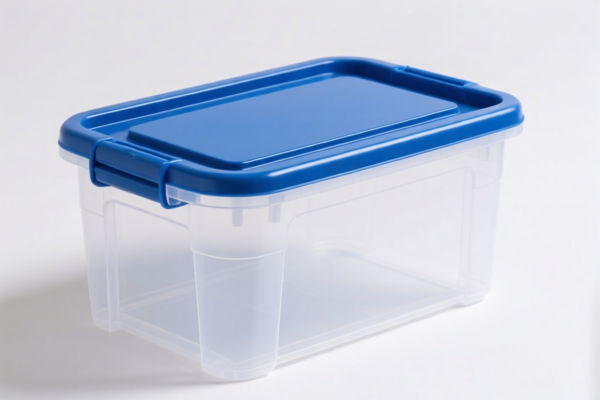
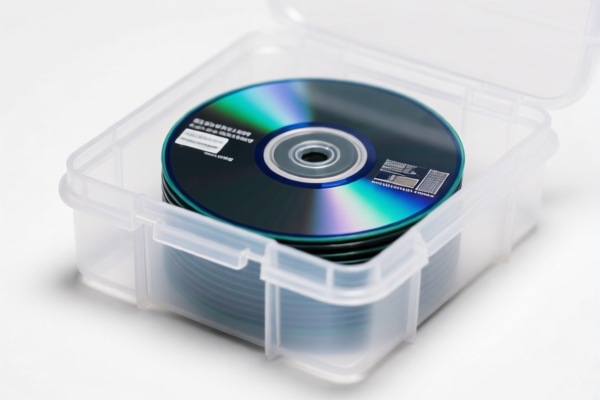
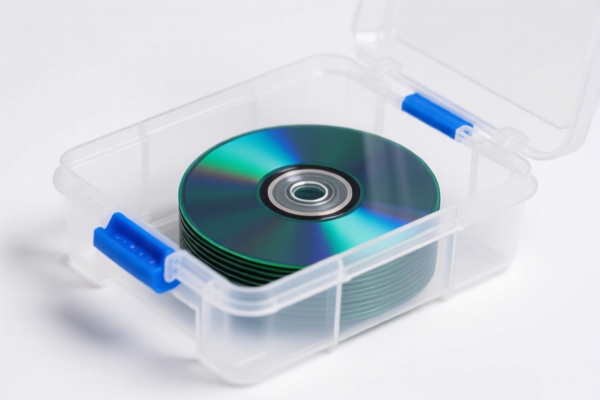

AI Analysis
📦 Storage and Organization Box (收纳盒)
🌐 HS Code Reference & Customs Clearance Guide | 2026 Latest Tariff Analysis | Professional Entry Strategy
📌 I. Product Definition & Classification: What Exactly Is This "Box"?
A "Storage and Organization Box" is a generic term in international trade. The HS Code classification is strictly determined by the MATERIAL of manufacture, not just its function. In the eyes of U.S. Customs and Border Protection (CBP), misclassifying based on appearance rather than material leads to severe penalties and retroactive duties.
We analyze five specific scenarios based on the provided data: 1. Wooden Boxes → Classified under Chapter 44 (Wood Articles). 2. Textile/Surface Boxes → Classified under Chapter 42 (Articles of Apparel/Accessories). 3. Plastic Boxes (Container Type) → Classified under Chapter 39 (Plastics). 4. Jewelry/Organizer Shape (Mixed Material) → Classified under Chapter 42 (Specific Containers). 5. Plastic Boxes (Other Articles) → Classified under Chapter 39 (General Plastic Articles).
⚠️ Critical Distinction Point:
- If it smells/feels like Wood → Chapter 44 (Tax: ~38.2%)
- If it is Plastic → Chapter 39 (Tax: ~20.9% - 22.8%)
- If it is Textile/Fabric or Jewelry Box shape → Chapter 42 (Tax: ~41.3% - 52.6%)
📋 II. HS Code Classification Details (2026 Latest Tariff Alignment)
| HS Code | Product Description | Material Basis | Applicable Scenario |
|---|---|---|---|
4420.90.80.00 |
Wooden Boxes: Jewelry, Cutlery, or Similar Articles | Wood | Solid wood or veneer boxes for jewelry/utensils |
4202.92.93.15 |
Containers: Surface primarily textile | Textile | Fabric-covered storage, canvas boxes |
3926.90.10.00 |
Other Plastic Articles: Containers | Plastic | Standard plastic storage bins/crates |
4202.92.60.10 |
Jewelry Boxes & Similar Containers | Plastic/Textile/Mixed | Structured organizers, vanity cases, jewelry boxes |
3926.90.99.89 |
Other Plastic Articles: Not elsewhere specified | Plastic | Generic plastic containers not fitting "container" definition |
🔍 Key Reminder:
- "Jewelry Box" (4202...) often carries a higher tariff than generic "Plastic Container" (3926...) even if both are plastic, because Chapter 42 has higher base duties. - Wood (4420...) is a middle-ground option, often cheaper than textile-based classifications but more expensive than basic plastic.
💰 III. 2026 Latest Tariff Rate Breakdown (Including Additional Taxes)
✅ Applicable Country: USA (US)
✅ Origin: China (CN)
✅ Effective Time: Ongoing (Section 301 & Section 122 Terms Apply)
🎯 1. 4420.90.80.00 – Wooden Jewelry/Storage Boxes
| Item | Detail |
|---|---|
| Base Tariff | 3.2% |
| Section 301 Additional Tax | 25.0% |
| Section 122 Tax | 10.0% |
| Total Effective Tax Rate | 38.2% |
| Calculation Basis | CIF Value × 38.2% |
| De Minimis Exemption | ❌ No (High value risk) |
| Legal Path | HTS:4420.90.80 → Sec301:25% → Sec122:10% |
📌 Interpretation:
- Wood-based storage boxes face a significant 38.2% combined duty.
- This is often used for high-end wooden jewelry boxes or cutlery sets.
🎯 2. 4202.92.93.15 – Textile-Faced Storage Containers
| Item | Detail |
|---|---|
| Base Tariff | 17.6% |
| Section 301 Additional Tax | 25.0% |
| Section 122 Tax | 10.0% |
| Total Effective Tax Rate | 52.6% |
| Calculation Basis | CIF Value × 52.6% |
| De Minimis Exemption | ❌ No |
| Legal Path | HTS:4202.92.93 → Sec301:25% → Sec122:10% |
📌 Warning:
- This is the HIGHEST tax bracket in our data set.
- Any storage box where the outer surface is textile (fabric, felt, canvas) regardless of internal structure, falls here. Avoid if cost-sensitive.
🎯 3. 3926.90.10.00 – Plastic Containers
| Item | Detail |
|---|---|
| Base Tariff | 3.4% |
| Section 301 Additional Tax | 7.5% |
| Section 122 Tax | 10.0% |
| Total Effective Tax Rate | 20.9% |
| Calculation Basis | CIF Value × 20.9% |
| De Minimis Exemption | ❌ No |
| Legal Path | HTS:3926.90.10 → Sec301:7.5% → Sec122:10% |
📌 Optimization Insight:
- This is the LOWEST tax bracket.
- Applicable to standard plastic bins, crates, or organizers that are clearly defined as "containers."
🎯 4. 4202.92.60.10 – Jewelry Boxes & Similar (Plastic/Textile Mix)
| Item | Detail |
|---|---|
| Base Tariff | 6.3% |
| Section 301 Additional Tax | 25.0% |
| Section 122 Tax | 10.0% |
| Total Effective Tax Rate | 41.3% |
| Calculation Basis | CIF Value × 41.3% |
| De Minimis Exemption | ❌ No |
| Legal Path | HTS:4202.92.60 → Sec301:25% → Sec122:10% |
📌 Note:
- Even if made of plastic, if it is shaped/defined as a "Jewelry Box", it falls under Chapter 42.
- The 25% Section 301 tax heavily penalizes this category. Do not use this code for generic plastic bins.
🎯 5. 3926.90.99.89 – Other Plastic Articles
| Item | Detail |
|---|---|
| Base Tariff | 5.3% |
| Section 301 Additional Tax | 7.5% |
| Section 122 Tax | 10.0% |
| Total Effective Tax Rate | 22.8% |
| Calculation Basis | CIF Value × 22.8% |
| De Minimis Exemption | ❌ No |
| Legal Path | HTS:3926.90.99 → Sec301:7.5% → Sec122:10% |
📌 Comparison:
- Slightly higher than3926.90.10.00(22.8% vs 20.9%), but still the most economical plastic category.
- Used for plastic storage items that don't fit the strict "container" definition of .10.
🛠️ IV. Customs Clearance Practical Advice (Avoid Pitfalls)
✅ 1. Preparation Checklist (Non-Negotiable)
| Document | Required | Explanation |
|---|---|---|
| ✅ Product Specifications | ✔️ | Must clearly state Material Composition (e.g., "100% Polypropylene" or "Wood with Fabric Lining"). |
| ✅ Photos (Clear & Detailed) | ✔️ | Show texture, seams, and labels. CBP will visually inspect to determine if it's "Textile Surface" vs. "Plastic." |
| ✅ Commercial Invoice | ✔️ | Description must match HS Code. E.g., for 3926.90.10.00, use "Plastic Storage Container," NOT "Jewelry Box." |
| ✅ Packing List | ✔️ | Detail weights and dimensions. |
✅ 2. Declaration Strategy (Golden Rules)
🔥 "Material Dictates Code, Function Follows Material!"
| Scenario | Correct Declaration | Wrong Declaration | Result |
|---|---|---|---|
| Plastic Bin | "Plastic Storage Container" → 3926.90.10.00 |
"Jewelry Organizer" | Risk of reclassification to 4202 (41.3% tax) |
| Wooden Box | "Wooden Jewelry Box" → 4420.90.80.00 |
"Storage Box" | Ambiguity leads to higher duty assessment |
| Fabric Cover | "Textile-Faced Container" → 4202.92.93.15 |
"Plastic Box" (if textile outer) | Misdeclaration leads to penalties |
| Mixed Material | Define primary outer surface | Vague "Mixed Materials" | CBP may default to highest applicable duty |
✅ 3. Special Handling Tips
| Situation | Advice |
|---|---|
| Plastic Jewelry Box | Try to classify under 3926 (Plastic) instead of 4202 (Jewelry Box) if legally justifiable (e.g., plain, utilitarian design). Saves ~18.4%. |
| Wood vs. Plastic | If a box has a wood veneer over plastic, CBP may classify as Plastic (3926). If solid wood, it is 4420. Verify core material. |
| Textile Labeling | If the box is plastic but covered in fabric, it is 4202. To avoid the 52.6% tax, ensure the outer surface is declared as the core material if allowed, or accept the cost. |
🌍 V. Global Market Comparison (2026 Context)
| Market | Recommended HS Code | Est. Total Duty (China Origin) | Key Requirement |
|---|---|---|---|
| 🇺🇸 USA | 3926.90.10.00 |
20.9% (Lowest) | FCC/CA Prop 65 if relevant; Strict Section 301/122 application |
| 🇺🇸 USA | 4202.92.93.15 |
52.6% (Highest) | Textile content declaration critical |
| 🇪🇺 EU | 3926.90.10.00 |
~4.7% (Base) | REACH, RoHS, CE Marking |
| 🇨🇳 China | 3926.90.10.00 |
~6.5% (Base) | CCC if electrical components involved |
📌 Conclusion:
- USA is the most punitive market due to the addition of Section 301 (up to 25%) and Section 122 (10%) on top of base duties.
- Plastic containers (3926) are the most tax-efficient entry point for "Storage Boxes" into the US, provided they are not defined as "Jewelry Boxes" or "Textile Containers."
📌 VI. Common Errors & Pitfalls (Lessons Learned)
❌ Error 1: Calling a plastic box a "Jewelry Box" to make it sound premium.
👉 Consequence: Moves from 20.9% to 41.3%. Loss: 20.4% extra tax!
❌ Error 2: Ignoring the "Outer Surface" rule for Chapter 42.
👉 Consequence: A plastic box with a fabric wrap is taxed at 52.6%. Loss: 31.7% extra tax!
❌ Error 3: Using generic "Storage Box" without material specification.
👉 Consequence: CBP may assign a "Residual" or highest available duty code, potentially up to 60%+.
✅ Correct Practice:
"Plastic Storage Container, Polypropylene, Transparent, Stackable, Model XYZ" →
3926.90.10.00
"Wooden Jewelry Box, Pine Wood, Velvet Lined, Model XYZ" →4420.90.80.00
🎯 VII. Conclusion: Precision Classification, Cost Saving!
🎯 Key Takeaway:
🔹 "Plastic Container" is your friend (20.9%).
🔹 "Jewelry Box" is your enemy (41.3%).
🔹 "Textile Surface" is your worst nightmare (52.6%).
🔹 "Wood" is acceptable (38.2%).🔹 HS Code determines your profit margin. A 20% difference in duty can wipe out your entire profit for "Storage Boxes."
📌 Pro Tip:
If you are importing Plastic items, ensure your product description and physical attributes align strictly with 3926.90.10.00 (Container) or 3926.90.99.89 (Other Article). Avoid terms like "Jewelry," "Cosmetic Case," or "Fabric" in your commercial invoice if the product is primarily plastic.
📣 Immediate Action:
📞 Verify Material Composition with your supplier.
📦 Photograph the Outer Surface clearly.
📝 Draft Invoice using the exact terminology from the HS Code definition.
🚀 Secure the 20.9% Rate by avoiding Chapter 42 traps!
✨ Professional Customs Clearance Starts with Accurate Classification!
💼 Your Bottom Line Depends on These Two Digits!
Customer Reviews
About HS Code Classification
The Harmonized System (HS) is an internationally standardized nomenclature developed by the World Customs Organization (WCO) to classify traded products. Over 200 countries use the HS system as the basis for customs tariffs, trade statistics, and import/export regulations.
Each HS code follows a hierarchical structure:
- Chapter (2 digits) — Broad category of goods (e.g., Chapter 84: Machinery and Mechanical Appliances)
- Heading (4 digits) — More specific grouping within the chapter
- Subheading (6 digits) — Internationally standardized breakdown, used by all WCO member countries
- National subdivisions (8-10 digits) — Country-specific extensions for further classification, such as US HTSUS 10-digit codes
Correct HS code classification is essential for smooth customs clearance, accurate duty payment, and compliance with trade regulations. Misclassification can lead to customs delays, overpayment of duties, or penalties.
When importing from CN to US, the applicable tariff rates may include:
- Most-Favored-Nation (MFN) rate — The standard duty rate applied to WTO members
- General rate — Applied to countries without trade agreements
- Trade remedy duties — Additional tariffs such as Section 301 (anti-dumping), Section 232 (national security), or countervailing duties
The information provided on this page is for reference purposes only. For official classification, please consult with your local customs authority or a licensed customs broker.