Stove
CN → US| HS Code | Tariff Rate | Origin | Destination | Doc |
|---|---|---|---|---|
| 8417800000 | 38.9% | CN | US | Official Doc |
| 8417100000 | 37.9% | CN | US | Official Doc |
| 8514190000 | 35.0% | CN | US | Official Doc |
| 8514399000 | 36.3% | CN | US | Official Doc |
| 7321111030 | 90.7% | CN | US | Official Doc |
| 7321113010 | 85.0% | CN | US | Official Doc |
Product Images
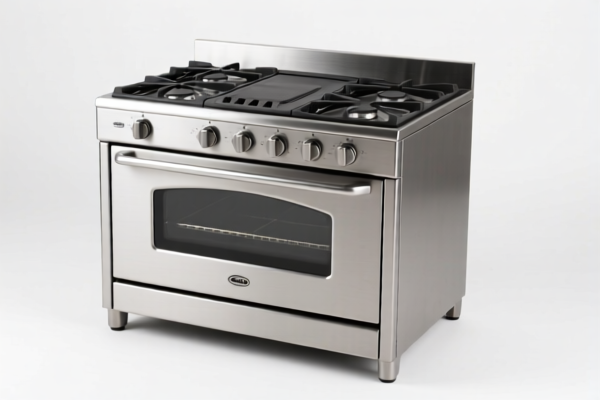
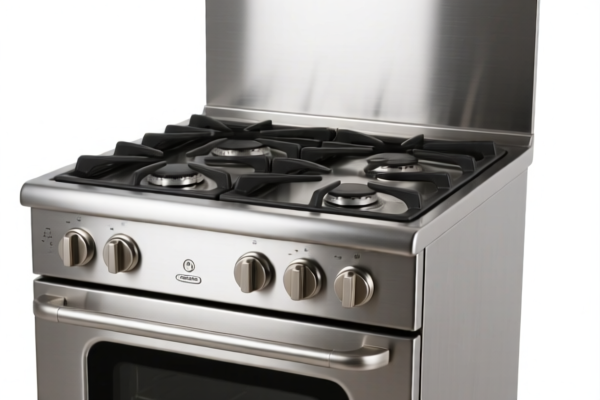
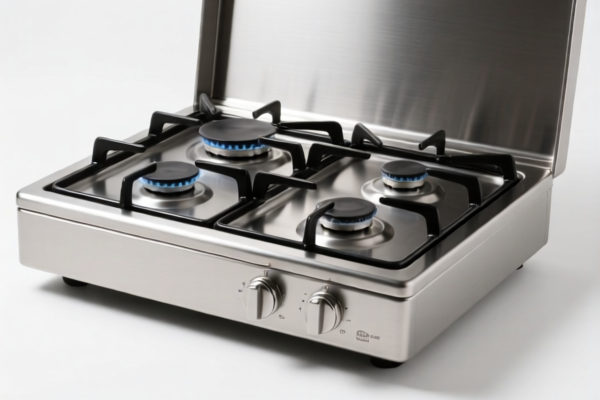
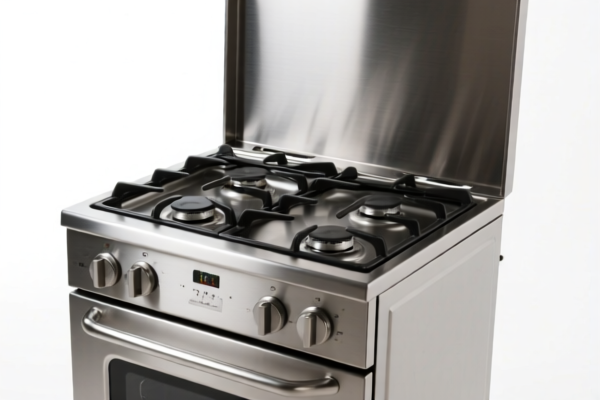
AI Analysis
🔥 Stove (炉子) – Ultimate HS Code Classification & US Customs Clearance Guide 2026
🌐 HS Code Reference & Customs Clearance Strategy | 2026 Latest Tariff Analysis | Professional Compliance Guide
📌 Part I: Product Definition & Classification Logic
A "Stove" is a broad term covering various heating appliances. In international trade, precise classification depends on power source (electric vs. non-electric), purpose (industrial/lab vs. household cooking), and material. Misclassification leads to severe penalties due to high US punitive tariffs (Section 301, Section 232, and IEEPA).
⚠️ Critical Distinction:
- Industrial/Lab Electric Stoves: Regulated under Chapter 85 (Electrical machinery).
- Household Cooking Stoves: Regulated under Chapter 73 (Articles of iron/steel).
- Non-Electric Industrial Stoves: Regulated under Chapter 84 (Machinery).
📦 Part II: HS Code Classification Details (Based on Provided Data)
| HS Code | Product Description | Usage/Purpose | Material Conflict? |
|---|---|---|---|
8417.80.00.00 |
Non-electric Industrial or Laboratory Furnaces | Matches "Stove" as heating equipment; no conflict with non-electric industrial use. | ❌ None |
8417.10.00.00 |
Furnaces, Ovens, and Roasting Machines | Matches "Stove" usage; no conflict with metal roasting/smeltng. | ❌ None |
8514.19.00.00 |
Industrial or Laboratory Electric Furnaces | Infers "Stove" as heating device; fits electric industrial/lab category. | ❌ None |
8514.39.90.00 |
Other Electric Furnaces and Ovens | "Stove" matches electric furnace usage; catch-all category for other types. | ❌ None |
7321.11.10.30 |
Stoves, Ranges, and Cooking Plates (Iron/Steel) | Matches household cooking stoves; common metal material (steel/iron). | ✅ Yes (Steel/Aluminum/Copper surcharge applies) |
7321.11.30.10 |
Stoves, Ranges, and Cooking Plates (Iron/Steel) | Matches household usage; inferred metal material aligns with iron/steel requirements. | ✅ Yes (Steel/Aluminum/Copper surcharge applies) |
🔍 Key Insight:
- Household Stoves fall under Chapter 73 and are subject to the highest total tariffs (up to 90.7%) due to specific steel/aluminum add-ons.
- Industrial/Lab Stoves fall under Chapter 84/85 with lower base tariffs but still face significant Section 301 and IEEPA levies.
💰 Part III: 2026 Latest Tariff Rate Breakdown (US Imports from China)
✅ Applicable Country: United States (US)
✅ Origin: China (CN)
✅ Effective Time: Current 2026 Tariff Structure
🎯 1. 8417.80.00.00 – Non-Electric Industrial/Laboratory Furnace
| Item | Detail |
|---|---|
| Base Tariff | 3.9% |
| Section 301 Surcharge | +25.0% |
| Section 122 Tariff | +10.0% |
| Total Tax Rate | 38.9% |
| Tax Calculation | CIF Value × 38.9% |
| De Minimis Exemption? | ❌ No (High risk of detention) |
| Legal Basis | HTSUS 8417.80.00.00 → Section 301 Footnote → Section 122 |
📌 Explanation:
- Base 3.9%: Standard MFN rate for non-electric furnaces.
- 25% Section 301: Standard punitive tariff on Chinese goods.
- 10% Section 122: Additional levy for national security/economic interests.
- Total 38.9%: Moderate-high. No material-specific surcharges.
🎯 2. 8417.10.00.00 – Furnaces, Ovens, Roasting Machines
| Item | Detail |
|---|---|
| Base Tariff | 2.9% |
| Section 301 Surcharge | +25.0% |
| Section 122 Tariff | +10.0% |
| Total Tax Rate | 37.9% |
| Tax Calculation | CIF Value × 37.9% |
| De Minimis Exemption? | ❌ No |
| Legal Basis | HTSUS 8417.10.00.00 → Section 301 Footnote → Section 122 |
📌 Note:
- Slightly lower base rate (2.9%) than8417.80.00.00.
- Suitable for industrial roasting/smelting stoves.
- Total 37.9%: Slightly more favorable than 38.9%.
🎯 3. 8514.19.00.00 – Industrial/Lab Electric Furnace
| Item | Detail |
|---|---|
| Base Tariff | 0.0% |
| Section 301 Surcharge | +25.0% |
| Section 122 Tariff | +10.0% |
| Total Tax Rate | 35.0% |
| Tax Calculation | CIF Value × 35.0% |
| De Minimis Exemption? | ❌ No |
| Legal Basis | HTSUS 8514.19.00.00 → Section 301 Footnote → Section 122 |
📌 Advantage:
- 0% Base Rate makes this the most cost-effective option for electric industrial/lab stoves.
- Total 35.0%: Lowest among all options provided.
🎯 4. 8514.39.90.00 – Other Electric Furnaces/Ovens (Catch-All)
| Item | Detail |
|---|---|
| Base Tariff | 1.3% |
| Section 301 Surcharge | +25.0% |
| Section 122 Tariff | +10.0% |
| Total Tax Rate | 36.3% |
| Tax Calculation | CIF Value × 36.3% |
| De Minimis Exemption? | ❌ No |
| Legal Basis | HTSUS 8514.39.90.00 → Section 301 Footnote → Section 122 |
📌 Note:
- "Other" category for electric stoves not fitting8514.19.00.00.
- Total 36.3%: Competitive, but higher than8514.19.00.00.
🎯 5. 7321.11.10.30 – Household Stoves (Iron/Steel) ⚠️ HIGHEST TAX
| Item | Detail |
|---|---|
| Base Tariff | 5.7% |
| Section 301 Surcharge | +25.0% |
| Section 122 Tariff | +10.0% |
| Steel/Aluminum/Copper Surcharge | +50.0% |
| Total Tax Rate | 90.7% |
| Tax Calculation | CIF Value × 90.7% |
| De Minimis Exemption? | ❌ No |
| Legal Basis | HTSUS 7321.11.10.30 → Section 301 → Section 122 → 232/IEEPA Steel Add-on |
📌 Warning:
- 90.7% is extremely high due to the 50% surcharge on steel/aluminum/copper products.
- Applies to household cooking stoves made of iron/steel.
- Cost Implication: For a $1,000 stove, tax = $907.
🎯 6. 7321.11.30.10 – Household Stoves (Iron/Steel) ⚠️ HIGH TAX
| Item | Detail |
|---|---|
| Base Tariff | 0.0% |
| Section 301 Surcharge | +25.0% |
| Section 122 Tariff | +10.0% |
| Steel/Aluminum/Copper Surcharge | +50.0% |
| Total Tax Rate | 85.0% |
| Tax Calculation | CIF Value × 85.0% |
| De Minimis Exemption? | ❌ No |
| Legal Basis | HTSUS 7321.11.30.10 → Section 301 → Section 122 → 232/IEEPA Steel Add-on |
📌 Note:
- 85.0%: Still extremely high, but 5.7% lower than7321.11.10.30due to 0% base rate.
- Also applies to household stoves with steel/iron construction.
🛠️ Part IV: Customs Clearance Practical Advice
✅ 1. Required Documentation (Mandatory)
| Document | Must Provide? | Purpose |
|---|---|---|
| ✅ Product Specifications | ✔️ | Define power type (electric/non-electric), capacity, usage (industrial/household). |
| ✅ Material Certificate | ✔️ | Prove material composition (e.g., stainless steel, cast iron). Critical for Chapter 73. |
| ✅ Product Photos (Label & Interior) | ✔️ | Identify heating elements, control panels, fuel type. |
| ✅ Technical Drawings | ✔️ | Distinguish between industrial furnaces and household stoves. |
| ✅ Commercial Invoice | ✔️ | Clearly state "Stove" and specify exact HS Code. |
| ✅ Certificate of Origin | ✔️ | For Section 301/122 determination. |
| ✅ UL/ETL Certification | ✔️ | Mandatory for electric stoves in the US. |
✅ 2. Declaration Strategies (Key Tips)
🔥 Golden Rule:
"Industrial vs. Household; Electric vs. Non-Electric; Steel Surcharge Alert!"
| Scenario | Correct HS Code | Risk if Misdeclared |
|---|---|---|
| Industrial Electric Oven | 8514.19.00.00 (35.0%) |
If declared as household → 85-90% tax! |
| Household Steel Stove | 7321.11.30.10 (85.0%) |
Cannot avoid steel surcharge. |
| Non-Electric Lab Furnace | 8417.80.00.00 (38.9%) |
Safe option, moderate tax. |
| Electric Stove (Non-Steel Parts) | Check Material | If non-metallic, may avoid 50% surcharge, but rare. |
✅ 3. Special Considerations
| Case | Handling Advice |
|---|---|
| OEM Household Stoves | Must declare as 7321.xx. Steel surcharge cannot be avoided if material is iron/steel. |
| Electric Industrial Stoves | Prefer 8514.19.00.00 (35.0%) for lowest total tax. Ensure documentation proves industrial/lab use. |
| Mixed Materials | If stove has non-metal parts, still likely classified under Chapter 73 if metal is essential character. |
| De Minimis (Section 321) | ❌ Not Applicable. High tariffs and scrutiny mean packages will be fully assessed. |
🌍 Part V: Global Market Comparison (2026)
| Country/Region | Recommended HS Code | Est. Total Tariff | Notes |
|---|---|---|---|
| 🇺🇸 USA | 7321.11.30.10 (Household) |
85.0% | Steel surcharge + 301 + 122. |
| 🇺🇸 USA | 8514.19.00.00 (Industrial Electric) |
35.0% | Best rate for industrial. |
| 🇨🇳 China | 7321.11.30.10 |
~5-10% | No Section 301/122. |
| 🇪🇺 EU | 7321.11.00 |
~5-6% | No steel surcharge in EU. |
| 🇬🇧 UK | 7321.11.00 |
~5-6% | Post-Brexit alignment with EU. |
📌 Conclusion:
- US Market is the most expensive for stoves, especially household ones.
- Industrial/Lab Stoves are significantly cheaper to import into the US (35-39%) compared to household stoves (85-90%).
📌 Part VI: Common Errors & Pitfalls (Lessons Learned)
❌ Error 1: Declaring a Household Steel Stove as "Industrial Furnace"
👉 Consequence: Customs audit → Seizure → Back taxes + Penalties.
👉 Why: Evidence of retail packaging, UL listing for home use.
❌ Error 2: Ignoring the 50% Steel/Aluminum Surcharge for Chapter 73 items
👉 Consequence: Underpayment of tax by 50% → Heavy fines.
👉 Fix: Always add 50% if material is iron/steel/aluminum/copper.
❌ Error 3: Using "General Heating Appliance" as Description
👉 Consequence: Customs will assign worst-case HS Code.
👉 Fix: Be specific: "Electric Industrial Furnace" or "Cast Iron Household Stove".
✅ Correct Practice:
"Industrial Electric Resistance Furnace, 220V, 5kW, Used in Laboratory, Model XYZ, UL Certified"
→ Use8514.19.00.00(35.0% total).
🎯 Part VII: Conclusion – Professional Clearance, Cost Efficiency
🎯 Remember the Rule:
🔹 Household Steel Stove: 85-90% Tax (Unavoidable).
🔹 Industrial Electric Stove: 35% Tax (Best Option).
🔹 Non-Electric Industrial Stove: 38-39% Tax.
🔹 Declaration Matters: Specify "Industrial" vs. "Household" clearly.
📌 Pro Tip:
If possible, reclassify household stoves as "Parts" if shipped unassembled (though still risky). Better yet, source from non-China origins to avoid Section 301/122, or consider Manufacturing in Vietnam/Mexico for lower duties (check USMCA/FTAs).
📣 Immediate Action:
📞 Consult a US Customs Broker with product photos.
🚀 Apply for an Advance Ruling if shipping high volume.
💡 Opt for Industrial Classification if product allows (lower tax!).
✨ Precision Classification Saves Thousands!
💼 Every Percentage Point Counts in US Customs Clearance!
Customer Reviews
About HS Code Classification
The Harmonized System (HS) is an internationally standardized nomenclature developed by the World Customs Organization (WCO) to classify traded products. Over 200 countries use the HS system as the basis for customs tariffs, trade statistics, and import/export regulations.
Each HS code follows a hierarchical structure:
- Chapter (2 digits) — Broad category of goods (e.g., Chapter 84: Machinery and Mechanical Appliances)
- Heading (4 digits) — More specific grouping within the chapter
- Subheading (6 digits) — Internationally standardized breakdown, used by all WCO member countries
- National subdivisions (8-10 digits) — Country-specific extensions for further classification, such as US HTSUS 10-digit codes
Correct HS code classification is essential for smooth customs clearance, accurate duty payment, and compliance with trade regulations. Misclassification can lead to customs delays, overpayment of duties, or penalties.
When importing from CN to US, the applicable tariff rates may include:
- Most-Favored-Nation (MFN) rate — The standard duty rate applied to WTO members
- General rate — Applied to countries without trade agreements
- Trade remedy duties — Additional tariffs such as Section 301 (anti-dumping), Section 232 (national security), or countervailing duties
The information provided on this page is for reference purposes only. For official classification, please consult with your local customs authority or a licensed customs broker.