Stove Range Hood
CN → USProduct Images
AI Analysis
🏠 Stove Range Hood (Kitchen Extractor Hoods)
🌐 HS Code Reference & Clearance Guide | 2026 Latest Tariff Analysis | Professional Customs Strategy
📌 I. Product Definition: What Exactly Is a "Stove Range Hood"?
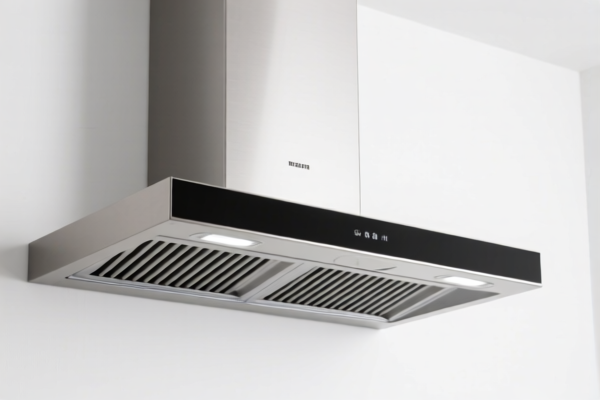
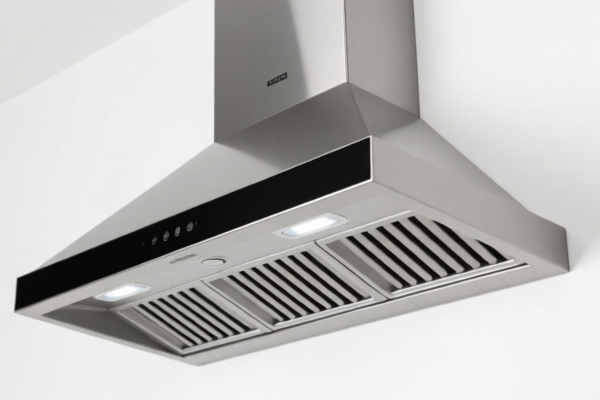
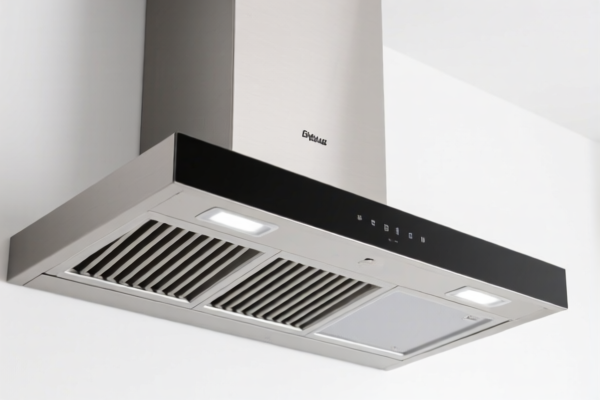
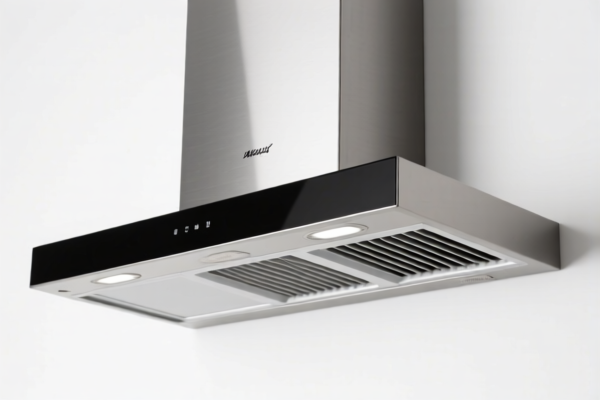
A Stove Range Hood (also known as a Kitchen Extractor Hood) is an appliance designed to remove air-borne grease, excess heat, smoke, odors, and combustion gases from the air in the immediate vicinity of a cooking surface. In international trade, these products are often misclassified due to their dual nature: they contain electric motors (like home appliances) but perform mechanical ventilation functions (like industrial fans).
The Core Conflict: * Argument A (Appliance View): It’s a household electrical appliance with its own motor → Chapter 85. * Argument B (Mechanical View): It’s a ventilating/circulating hood → Chapter 84. * Argument C (Filtration View): It purifies air via filters → Chapter 84.
⚠️ Key Distinction: The correct HS Code depends heavily on the primary function and construction as defined by the US Harmonized Tariff Schedule (HTSUS). However, for US Customs (CBP) and recent trade actions, the classification significantly impacts the total duty rate due to Section 301 and Section 122 tariffs.
📦 II. HS Code Classification Details (2026 Authorized Data)
Based on the provided authoritative data, there are three potential classifications for Stove Range Hoods. Each has vastly different tariff implications.
| HS Code | Product Description | Application/Function Logic | Total Tax Rate |
|---|---|---|---|
8509.80.50.95 |
Electric Home Appliance | Classified under "Other electro-mechanical domestic appliances" because it contains a self-contained electric motor and is intended for household use. | 14.2% |
8414.60.00.00 |
Ventilation/Circulating Hood | Classified under "Mechanical ventilating or recycling hoods with built-in fan." Focuses on the function of air extraction rather than the "appliance" aspect. | 35.0% |
8421.39.01.15 |
Air Purification/Filtration | Classified under "Other filtering or purifying machinery for gases" (specifically dust removal/air purification). Focuses on the filtering capability. | 35.0% |
🔍 Critical Analysis: *
8509.80.50.95is the most tax-efficient option (14.2%) because it benefits from a lower base tariff (4.2%). *8414.60.00.00and8421.39.01.15carry high duties (35.0%) primarily due to the 25% Section 301 Additional Duty. * Note: All three options include a 10% Section 122 Tariff (typically related to specific trade actions or countermeasures).
💰 III. 2026 Latest Tariff Rate Breakdown (Including Surcharges & Policy Add-ons)
✅ Applicable Country: United States (US)
✅ Origin: China (CN)
✅ Effective Time: Current trade policies (Section 301 & 122)
🎯 1. 8509.80.50.95 — The "Appliance" Classification (LOWEST DUTY)
| Item | Content |
|---|---|
| Product Description | Electric household appliance with self-contained motor (Range Hood) |
| Base Duty Rate | 4.2% (Ad Valorem) |
| Section 301 Additional Duty | 0.0% |
| Section 122 Tariff | 10.0% |
| Total Duty Rate | 14.2% |
| Tax Calculation | CIF Value × 14.2% |
| De Minimis Eligibility | ❌ No (Not eligible for Section 321 De Minimis exemption if total value > $800, but standard commercial clearance applies) |
| Legal Basis Path | HTSUS:8509.80.50.95 → Section 122: 10% → Section 301: Exempt/0% |
📌 Explanation: * This classification leverages Chapter 85 (Electrical Machinery), which often has lower base tariffs than Chapter 84 for similar mechanical functions. * Crucially, it appears to be exempt from the 25% Section 301 tariff in this specific data set, or the data indicates 0% additional duty. Verification with CBP pre-ruling is essential as 301 applicability changes frequently. * Total Cost Impact: Significantly lower than other options.
🎯 2. 8414.60.00.00 — The "Ventilation Hood" Classification (HIGH DUTY)
| Item | Content |
|---|---|
| Product Description | Mechanical ventilating or recycling hoods with built-in fan |
| Base Duty Rate | 0.0% |
| Section 301 Additional Duty | 25.0% |
| Section 122 Tariff | 10.0% |
| Total Duty Rate | 35.0% |
| Tax Calculation | CIF Value × 35.0% |
| De Minimis Eligibility | ❌ No |
| Legal Basis Path | HTSUS:8414.60.00.00 → Section 301: 25% → Section 122: 10% |
📌 Explanation: * While the Base Duty is 0%, the 25% Section 301 tariff makes this classification extremely expensive. * This is a common trap: importers see "0% base duty" and assume it's cheap, but the Section 301 surcharge destroys the margin. * Total Cost Impact: High. Nearly 2.5x the cost of the
8509classification.
🎯 3. 8421.39.01.15 — The "Air Purifier" Classification (HIGH DUTY)
| Item | Content |
|---|---|
| Product Description | Air filtering/purifying machinery for gases (Dust removal) |
| Base Duty Rate | 0.0% |
| Section 301 Additional Duty | 25.0% |
| Section 122 Tariff | 10.0% |
| Total Duty Rate | 35.0% |
| Tax Calculation | CIF Value × 35.0% |
| De Minimis Eligibility | ❌ No |
| Legal Basis Path | HTSUS:8421.39.01.15 → Section 301: 25% → Section 122: 10% |
📌 Explanation: * Similar to
8414, this classification ignores the "appliance" nature and focuses on "purification." * It triggers the full 25% Section 301 tariff. * Total Cost Impact: High. Same as8414.
🛠️ IV. Customs Clearance Practical Advice (Avoid Pitfalls)
✅ 1. Documentation Checklist (Non-Negotiable)
| Document | Must Provide | Purpose |
|---|---|---|
| ✅ Product Specifications | ✔️ | Must explicitly state "Self-contained Electric Motor" and "Household Use" to support 8509. |
| ✅ Circuit Diagrams | ✔️ | To prove the presence of an electrical motor/controller, supporting Chapter 85. |
| ✅ Photos (Internal & External) | ✔️ | Show the motor, electrical connections, and control panel. |
| ✅ Commercial Invoice | ✔️ | Clearly describe as "Electric Range Hood" or "Kitchen Exhaust Fan," NOT "Industrial Ventilation Hood." |
| ✅ Packing List | ✔️ | Confirm no mixed HS codes in the same shipment. |
| ✅ Certificate of Origin | ✔️ | Required for Section 301/122 verification. |
✅ 2. Declaration Strategy (Key Mantra)
🔥 "Electrical Motor First, Ventilation Second! Don't say 'Fan', Say 'Appliance'!"
| Scenario | Correct Declaration Strategy | Wrong Approach |
|---|---|---|
| Standard Kitchen Hood | 8509.80.50.95Description: "Electric Kitchen Range Hood with Self-Contained Motor and Filters" |
Describing as "Ventilation Fan" or "Air Extractor" → Leads to 8414 (35%). |
| Hood + Filter Kit | 8509.80.50.95Declare as a single unit. |
Splitting into "Motor" and "Filter" → Complex compliance, risk of error. |
| Commercial/Industrial Hood | 8414.60.00.00If used in restaurants/industrial settings. |
Using 8509 for non-household items → Misdeclaration, penalties. |
| Hood with Separate Ductwork | 8509.80.50.95If the hood is the primary item. |
Declaring ducting separately → Unnecessary complexity. |
✅ 3. Special Considerations
| Situation | Handling Advice |
|---|---|
| OEM/Private Label | Ensure the spec sheet matches the 8509 criteria (self-contained motor). Avoid words like "industrial extraction." |
| Smart Hoods (Wi-Fi/App Control) | Still 8509.80.50.95. The control board is part of the electrical appliance. |
| Dual Fuel/Induction Combo Units | If it’s a hood designed specifically for a cooktop, ensure the description highlights the "Appliance" nature. |
| Pre-Ruling Request | HIGHLY RECOMMENDED. Submit a Binding Ruling Request to US CBP using the 8509.80.50.95 classification to lock in the 14.2% rate. Avoids retrospective audits. |
🌍 V. Global Market Comparison (2026 Snapshot)
| Market | Recommended HS Code | Est. Duty Rate | Notes |
|---|---|---|---|
| 🇺🇸 USA | 8509.80.50.95 |
14.2% | Best Option. Avoids Section 301. |
| 🇺🇸 USA (Alt) | 8414.60.00.00 |
35.0% | High risk due to Section 301. |
| 🇨🇳 China | 8414.59.90.00 |
~10-15% | Import duty varies; check FTA benefits. |
| 🇪🇺 EU | 8414.60.00 |
~4-6% | Generally low duty, no 25% surcharge. |
| 🇬🇧 UK | 8414.60.00 |
~4-6% | Post-Brexit tariff structure similar to EU. |
| 🇨🇦 Canada | 8414.60.00 |
~0-6% | MFN rates apply; check CEFTA. |
📌 Conclusion: The USA is the most complex market due to Section 301 and 122 tariffs. Correct classification into
8509.80.50.95is the single most important factor for profit margin preservation.
📌 VI. Common Errors & Pitfalls (Blood Lessons)
❌ Error 1: Describing the product as "Ventilation Fan" or "Exhaust Fan" on the Invoice.
👉 Consequence: CBP may reclassify to 8414.60.00.00 → Tax jumps from 14.2% to 35%. Back taxes + penalties!
❌ Error 2: Omitting the motor description.
👉 Consequence: Without proof of a "self-contained electric motor," CBP will reject 8509.
❌ Error 3: Assuming all Chapter 84 items are 0% base duty. 👉 Consequence: Ignoring the 25% Section 301 surcharge → Massive unexpected cost.
❌ Error 4: Using "Air Purifier" for 8421.39.01.15 without filtration emphasis.
👉 Consequence: CBP may argue it’s a hood (8509/8414) → Classification dispute.
✅ Correct Approach:
"Electric Kitchen Range Hood, Model XYZ, with Self-Contained Electric Motor, Grease Filters, and LED Lighting, for Household Use."
🎯 VII. Conclusion: Professional Declaration, Save Thousands!
🎯 Remember the Mantra:
🔹 "Electrical Appliance (8509) is King: 14.2% Total Duty." 🔹 "Ventilation Hood (8414) is Queen: 35.0% Total Duty (Thanks to 301)." 🔹 "Misclassification Costs You 20.8% of CIF Value!"
📌 Pro Tip:
If your range hood has additional features (like air quality sensors, Wi-Fi, or smart home integration), it remains an electrical appliance (8509). Do not let the "smart" features push it into "machinery" (8421).
📣 Immediate Action:
📞 Contact a Licensed Customs Broker to file a Pre-Ruling Application for HS Code
8509.80.50.95. 🚀 Protect Your Margin. A 20.8% difference is not a detail; it’s a business model.
✨ Professional Clearance Starts with Precise Classification! 💼 Every Percent Counts in 2026 Trade Policy!
Customer Reviews
About HS Code Classification
The Harmonized System (HS) is an internationally standardized nomenclature developed by the World Customs Organization (WCO) to classify traded products. Over 200 countries use the HS system as the basis for customs tariffs, trade statistics, and import/export regulations.
Each HS code follows a hierarchical structure:
- Chapter (2 digits) — Broad category of goods (e.g., Chapter 84: Machinery and Mechanical Appliances)
- Heading (4 digits) — More specific grouping within the chapter
- Subheading (6 digits) — Internationally standardized breakdown, used by all WCO member countries
- National subdivisions (8-10 digits) — Country-specific extensions for further classification, such as US HTSUS 10-digit codes
Correct HS code classification is essential for smooth customs clearance, accurate duty payment, and compliance with trade regulations. Misclassification can lead to customs delays, overpayment of duties, or penalties.
When importing from CN to US, the applicable tariff rates may include:
- Most-Favored-Nation (MFN) rate — The standard duty rate applied to WTO members
- General rate — Applied to countries without trade agreements
- Trade remedy duties — Additional tariffs such as Section 301 (anti-dumping), Section 232 (national security), or countervailing duties
The information provided on this page is for reference purposes only. For official classification, please consult with your local customs authority or a licensed customs broker.