Strapless Cotton Handbag
CN → US| HS Code | Tariff Rate | Origin | Destination | Doc |
|---|---|---|---|---|
| 6305200000 | 23.7% | CN | US | Official Doc |
| 4202224020 | 42.4% | CN | US | Official Doc |
| 6305900000 | 23.7% | CN | US | Official Doc |
| 4202228930 | 52.6% | CN | US | Official Doc |
Product Images
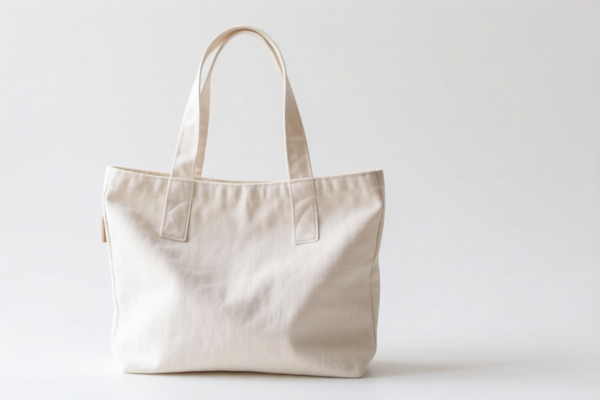
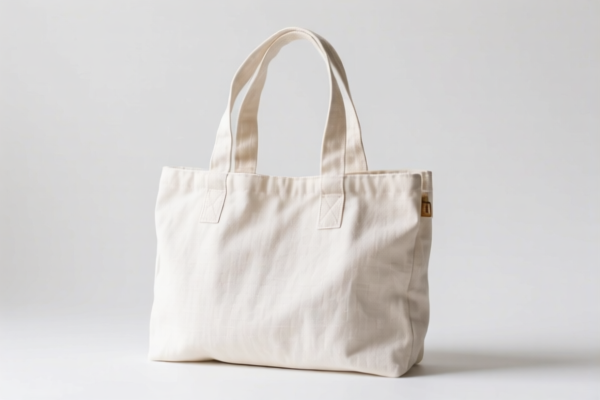
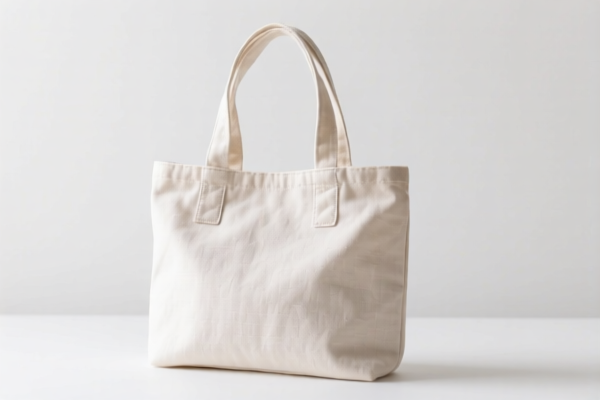
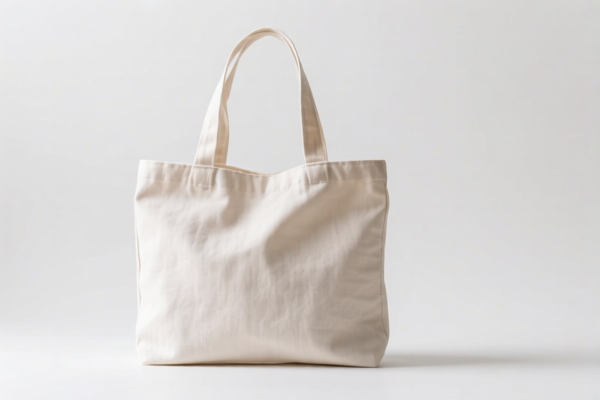
AI Analysis
👜 Strapless Cotton Handbag (The "Tote" Style)
🌐 HS Code Reference & Customs Clearance Guide | 2026 Latest Tariff Analysis | Professional Entry Strategy
📌 I. Product Definition & Classification: Are You Declaring a "Handbag" or a "Bag"?
A Strapless Cotton Handbag is a unique item in the eyes of customs officials. It lacks a traditional long handle or shoulder strap, often functioning as a Tote Bag, Dust Bag, or Drawstring Pouch. The classification hinges on two critical factors: 1. Material Composition: Is it 100% Cotton? 2. Structure & Function: Is it primarily for carrying personal items (Handbag/Bag, Chapter 42) or primarily for protecting goods/shipping (Textile Bag, Chapter 63)?
⚠️ Key Distinction Point:
- If the bag is rigid, structured, and designed for personal daily use (e.g., a fashion tote with a base, even if handle-less or soft-top) → Often falls under Chapter 42 (Articles of Apparel and Accessories).
- If the bag is soft, flexible, primarily for storage, protection, or bulk transport (e.g., a cotton sack, dust cover, or simple drawstring pouch) → Falls under Chapter 63 (Other made-up textile articles).
📦 II. HS Code Classification Details (2026 Latest Tariff Authority Cross-Reference)
Based on the provided data, here are the four possible classifications for a Strapless Cotton Handbag, ranging from "Standard Handbag" to "Textile Bag."
| HS Code | Product Description | Scenario & Logic | Tax Impact |
|---|---|---|---|
6305.20.00.00 |
Cotton Fabric Bags, Shape: Bag/Sack | Logic: Classified as a generic textile bag (e.g., dust bag, storage sack) rather than a fashion accessory. Often used for bulk packaging or simple cotton pouches. | 23.7% |
4202.22.40.20 |
Handbag, Outer Surface: Textile, Material: Cotton | Logic: Classified as a fashion handbag. Specifically coded for textile handbags. Higher tariff due to stricter "handbag" definition. | 42.4% |
6305.90.00.00 |
Other Textile Bags, Material: 100% Cotton | Logic: A catch-all for textile bags not specified in 6305.20. Used if the bag doesn't fit the specific "sack" definition of 6305.20 but is still a textile bag (not a fashion handbag). |
23.7% |
4202.22.89.30 |
Handbag, Outer Surface: Textile, Material: Cotton | Logic: The "Premium/Complex" Handbag classification. Likely implies higher quality, structured design, or specific detailing that warrants a higher base duty. | 52.6% |
🔍 Critical Analysis:
- Chapter 42 (4202...) implies the item is considered a "Handbag" (personal accessory).
- Chapter 63 (6305...) implies the item is considered a "Bag" (textile article for packing/storage).
- The Tax Gap: Choosing the wrong classification can lead to a 28.9% difference in duty (23.7% vs. 52.6%).
💰 III. 2026 Latest Tariff Rate Breakdown (Including Surcharges & Policy Add-ons)
✅ Applicable Country: United States (US)
✅ Origin: China (CN)
✅ Effective Date: 2025+ (Current Policy)
🎯 1. 6305.20.00.00 & 6305.90.00.00 — Textile Bags (Lower Tax Bracket)
| Item | Content |
|---|---|
| Base Tariff | 6.2% (Ad Valorem) |
| Section 301 Surcharge | +7.5% |
| IEEPA 122 Clause | +10% |
| Total Effective Rate | 23.7% |
| Tax Calculation | CIF Value × 23.7% |
| De Minimis Exemption | ❌ Not Eligible (Section 301/IEEPA goods are generally excluded from $800 de minimis) |
| Legal Path | USITC:6305.20.00.00 → Section301:7.5% → IEEPA:122:10% |
📌 Explanation:
- These codes are classified as "Textile Articles" rather than "Handbags."
- The 7.5% Section 301 rate is lower than the standard 25% for handbags.
- The 10% IEEPA surcharge applies to almost all Chinese textile imports.
🎯 2. 4202.22.40.20 — Handbag (Medium Tax Bracket)
| Item | Content |
|---|---|
| Base Tariff | 7.4% (Ad Valorem) |
| Section 301 Surcharge | +25.0% |
| IEEPA 122 Clause | +10% |
| Total Effective Rate | 42.4% |
| Tax Calculation | CIF Value × 42.4% |
| De Minimis Exemption | ❌ Not Eligible |
| Legal Path | USITC:4202.22.40.20 → Section301:25% → IEEPA:122:10% |
📌 Explanation:
- The 25% Section 301 surcharge is the standard high-rate for Chapter 42 handbags from China.
- Higher base duty (7.4%) + Higher surcharge = Significant cost increase.
🎯 3. 4202.22.89.30 — Handbag (High Tax Bracket)
| Item | Content |
|---|---|
| Base Tariff | 17.6% (Ad Valorem) |
| Section 301 Surcharge | +25.0% |
| IEEPA 122 Clause | +10% |
| Total Effective Rate | 52.6% |
| Tax Calculation | CIF Value × 52.6% |
| De Minimis Exemption | ❌ Not Eligible |
| Legal Path | USITC:4202.22.89.30 → Section301:25% → IEEPA:122:10% |
📌 Explanation:
- This code has a high base duty (17.6%), likely due to specific material or construction details (e.g., lined, rigid, luxury features).
- Combined with the standard 25% Section 301 and 10% IEEPA, this is the most expensive classification.
- Avoid this code unless your product strictly matches the specific description for4202.22.89.30.
🛠️ IV. Customs Clearance Practical Advice (Avoiding Pitfalls)
✅ 1. Preparation Checklist (Non-negotiable)
| Document | Required | Purpose |
|---|---|---|
| ✅ Product Photos | ✔️ | Must clearly show no strap/handle and cotton material. If it looks like a tote, declare as 4202...; if it looks like a sack, declare as 6305.... |
| ✅ Material Composition Statement | ✔️ | Must specify "100% Cotton" or "Cotton Blend". Mixed materials change HS codes. |
| ✅ Functional Description | ✔️ | Describe use: "Personal fashion tote" vs. "Product packaging bag." |
| ✅ Commercial Invoice | ✔️ | Clearly state: "Strapless Cotton Handbag" or "Cotton Storage Bag." Do not use vague terms like "Bag." |
| ✅ Bill of Lading | ✔️ | Ensure weight and volume match the invoice. |
✅ 2. Declaration Strategy (Key Tactics)
🔥 Rule of Thumb:
"Fashion = Ch42 (High Tax); Packaging/Storage = Ch63 (Low Tax)"
| Scenario | Recommended HS Code | Why? |
|---|---|---|
| Fashion Tote (Structured, branded, for daily use) | 4202.22.40.20 or 4202.22.89.30 |
Customs views it as a handbag. Must pay higher tariff. |
| Simple Cotton Pouch/Sack (Unstructured, plain, for storage) | 6305.20.00.00 or 6305.90.00.00 |
Customs views it as a textile bag. Lower tariff. |
| Lined/Luxury Handbag | 4202.22.89.30 |
Likely has lining, hardware, or complex construction. |
| Unlined/Plain Cotton Bag | 6305.20.00.00 |
Simple textile construction. |
⚠️ Warning:
Do NOT declare a structured fashion handbag as6305.20.00.00to save taxes. Customs officers will inspect the item, see it’s a handbag, and reclassify it, leading to penalties, back taxes, and delays.
✅ 3. Special Considerations
| Issue | Advice |
|---|---|
| "Strapless" Design | If it has a short handle (top handle), it is still a Handbag (4202...). If it is completely open/soft with no handles, it may qualify as a 6305... bag. |
| Material Verification | If the bag is Cotton + Polyester blend, it may fall under different textile subheadings. Ensure the invoice says "100% Cotton". |
| Origin Labeling | Must be "Made in China". This triggers Section 301 and IEEPA tariffs. |
| De Minimis ($800) | ❌ Not Applicable. Section 301 and IEEPA tariffs apply even to shipments under $800. |
🌍 V. Global Market Comparison (2026)
| Market | Recommended HS Code | Estimated Duty | Notes |
|---|---|---|---|
| 🇺🇸 USA | 6305.20.00.00 |
23.7% | Best option if structurally permissible. |
| 🇺🇸 USA | 4202.22.40.20 |
42.4% | Standard for fashion handbags. |
| 🇺🇸 USA | 4202.22.89.30 |
52.6% | High-end/luxury classification. |
| 🇪🇺 EU | 4202.22.95 |
~4.7% | No Section 301. Lower base duty. |
| 🇨🇳 China | 4202.22.90 |
~7% | Import duty for foreign handbags. |
📌 Conclusion:
- The USA is the most expensive market due to Section 301 (25%) and IEEPA (10%).
- Strategy: If possible, design the bag to be unstructured and soft (like a sack or dust bag) to qualify for6305...codes, reducing duty from ~52.6% to 23.7%.
📌 VI. Common Mistakes & Pitfalls (Lessons Learned)
❌ Mistake 1: Declaring a structured handbag as 6305.20.00.00
👉 Consequence: Customs reclassifies to 4202..., charges ~42.4%, adds penalties.
👉 Fix: Be honest about structure. If it’s a handbag, use Chapter 42.
❌ Mistake 2: Ignoring the "Strapless" feature
👉 Consequence: If it has a top handle, it’s a handbag. If no handle, it might be a textile bag. Misclassification leads to audits.
👉 Fix: Clearly describe "Handle Type" in invoice.
❌ Mistake 3: Assuming De Minimis applies
👉 Consequence: Shipments under $800 are still taxed for Chinese textile/handbag imports.
👉 Fix: Factor in 23.7%–52.6% duty regardless of value.
❌ Mistake 4: Vague Material Description ("Cotton-like")
👉 Consequence: Customs may assign highest duty rate or require lab testing.
👉 Fix: State "100% Cotton Fabric" precisely.
🎯 VII. Conclusion: Strategic Declaration for Maximum Savings
🎯 Remember:
🔹 "Structure Dictates Category: Fashion = 42 (High); Storage = 63 (Low)"
🔹 "Strapless Doesn't Mean Tax-Free: It Means Choose Wisely"
🔹 "Total Duty = Base + 25% (301) + 10% (IEEPA)"
📌 Pro Tip:
If you are importing under $800, do NOT rely on de minimis. The tariffs still apply.
If you are importing structured fashion handbags, budget for 42.4%–52.6%.
If you can design unstructured cotton bags (totes/pouches), aim for 23.7% by using 6305 codes.
📣 Immediate Action:
📞 Consult a Customs Broker to review your bag’s structure.
📸 Provide Photos to determine if6305is legally applicable.
📝 Draft Invoice with precise material and structural descriptions.
🚀 Optimize your supply chain to avoid the 52.6% trap!
✨ Professional Clearance Starts with Accurate Classification!
💼 Every Percentage Point Matters in Your Profit Margin!
Customer Reviews
About HS Code Classification
The Harmonized System (HS) is an internationally standardized nomenclature developed by the World Customs Organization (WCO) to classify traded products. Over 200 countries use the HS system as the basis for customs tariffs, trade statistics, and import/export regulations.
Each HS code follows a hierarchical structure:
- Chapter (2 digits) — Broad category of goods (e.g., Chapter 84: Machinery and Mechanical Appliances)
- Heading (4 digits) — More specific grouping within the chapter
- Subheading (6 digits) — Internationally standardized breakdown, used by all WCO member countries
- National subdivisions (8-10 digits) — Country-specific extensions for further classification, such as US HTSUS 10-digit codes
Correct HS code classification is essential for smooth customs clearance, accurate duty payment, and compliance with trade regulations. Misclassification can lead to customs delays, overpayment of duties, or penalties.
When importing from CN to US, the applicable tariff rates may include:
- Most-Favored-Nation (MFN) rate — The standard duty rate applied to WTO members
- General rate — Applied to countries without trade agreements
- Trade remedy duties — Additional tariffs such as Section 301 (anti-dumping), Section 232 (national security), or countervailing duties
The information provided on this page is for reference purposes only. For official classification, please consult with your local customs authority or a licensed customs broker.