Strapping Band
CN → US| HS Code | Tariff Rate | Origin | Destination | Doc |
|---|---|---|---|---|
| 6217108500 | 24.6% | CN | US | Official Doc |
| 6217109550 | 32.1% | CN | US | Official Doc |
| 9113908000 | 19.3% | CN | US | Official Doc |
| 9113904000 | 17.2% | CN | US | Official Doc |
| 6117909090 | 32.1% | CN | US | Official Doc |
Product Images
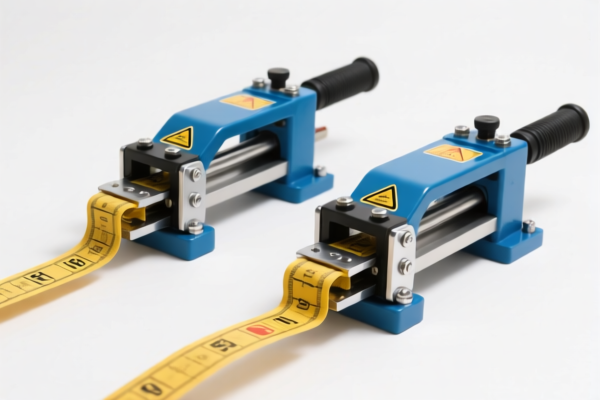
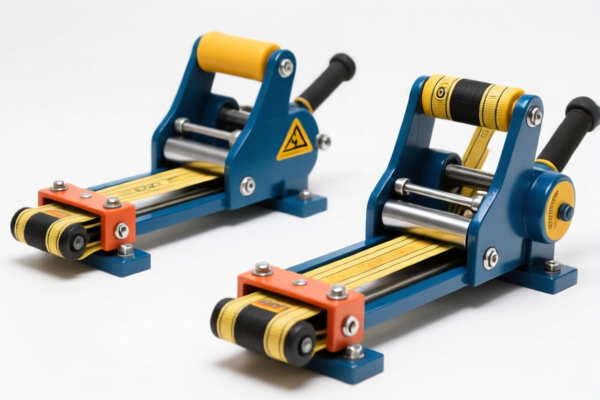
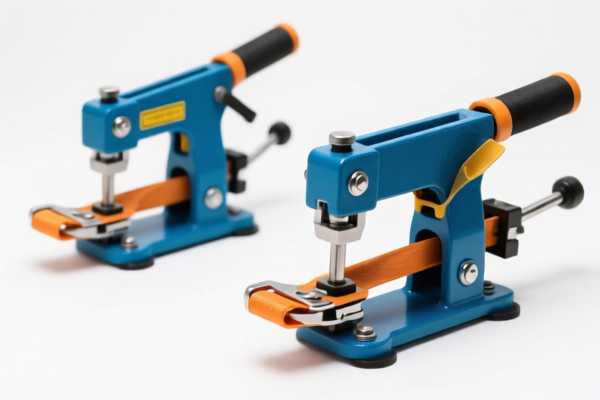
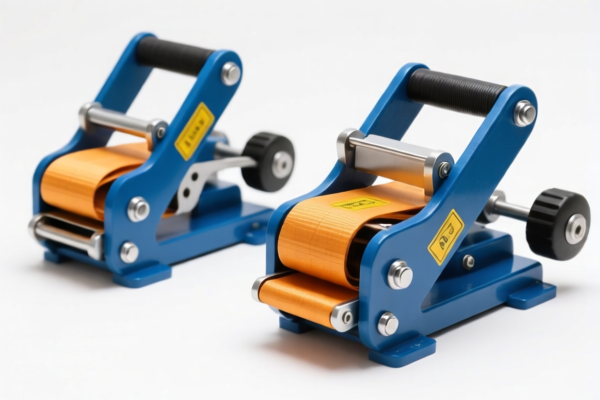
AI Analysis
🎗️ Strapping Band (Packaging & Accessories)
🌐 HS Code Reference & Customs Clearance Guide | 2026 Latest Tariff Analysis | Professional Entry Strategies
📌 Part I: Product Definition & Classification: Do You Really Understand "Strapping Band"?
Strapping bands (or strapping bands) are essential packaging materials used to secure pallets, boxes, and bundles. However, in international trade, their classification depends entirely on material, end-use, and structural context. They are not simply "plastic strips"; they can be classified as garment accessories, watch parts, or general textile accessories depending on their specific application and composition.
⚠️ Key Distinction Points:
- If the band is part of garment closures, decorative trims, or clothing accessories (e.g., waist ties, belt-like straps for uniforms) → Classified under Chapter 62 or 61.
- If the band is functionally similar to a watch strap or bracelet (e.g., wearable straps, loops for timepieces) → Classified under Chapter 91.
- If the band is a generic textile accessory without specific garment or watch function → Classified under 6117.90.
📦 Part II: HS Code Classification Details (2026 Latest Tariff Authority Comparison)
| HS Code | Product Description | Application Scenario | Material Inference |
|---|---|---|---|
6217.10.85.00 |
Other made-up clothing accessories; Garment attachments | Uniform trims, decorative fabric strips, non-wearable clothing parts | Textile or Synthetic Fiber |
6217.10.95.50 |
Other made-up clothing accessories; Garment attachments | General synthetic fabric straps, non-specific textile bands | Fabric or Synthetic Material |
9113.90.80.00 |
Parts of watches or watch straps; Wearable loops | Watch straps, flexible bands for timepieces, non-metallic wearable loops | Non-metallic or General Material |
9113.90.40.00 |
Parts of watches or watch straps; Fabric bands | Textile watch straps, fabric-based loops for watches | Textile Material |
6117.90.90.90 |
Other made-up clothing accessories; Fashion accessories | Fashion straps, artificial fiber bands, non-natural fiber attachments | Artificial or Non-Natural Fiber |
🔍 Key Reminder:
- Garment Context: If the strap is sewn into or used with clothing (e.g., a tie, a belt-like closure), it falls under Chapter 62 or 61.
- Watch/Accessory Context: If the strap is designed to hold a watch or function as a wearable band, it falls under Chapter 91 (Parts of Watches) or 6117 (Other Clothing Accessories).
- Material is Critical: The tax rate varies significantly based on whether the material is classified as "textile," "synthetic," or "non-metallic."
💰 Part III: 2026 Latest Tariff Rate Details (Including Surtaxes & Policy Add-ons)
✅ Applicable Country: United States (US)
✅ Country of Origin: China (CN)
✅ Effective Date: From November 10, 2025 onwards (including subsequent imports)
🎯 1. 6217.10.85.00 —— Garment Accessories (Textile/Synthetic)
| Item | Content |
|---|---|
| Base Tariff | 14.6% |
| Section 301 Surtax | 0.0% |
| Section 122 Surcharge | 10% |
| Total Tariff | 24.6% |
| Tax Calculation | CIF Value × 24.6% |
| De Minimis Eligibility | ❌ No (Subject to high tariff thresholds) |
| Legal Basis Path | Section 122:10% → USITC:6217.10.85.00 |
📌 Explanation:
- This code applies to specific textile-based garment accessories.
- No Section 301 tariff applies, making it relatively more favorable than other synthetic options.
- The 10% Section 122 surcharge is a new policy add-on for certain textile/garment-related imports from China.
🎯 2. 6217.10.95.50 —— Garment Accessories (General Synthetic)
| Item | Content |
|---|---|
| Base Tariff | 14.6% |
| Section 301 Surtax | 7.5% |
| Section 122 Surcharge | 10% |
| Total Tariff | 32.1% |
| Tax Calculation | CIF Value × 32.1% |
| De Minimis Eligibility | ❌ No |
| Legal Basis Path | Section 301:7.5% → Section 122:10% → USITC:6217.10.95.50 |
📌 Note:
- This code covers broader synthetic fabric straps not specifically designated as "textile" under the previous code.
- Higher tariff burden due to the 7.5% Section 301 surcharge.
- Suitable for general-purpose synthetic strapping bands used in non-specific garment contexts.
🎯 3. 9113.90.80.00 —— Watch Parts/Straps (Non-Metallic)
| Item | Content |
|---|---|
| Base Tariff | 1.8% |
| Section 301 Surtax | 7.5% |
| Section 122 Surcharge | 10% |
| Total Tariff | 19.3% |
| Tax Calculation | CIF Value × 19.3% |
| De Minimis Eligibility | ❌ No |
| Legal Basis Path | Section 301:7.5% → Section 122:10% → USITC:9113.90.80.00 |
📌 Explanation:
- If the strapping band is marketed or used as a watch strap or wearable loop, it is classified under Chapter 91.
- Low base tariff (1.8%) makes this attractive, but the 17.5% total surcharges still apply.
- Material inference: Non-metallic or general material, not specifically textile.
🎯 4. 9113.90.40.00 —— Watch Parts/Straps (Textile)
| Item | Content |
|---|---|
| Base Tariff | 7.2% |
| Section 301 Surtax | 0.0% |
| Section 122 Surcharge | 10% |
| Total Tariff | 17.2% |
| Tax Calculation | CIF Value × 17.2% |
| De Minimis Eligibility | ❌ No |
| Legal Basis Path | Section 122:10% → USITC:9113.90.40.00 |
📌 Note:
- This is the lowest total tariff rate (17.2%) among all options.
- Applies to textile-based watch straps or fabric loops.
- No Section 301 surcharge applies, reducing cost significantly.
- Strategic Recommendation: If the product can be reasonably classified as a textile watch strap, this is the most cost-effective option.
🎯 5. 6117.90.90.90 —— Other Clothing Accessories (Artificial Fiber)
| Item | Content |
|---|---|
| Base Tariff | 14.6% |
| Section 301 Surtax | 7.5% |
| Section 122 Surcharge | 10% |
| Total Tariff | 32.1% |
| Tax Calculation | CIF Value × 32.1% |
| De Minimis Eligibility | ❌ No |
| Legal Basis Path | Section 301:7.5% → Section 122:10% → USITC:6117.90.90.90 |
📌 Explanation:
- Covers artificial fiber bands or non-natural fiber accessories.
- Same high tariff rate as6217.10.95.50due to Section 301 and 122 surcharges.
- Suitable for fashion accessories, belts, or decorative straps made from synthetic/artificial fibers.
🛠️ Part IV: Customs Clearance Practical Advice (Battle-Tested Pitfall Avoidance)
✅ 1. Required Documentation Checklist (Non-Negotiable)
| Document | Required | Description |
|---|---|---|
| ✅ Product Specification Sheet | ✔️ | Include material composition (e.g., 100% Polyester, Nylon, Rubber), width, length, thickness. |
| ✅ Product Photos (Labeled) | ✔️ | Show how the band is used (e.g., attached to a watch, part of a garment, or as a standalone packaging strap). |
| ✅ Commercial Invoice | ✔️ | Clearly state "Strapping Band" or "Watch Strap" as appropriate. Avoid vague terms like "Accessory." |
| ✅ Packing List | ✔️ | Detail dimensions and weight per unit. |
| ✅ Material Test Report | ✔️ | Verify fiber content (e.g., textile vs. synthetic vs. rubber) to support HS Code classification. |
| ✅ Declaration of End-Use | ✔️ | Explain if it’s for watches, garments, or packaging. |
✅ 2. Declaration Tips (Key Mantra)
🔥 “Function Dictates Code, Material Dictates Rate, Name Must Match!”
| Scenario | Correct Declaration | Wrong Action |
|---|---|---|
| Watch Strap (Textile) | 9113.90.40.00 |
Misclassified as Garment Accessory → Higher Tax |
| Watch Strap (Non-Metallic) | 9113.90.80.00 |
Misclassified as Packaging Material → Risk of Audit |
| Garment Trim (Textile) | 6217.10.85.00 |
Misclassified as General Accessory → 32.1% Tax |
| Garment Trim (Synthetic) | 6217.10.95.50 |
Misclassified as Watch Part → Classification Error |
| Fashion Strap (Artificial Fiber) | 6117.90.90.90 |
Misclassified as Textile → No Benefit |
✅ 3. Special Circumstances Handling
| Situation | Handling Advice |
|---|---|
| OEM Custom Straps | Provide customer design specs + material certificates to support "Garment Accessory" classification. |
| Mixed Materials | If a strap has both textile and rubber components, declare based on chief material or essential character. |
| Packaging vs. Fashion | If used for packaging, it may fall under Chapter 39 or 48. If for fashion/watches, use Chapter 61/62/91. Do not mix purposes. |
| Low-Value Shipments | Even if under $800, high tariffs (24.6%-32.1%) may apply. De Minimis does not exempt surcharges. |
🌍 Part V: Global Market Comparison (2026 Latest)
| Country/Region | Recommended HS Code | Tariff (China Origin) | Certification Required | Notes |
|---|---|---|---|---|
| 🇺🇸 USA | 9113.90.40.00 |
17.2% (Lowest) | No specific | Best for textile watch straps |
| 🇺🇸 USA | 6217.10.85.00 |
24.6% | No specific | Best for garment textiles |
| 🇨🇳 China | Varies | 5%-10% | CCC (if applicable) | Lower base tariffs, no surcharges |
| 🇪🇺 EU | Varies | 0%-6.5% | CE/RoHS (if applicable) | No Section 301/122 surcharges |
| 🇬🇧 UK | Varies | 0%-6.5% | UKCA | Post-Brexit alignment with EU |
📌 Conclusion:
- USA imposes high surcharges on Chinese-origin textile and watch accessories.
- Classification as a "Textile Watch Strap" (9113.90.40.00) offers the lowest rate (17.2%).
- Garment accessories face higher rates (24.6%-32.1%) due to Section 122 and 301.
- EU/UK have no such surcharges, making them more favorable for these goods.
📌 Part VI: Common Mistakes & Pitfall Guide (Lessons Learned)
❌ Mistake 1: Calling all straps "Garment Accessories" regardless of function
👉 Consequence: If it’s a watch strap, misclassification leads to audit or penalty.
❌ Mistake 2: Ignoring material composition in declarations
👉 Consequence: Customs may reclassify based on their own material analysis, leading to higher tariffs.
❌ Mistake 3: Assuming "De Minimis" applies to all shipments
👉 Consequence: Section 122 and 301 surcharges apply even to low-value shipments. No exemption!
❌ Mistake 4: Using vague terms like "Band" or "Strip" in invoices
👉 Consequence: Customs may default to the highest applicable tariff code. Be specific!
✅ Correct Approach:
"Textile Watch Strap, 20mm wide, Elastic Polyester, Model XYZ, For Smartwatches"
OR
"Garment Accessory, Fabric Waist Tie, 100% Cotton, For Uniforms"
🎯 Part VII: Conclusion: Precision Classification Saves Money!
🎯 Remember the Mantra:
🔹 "Watch Strap = 17.2% (Best), Garment Textile = 24.6%, Synthetic Garment = 32.1%"
🔹 "Section 122 Adds 10%, Section 301 Adds 7.5%, Don’t Get Caught in the Middle!"
📌 Pro Tip:
If your strapping bands are not from China (e.g., Vietnam, Thailand, Malaysia), you may avoid Section 301 and 122 surcharges.
Recommendation: Apply for an Advance Ruling before shipping to confirm the correct HS Code and tariff rate.
📣 Immediate Action:
📞 Contact a professional customs broker + Provide product photos + Apply for HS Code Advance Ruling
🚀 Ensure your strapping bands clear customs smoothly, minimize costs, and maximize profit!
✨ Professional Customs Clearance Starts with Accurate Classification!
💼 Every cent of cost deserves precise calculation!
Customer Reviews
About HS Code Classification
The Harmonized System (HS) is an internationally standardized nomenclature developed by the World Customs Organization (WCO) to classify traded products. Over 200 countries use the HS system as the basis for customs tariffs, trade statistics, and import/export regulations.
Each HS code follows a hierarchical structure:
- Chapter (2 digits) — Broad category of goods (e.g., Chapter 84: Machinery and Mechanical Appliances)
- Heading (4 digits) — More specific grouping within the chapter
- Subheading (6 digits) — Internationally standardized breakdown, used by all WCO member countries
- National subdivisions (8-10 digits) — Country-specific extensions for further classification, such as US HTSUS 10-digit codes
Correct HS code classification is essential for smooth customs clearance, accurate duty payment, and compliance with trade regulations. Misclassification can lead to customs delays, overpayment of duties, or penalties.
When importing from CN to US, the applicable tariff rates may include:
- Most-Favored-Nation (MFN) rate — The standard duty rate applied to WTO members
- General rate — Applied to countries without trade agreements
- Trade remedy duties — Additional tariffs such as Section 301 (anti-dumping), Section 232 (national security), or countervailing duties
The information provided on this page is for reference purposes only. For official classification, please consult with your local customs authority or a licensed customs broker.