Straw Bales
CN → US| HS Code | Tariff Rate | Origin | Destination | Doc |
|---|---|---|---|---|
| 2308009890 | 36.4% | CN | US | Official Doc |
| 2308009300 | 17.5% | CN | US | Official Doc |
| 4401394290 | 35.0% | CN | US | Official Doc |
| 4401490090 | 35.0% | CN | US | Official Doc |
| 1213000000 | 35.0% | CN | US | Official Doc |
Product Images
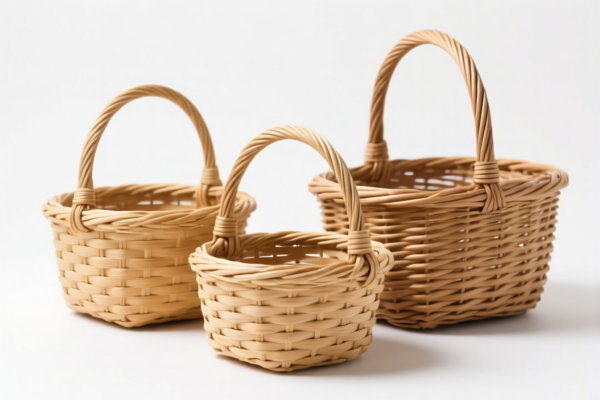
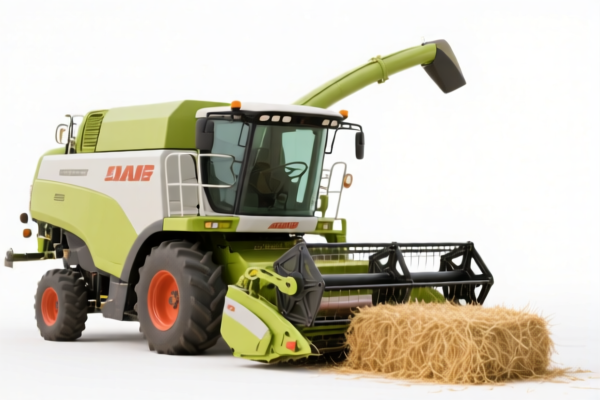
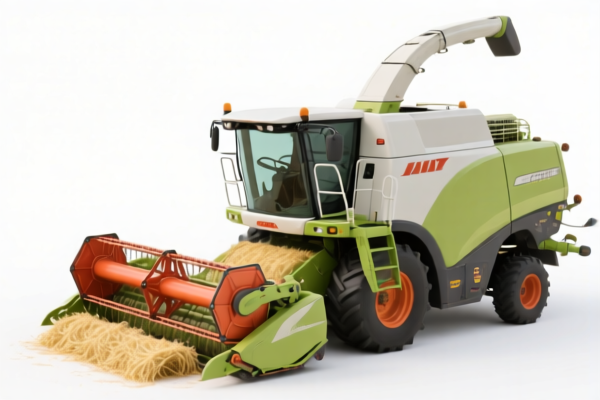
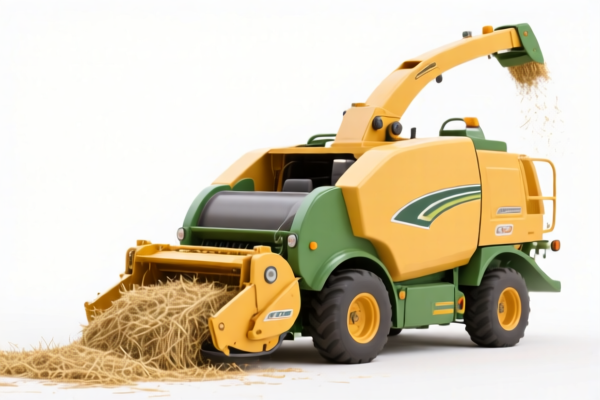
AI Analysis
🌾 Straw Bales (Cereal Straw & Husks)
🌐 HS Code Reference & Clearance Guide | 2026 Tariff Breakdown | Professional Entry Strategy
📌 I. Product Definition & Classification: What Are "Straw Bales"?
Straw Bales refer to compressed or loose bundles of the dry stalks of cereal crops (such as wheat, barley, oats, and rye) after the grain has been harvested. They are primarily categorized by their preparation level and intended use.
In international trade, the classification hinges on whether the straw is unprepared (raw, chopped, ground, or pressed) or processed into a specific form (like fuel or animal feed).
⚠️ Critical Distinction:
- If the straw is unprepared (even if chopped, ground, or pressed into bales) and used for general purposes (bedding, mulch, fuel, or generic animal feed), it falls under Chapter 12.
- If the straw is specifically processed as animal feed and fits the specific descriptions of "vegetable waste/residues" in Chapter 23, it may fall under Chapter 23.
- Fuel Wood/Waste (e.g., wood chips) are different from cereal straw. Cereal straw is not wood; it is agricultural residue.
📦 II. HS Code Classification Details (2026 Latest Tariff Schedule)
Based on the provided data, here is the authoritative classification for Straw Bales and related vegetable residues:
| HS Code | Product Description | Applicable Scenario | Tax Rate (Total) |
|---|---|---|---|
1213.00.00.00 |
Cereal straw and husks, unprepared, whether or not chopped, ground, pressed or in the form of pellets | Most Common: Straw bales used for bedding, thatching, mulch, or unprocessed animal feed. | 25.0% |
2308.00.98.90 |
Vegetable materials/waste, residues/byproducts, used in animal feeding, not elsewhere specified (Other) | If the straw is heavily processed/specialized as "Animal Feed" and doesn't fit the flaxseed category. | 26.4% |
2308.00.93.00 |
Screenings, scalpings, chaff, or scourings of flaxseed (linseed) (ground or not) | Specific Case: If the "straw" is actually flaxseed byproduct/chaff, not cereal straw. | 7.5% |
4401.39.42.90 |
Fuel wood/sawdust/waste, agglomerated in pellets/briquettes (Other) | ❌ Not Applicable: Straw is NOT wood. Do not use if the material is cereal straw. | 25.0% |
4401.49.00.90 |
Fuel wood/sawdust/waste, not agglomerated (Other) | ❌ Not Applicable: Straw is NOT wood. Do not use if the material is cereal straw. | 25.0% |
🔍 Key Insight:
-1213.00.00.00is the primary code for Straw Bales. It explicitly covers "Cereal straw and husks... in the form of pellets" or pressed bales.
- Do NOT confuse Straw (Chapter 12) with Wood Chips (Chapter 44). Even if they look similar in bales, the botanical origin (Cereal vs. Tree) changes the classification entirely.
-2308codes are strictly for "Animal Feeding." If the straw is for bedding or fuel,1213is safer. If it is for high-grade animal feed,2308.00.98.90might apply.
💰 III. 2026 Tariff Rate Analysis (Detailed Breakdown)
✅ Target Market: United States (US)
✅ Origin: China (CN)
✅ Effective Date: 2025–2026 Import Season
🎯 1. 1213.00.00.00 – Cereal Straw and Husks (Unprepared/Baled)
This is the standard classification for agricultural straw bales.
| Item | Details |
|---|---|
| Base Duty (MFN) | 0.0% (ad valorem) |
| Section 301 / "Add-On" Duty | +25.0% (China-specific retaliation tariff) |
| Total Effective Rate | 25.0% |
| De Minimis Threshold | ❌ No (Subject to full duty on all values) |
| Legal Basis | USITC:1213.00.00.00 + Section 301 Footnotes |
| Tax Detail | "Base Tariff: 0.0%, Additional Tariff: 25.0%" |
📌 Explanation:
- The 0% base rate reflects the "free entry" status of raw agricultural materials for many countries.
- However, the +25% Section 301 tariff is heavily applied to Chinese agricultural residues.
- Result: You pay 25% of the CIF value immediately upon import.
🎯 2. 2308.00.98.90 – Vegetable Residues for Animal Feed (Other)
Used if the straw is processed specifically for high-value animal feed and doesn't fit other sub-categories.
| Item | Details |
|---|---|
| Base Duty | 1.4% |
| Section 301 / "Add-On" Duty | +25.0% |
| Total Effective Rate | 26.4% |
| De Minimis Threshold | ❌ No |
| Tax Detail | "Base Tariff: 1.4%, Additional Tariff: 25.0%" |
📌 Warning:
- Even though the base duty is low (1.4%), the addition of the 25% surcharge brings it to 26.4%.
- This is higher than standard straw (1213), so ensure you don't over-classify into2308unless the product is truly specialized feed.
🎯 3. 2308.00.93.00 – Flaxseed Byproducts (Chaff/Screenings)
Only applicable if the "Straw" is actually Flax/Linseed residue.
| Item | Details |
|---|---|
| Base Duty | 0.0% |
| Section 301 / "Add-On" Duty | +7.5% |
| Total Effective Rate | 7.5% |
| De Minimis Threshold | ❌ No |
| Tax Detail | "Base Tariff: 0.0%, Additional Tariff: 7.5%" |
📌 Special Case:
- If your product is Linseed (Flax) chaff, the tariff is much lower (7.5%).
- Crucial Step: Verify the botanical origin. If it is Wheat/Barley/Rye straw → 25%. If it is Flax chaff → 7.5%.
🛠️ IV. Customs Clearance Practical Advice (Pitfall Avoidance)
✅ 1. Documentation Checklist (Mandatory)
| Document | Requirement | Why It Matters |
|---|---|---|
| ✅ Commercial Invoice | Must state "Cereal Straw Bales" or "Flax Chaff" clearly | Avoids "Unknown Vegetable Waste" classification (risk of audit) |
| ✅ Packing List | Must specify weight per bale and total count | Customs verifies volume/weight against 1213 limits |
| ✅ Species Certificate | Wheat/Barley/Rye/Flax? | Critical: Misidentifying Wheat Straw as Flax Chaff can lead to fraud charges or wrong tax payment. |
| ✅ Treatment Certificate | Heat treatment or Fumigation (if applicable) | Required for agricultural imports to prevent pest introduction (APHIS) |
| ✅ Photos of Bales | Clear images showing texture and lack of wood fibers | Proves it is "Cereal Straw" and NOT "Wood Waste" (4401 code) |
✅ 2. Classification Strategy (The "Golden Rules")
🔥 Rule of Thumb:
"Straw is Chapter 12, Wood is Chapter 44, Feed is Chapter 23."
| Scenario | Correct HS Code | Wrong HS Code (Danger!) | Tax Difference |
|---|---|---|---|
| Wheat/Barley/Rye Straw Bales (Bedding/Fuel) | 1213.00.00.00 |
4401.39.42.90 (Wood) |
Avoid $0 vs $25% confusion |
| Specialized Animal Feed (Pelleted Straw) | 2308.00.98.90 |
1213.00.00.00 |
+1.4% base (Check if justified) |
| Flaxseed Chaff/Screenings | 2308.00.93.00 |
1213.00.00.00 |
Save 17.5% (7.5% vs 25%) |
| Wood Chips/Pellets (Mistaken for Straw) | 4401.xxxxx |
1213.00.00.00 |
Same 25%, but wrong description leads to detention |
✅ 3. Special Handling & Risk Management
| Situation | Recommendation |
|---|---|
| Mixing Straw & Wood Chips | Do not mix. If a bale contains wood fibers, it may be reclassified as wood waste (4401), leading to potential rejection or higher scrutiny. |
| "Animal Feed" Claim | If declaring as 2308 (Animal Feed), provide a Statement of End Use. If the straw is for bedding, declare as 1213 to avoid "mislabeling feed." |
| Flax vs. Cereal | If your supplier says "Linseed Straw," get a lab test. If it's actually wheat straw, you will pay 25% instead of 7.5%. |
| Pellets | Even if compressed into pellets, Cereal Straw stays under 1213.00.00.00. Do not use 4401 (Wood Pellets) codes. |
🌍 V. Global Market Comparison (2026 Context)
| Region | Recommended HS Code | Tariff Rate (China Origin) | Key Risk |
|---|---|---|---|
| 🇺🇸 USA | 1213.00.00.00 |
25.0% (Base 0% + 25% Add-on) | Strict Section 301 enforcement |
| 🇪🇺 EU | 1213.00.00.00 |
Varies (0-6%) | High phytosanitary (pest) controls |
| 🇨🇳 China (Export) | N/A | 0% | N/A |
| 🇦🇺 Australia | 1213.00.00.00 |
0% (with Biosecurity permit) | Quarantine is the #1 barrier |
📌 Conclusion:
- USA has the highest tariff burden (25%) due to trade policies.
- Biosecurity (pests, seeds, mold) is the real danger for Straw Bales globally, often causing delays even if taxes are paid.
- Flax Chaff (2308.00.93.00) is a niche opportunity with a much lower tax rate (7.5%) if applicable.
📌 VI. Common Mistakes & "Blood & Tears" Lessons
❌ Mistake 1: Declaring Wheat Straw as Wood Chips (4401)
👉 Consequence: Same 25% tax, but Phytosanitary Inspection fails because wood and straw require different permits. Result: Detention & Destruction.
❌ Mistake 2: Declaring Cereal Straw as Flaxseed Chaff (2308.00.93.00) to save taxes
👉 Consequence: 25% vs 7.5%. If caught, you face Back-taxes + Penalties + Fraud Investigation.
👉 Fix: Only use 2308.00.93.00 if the product is 100% Flaxseed residue.
❌ Mistake 3: "Blanket" Declaration saying "Vegetable Material"
👉 Consequence: Customs assigns the highest duty possible (26.4%) or holds the cargo for inspection.
👉 Fix: Be specific: "Wheat Straw Bales, Unprepared."
✅ Correct Declaration Example:
"Cereal Straw Bales, Wheat, Unprepared, Chopped, for Animal Bedding, HS Code: 1213.00.00.00"
🎯 VII. Final Verdict: Strategy for 2026
🎯 Remember:
🔹 "Straw is 1213, Wood is 4401. Don't mix them!"
🔹 "Flax is 7.5%, Wheat is 25%. Know your crop!"
🔹 "Feed is 2308, Bedding is 1213. Don't lie about end-use!"
📌 Pro Tip:
If you are importing Flaxseed Chaff, double-check the Botanical Name. If it is Linum usitatissimum, you can enjoy the 7.5% rate. If it is Triticum aestivum (Wheat), prepare for 25%.
📣 Call to Action:
📞 Verify your crop species before shipping!
📄 Prepare your Species Certificate and Photos.
🚀 Get the right HS Code (1213or2308) to avoid 25% surprises!
✨ Smart Classification = Lower Costs & Faster Clearance!
💼 Don't let a "Straw Bale" cost you 25% of your profit!
Customer Reviews
About HS Code Classification
The Harmonized System (HS) is an internationally standardized nomenclature developed by the World Customs Organization (WCO) to classify traded products. Over 200 countries use the HS system as the basis for customs tariffs, trade statistics, and import/export regulations.
Each HS code follows a hierarchical structure:
- Chapter (2 digits) — Broad category of goods (e.g., Chapter 84: Machinery and Mechanical Appliances)
- Heading (4 digits) — More specific grouping within the chapter
- Subheading (6 digits) — Internationally standardized breakdown, used by all WCO member countries
- National subdivisions (8-10 digits) — Country-specific extensions for further classification, such as US HTSUS 10-digit codes
Correct HS code classification is essential for smooth customs clearance, accurate duty payment, and compliance with trade regulations. Misclassification can lead to customs delays, overpayment of duties, or penalties.
When importing from CN to US, the applicable tariff rates may include:
- Most-Favored-Nation (MFN) rate — The standard duty rate applied to WTO members
- General rate — Applied to countries without trade agreements
- Trade remedy duties — Additional tariffs such as Section 301 (anti-dumping), Section 232 (national security), or countervailing duties
The information provided on this page is for reference purposes only. For official classification, please consult with your local customs authority or a licensed customs broker.