Straw Cosmetic Storage Basket
CN → US| HS Code | Tariff Rate | Origin | Destination | Doc |
|---|---|---|---|---|
| 4602191800 | 39.5% | CN | US | Official Doc |
| 4602191700 | 35.0% | CN | US | Official Doc |
| 9403893010 | 35.0% | CN | US | Official Doc |
Product Images
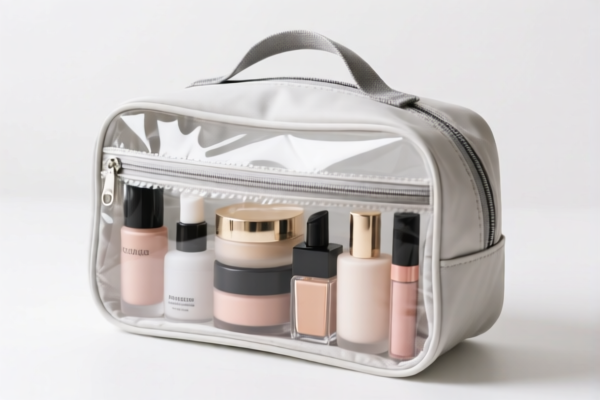
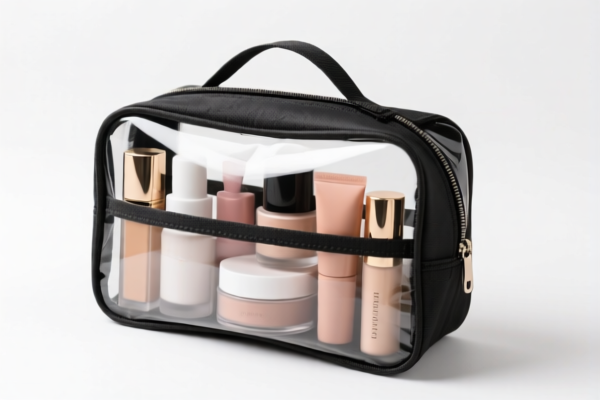
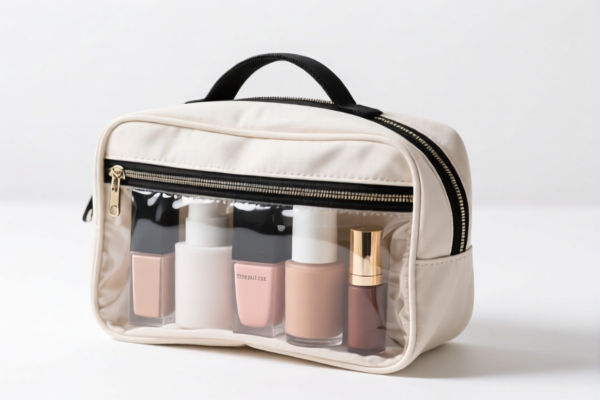
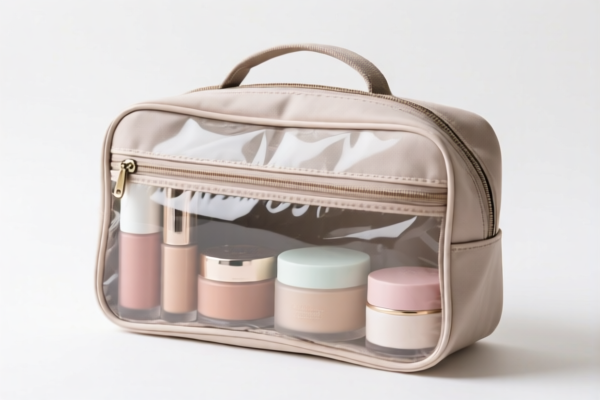
AI Analysis
🌿 Straw Cosmetic Storage Basket | 草编化妆品收纳篮
🌐 HS Code Reference & Customs Clearance Guide | 2026 Latest Tariff Analysis | Professional Clearance Strategy
📌 Part 1: Product Definition & Classification: Do You Really Understand "Straw Baskets"?
The Straw Cosmetic Storage Basket is a versatile home organization item, primarily used for storing cosmetics, toiletries, and daily necessities. In international trade, its classification hinges on three key factors: 1. Material: Plant-based materials (straw, rattan, bamboo, etc.). 2. Form: Woven into a basket shape. 3. Usage: Storage/Organization.
⚠️ Key Distinction:
- If the item is strictly a "basket" made of plaited materials, it falls under Chapter 46 (Articles of Plaiting Materials).
- If it is classified as "furniture" or "other household articles" made of similar materials, it may fall under Chapter 94 (Furniture).
- The specific HS Code determines whether you face a 4.5% base tariff or 0% base tariff, plus mandatory US surcharges.
📦 Part 2: HS Code Classification Details (2026 Latest Tariff Authority)
| HS Code | Product Description | Applicable Scenario | Material Type | Base Tariff | Surcharge | Total Tax |
|---|---|---|---|---|---|---|
4602.19.18.00 |
Straw cosmetic storage basket, plant material, used as a basket | Plant-based woven basket, specific to straw/plaited goods | Plant Material | 4.5% | 25% (Sec 301) + 10% (Sec 122) | 39.5% |
4602.19.17.00 |
Straw cosmetic storage basket, plant material, form/use matches basket articles | General woven basket, plant material | Plant Material | 0.0% | 25% (Sec 301) + 10% (Sec 122) | 35.0% |
9403.89.30.10 |
Straw cosmetic storage basket, similar material, home storage use | Home storage furniture/organizer, "similar material" | Similar Material | 0.0% | 25% (Sec 301) + 10% (Sec 122) | 35.0% |
🔍 Key Takeaway:
- Chapter 46 (4602.xx) is for articles of plaiting materials. If your product is clearly a "basket" made of straw, this is the primary category.
- Chapter 94 (9403.xx) is for furniture. If the basket is rigid, part of a furniture set, or considered a "household article" rather than a simple woven basket, it may be classified here.
- Tax Difference:4602.19.18.00has a 4.5% base tariff, while the others have 0%. However, all are subject to the same US surcharges (25% + 10%), leading to different total rates (39.5% vs. 35.0%).
💰 Part 3: 2026 Latest Tariff Rate Breakdown (Including Surcharges)
✅ Applicable Country: USA (US)
✅ Origin: China (CN)
✅ Effective Time: 2025/2026 (Current Tariff Structure)
🎯 1. 4602.19.18.00 —— Straw Cosmetic Storage Basket (Plant Material)
| Item | Content |
|---|---|
| Base Tariff | 4.5% (ad valorem) |
| Section 301 Surcharge | +25% (USITC Footnote 9903.88.01) |
| Section 122 Surcharge | +10% (IEEPA, China-specific) |
| Total Tax Rate | 39.5% |
| Tax Calculation | CIF Value × 39.5% |
| De Minimis Eligibility | ❌ No (Deny de minimis for China-origin goods under 301/122) |
| Legal Basis | USITC:4602.19.18.00 → FOOTNOTE:9903.88.01 → IEEPA:9903.01.24 |
📌 Explanation:
- The 4.5% base tariff applies because it is classified as a specific article of plaiting material.
- The 25% Section 301 tariff is applied to all Chapter 46 goods from China.
- The 10% Section 122 tariff is a separate surcharge on Chinese imports.
- Total: 39.5%. This is a high-cost category.
🎯 2. 4602.19.17.00 —— Straw Cosmetic Storage Basket (General Basket)
| Item | Content |
|---|---|
| Base Tariff | 0.0% |
| Section 301 Surcharge | +25% |
| Section 122 Surcharge | +10% |
| Total Tax Rate | 35.0% |
| Tax Calculation | CIF Value × 35.0% |
| De Minimis Eligibility | ❌ No |
| Legal Basis | USITC:4602.19.17.00 → FOOTNOTE:9903.88.01 → IEEPA:9903.01.24 |
📌 Note:
- The base tariff is 0%, but the surcharges remain the same.
- This results in a 4.5% lower total tax compared to4602.19.18.00.
- This classification assumes the product fits the general definition of "basket articles" under Chapter 46.
🎯 3. 9403.89.30.10 —— Straw Cosmetic Storage Basket (Home Storage)
| Item | Content |
|---|---|
| Base Tariff | 0.0% |
| Section 301 Surcharge | +25% |
| Section 122 Surcharge | +10% |
| Total Tax Rate | 35.0% |
| Tax Calculation | CIF Value × 35.0% |
| De Minimis Eligibility | ❌ No |
| Legal Basis | USITC:9403.89.30.10 → FOOTNOTE:9903.88.01 → IEEPA:9903.01.24 |
📌 Note:
- Classified under Furniture/Household Articles (Chapter 94).
- If the basket is considered a "storage furniture" item rather than a simple woven basket, this code applies.
- Total tax is 35.0%, same as4602.19.17.00.
🛠️ Part 4: Customs Clearance Practical Advice (Risk Avoidance)
✅ 1. Preparation Checklist (Essential Documents)
| Document | Required | Notes |
|---|---|---|
| ✅ Product Specifications | ✔️ | Material (straw type), dimensions, capacity |
| ✅ Product Photos | ✔️ | Clear images showing woven structure, handles, base |
| ✅ Commercial Invoice | ✔️ | Clearly state "Straw Cosmetic Storage Basket" |
| ✅ Packing List | ✔️ | Weight, volume, number of units |
| ✅ HS Code Pre-Ruling | ✔️ | Strongly Recommended to confirm 4602 vs. 9403 |
| ✅ Origin Certificate | ✔️ | If applicable, for potential future exemptions |
✅ 2. Declaration Strategy (Key Tips)
🔥 "Material Matters, Form Defines, Usage Confirms!"
| Scenario | Correct Declaration | Error Avoidance |
|---|---|---|
| Plain woven basket, no rigid frame | 4602.19.17.00 or 4602.19.18.00 |
Do NOT declare as "Furniture" |
| Basket with rigid wood/metal frame | 9403.89.30.10 |
Do NOT declare as simple "Plaited Article" |
| High-value luxury straw basket | 9403.89.30.10 |
May be viewed as decorative furniture |
| Basic storage basket | 4602.19.17.00 |
Avoid 4602.19.18.00 if base rate is 4.5% |
📌 Critical Warning:
- Misclassification Risk: If you declare a woven basket as "Furniture" (9403) when it should be "Plaited Articles" (4602), customs may reassess.
- Tax Impact:4602.19.18.00costs 4.5% more than the other two codes. Ensure your product fits the specific sub-heading18(if any special description applies) or opt for17or9403to save on the base tariff.
✅ 3. Special Considerations
| Issue | Handling Advice |
|---|---|
| Plant Material Verification | Provide proof of material (e.g., straw, rattan, bamboo) to justify Chapter 46. |
| Composite Materials | If the basket has plastic lining or metal handles, ensure the "essential character" remains plant-based. |
| Pre-Ruling Application | Apply for an HS Code Pre-Ruling from US CBP to lock in the correct code and avoid disputes. |
| De Minimis Exclusion | Remember: Section 301 and 122 tariffs apply even to low-value shipments (under $800) if they are from China. Do not rely on de minimis. |
🌍 Part 5: Global Market Comparison (2026)
| Country/Region | Recommended HS Code | Tariff | Certification | Notes |
|---|---|---|---|---|
| 🇺🇸 USA | 4602.19.17.00 / 9403.89.30.10 |
35.0% | No special cert. | High tariff due to 301/122 |
| 🇪🇺 EU | 4602.11.00 / 9403.89 |
0-6.5% | No special cert. | Lower tariff, no surcharges |
| 🇨🇳 China | 4602.19.17.00 |
0-10% | No special cert. | Export duty may apply |
| 🇬🇧 UK | 4602.11.00 |
0-6.5% | No special cert. | Post-Brexit tariffs apply |
📌 Conclusion:
- USA is the most challenging market for straw baskets due to high surcharges.
- Total Tax in USA: 35%–39.5%. This must be factored into pricing.
- Consider re-routing through non-China countries (e.g., Vietnam, Thailand) if possible to avoid Section 301/122 tariffs (subject to substantial transformation rules).
📌 Part 6: Common Errors & Pitfalls
❌ Error 1: Declaring as "Home Decor" without specifying material
👉 Consequence: Customs may classify as generic furniture (9403) or plaited articles (4602), leading to duty reassessment.
❌ Error 2: Ignoring Section 122 Tariff
👉 Consequence: Assuming only 301 tariffs apply. Both 301 (25%) and 122 (10%) apply, totaling 35%+ base.
❌ Error 3: Overlooking Base Tariff Difference
👉 Consequence: Using 4602.19.18.00 (4.5% base) when 4602.19.17.00 (0% base) is applicable, paying 4.5% extra unnecessarily.
✅ Best Practice:
"Straw Cosmetic Storage Basket, Made of Plant Material, Woven, For Home Use, No Rigid Frame"
🎯 Part 7: Conclusion: Smart Classification Saves Money!
🎯 Remember:
🔹 "Chapter 46 for Baskets, Chapter 94 for Furniture"
🔹 "Zero Base Tariff is King, but Surcharges are the Enemy"
🔹 "Total Tax in USA: 35%–39.5% – Plan Accordingly!"
📌 Pro Tip:
- Apply for an HS Code Pre-Ruling from US CBP to confirm the correct code.
- If shipping to the USA, consider supply chain diversification to avoid Section 301/122 tariffs.
- Always declare accurate material composition to avoid penalties.
📣 Take Action Now:
📞 Consult a Customs Broker + Provide Product Images + Apply for Pre-Ruling
🚀 Clear Your Straw Baskets Smoothly, Maximize Profits!
✨ Professional Clearance Starts with Accurate Classification!
💼 Every Percent of Tax Counts!
Customer Reviews
About HS Code Classification
The Harmonized System (HS) is an internationally standardized nomenclature developed by the World Customs Organization (WCO) to classify traded products. Over 200 countries use the HS system as the basis for customs tariffs, trade statistics, and import/export regulations.
Each HS code follows a hierarchical structure:
- Chapter (2 digits) — Broad category of goods (e.g., Chapter 84: Machinery and Mechanical Appliances)
- Heading (4 digits) — More specific grouping within the chapter
- Subheading (6 digits) — Internationally standardized breakdown, used by all WCO member countries
- National subdivisions (8-10 digits) — Country-specific extensions for further classification, such as US HTSUS 10-digit codes
Correct HS code classification is essential for smooth customs clearance, accurate duty payment, and compliance with trade regulations. Misclassification can lead to customs delays, overpayment of duties, or penalties.
When importing from CN to US, the applicable tariff rates may include:
- Most-Favored-Nation (MFN) rate — The standard duty rate applied to WTO members
- General rate — Applied to countries without trade agreements
- Trade remedy duties — Additional tariffs such as Section 301 (anti-dumping), Section 232 (national security), or countervailing duties
The information provided on this page is for reference purposes only. For official classification, please consult with your local customs authority or a licensed customs broker.