Straw Cup
CN → US| HS Code | Tariff Rate | Origin | Destination | Doc |
|---|---|---|---|---|
| 7013372090 | 40.0% | CN | US | Official Doc |
| 6911104500 | 24.0% | CN | US | Official Doc |
| 6911108010 | 38.3% | CN | US | Official Doc |
| 3924102000 | 24.0% | CN | US | Official Doc |
| 3924104000 | 13.4% | CN | US | Official Doc |
| 7013376090 | 22.5% | CN | US | Official Doc |
Product Images
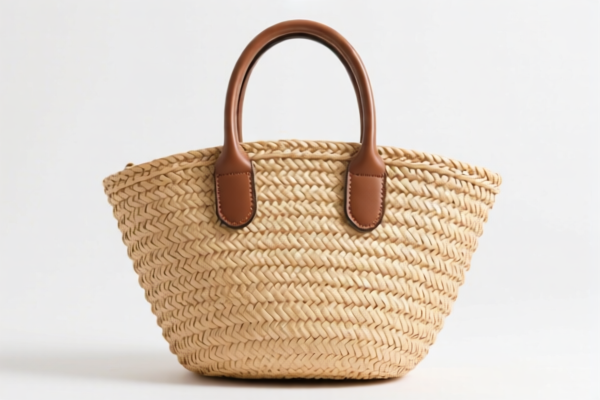
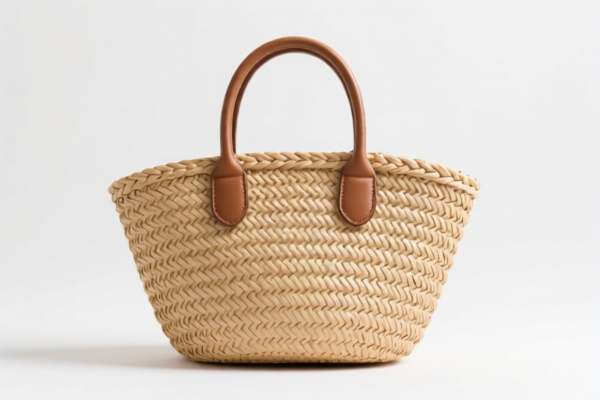
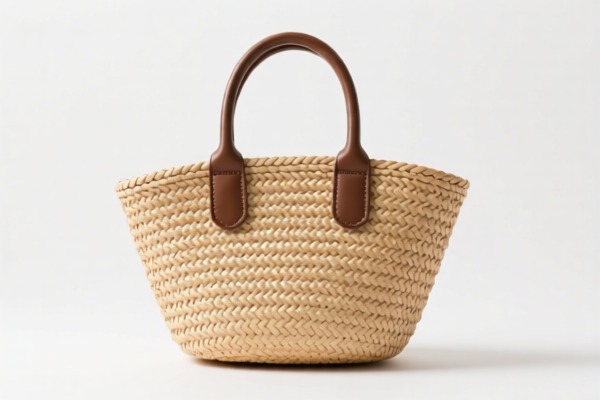
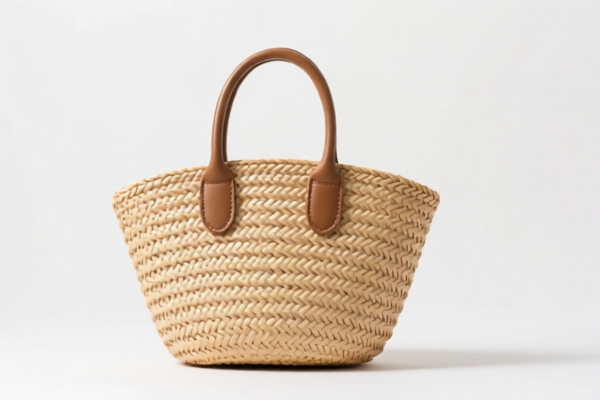
AI Analysis
🥤 Straw Cup (Drinkware with Straw for Table, Kitchen, or Indoor Use)
🌐 HS Code Reference & Customs Clearance Guide | 2026 Updated Tariff Breakdown | Expert-Level Import Strategy
📌 One Product, Multiple Classifications — Understand the Real Risk Behind Each HS Code
The Straw Cup is a common household item used for drinking — especially popular with children and eco-conscious consumers. While seemingly simple, its HS code classification depends heavily on material, form, and intended use. Misclassification can lead to massive tariff overpayment, delays, or even seizure.
⚠️ Critical Insight:
- If the cup is made of plastic, it falls under 3924.10.xxxx (plastic tableware).
- If made of glass, it may be classified under 7013.37.20.90 or 7013.37.60.90 (glassware for drinking).
- If it's ceramic, it belongs in 6911.10.45.00 or 6911.10.80.10 (ceramic tableware).
- No single HS code fits all straw cups — material matters most.
📦 2. HS Code Classification Breakdown (2026 Updated Tariff Authority)
| HS Code | Product Description | Material Assumption | Usage Match | Key Reasoning |
|---|---|---|---|---|
7013.37.20.90 |
Glassware for drinking, not elsewhere specified (e.g., cups, mugs, flasks) | Glass (inferred from name "straw cup") | Table, kitchen, indoor use | Matches drinking container use; "other" category fits if no specific subheading applies |
6911.10.45.00 |
Ceramic mugs and beer glasses | Ceramic/porcelain | Tableware, kitchen, dining | Common material for decorative or premium cups; fits "cup" shape and drinking purpose |
6911.10.80.10 |
Other ceramic tableware and kitchenware | Ceramic or glass | Food/drink contact | Broad category for non-metal, non-plastic drinking vessels |
3924.10.20.00 |
Plastic tableware and kitchenware, including cups, plates, cutlery | Plastic (assumed by default) | Tableware, drinkware | Most common material for modern straw cups; matches "plastic" subheading |
3924.10.40.00 |
Plastic tableware and kitchenware, of plastics | Plastic (assumed) | Tableware, drinkware | Slightly more specific than 3924.10.20.00; often used for reusable or eco-friendly plastic cups |
7013.37.60.90 |
Other glassware for drinking, not elsewhere specified | Glass (inferred) | Drinking, indoor use | "Other" category — applies when no better fit exists; low base rate but still has extra tariffs |
🔍 Why So Many Options?
Because "straw cup" is a functional term, not a material one. The true classification hinges on what it's made of — not the name.
💰 3. 2026 Updated Tariff Breakdown (USA – China Origin, Effective Nov 10, 2025)
✅ Applicable Country: United States (US)
✅ Origin: China (CN)
✅ Effective Date: November 10, 2025 (inclusive)
✅ Tariff Structure: Base + Section 301 + Section 122 (IEEPA) Add-Ons
🎯 1. 7013.37.20.90 — Glass Drinking Vessels (Other)
| Item | Detail |
|---|---|
| Base Duty | 22.5% (ad valorem) |
| Section 301 (USITC) | +7.5% |
| Section 122 (IEEPA) | +10% |
| Total Tariff | 40.0% |
| Tax Calculation | CIF × 40.0% |
| De Minimis Exemption? | ❌ No (denied under 9903.88.01) |
| Legal Path | IEEPA:9903.01.25 → USITC:9903.88.01 → 7013.37.20.90 |
📌 Why So High?
- Glass is considered a "non-plastic" material, so it avoids the lower plastic duty but still triggers all three layers of tariffs. - No de minimis → even small shipments face full tax.
🎯 2. 6911.10.45.00 — Ceramic Mugs & Beer Glasses
| Item | Detail |
|---|---|
| Base Duty | 14.0% |
| Section 301 (USITC) | 0.0% |
| Section 122 (IEEPA) | +10% |
| Total Tariff | 24.0% |
| Tax Calculation | CIF × 24.0% |
| De Minimis Exemption? | ❌ No |
| Legal Path | IEEPA:9903.01.24 → 6911.10.45.00 |
📌 Key Insight:
- No Section 301 on ceramics → lower total duty than glass. - Still subject to IEEPA 10% — must be paid.
🎯 3. 6911.10.80.10 — Other Ceramic Tableware & Kitchenware
| Item | Detail |
|---|---|
| Base Duty | 20.8% |
| Section 301 (USITC) | +7.5% |
| Section 122 (IEEPA) | +10% |
| Total Tariff | 38.3% |
| Tax Calculation | CIF × 38.3% |
| De Minimis Exemption? | ❌ No |
| Legal Path | IEEPA:9903.01.25 → USITC:9903.88.01 → 6911.10.80.10 |
📌 Warning:
- This code has higher base duty + 301 + IEEPA → one of the highest for drinking vessels. - Only apply if the cup is ceramic and not a mug or beer glass.
🎯 4. 3924.10.20.00 — Plastic Tableware & Kitchenware (General)
| Item | Detail |
|---|---|
| Base Duty | 6.5% |
| Section 301 (USITC) | +7.5% |
| Section 122 (IEEPA) | +10% |
| Total Tariff | 24.0% |
| Tax Calculation | CIF × 24.0% |
| De Minimis Exemption? | ❌ No |
| Legal Path | IEEPA:9903.01.25 → USITC:9903.88.01 → 3924.10.20.00 |
📌 Best for Most Straw Cups:
- Plastic is the default material for modern reusable straw cups. - 24% total duty — lowest among all options if plastic is correct.
🎯 5. 3924.10.40.00 — Plastic Tableware (Specific Subcategory)
| Item | Detail |
|---|---|
| Base Duty | 3.4% |
| Section 301 (USITC) | 0.0% |
| Section 122 (IEEPA) | +10% |
| Total Tariff | 13.4% |
| Tax Calculation | CIF × 13.4% |
| De Minimis Exemption? | ❌ No |
| Legal Path | IEEPA:9903.01.24 → 3924.10.40.00 |
📌 Gold Standard for Plastic Cups:
- Only 13.4% total — lowest possible tariff. - No Section 301 — rare exception for plastic tableware. - Must confirm that the cup is reusable, food-grade, and not a "bottle" or "flask".
🎯 6. 7013.37.60.90 — Other Glassware for Drinking
| Item | Detail |
|---|---|
| Base Duty | 5.0% |
| Section 301 (USITC) | +7.5% |
| Section 122 (IEEPA) | +10% |
| Total Tariff | 22.5% |
| Tax Calculation | CIF × 22.5% |
| De Minimis Exemption? | ❌ No |
| Legal Path | IEEPA:9903.01.25 → USITC:9903.88.01 → 7013.37.60.90 |
📌 Best for Glass Cups?
- 22.5% is lower than 40% for7013.37.20.90. - But still high due to 301 + IEEPA. - Use only if the cup is clearly glass and not a mug or flask.
🛠️ 4. Customs Clearance Best Practices (Real-World Tips)
✅ 1. Essential Documents (Never Skip!)
| Document | Required? | Why It Matters |
|---|---|---|
| ✅ Product Specifications | ✔️ | Proves material (plastic/glass/ceramic), dimensions, weight |
| ✅ Material Certificate (e.g., FDA, LFGB, RoHS) | ✔️ | Proves food safety for drinkware |
| ✅ Commercial Invoice | ✔️ | Must state exact product name and material |
| ✅ Packing List | ✔️ | Shows quantity, packaging, and total weight |
| ✅ Product Photos (clear, front/back, side) | ✔️ | Helps customs verify material and design |
| ✅ Certificate of Origin (CO) | ✔️ | Needed for tariff eligibility |
| ✅ Test Report (if reusable) | ✔️ | Proves durability, leak-proof, etc. |
✅ 2.申报技巧(Critical Tips)
🔥 "Material First, Name Second — One Wrong Assumption, 40% Tax!"
| Scenario | Correct HS Code | Wrong Choice | Result |
|---|---|---|---|
| Plastic straw cup | 3924.10.40.00 |
7013.37.20.90 (glass) |
Tax jumps from 13.4% → 40% |
| Glass cup with straw | 7013.37.60.90 |
3924.10.40.00 (plastic) |
Misclassification → penalties |
| Ceramic cup with straw | 6911.10.45.00 |
3924.10.20.00 (plastic) |
Higher tax + audit risk |
| Reusable plastic cup | 3924.10.40.00 |
3924.10.20.00 |
Save 10.6% in duty |
✅ 3. Special Cases & Workarounds
| Situation | Solution |
|---|---|
| Mixed Material (plastic body + glass straw) | Declare as plastic (primary material) → use 3924.10.40.00 |
| Custom Design / OEM | Provide design drawings + material proof → avoid "other" category |
| Export from Vietnam/Mexico | Apply for IEEPA exemption → 0% duty on plastic goods |
| Small Shipments (<$800) | Still no de minimis — full tax applies (9903.88.01) |
🌍 5. Global Market Comparison (2026)
| Country | Recommended HS Code | Base Duty | Extra Taxes | Certification Required |
|---|---|---|---|---|
| 🇺🇸 USA | 3924.10.40.00 (plastic) |
3.4% | +10% IEEPA | FDA, RoHS |
| 🇨🇳 China | 3924.10.40.00 |
5% | None | CCC, RoHS |
| 🇪🇺 EU | 3924.10.40.00 |
0% | None | CE, REACH |
| 🇦🇺 Australia | 3924.10.40.00 |
5% | None | RCM |
| 🇯🇵 Japan | 3924.10.40.00 |
0% | None | PSE |
📌 Takeaway:
- USA has the highest tariffs due to IEEPA + 301. - China, EU, Australia, Japan are much friendlier — especially for plastic.
📌 6. Common Mistakes & How to Avoid Them
❌ Mistake 1: Declaring all straw cups as "plastic" without proof
👉 Risk: If it's actually glass, you’re underpaying → back taxes + penalties
❌ Mistake 2: Using 7013.37.20.90 for a plastic cup
👉 Result: 40% tax instead of 13.4% → extra $260 per $1,000 shipment
❌ Mistake 3: Not providing material proof
👉 Result: Customs delays, holds, or seizure
❌ Mistake 4: Assuming "straw cup" = "bottle" → using 3923.29.00.00
👉 Wrong category — higher duty + rejection
✅ Correct Declaration Example:
"Reusable Plastic Straw Cup, 250ml, Food-Grade PP, Leak-Proof, BPA-Free, Model XYZ, FDA & RoHS Certified"
🎯 7. Final Verdict: How to Win the Tariff Game
🔹 Plastic? → Use
3924.10.40.00→ 13.4% total
🔹 Glass? → Use7013.37.60.90→ 22.5% total
🔹 Ceramic? → Use6911.10.45.00→ 24.0% total
🔹 Avoid "other" codes unless absolutely necessary✅ Pro Tip:
- Apply for a pre-ruling (Advance Ruling) from U.S. Customs before shipment. - Use a U.S.-based customs broker with experience in plastic tableware. - Switch origin to Vietnam/Mexico if possible → IEEPA exemption.
📣 Call to Action: Don’t Get Caught Off Guard!
📞 Contact a certified customs broker today
🚀 Get your HS code pre-approved
💰 Save thousands per shipment
🛑 Avoid penalties, delays, and seizures
✨ Remember:
"A straw cup is not just a cup — it’s a tariff trap waiting to happen!"
🔍 Know your material. Know your code. Know your tax.
💼 Your profit margin depends on it.
🚀 Clear the border — not the budget.
Customer Reviews
About HS Code Classification
The Harmonized System (HS) is an internationally standardized nomenclature developed by the World Customs Organization (WCO) to classify traded products. Over 200 countries use the HS system as the basis for customs tariffs, trade statistics, and import/export regulations.
Each HS code follows a hierarchical structure:
- Chapter (2 digits) — Broad category of goods (e.g., Chapter 84: Machinery and Mechanical Appliances)
- Heading (4 digits) — More specific grouping within the chapter
- Subheading (6 digits) — Internationally standardized breakdown, used by all WCO member countries
- National subdivisions (8-10 digits) — Country-specific extensions for further classification, such as US HTSUS 10-digit codes
Correct HS code classification is essential for smooth customs clearance, accurate duty payment, and compliance with trade regulations. Misclassification can lead to customs delays, overpayment of duties, or penalties.
When importing from CN to US, the applicable tariff rates may include:
- Most-Favored-Nation (MFN) rate — The standard duty rate applied to WTO members
- General rate — Applied to countries without trade agreements
- Trade remedy duties — Additional tariffs such as Section 301 (anti-dumping), Section 232 (national security), or countervailing duties
The information provided on this page is for reference purposes only. For official classification, please consult with your local customs authority or a licensed customs broker.