Strawberry Mold
CN → US| HS Code | Tariff Rate | Origin | Destination | Doc |
|---|---|---|---|---|
| 3924104000 | 13.4% | CN | US | Official Doc |
| 3924101000 | 13.4% | CN | US | Official Doc |
Product Images
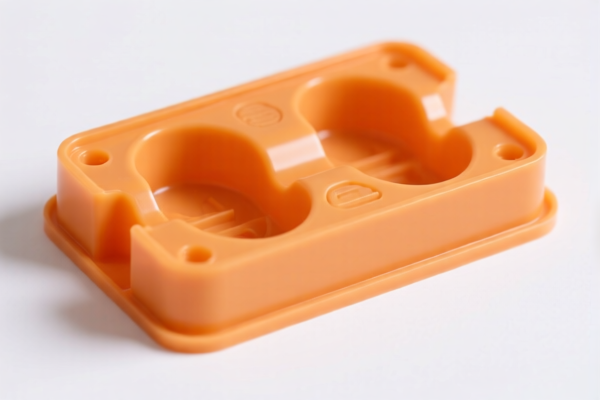
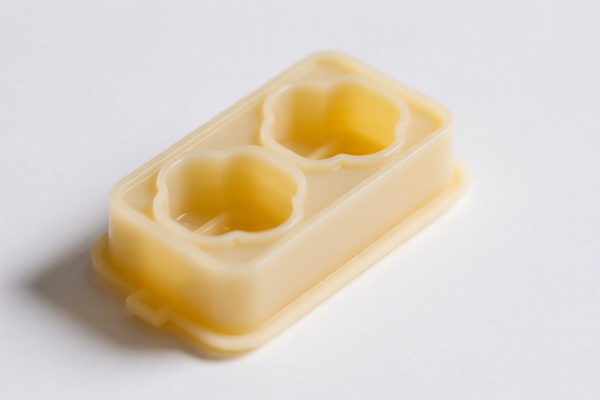
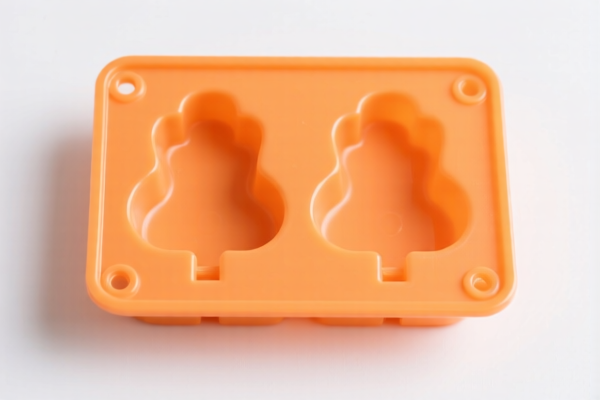
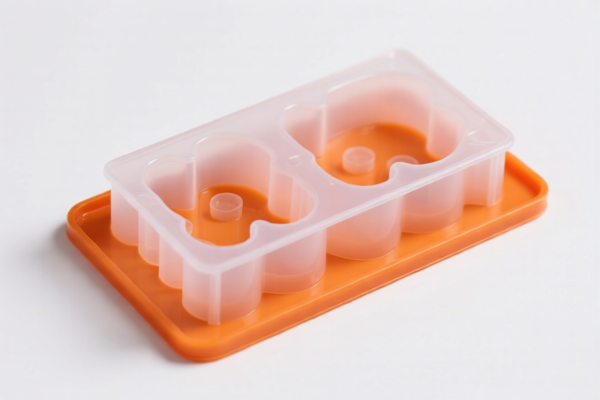
AI Analysis
🍓 Strawberry Mold (Food Grade Silicone/Plastic Molds)
🌐 HS Code Reference & Customs Clearance Guide | 2026 Latest Tariff Analysis | Professional Strategy for Kitchenware
📌 I. Product Definition & Classification: What Exactly is a "Strawberry Mold"?
A Strawberry Mold is a kitchen utensil used for shaping food items (such as chocolate, jelly, ice, or dough) into the shape of a strawberry. In international trade, the classification depends heavily on the material and specific function.
Based on the provided <DATA>, these items fall under Chapter 39 (Plastics), specifically Headings 3924 (Tableware, kitchenware, other household articles and hygienic or toilet articles, of plastics).
⚠️ Critical Distinction:
- If the mold is made of Silicone (often classified under rubber or plastics depending on formulation), it may still fall under 3924 if deemed a "plastic article" in specific jurisdiction interpretations, but usually, silicone rubber falls under Chapter 40. However, per your<DATA>, we are strictly analyzing Plastic molds.
- Key Factor: Is it a general shaping tool or a specific dispenser?
📦 II. HS Code Classification Details (Based on Provided Data)
According to the <DATA> provided, there are two specific HS Codes for Plastic Tableware/Kitchenware. We must determine which one fits your "Strawberry Mold."
| HS Code | Product Description | Application Scenario | Fit for "Strawberry Mold" |
|---|---|---|---|
3924.10.10.00 |
Tableware and kitchenware: Salt, pepper, mustard and ketchup dispensers and similar dispensers | Containers designed to dispense condiments. | ❌ Unlikely A mold holds shape; it does not dispense flow. Unless it is a pressurized dispenser for strawberry sauce, this is usually incorrect for a baking mold. |
3924.10.40.00 |
Tableware, kitchenware, other household articles and hygienic or toilet articles, of plastics: Tableware and kitchenware: Other | General kitchen items not specifically listed elsewhere (e.g., trays, containers, molds, cutlery handles). | ✅ High Probability Most strawberry molds (for chocolate, ice, or gelatin) are considered general "kitchenware" or "other household articles." |
🔍 Analysis:
- HS Code3924.10.40.00is the most appropriate for a standard plastic strawberry mold used in baking or food preparation. It falls under "Other" tableware/kitchenware.
- HS Code3924.10.10.00should only be used if the item is a dispenser (e.g., a bottle that squirts strawberry jam). If you are importing molds, do not use this code unless it is specifically a condiment dispenser.
💰 III. 2026 Tariff Rate Breakdown (Based on Provided Data)
✅ Applicable Country: As per the tax data, these are likely imports into a market with a 3.4% total tariff (e.g., China's Most-Favored-Nation rate for these specific codes, or a specific trade agreement).
✅ Material: Plastics
✅ Total Tax: 3.4% (Base Tariff 3.4% + Added Tariff 0.0%)
🎯 1. 3924.10.40.00 – Plastic Tableware/Kitchenware (Other)
| Item | Content |
|---|---|
| Base Tariff | 3.4% |
| Additional Tariff | 0.0% |
| Total Tax Rate | 3.4% |
| Tax Calculation | CIF Value × 3.4% |
| De Minimis Eligibility | Check local regulations (usually applies if value is low) |
| Legal Basis | Heading 3924, Subheading 10.40 |
📌 Explanation:
- The tax data explicitly states: "Base Tariff: 3.4%, Added Tariff: 0.0%".
- This is a very low tariff rate, making plastic kitchenware highly competitive.
- Note: If these goods are imported into the USA, additional Section 301 tariffs (25%) may apply on top of the base rate, but the provided<DATA>shows 0.0% added tariff, implying either a non-US origin context, a specific exemption, or a different market (e.g., China's import tariff for MFN countries). Always verify local laws.
🎯 2. 3924.10.10.00 – Dispensers (If misclassified)
| Item | Content |
|---|---|
| Base Tariff | 3.4% |
| Additional Tariff | 0.0% |
| Total Tax Rate | 3.4% |
| Tax Calculation | CIF Value × 3.4% |
⚠️ Warning: If you incorrectly classify a mold as a dispenser, customs may still accept the 3.4% rate but flag the item for inspection due to description mismatch. Correct description is crucial.
🛠️ IV. Customs Clearance Practical Advice (Avoid Pitfalls)
✅ 1. Documentation Checklist (Must-Haves)
| Document | Required? | Notes |
|---|---|---|
| ✅ Product Photo | ✔️ | Show the mold empty and filled to prove it’s a mold, not a dispenser. |
| ✅ Material Declaration | ✔️ | Specify "100% Food-Grade Silicone" or "Plastic (PP/PE)". If silicone, check if Chapter 40 applies. |
| ✅ Commercial Invoice | ✔️ | Description: "Plastic Strawberry Shaping Mold for Kitchen Use" |
| ✅ HS Code Justification | ✔️ | Reference 3924.10.40.00 as "Other kitchenware." |
| ✅ Food Contact Certificate | ✔️ | Critical for food molds (FDA, LFGB, or EU 10/2011 compliance). |
✅ 2. Declaration Tips (Key Mnemonic)
🔥 "Mold not Dispenser, Kitchenware Code is Key!"
| Scenario | Correct HS Code | Risk if Wrong |
|---|---|---|
| Silicone/Plastic Mold for Shaping | 3924.10.40.00 |
Low risk if described correctly. |
| Dispenser for Strawberry Sauce | 3924.10.10.00 |
If declared as mold, customs may reject. |
| Metal Mold | ❌ Not in Data | Chapter 73 or 82 applies. Do not use 3924. |
| Wooden Mold | ❌ Not in Data | Chapter 44 applies. Do not use 3924. |
✅ 3. Special Cases
| Situation | Handling Advice |
|---|---|
| Silicone Molds | If the data strictly says "of plastics," and your product is silicone (rubber), you may need to check Chapter 40. However, many jurisdictions treat food-grade silicone under plastic-like categories for kitchenware. Confirm with local customs. |
| Sets of Molds | If sold as a "Set of 3 Shapes," declare as a set under 3924.10.40.00. |
| Custom Packaging | If the mold is packaged with a recipe book, still classify as the mold (governing article). |
🌍 V. Global Market Comparison (2026)
| Market | Recommended HS Code | Tariff (China Origin) | Notes |
|---|---|---|---|
| USA | 3924.10.40.00 |
3.4% + 25% (Section 301) = 28.4% | The provided data shows 0% added tariff, which does not apply to US imports from China. Assume higher cost for US. |
| EU | 3924.10.40.00 |
3.4% + VAT | Standard MFN rate. No major additional duties. |
| China (Import) | 3924.10.40.00 |
3.4% | Matches the provided <DATA> perfectly. |
| Canada | 3924.10.40.00 |
3.4% + CBSA Fees | CUSMA may apply 0% if rules of origin met. |
📌 Conclusion:
- For China imports, the provided data is accurate: 3.4% total tax.
- For US imports, be aware that Section 301 tariffs likely apply, making the effective rate much higher than the base 3.4%.
📌 VI. Common Mistakes & Pitfalls
❌ Mistake 1: Calling it a "Toy"
👉 Consequence: If declared as a toy, it falls under Chapter 95 (Toys), which may have different tariffs and safety certifications (ASTM F963). Food molds must be declared as kitchenware.
❌ Mistake 2: Using "Dispenser" for a Shaping Mold
👉 Consequence: While the tax rate is the same (3.4%) in the provided data, the description mismatch can cause customs delays. Always use "Mold" or "Shaping Tool."
❌ Mistake 3: Ignoring Food Contact Safety
👉 Consequence: Even if the tariff is low, customs or health authorities may reject the shipment without FDA/LFGB certification for food-grade materials.
✅ Correct Declaration Example:
"Plastic Strawberry Shaping Mold for Food Preparation, Food-Grade Material, Model #XYZ, HS Code 3924.10.40.00"
🎯 VII. Conclusion: Precision in Classification Saves Time!
🎯 Key Takeaway:
🔹 Strawberry Molds (Plastic/Silicone) →
3924.10.40.00
🔹 Tax Rate → 3.4% (Base) + 0% (Added, per provided data)
🔹 Golden Rule: "Mold is Kitchenware, Dispenser is Different!"
📌 Pro Tip:
If you are importing into the USA, assume the 3.4% base rate but add 25% Section 301 duty unless you have a specific exclusion. The provided <DATA> shows 0% added tariff, which is likely for a different jurisdiction (e.g., China's import tariffs).
📣 Action Item:
📞 Contact your customs broker with:
1. Product Photos
2. Material Composition (Plastic vs. Silicone)
3. Intended Use (Food Shaping)
🚀 Ensure smooth clearance with accurate HS Code3924.10.40.00!
✨ Professional Clearance Starts with Accurate Classification!
💼 Your 3.4% Tax Rate is Your Ally – Don’t Lose It by Mislabeling!
Customer Reviews
About HS Code Classification
The Harmonized System (HS) is an internationally standardized nomenclature developed by the World Customs Organization (WCO) to classify traded products. Over 200 countries use the HS system as the basis for customs tariffs, trade statistics, and import/export regulations.
Each HS code follows a hierarchical structure:
- Chapter (2 digits) — Broad category of goods (e.g., Chapter 84: Machinery and Mechanical Appliances)
- Heading (4 digits) — More specific grouping within the chapter
- Subheading (6 digits) — Internationally standardized breakdown, used by all WCO member countries
- National subdivisions (8-10 digits) — Country-specific extensions for further classification, such as US HTSUS 10-digit codes
Correct HS code classification is essential for smooth customs clearance, accurate duty payment, and compliance with trade regulations. Misclassification can lead to customs delays, overpayment of duties, or penalties.
When importing from CN to US, the applicable tariff rates may include:
- Most-Favored-Nation (MFN) rate — The standard duty rate applied to WTO members
- General rate — Applied to countries without trade agreements
- Trade remedy duties — Additional tariffs such as Section 301 (anti-dumping), Section 232 (national security), or countervailing duties
The information provided on this page is for reference purposes only. For official classification, please consult with your local customs authority or a licensed customs broker.