Stroller Cushion
CN → US| HS Code | Tariff Rate | Origin | Destination | Doc |
|---|---|---|---|---|
| 9401806021 | 35.0% | CN | US | Official Doc |
| 9401806023 | 35.0% | CN | US | Official Doc |
| 3926909989 | 22.8% | CN | US | Official Doc |
| 5603941090 | 35.0% | CN | US | Official Doc |
| 4016910000 | 37.7% | CN | US | Official Doc |
Product Images
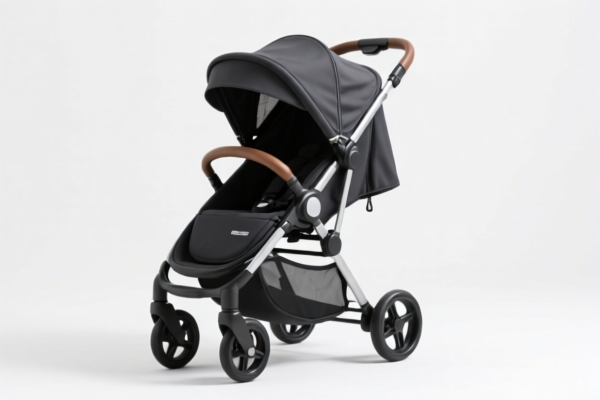
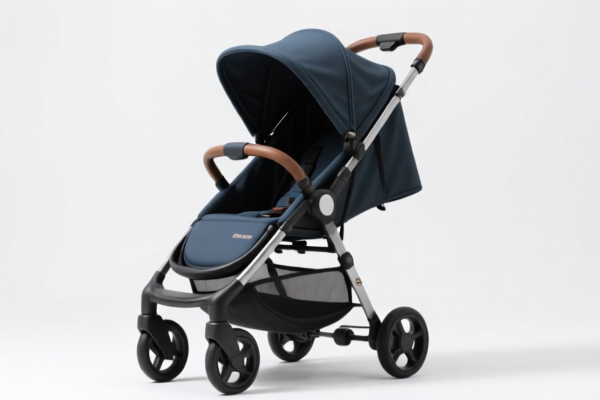
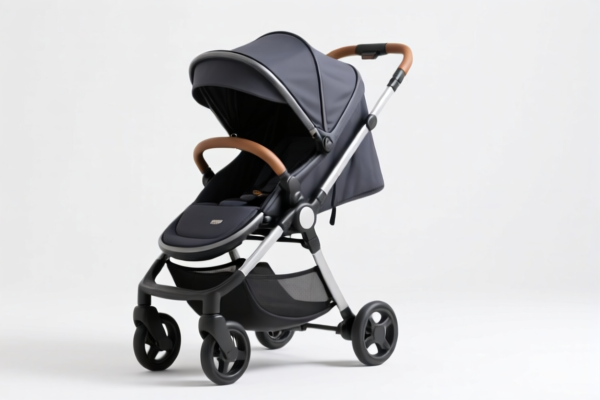
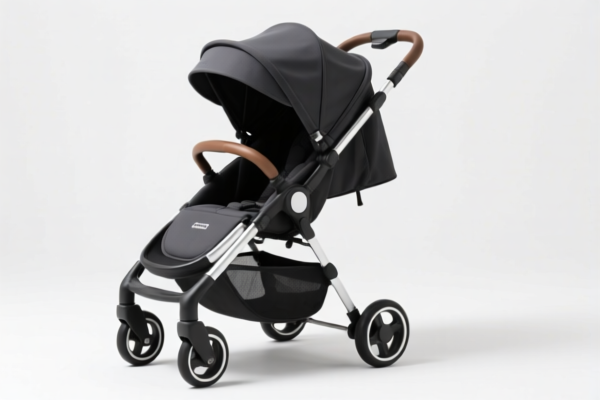
AI Analysis
🛒 Stroller Cushion: HS Code Classification & Customs Clearance Guide (2026 Latest)
🌐 HS Code Reference & Customs Clearance Guide | 2026 Latest Tariff Analysis | Professional Entry Strategy
📌 I. Product Definition & Classification: Do You Really Understand "Stroller Cushion"?
A stroller cushion is a comfort accessory for infant strollers, designed to provide padding and support. In international trade, its classification depends heavily on its material composition and specific function.
Infant Car Seats (Baby Car Seats): Specialized safety seats with harnesses, shells, and structural components, classified under Heading 9401.
Stroller Mats/Pads: Soft goods, non-woven fabrics, or rubber mats placed inside strollers for comfort, classified under materials like 5603 or 4016.
⚠️ Key Distinction Point:
- If it is a structured safety seat with harnesses and rigid components → Classified under 9401.80.60.21 / 9401.80.60.23 (Car Seats).
- If it is a simple pad/mattress made of fabric, non-woven material, or rubber → Classified under 5603.94.10.90 / 4016.91.00.00 or 3926.90.99.89 (Other Articles).
📦 II. HS Code Classification Details (2026 Latest Tariff Authority Comparison)
| HS Code | Product Description | Applicable Scenario | Material/Structure |
|---|---|---|---|
9401.80.60.21 |
Baby Car Seat, falls within the category of child seats, fits purpose | Structured safety seat, harness included | Plastic/Textile/Metal mix |
9401.80.60.23 |
Baby Car Seat, matches purpose and heading attributes, includes plastic/fabric | Standard infant car seat with shell | Plastic/Fabric/Metal |
3926.90.99.89 |
Baby Car Seat/Part, main body composed of plastic, fabric, and metal, classified as other article | Soft-sided carrier or cushioned part | Plastic/Fabric/Metal |
5603.94.10.90 |
Baby Anti-slip Mat, form is non-woven carpet underlay, fits "other" category | Soft non-woven pad for stroller | Non-woven Fabric |
4016.91.00.00 |
Baby Anti-slip Mat, material is vulcanized rubber, fits "other vulcanized rubber articles" | Rubberized non-slip pad | Vulcanized Rubber |
🔍 Key Reminder:
- Structured Safety Seats (with harnesses/shells) must be classified under 9401.80.60.21/23.
- Simple Pads/Mats (no safety structure) are classified based on material:
- Non-woven fabric →5603.94.10.90
- Rubber →4016.91.00.00
- Mixed plastic/fabric composite (if not a seat) →3926.90.99.89
💰 III. 2026 Latest Tariff Rate Details (Including Surtaxes & Policy Add-ons)
✅ Applicable Country: USA (US)
✅ Origin: China (CN)
✅ Effective Date: From Nov 10, 2025 (including subsequent imports)
🎯 1. 9401.80.60.21 & 9401.80.60.23 —— Baby Car Seat (Structured)
| Item | Content |
|---|---|
| Base Tariff Rate | 0% (ad valorem) |
| USITC Surcharge | +25% (under USITC Footnote 9903.88.01) |
| IEEPA Surcharge | +10% (for China/HK products, from Nov 10, 2025) |
| Total Tariff Rate | 45.0% |
| Tax Calculation | CIF Value × 45.0% |
| De Minimis Exemption | ❌ Not Eligible (deny_de_minimis) |
| Legal Basis Path | IEEPA:9903.01.25 → IEEPA:9903.01.24 → USITC:9401.80.60.21/23 → FOOTNOTE:9903.88.01 |
📌 Explanation:
- "USITC Surcharge 25%" comes from Section 301 of the U.S. Trade Act;
- "IEEPA 10%" is the additional tariff on Chinese products under the International Emergency Economic Powers Act;
- Total 45%, which is a very high tariff rate, must be anticipated in advance!
🎯 2. 3926.90.99.89 —— Other Articles (Plastic/Fabric/Metal Composite)
| Item | Content |
|---|---|
| Base Tariff Rate | 5.3% |
| USITC Surcharge | +7.5% |
| IEEPA Surcharge | +10% |
| Total Tariff Rate | 22.8% |
| Tax Calculation | CIF Value × 22.8% |
| De Minimis Exemption | ❌ Not Eligible |
| Legal Basis Path | IEEPA:9903.01.24 → USITC:3926.90.99.89 |
📌 Note:
- This code applies to mixed material items that do not fit the definition of a "car seat" (9401) or a simple "mat" (5603/4016).
- Commonly used for stroller accessories made of plastic and fabric blends.
🎯 3. 5603.94.10.90 —— Non-woven Fabric Mat (Baby Anti-slip Mat)
| Item | Content |
|---|---|
| Base Tariff Rate | 0% |
| USITC Surcharge | +25% |
| IEEPA Surcharge | +10% |
| Total Tariff Rate | 35.0% |
| Tax Calculation | CIF Value × 35.0% |
| De Minimis Exemption | ❌ Not Eligible |
| Legal Basis Path | IEEPA:9903.01.24 → USITC:5603.94.10.90 → FOOTNOTE:9903.88.01 |
📌 Note:
- Applies to non-woven fabric mats used as stroller liners.
- High tariff due to Section 301 and IEEPA surcharges.
🎯 4. 4016.91.00.00 —— Vulcanized Rubber Mat (Baby Anti-slip Mat)
| Item | Content |
|---|---|
| Base Tariff Rate | 2.7% |
| USITC Surcharge | +25% |
| IEEPA Surcharge | +10% |
| Total Tariff Rate | 37.7% |
| Tax Calculation | CIF Value × 37.7% |
| De Minimis Exemption | ❌ Not Eligible |
| Legal Basis Path | IEEPA:9903.01.24 → USITC:4016.91.00.00 → FOOTNOTE:9903.88.01 |
📌 Note:
- Applies to vulcanized rubber mats (e.g., anti-slip pads).
- Slightly higher total rate than non-woven due to higher base tariff.
🛠️ IV. Customs Clearance Practical Advice (Battle-Tested Pitfall Avoidance Guide)
✅ 1. Required Document Checklist (None Missing)
| Document | Required | Description |
|---|---|---|
| ✅ Product Spec Sheet | ✔️ | Includes dimensions, materials, weights, usage instructions |
| ✅ Material Composition Proof | ✔️ | Detailed breakdown of fabric/rubber/plastic percentages |
| ✅ Product Photos (with Labels) | ✔️ | Clear photos showing model, brand, material tags |
| ✅ Third-Party Test Report | ✔️ | CPSIA, CPC (Consumer Product Safety Improvement Act) compliance |
| ✅ Commercial Invoice | ✔️ | Clearly state "Stroller Cushion" or "Baby Car Seat" as appropriate |
| ✅ Packing List | ✔️ | Clarify relationship between main item and accessories |
✅ 2. Declaration Tips (Key Mantra)
🔥 "Seat is Safety, Pad is Comfort, Material Matters, Tax Differs!"
| Scenario | Correct Declaration | Wrong Practice |
|---|---|---|
| Structured Car Seat (with harness) | 9401.80.60.21 or 9401.80.60.23 |
Declare as "Cushion" → Risk of Misclassification |
| Simple Non-woven Liner | 5603.94.10.90 |
Declare as "Car Seat" → 45% vs 35% |
| Rubber Anti-slip Pad | 4016.91.00.00 |
Declare as "Carpet" → Complexity & Delays |
| Mixed Plastic/Fabric Accessory | 3926.90.99.89 |
Declare as "Textile" → Wrong HS Code |
✅ 3. Special Case Handling
| Scenario | Handling Advice |
|---|---|
| OEM Custom Stroller Cushions | Provide customer order + design drawings to avoid "non-standard" classification |
| Car Seat + Cushion Sold Together | Declare as Car Seat (9401) if cushion is integral; otherwise, split declaration |
| Used Stroller Cushions | Subject to stricter CPC testing; ensure compliance with CPSIA |
| Cushions with Batteries (Heated) | Add 8504.40 classification for battery part; declare separately |
🌍 V. Global Market Comparison (2026 Latest)
| Country/Region | Recommended HS Code | Tariff | Certification Requirement | Notes |
|---|---|---|---|---|
| 🇺🇸 USA | 9401.80.60.21 (Seat) / 5603.94.10.90 (Pad) |
45% (Seat) / 35% (Pad) | CPC + CPSIA | High tariffs on Chinese goods |
| 🇨🇳 China | 9401.80.60.21 / 5603.94.10.90 |
5% / 0% | CCC + GB Standards | No additional surcharges |
| 🇪🇺 EU | 9401.80 (Seat) / 6307.90 (Pad) |
0% / 4% | CE + EN1888 | Stricter safety standards |
| 🇦🇺 Australia | 9401.80 / 6307.90 |
5% / 5% | AS/NZS Standards | Moderate tariffs |
| 🇯🇵 Japan | 9401.80 / 6307.90 |
0% / 5% | PSE (if electronic) | No additional surcharges |
📌 Conclusion:
- USA has the highest tariff burden on Chinese-origin baby products;
- Material and structure determine the HS Code, which directly impacts the tax rate;
- Pre-classification (Advance Ruling) is highly recommended to avoid surprises.
📌 VI. Common Mistakes & Pitfall Avoidance (Blood-Teaching Lessons)
❌ Mistake 1: Declaring a structured car seat as a "Cushion" to avoid 45% tariff
👉 Consequence: Customs may reclassify, leading to 45% tariff + penalties!
❌ Mistake 2: Declaring a non-woven mat as "Car Seat"
👉 Consequence: Overpaying tariff (45% vs 35%); Waste of money!
❌ Mistake 3: Not providing CPC (Children’s Product Certificate)
👉 Consequence: Goods detained at US customs; Delay or Return!
❌ Mistake 4: Using vague terms like "Baby Accessory"
👉 Consequence: Customs uncertainty; Inspection delays or rejection
✅ Correct Practice:
“Infant Car Seat, Model XYZ, Harness Type 5-Point, CPC Certified, Made in China”
OR
“Non-woven Fabric Stroller Liner, Anti-slip, Model ABC, CPC Certified, Made in China”
🎯 VII. Conclusion: Professional Declaration Saves Time and Money!
🎯 Remember the Mantra:
🔹 "Seat is Safety, Pad is Comfort, Material is King, Tax Varies!"
🔹 "HS Code Decides Fate, Tax Rate Differs by 10%, Declaration Error Costs Thousands!"
📌 Pro Tip:
If your product originates from Vietnam, Mexico, Thailand, or Malaysia, you may apply for IEEPA Exemption, with tariffs as low as 0%~5%;
Advance Ruling Application is recommended to avoid clearance risks.
📣 Immediate Action:
📞 Contact a professional customs broker + Provide Product Photos + Apply for HS Code Advance Ruling
🚀 Let your Stroller Cushions clear customs smoothly, efficiently expand overseas, and double profits!
✨ Professional Clearance Starts with Precise Classification!
💼 Every cent of your cost deserves precise calculation!
Customer Reviews
About HS Code Classification
The Harmonized System (HS) is an internationally standardized nomenclature developed by the World Customs Organization (WCO) to classify traded products. Over 200 countries use the HS system as the basis for customs tariffs, trade statistics, and import/export regulations.
Each HS code follows a hierarchical structure:
- Chapter (2 digits) — Broad category of goods (e.g., Chapter 84: Machinery and Mechanical Appliances)
- Heading (4 digits) — More specific grouping within the chapter
- Subheading (6 digits) — Internationally standardized breakdown, used by all WCO member countries
- National subdivisions (8-10 digits) — Country-specific extensions for further classification, such as US HTSUS 10-digit codes
Correct HS code classification is essential for smooth customs clearance, accurate duty payment, and compliance with trade regulations. Misclassification can lead to customs delays, overpayment of duties, or penalties.
When importing from CN to US, the applicable tariff rates may include:
- Most-Favored-Nation (MFN) rate — The standard duty rate applied to WTO members
- General rate — Applied to countries without trade agreements
- Trade remedy duties — Additional tariffs such as Section 301 (anti-dumping), Section 232 (national security), or countervailing duties
The information provided on this page is for reference purposes only. For official classification, please consult with your local customs authority or a licensed customs broker.