Structural Metal Components
CN → US| HS Code | Tariff Rate | Origin | Destination | Doc |
|---|---|---|---|---|
| 7326908610 | 87.9% | CN | US | Official Doc |
| 7326908635 | 87.9% | CN | US | Official Doc |
| 7308906000 | 85.0% | CN | US | Official Doc |
| 7308903000 | 85.0% | CN | US | Official Doc |
| 8302496055 | 90.7% | CN | US | Official Doc |
| 8302498040 | 38.5% | CN | US | Official Doc |
Product Images
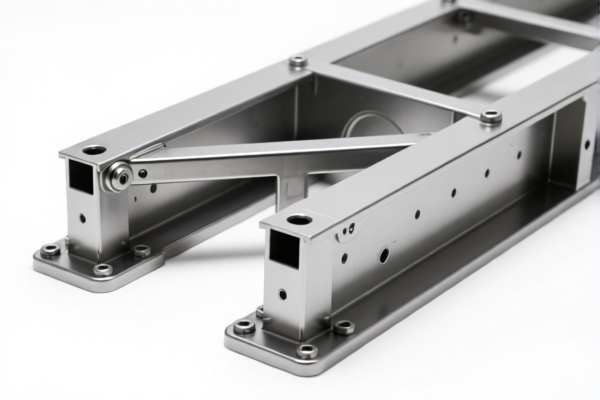
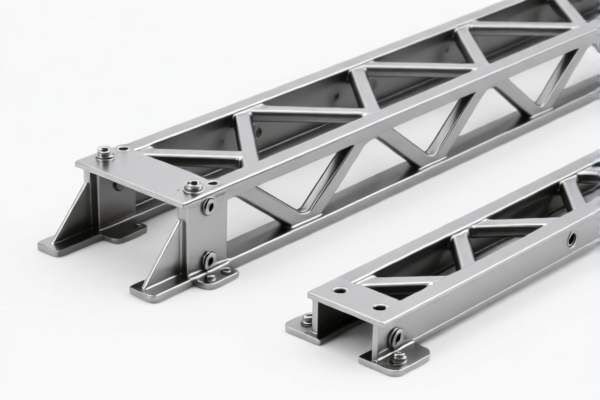
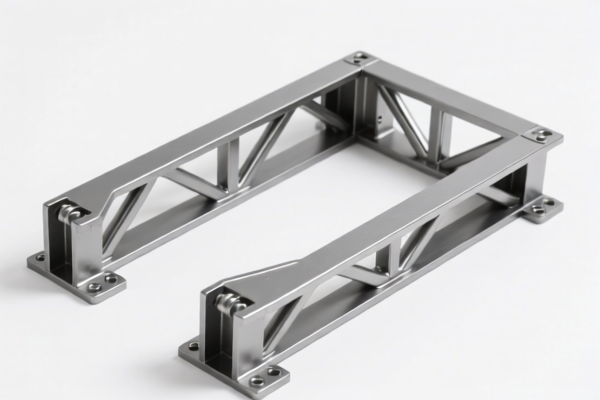
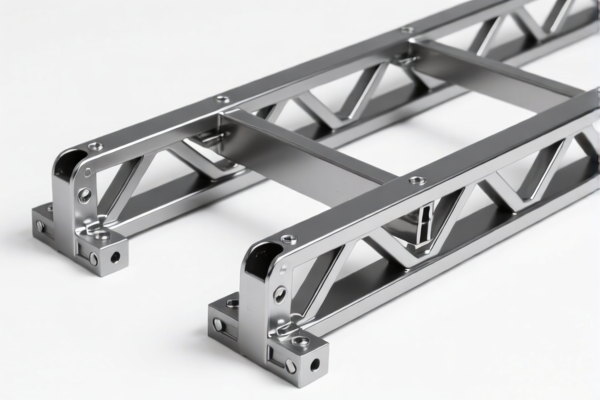
AI Analysis
🏗️ Structural Metal Components (Iron & Steel Articles)
🌐 HS Code Reference & Customs Clearance Guide | 2026 Tariff Analysis | Professional Clearance Strategy for US Market
📌 Part I: Product Definition & Classification – Do You Know Your "Structural Metal"?
Structural Metal Components generally refer to fabricated items made of iron or steel used in construction, fencing, or machinery assembly. In international trade, the classification depends heavily on geometry, function, and fabrication level.
They are broadly categorized into two main groups:
- Structural Parts for Buildings/Infrastructure: Beams, columns, pillars, bridge sections, and lattice masts. These are often pre-fabricated for assembly.
- General Fabricated Articles: Fences, laminated steel sheets, and mounting fixtures.
⚠️ Critical Distinction:
- If the item is a column, pillar, beam, or girder intended for use in structures → It falls under Heading 7308.
- If the item is a fence post with specific protrusions (knobs, studs) → It falls under Heading 7326.
- If the item is a laminated sheet (steel + adhesive/core) → It falls under Heading 7326.
- If the item is a mounting/fitting for vehicles or furniture → It falls under Heading 8302.
📦 Part II: Detailed HS Code Classification (2026 Latest Tariff Schedule)
| HS Code | Product Description | Applicable Scenario | Key Classification Feature |
|---|---|---|---|
7308.90.60.00 |
Structures & parts: Columns, pillars, posts, beams, girders... | Alloy Steel structural units (e.g., reinforced steel beams for high-rise buildings) | Made of alloy steel; used in building structures. |
7308.90.30.00 |
Structures & parts: Columns, pillars, posts, beams, girders... | Non-Alloy Steel structural units (e.g., standard steel I-beams, posts for bridges) | Made of carbon/regular steel; NOT alloy steel. |
7326.90.86.10 |
Other articles of iron or steel: Laminated goods | Laminated Steel Sheets held together by adhesive or having a non-metallic core | Multi-layered structure; adhesive or non-metallic core involved. |
7326.90.86.35 |
Other articles of iron or steel: Fence posts | Corrugated/Studded Fence Posts | Posts with knobs, studs, notches, or anchor plates; used for fencing. |
8302.49.60.55 |
Base metal mountings, fittings... | Mountings for Aircraft/Vessels (Excluding Motor Vehicles) | Mountings/brackets specifically for aviation or marine use. |
8302.49.80.40 |
Base metal mountings, fittings... | Mountings for Railway/Aircraft/Vessels (Of Copper) | Fittings made specifically of copper for transport vehicles. |
🔍 Key Reminder:
- Heading 7308 is for structural integrity (bearings loads in buildings/bridges).
- Heading 7326 is for general fabricated articles (fencing, laminates) that don't fit structural headings.
- Heading 8302 is for fittings/mountings (hinges, brackets, castors), not structural load-bearing beams.
- Material matters: Alloy vs. Non-Alloy steel changes the subheading in 7308.
💰 Part III: 2026 Latest Tariff Rate Breakdown (Including Surcharges)
✅ Applicable Country: United States (US)
✅ Origin: China (CN)
✅ Effective Date: Current (including subsequent imports)
📌 Note: All Chinese-origin iron/steel products are subject to Section 232 (50% surcharge) for Steel/Aluminum, plus potential Section 301 (25%) depending on the specific heading.
🎯 1. 7308.90.60.00 & 7308.90.30.00 – Structural Units (Beams, Columns, Girders)
| Item | Detail |
|---|---|
| Product Type | Structural Beams, Columns, Pillars, Girders (Iron/Steel) |
| Base Tariff | 0.0% |
| Section 301 Surcharge | +25.0% |
| Section 232 Surcharge (Steel/Aluminum) | +50.0% |
| Total Effective Tax Rate | 75.0% |
| Tax Calculation | CIF Value × 75% |
| De Minimis Exemption | ❌ Not Eligible (Deny De Minimis) |
| Legal Basis | Section 301: 25% + Section 232: 50% (for Steel) |
📌 Explanation:
- Structural steel components from China face double tariffs:
1. 25% under Trade Act Section 301 (targeted Chinese imports).
2. 50% under Trade Act Section 232 (National Security on Steel/Aluminum).
- Total: 75%. This is extremely high. Cost optimization strategies are essential.
🎯 2. 7326.90.86.10 – Laminated Steel Goods
| Item | Detail |
|---|---|
| Product Type | Laminated sheets of iron/steel with adhesive/non-metallic core |
| Base Tariff | 2.9% |
| Section 301 Surcharge | +25.0% |
| Section 232 Surcharge (Steel/Aluminum) | +50.0% |
| Total Effective Tax Rate | 77.9% |
| Tax Calculation | CIF Value × 77.9% |
| De Minimis Exemption | ❌ Not Eligible |
| Legal Basis | Section 301: 25% + Section 232: 50% + Base 2.9% |
📌 Explanation:
- Laminated steel is still considered "steel article."
- Total: 77.9% (2.9% base + 25% + 50%).
- Even though base tariff is higher, the surcharges make it similarly expensive to structural steel.
🎯 3. 7326.90.86.35 – Studded Fence Posts
| Item | Detail |
|---|---|
| Product Type | Fence posts with corrugations/studs/notches |
| Base Tariff | 0.0% |
| Section 301 Surcharge | +0.0% (Note: Some fence posts may be excluded from 301, but check latest rulings) |
| Section 232 Surcharge (Steel/Aluminum) | +50.0% |
| Total Effective Tax Rate | 50.0% |
| Tax Calculation | CIF Value × 50% |
| De Minimis Exemption | ❌ Not Eligible |
| Legal Basis | Section 232: 50% (Steel only) |
📌 Explanation:
- Crucial Exception: If this specific fence post code is exempt from Section 301 (25%), the total drops to 50% (only Section 232).
- Verification Required: Confirm if your specific fence post design qualifies for 301 exemption. If not, it may be 75%.
🎯 4. 8302.49.60.55 – Mountings for Aircraft/Vessels (Iron/Steel/Aluminum/Zinc)
| Item | Detail |
|---|---|
| Product Type | Mountings/fittings for aircraft, vessels, non-motor vehicles |
| Base Tariff | 5.7% |
| Section 301 Surcharge | +25.0% |
| Section 232 Surcharge (Steel/Aluminum) | +50.0% |
| Total Effective Tax Rate | 80.7% |
| Tax Calculation | CIF Value × 80.7% |
| De Minimis Exemption | ❌ Not Eligible |
| Legal Basis | Section 301: 25% + Section 232: 50% + Base 5.7% |
📌 Explanation:
- Even specialized mountings for aircraft/vessels are not exempt from steel surcharges if made of steel.
- Total: 80.7%. Highest tier.
🎯 5. 8302.49.80.40 – Mountings of Copper for Transport Vehicles
| Item | Detail |
|---|---|
| Product Type | Mountings/fittings of Copper for railway/aircraft/vessels |
| Base Tariff | 3.5% |
| Section 301 Surcharge | +25.0% |
| Section 232 Surcharge | None (Section 232 applies to Steel & Aluminum ONLY) |
| Total Effective Tax Rate | 28.5% |
| Tax Calculation | CIF Value × 28.5% |
| De Minimis Exemption | ❌ Not Eligible |
| Legal Basis | Section 301: 25% + Base 3.5% |
📌 Explanation:
- Significant Cost Saving Opportunity: If you can use Copper instead of Steel for fittings, you avoid the 50% Section 232 surcharge.
- Total: 28.5% vs. 75-80% for steel.
- Note: Material substitution must be justified by function/cost, not just tax avoidance.
🛠️ Part IV: Customs Clearance Practical Advice (Avoid Pitfalls)
✅ 1. Document Preparation Checklist (Essential)
| Document | Required? | Description |
|---|---|---|
| ✅ Product Specifications | ✔️ | Detailed description: Material (Alloy vs. Non-Alloy), Dimensions, Weight, Function. |
| ✅ Engineering Drawings | ✔️ | Critical for 7308/7326 to prove it's not a machine part or building component. |
| ✅ Photographs | ✔️ | Clear images showing studs, corrugations, or laminated layers. |
| ✅ Commercial Invoice | ✔️ | Must clearly state: "Iron/Steel Structural Component," "Fence Post," etc. |
| ✅ Certificate of Origin | ✔️ | Required for tariff calculation; must certify Chinese origin. |
| ✅ Bill of Lading | ✔️ | Consistent with invoice weight and description. |
| ✅ Section 232 Certification | ✔️ | If applicable, confirm steel content and alloy type. |
✅ 2. Declaration Tips (Key Mantra)
🔥 "Material First, Function Second, Structure Clear, Tariff Clear!"
| Scenario | Correct Declaration | Incorrect Declaration | Risk |
|---|---|---|---|
| Steel Beam | Steel I-Beam, Alloy, for Building Structure |
Metal Rod |
Misclassification → Higher duty or penalty. |
| Fence Post | Studded Iron Fence Post, Corrugated |
Fencing Material |
May be classified under general articles (lower base) but still 50-75% total. |
| Laminated Sheet | Laminated Steel Sheet with Adhesive Core |
Steel Plate |
Misclassification → Potential penalty for wrong HS. |
| Copper Fitting | Copper Mounting Bracket for Aircraft |
Iron Bracket |
HUGE RISK: If declared as iron, 50% surcharge applies. If copper, only 25%. |
📌 Critical Note on Material:
- For8302headings, Material Composition is the key to tax rate.
- Steel/Aluminum = +50% (Section 232).
- Copper = 0% (Section 232 does not apply).
- Ensure your material certificate matches the declared material.
✅ 3. Special Case Handling
| Situation | Recommendation |
|---|---|
| Mixed Materials (e.g., Steel beam with rubber padding) | Declare as steel structure. Rubber padding is incidental. Taxed at 75%. |
| Prefabricated Buildings | Check Heading 9406. If it's a complete building, it may have different duties. If just parts, use 7308. |
| OEM/Custom Parts | Provide client design specs to prove intended use (e.g., "For Aircraft" vs. "General Use"). |
| Re-export from Third Country | If re-exported from Vietnam/Mexico, check Rules of Origin. May avoid Section 301/232 if substantial transformation occurred. |
🌍 Part V: Global Market Comparison (2026 Latest)
| Country/Region | Recommended HS Code | Estimated Tariff (China Origin) | Certification Required | Notes |
|---|---|---|---|---|
| 🇺🇸 USA | 7308.90.30.00 (Steel) |
75% (25% Sec 301 + 50% Sec 232) | None specific for steel | Highest tariffs. Copper fittings only 28.5%. |
| 🇨🇳 China | 7308.90.30.00 |
0%~5% (VAT 13% applies) | CCC (if applicable) | Low entry barrier for domestic sale. |
| 🇪🇺 EU | 7308.90 |
0%~2% | CE (if structural components for construction) | No Section 232/301 equivalents. Lower cost. |
| 🇲🇽 Mexico | 7308.90 |
0% (under USMCA if originating) | None | Best alternative: Produce in Mexico to avoid US surcharges. |
| 🇻🇳 Vietnam | 7308.90 |
0% (if not deemed transshipment) | None | Caution: US scrutinizes Vietnam origin for steel. Verify substantial transformation. |
📌 Conclusion:
- USA is the most expensive market for steel components due to dual surcharges.
- Copper fittings (8302.49.80.40) are significantly cheaper than steel fittings (28.5% vs 80.7%).
- Supply Chain Diversification: Consider manufacturing in Mexico or Vietnam (with legitimate transformation) to mitigate costs.
📌 Part VI: Common Mistakes & Pitfalls (Lessons Learned)
❌ Mistake 1: Declaring Steel Beams as "General Metal Parts" (Heading 7326)
👉 Consequence: Customs may reclassify to 7308, but still apply 75% tariff. No benefit.
❌ Mistake 2: Not specifying Alloy vs. Non-Alloy for Structural Parts
👉 Consequence: If unclear, Customs may assume the highest duty rate or delay clearance for examination.
❌ Mistake 3: Using Steel Fittings when Copper is an option for non-structural roles
👉 Consequence: Paying 80.7% instead of 28.5%. Cost increase of 52%!
❌ Mistake 4: Ignoring Section 232 for Laminated Goods
👉 Consequence: Thinking laminated goods are "plastic/composite" and avoiding steel tariffs. Risk: If core is steel, 50% surcharge applies.
✅ Correct Approach:
"Structural Steel Column, Carbon Steel, Unalloyed, for Bridge Construction, Model XYZ, Certified to ASTM A992"
🎯 Part VII: Conclusion – Strategic Cost Optimization!
🎯 Key Takeaways:
🔹 "Steel Suffers, Copper Saves": Use copper for fittings to cut tax from ~80% to ~28%.
🔹 "Structural = 75%": Beams and columns are hit hardest by dual tariffs.
🔹 "Fencing = 50-75%": Fence posts may avoid Section 301, saving 25%.
🔹 "Origin Matters": Look into Mexico/Vietnam supply chains for legitimate cost avoidance.
📌 Pro Tip:
If you are importing structural steel components, strongly consider:
1. Pre-classification Ruling from US CBP to confirm HS Code and tariff applicability.
2. Material Substitution: Can copper or aluminum (note: aluminum also 50% Sec 232) be used?
3. Supply Chain Shift: Move assembly to a non-tariff impacted country (e.g., Mexico under USMCA).
📣 Immediate Action:
📞 Contact your customs broker with material specs and function description.
🚀 Request a Section 301/232 Exclusion application if eligible (check if your product code has exclusions).
💡 Your Cost Savings Start with Accurate Classification!
✨ Professional Customs Clearance, Starting with Precise Classification!
💼 Every Percent of Duty Saved is Pure Profit!
Customer Reviews
About HS Code Classification
The Harmonized System (HS) is an internationally standardized nomenclature developed by the World Customs Organization (WCO) to classify traded products. Over 200 countries use the HS system as the basis for customs tariffs, trade statistics, and import/export regulations.
Each HS code follows a hierarchical structure:
- Chapter (2 digits) — Broad category of goods (e.g., Chapter 84: Machinery and Mechanical Appliances)
- Heading (4 digits) — More specific grouping within the chapter
- Subheading (6 digits) — Internationally standardized breakdown, used by all WCO member countries
- National subdivisions (8-10 digits) — Country-specific extensions for further classification, such as US HTSUS 10-digit codes
Correct HS code classification is essential for smooth customs clearance, accurate duty payment, and compliance with trade regulations. Misclassification can lead to customs delays, overpayment of duties, or penalties.
When importing from CN to US, the applicable tariff rates may include:
- Most-Favored-Nation (MFN) rate — The standard duty rate applied to WTO members
- General rate — Applied to countries without trade agreements
- Trade remedy duties — Additional tariffs such as Section 301 (anti-dumping), Section 232 (national security), or countervailing duties
The information provided on this page is for reference purposes only. For official classification, please consult with your local customs authority or a licensed customs broker.