Suede Leather
CN → US| HS Code | Tariff Rate | Origin | Destination | Doc |
|---|---|---|---|---|
| 4203291800 | 49.0% | CN | US | Official Doc |
| 6216009000 | 21.3% | CN | US | Official Doc |
| 6216008000 | 21.0% | CN | US | Official Doc |
Product Images
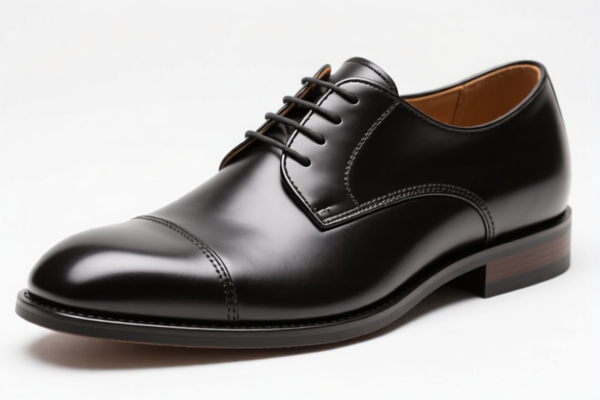
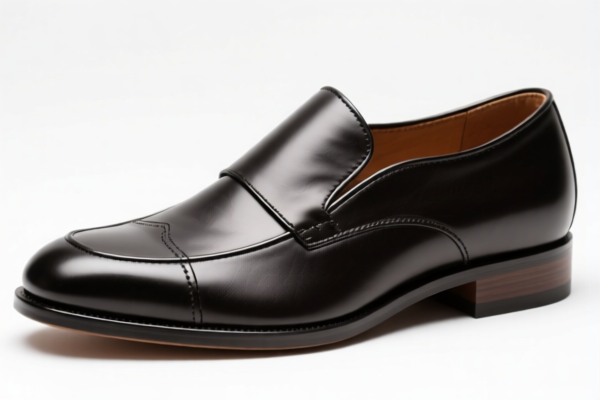
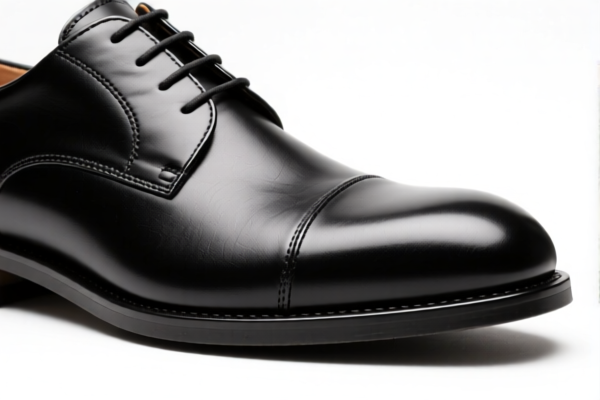

AI Analysis
🧤 Suede Leather Gloves: HS Code Classification & Customs Clearance Strategy
🌐 HS Code Reference & Clearance Guide | 2026 Latest Tariff Analysis | Professional Customs Strategy
📌 I. Product Definition & Classification: What Exactly is "Suede Leather"?
Suede is not a species of animal, but a finish applied to the flesh side of a leather hide (typically goat, sheep, deer, or pig). It creates a napped, soft, and fuzzy surface texture.
In international trade, classification depends heavily on: 1. Material Composition: Is it pure leather, or a blend? 2. Article Type: Is it a glove, a mitten, or another accessory? 3. Specific Animal Origin: Some countries have specific subheadings for goatskin vs. sheepskin.
⚠️ Key Distinction:
- If the product is 100% leather (goat/sheep/pig) and shaped as a glove, it generally falls under Chapter 42 (Articles of Leather) or Chapter 62 (Articles of Apparel, if knitted/crocheted or if specific leather exclusions apply).
- Note: In the provided data, the classification strategy splits between Chapter 42 (Leather Articles) and Chapter 62 (Apparel), implying different interpretations of "leather gloves" under specific trade regimes or material definitions.
📦 II. HS Code Classification Details (Based on Provided Data)
| HS Code | Product Description | Scenario | Material Basis |
|---|---|---|---|
4203.29.18.00 |
Suede Leather Gloves (Leather Articles) | General leather gloves, classified as "Articles of Leather" | Pure Leather (Suede finish) |
6216.00.90.00 |
Suede Leather Gloves (Apparel - Other) | Classified under "Other Made-up Apparel Accessories" (Fallback/Residual) | Leather / Synthetic Blend |
6216.00.80.00 |
Suede Leather Gloves (Wool/Animal Hair) | Classified under "Wool or Fine Animal Hair" based on material inference | Leather + Wool/Animal Hair Blend |
🔍 Critical Note:
- Chapter 42 (4203.29.18.00) treats the glove as a leather article. This is the most direct classification for pure leather gloves.
- Chapter 62 (6216.00...) treats the glove as an apparel accessory. This may apply if the gloves are considered "other made-up articles" or if specific national tariff schedules prioritize apparel chapters for certain leather types or blends.
-6216.00.80.00specifically infers wool or fine animal hair, suggesting that if the suede is derived from or blended with sheep/goat wool fibers, this subheading may be more accurate.
💰 III. 2026 Tariff Rate Analysis (Including Additional Duties & Policies)
✅ Applicable Country: United States (US)
✅ Origin: China (CN)
✅ Effective Date: Current rates (based on provided data)
🎯 1. 4203.29.18.00 – Suede Leather Gloves (Leather Articles)
| Item | Detail |
|---|---|
| Base Tariff | 14.0% (ad valorem) |
| Additional Tariff (Section 301) | +25.0% |
| 122-Clause Tariff | +10.0% |
| Total Tax Rate | 49.0% |
| Calculation | CIF Value × 49% |
| De Minimis Eligibility | ❌ No (High-value leather goods typically excluded) |
| Legal Basis Path | HTSUS:4203.29.18.00 → Section 301: Footnote 9903.88.01 → 122-Clause |
📌 Explanation:
- This is the highest tax scenario among the options.
- The 49% total rate includes a high base tariff (14%) plus significant punitive tariffs (25% + 10%).
- Recommendation: Avoid this classification unless no other option is legally permissible, as it significantly impacts profit margins.
🎯 2. 6216.00.90.00 – Suede Leather Gloves (Apparel - Other / Fallback)
| Item | Detail |
|---|---|
| Base Tariff | 3.8% (ad valorem) |
| Additional Tariff (Section 301) | +7.5% |
| 122-Clause Tariff | +10.0% |
| Total Tax Rate | 21.3% |
| Calculation | CIF Value × 21.3% |
| De Minimis Eligibility | ❌ No (Usually not eligible for de minimis if value exceeds threshold) |
| Legal Basis Path | HTSUS:6216.00.90.00 → Section 301: Footnote 9903.88.01 → 122-Clause |
📌 Note:
- This is a cost-effective alternative if the product can be legally classified under Chapter 62 as an "other" apparel accessory.
- The base tariff is much lower (3.8% vs. 14%), leading to a ~27.7% reduction in total tax compared to the Chapter 42 classification.
🎯 3. 6216.00.80.00 – Suede Leather Gloves (Wool/Animal Hair Inference)
| Item | Detail |
|---|---|
| Base Tariff | 3.5% (ad valorem) |
| Additional Tariff (Section 301) | +7.5% |
| 122-Clause Tariff | +10.0% |
| Total Tax Rate | 21.0% |
| Calculation | CIF Value × 21.0% |
| De Minimis Eligibility | ❌ No |
| Legal Basis Path | HTSUS:6216.00.80.00 → Section 301: Footnote 9903.88.01 → 122-Clause |
📌 Note:
- This is the lowest tax scenario (21.0%).
- It applies if the suede leather is inferred to be wool or fine animal hair (e.g., sheepskin suede with wool backing or blend).
- Caution: This classification requires strong evidence that the product contains significant wool/animal hair content. Misclassification can lead to severe penalties.
🛠️ IV. Customs Clearance Practical Advice (Best Practices & Pitfalls)
✅ 1. Required Documentation
| Document | Required | Notes |
|---|---|---|
| ✅ Product Specification Sheet | ✔️ | Must detail material composition (e.g., "100% Goat Suede Leather" vs. "Sheep Suede with Wool Lining") |
| ✅ Material Certificate | ✔️ | Crucial for distinguishing between Chapter 42 (Leather) and Chapter 62 (Wool/Apparel) |
| ✅ Product Photos | ✔️ | Clear images showing texture, lining, and construction |
| ✅ Commercial Invoice | ✔️ | Accurate description: "Suede Leather Gloves, Model XYZ, Material: 100% Goat Leather" |
| ✅ Packing List | ✔️ | Include weight, dimensions, and quantity |
✅ 2. Classification Strategy & Keywords
🔥 "Material Determines Chapter: Leather vs. Wool!"
| Scenario | Recommended HS Code | Reason |
|---|---|---|
| Pure Leather Gloves (Goat/Sheep/Pig) | 4203.29.18.00 |
Falls under "Articles of Leather" (Chapter 42) |
| Blend or Wool-Inferred Gloves | 6216.00.80.00 |
If wool/animal hair content is significant, Chapter 62 may apply |
| Unclear/Other Leather Articles | 6216.00.90.00 |
Fallback classification for "other" made-up articles |
⚠️ Warning:
- Do NOT misclassify pure leather gloves as wool gloves to save taxes. Customs may request material testing.
- If the product is 100% leather,4203.29.18.00is the most legally accurate, despite the higher tax.
- If the product is a blend (e.g., leather exterior, wool interior),6216.00.80.00may be justifiable.
✅ 3. Special Cases & Tips
| Case | Advice |
|---|---|
| OEM/Private Label | Ensure the supplier provides a material breakdown to support Chapter 62 classification if applicable. |
| Knitted/Crocheted Leather | If the leather is knitted, it may fall under Chapter 61 or 62, not Chapter 42. |
| Gift Sets | If gloves are part of a gift set (e.g., with a scarf), classify based on the essential character of the set. |
| De Minimis (Section 321) | High-value leather gloves often exceed the $800 de minimis threshold. Check current value limits. |
🌍 V. Global Market Comparison (2026)
| Country/Region | Recommended HS Code | Estimated Total Tax | Notes |
|---|---|---|---|
| 🇺🇸 USA | 4203.29.18.00 or 6216.00.90.00 |
21.0% – 49.0% | High tariffs due to Section 301 & 122-Clause |
| 🇨🇳 China | 4203.29.90.90.00 |
~14% | No additional punitive tariffs |
| 🇪🇺 EU | 4203.29.00 |
12.5% | No Section 301 equivalent |
| 🇬🇧 UK | 4203.29.00 |
12.5% | Post-Brexit tariff structure |
| 🇨🇦 Canada | 4203.29.00 |
14% | USMCA may apply for originating goods |
📌 Conclusion:
- USA is the most challenging market due to 49% total tax for leather gloves.
- Consider sourcing from non-China origins (e.g., Turkey, Italy, Vietnam) to avoid Section 301 and 122-Clause tariffs.
- Opt for Chapter 62 classification (6216.00.90.00or80.00) if legally justifiable to reduce tax by ~28%.
📌 VI. Common Mistakes & Pitfalls
❌ Mistake 1: Using "Leather Gloves" without specifying material composition
👉 Result: Customs may default to the highest tax rate (49%).
Fix: Always specify "Goat Suede," "Sheep Suede," or "Blended."
❌ Mistake 2: Misclassifying pure leather as wool
👉 Result: Penalties for misclassification, potential seizure.
Fix: Provide material test reports if using Chapter 62.
❌ Mistake 3: Ignoring the 122-Clause Tariff
👉 Result: Unexpected additional 10% tax.
Fix: Include 122-Clause in all cost calculations.
🎯 VII. Final Recommendation
🔹 "Verify Material, Choose Chapter, Minimize Tax!"
🔹 If 100% Leather: Expect 49% tax (4203.29.18.00).
🔹 If Blend/Wool-Inferred: Aim for 21% tax (6216.00.80.00).
🔹 If Uncertain: Use 21.3% fallback (6216.00.90.00) but be prepared to justify.📞 Action Step:
- Consult a licensed customs broker.
- Request a Binding Ruling from U.S. Customs if the material composition is complex.
- Consider supply chain diversification to mitigate high US tariffs.
✨ Professional Customs Clearance Starts with Precise Classification!
💼 Save 28% on Taxes by Choosing the Right HS Code!
Customer Reviews
About HS Code Classification
The Harmonized System (HS) is an internationally standardized nomenclature developed by the World Customs Organization (WCO) to classify traded products. Over 200 countries use the HS system as the basis for customs tariffs, trade statistics, and import/export regulations.
Each HS code follows a hierarchical structure:
- Chapter (2 digits) — Broad category of goods (e.g., Chapter 84: Machinery and Mechanical Appliances)
- Heading (4 digits) — More specific grouping within the chapter
- Subheading (6 digits) — Internationally standardized breakdown, used by all WCO member countries
- National subdivisions (8-10 digits) — Country-specific extensions for further classification, such as US HTSUS 10-digit codes
Correct HS code classification is essential for smooth customs clearance, accurate duty payment, and compliance with trade regulations. Misclassification can lead to customs delays, overpayment of duties, or penalties.
When importing from CN to US, the applicable tariff rates may include:
- Most-Favored-Nation (MFN) rate — The standard duty rate applied to WTO members
- General rate — Applied to countries without trade agreements
- Trade remedy duties — Additional tariffs such as Section 301 (anti-dumping), Section 232 (national security), or countervailing duties
The information provided on this page is for reference purposes only. For official classification, please consult with your local customs authority or a licensed customs broker.