Sugar Bag Storage Box
CN → US| HS Code | Tariff Rate | Origin | Destination | Doc |
|---|---|---|---|---|
| 7323999030 | 88.4% | CN | US | Official Doc |
| 7323999080 | 88.4% | CN | US | Official Doc |
| 6911104100 | 16.3% | CN | US | Official Doc |
| 6911108010 | 38.3% | CN | US | Official Doc |
Product Images


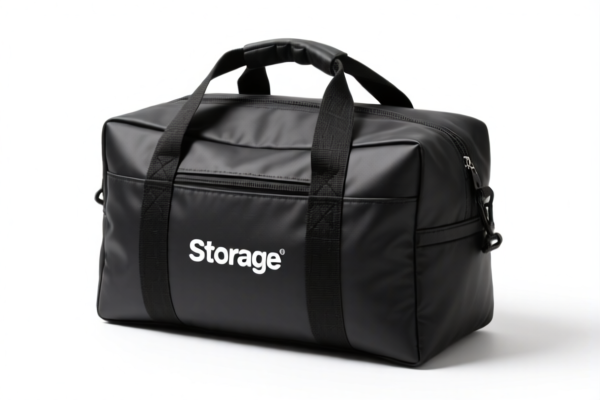
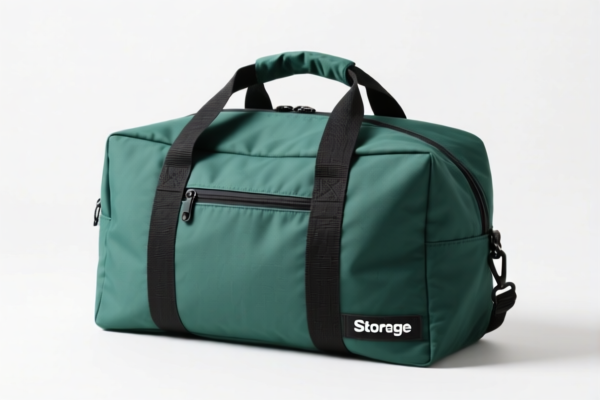
AI Analysis
🍬 Sugar Bag Storage Box (Sweet Tooth’s Best Friend)
🌐 HS Code Reference & Customs Clearance Guide | 2026 Latest Tariff Analysis | Professional Clearance Strategy
📌 1. Product Definition & Classification: Do You Really Know What a "Sugar Bag Storage Box" Is?
A sugar bag storage box is a small household or kitchen accessory designed to organize and store individual sugar packets. In international trade, its classification depends heavily on the material and intended use. It generally falls into two categories:
Metal/Tabletop Accessories: Made of iron, steel, or other metals, often featuring a non-slip base or decorative design. Classified as "Tableware or Kitchen Utensils of base metal." Ceramic/Plastic Tableware: Made of ceramic, porcelain, or hard plastic. Classified as "Ceramic Tableware" or other plastic articles.
⚠️ Key Distinction Point:
- If made of metal (iron/steel) → Classified under Chapter 73 (Base Metal Articles).
- If made of ceramic/porcelain → Classified under Chapter 69 (Ceramic Products).
- If made of plastic (and not specifically listed elsewhere) → Might fall under Chapter 39, but often grouped with ceramic/tableware if similar in function/form (Note: Data provided suggests specific ceramic/plastic codes).
📦 2. HS Code Classification Details (2026 Latest Tariff Authority Comparison)
Based on the provided data, here are the specific HS codes for sugar bag storage boxes:
| HS Code | Product Description | Applicable Scenario | Material |
|---|---|---|---|
7323.99.90.30 |
Sugar bag holder, considered a tabletop item for sugar bag storage, matching the characteristics of kitchen or tabletop accessories. | Kitchen countertop, dining table metal storage | Iron/Steel/Metal |
7323.99.90.80 |
Household item storage base, possibly made of iron or steel, fitting the rules for spare parts/accessories. | General household storage, metal frame | Iron/Steel/Metal |
6911.10.41.00 |
Candy/sugar storage tool, possibly made of ceramic or plastic, matching the classification of tableware and kitchen utensils. | Kitchen use, ceramic/plastic storage | Ceramic/Plastic |
6911.10.80.10 |
Porcelain or ceramic household product, usage fits auxiliary scenarios related to food contact. | High-end ceramic storage, porcelain finish | Ceramic/Porcelain |
🔍 Important Reminder:
- Metal vs. Ceramic: The material is the primary classifier. Metal items go to 7323, while ceramic items go to 6911.
- Usage Context: Even if used for sugar, if it's a simple metal grid, it’s Chapter 73. If it’s a decorative ceramic cup, it’s Chapter 69.
💰 3. 2026 Latest Tariff Rate Breakdown (Including Surtaxes & Policy Add-ons)
✅ Applicable Country: United States (US)
✅ Origin: China (CN)
✅ Effective Date: Current (Includes subsequent imports)
🎯 1. 7323.99.90.30 & 7323.99.90.80 —— Metal Sugar Bag Holders (Iron/Steel)
| Item | Content |
|---|---|
| Basic Tariff | 3.4% (ad valorem) |
| Section 301 Surcharge | +25.0% |
| Section 122 Surcharge | +10.0% |
| Steel/Aluminum/Copper Surcharge | +50.0% |
| Total Tariff Rate | 88.4% |
| Tax Calculation | CIF Value × 88.4% |
| De Minimis Exemption | ❌ Not Eligible (High tariff items often excluded or subject to strict scrutiny) |
| Legal Basis Path | HTSUS:7323.99.90 → Section 301: Footnote 9903.88.01 → Section 122 → Steel Surcharge |
📌 Explanation:
- "Basic 3.4%": Standard MFN rate for "Other table, kitchen, or other household articles and parts thereof, of base metal."
- "Section 301 25%": Standard punitive tariff on many Chinese goods.
- "Section 122 10%": Additional tariff on specific steel/aluminum/copper articles.
- "Steel Surcharge 50%": Specific additional duty for steel products.
- Total: 3.4 + 25 + 10 + 50 = 88.4%. This is an extremely high tariff rate.
🎯 2. 6911.10.41.00 —— Ceramic/Plastic Sugar Bag Holder (Tableware Type)
| Item | Content |
|---|---|
| Basic Tariff | 6.3% (ad valorem) |
| Section 301 Surcharge | 0.0% |
| Section 122 Surcharge | 10.0% |
| Steel/Aluminum/Copper Surcharge | N/A |
| Total Tariff Rate | 16.3% |
| Tax Calculation | CIF Value × 16.3% |
| De Minimis Exemption | ❌ Not Eligible (Typically, Section 122 items are subject to duties) |
| Legal Basis Path | HTSUS:6911.10.41 → Section 122: 10% |
📌 Note:
- "Basic 6.3%": Rate for "Ceramic tableware and kitchenware."
- "No Section 301": Some ceramic items may be exempt from the 25% Section 301 tariff depending on specific exclusions (Note: Data indicates 0.0% here).
- "Section 122 10%": Some ceramic kitchenware may still be subject to this specific surcharge.
- Total: 6.3 + 10 = 16.3%. This is a much more favorable rate compared to metal.
🎯 3. 6911.10.80.10 —— Ceramic/Porcelain Sugar Bag Holder (Food Contact Auxiliary)
| Item | Content |
|---|---|
| Basic Tariff | 20.8% (ad valorem) |
| Section 301 Surcharge | 7.5% |
| Section 122 Surcharge | 10.0% |
| Steel/Aluminum/Copper Surcharge | N/A |
| Total Tariff Rate | 38.3% |
| Tax Calculation | CIF Value × 38.3% |
| De Minimis Exemption | ❌ Not Eligible |
| Legal Basis Path | HTSUS:6911.10.80 → Section 301: 7.5% → Section 122: 10% |
📌 Note:
- "Basic 20.8%": Higher base rate for "Other ceramic tableware."
- "Section 301 7.5%": Partial surcharge applies.
- "Section 122 10%": Additional surcharge.
- Total: 20.8 + 7.5 + 10 = 38.3%. Moderate to high rate.
🛠️ 4. Customs Clearance Practical Advice (Real-World Pitfall Avoidance Guide)
✅ 1. Preparation Checklist (Must-Haves)
| Document | Required | Description |
|---|---|---|
| ✅ Product Specifications | ✔️ | Material, dimensions, weight, capacity |
| ✅ Material Declaration | ✔️ | Clearly state "100% Ceramic" or "Stainless Steel" |
| ✅ Product Photos | ✔️ | Show the product, base, and any packaging |
| ✅ Commercial Invoice | ✔️ | Accurate description: "Ceramic Sugar Container" or "Metal Sugar Packet Holder" |
| ✅ Packing List | ✔️ | Quantity, net/gross weight |
| ✅ FDA Compliance (If applicable) | ✔️ | If claiming food contact, ensure FDA compliance for ceramics/metals |
✅ 2. Declaration Tips (Key Mantra)
🔥 "Material Matters! Metal Pays More, Ceramic Saves the Day!"
| Scenario | Correct Declaration | Incorrect Practice |
|---|---|---|
| Metal Holder (Iron/Steel) | 7323.99.90.30 or 7323.99.90.80 |
Misdeclare as ceramic → Severe Penalty & Back Taxes |
| Ceramic Holder | 6911.10.41.00 or 6911.10.80.10 |
Misdeclare as metal → Higher Tariff (88.4%) |
| Plastic Holder | Verify if it fits 6911.10.41.00 (Data suggests this) |
Misdeclare as "General Plastic" → Potential Misclassification |
| Mixed Materials | Declare primary material | Claiming "Mixed" without clarity → Delays |
✅ 3. Special Circumstances
| Situation | Handling Advice |
|---|---|
| OEM Custom Metal Holder | Ensure material composition is declared accurately. If it’s "Stainless Steel," the 50% steel surcharge likely applies. |
| Ceramic with Metal Parts | If >50% by weight is ceramic, it may still be classified under Chapter 69, but consult a specialist. |
| Food Contact Claim | If marketing as "Food Safe," ensure materials comply with FDA standards. Failure to comply can lead to refusal of entry. |
| Small Samples (< $800) | Check if de minimis applies. However, given the high tariffs (especially 88.4%), many high-duty items may still be scrutinized. |
🌍 5. Global Market Comparison (2026 Latest)
| Country/Region | Recommended HS Code | Tariff Rate (China Origin) | Certification | Notes |
|---|---|---|---|---|
| 🇺🇸 USA | 6911.10.41.00 (Ceramic) |
16.3% | FDA | Lowest Tariff Option |
| 🇺🇸 USA | 7323.99.90.30 (Metal) |
88.4% | None | Extremely High Tariff |
| 🇨🇳 China | 7323.99.90 |
~5-10% | CCC | No surtaxes |
| 🇪🇺 EU | 6911.10 |
~5-9% | CE | No Section 301/122 |
| 🇯🇵 Japan | 6911.10 |
~5-10% | PSE | No surtaxes |
📌 Conclusion:
- Material Selection is Critical: For US exports, Ceramic (6911.10.41.00) is significantly cheaper (16.3%) than Metal (7323.99.90.30, 88.4%).
- Avoid Metal if Possible: Unless the product design absolutely requires metal, consider ceramic or plastic alternatives to save ~72% in tariffs.
📌 6. Common Mistakes & Pitfall Guide (Blood & Tears Lessons)
❌ Mistake 1: Declaring a Metal Holder as "Ceramic" to avoid tariffs
👉 Consequence: Customs inspection will reveal the material → Seizure, Fines, and Back Taxes + Interest!
❌ Mistake 2: Ignoring the "Section 122" surcharge for ceramics
👉 Consequence: Underpaying by 10% → Audit and Penalties!
❌ Mistake 3: Not specifying "Food Contact" status
👉 Consequence: FDA may detain the shipment if safety compliance is not documented → Delivery Delays!
✅ Correct Approach:
"Ceramic Sugar Packet Holder, Food Grade, White Glaze, 10 Pack, Model XYZ, FDA Compliant"
🎯 7. Conclusion: Smart Classification, Maximize Profit!
🎯 Remember the Mantra:
🔹 "Metal is Expensive (88.4%), Ceramic is Smart (16.3%)!"
🔹 "Check the Material, Save the Money, Declare Accurately!"
📌 Pro Tip:
If you are a manufacturer, consider shifting production to ceramic or plastic for the US market to avoid the 88.4% metal tariff.
If you must import metal, consult a customs broker for potential exemptions or advanced rulings.
📣 Take Action Now:
📞 Contact a licensed customs broker + Provide Material Samples + Apply for Pre-Classification Ruling
🚀 Let your sugar boxes clear smoothly, keep your profits, and expand your market!
✨ Professional Clearance Starts with Accurate Classification!
💼 Every Cent Saved is a Cent Earned!
Customer Reviews
About HS Code Classification
The Harmonized System (HS) is an internationally standardized nomenclature developed by the World Customs Organization (WCO) to classify traded products. Over 200 countries use the HS system as the basis for customs tariffs, trade statistics, and import/export regulations.
Each HS code follows a hierarchical structure:
- Chapter (2 digits) — Broad category of goods (e.g., Chapter 84: Machinery and Mechanical Appliances)
- Heading (4 digits) — More specific grouping within the chapter
- Subheading (6 digits) — Internationally standardized breakdown, used by all WCO member countries
- National subdivisions (8-10 digits) — Country-specific extensions for further classification, such as US HTSUS 10-digit codes
Correct HS code classification is essential for smooth customs clearance, accurate duty payment, and compliance with trade regulations. Misclassification can lead to customs delays, overpayment of duties, or penalties.
When importing from CN to US, the applicable tariff rates may include:
- Most-Favored-Nation (MFN) rate — The standard duty rate applied to WTO members
- General rate — Applied to countries without trade agreements
- Trade remedy duties — Additional tariffs such as Section 301 (anti-dumping), Section 232 (national security), or countervailing duties
The information provided on this page is for reference purposes only. For official classification, please consult with your local customs authority or a licensed customs broker.