Sugar Coffee Tea Storage Jar
CN → US| HS Code | Tariff Rate | Origin | Destination | Doc |
|---|---|---|---|---|
| 3924104000 | 13.4% | CN | US | Official Doc |
| 3924905650 | 20.9% | CN | US | Official Doc |
| 7310290065 | 85.0% | CN | US | Official Doc |
| 6912005000 | 16.0% | CN | US | Official Doc |
| 6912004890 | 19.8% | CN | US | Official Doc |
Product Images
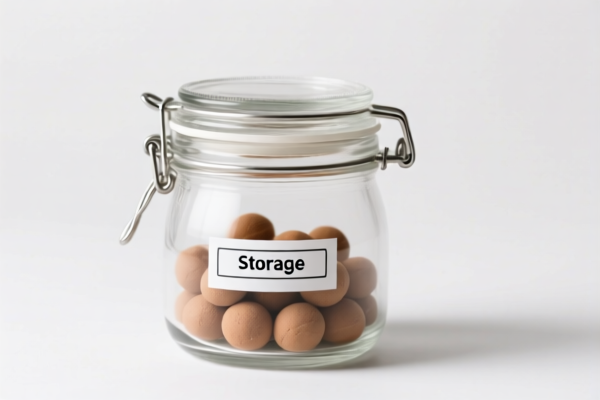
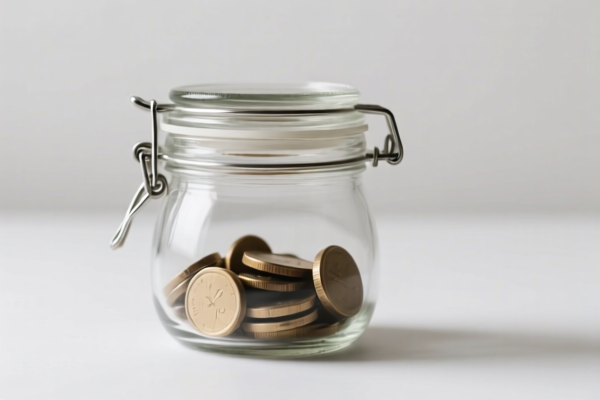
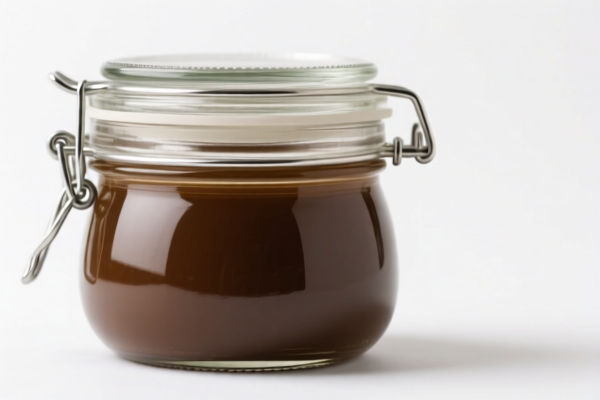
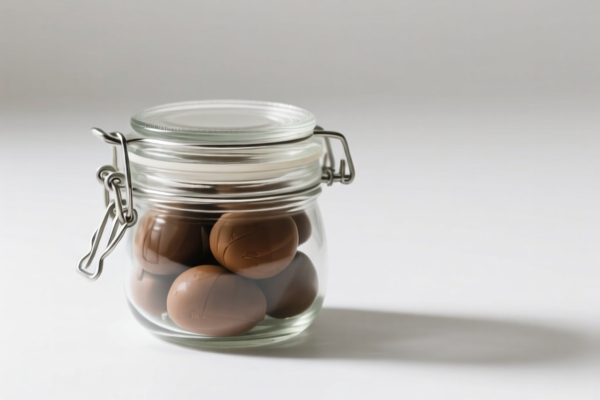
AI Analysis
🍯 Sugar, Coffee & Tea Storage Jars (Kitchenware)
🌐 HS Code Reference & Clearance Guide | 2026 Latest Tariff Analysis | Professional Customs Strategy
📌 I. Product Definition & Classification: What Exactly Are We Shipping?
Storage jars for sugar, coffee, and tea are common household items used for food preservation. In international trade, they are categorized primarily by material. The material determines the Harmonized System (HS) code, which directly dictates the tariff structure, especially under current US-China trade policies.
Key Material Categories: 1. Plastic Containers: Lightweight, durable, often used for dry goods. 2. Ceramic/Porcelain Containers: Traditional, fragile, often glazed. 3. Metal Containers (Steel/Iron): Durable, often vacuum-sealed or lined.
⚠️ Critical Distinction:
- If the item is Plastic → Look at HS Code3924...
- If the item is Ceramic → Look at HS Code6912...
- If the item is Metal (Steel/Iron) → Look at HS Code7310...
Misclassification here leads to massive tariff discrepancies (e.g., 13.4% vs. 85.0%).
📦 II. HS Code Classification Matrix (2026 Latest Data)
| HS Code | Product Description | Material | Typical Use Case | Base Duty |
|--------|--------------------------|-------------------------|
| 3924.10.40.00 | Tableware & Kitchenware of Plastic | Plastic | Plastic sugar/tea canisters | 3.4% |
| 3924.90.56.50 | Other Plastic Household Articles | Plastic | Plastic jars not classified as tableware | 3.4% |
| 6912.00.50.00 | Ceramic Tableware/Kitchenware | Ceramic | Glazed ceramic tea/sugar jars | 6.0% |
| 6912.00.48.90 | Other Ceramic Tableware/Kitchenware | Ceramic | Unglazed or specialized ceramic ware | 9.8% |
| 7310.29.00.65 | Iron/Steel Containers (<50L) | Metal (Steel/Iron) | Metal tins, steel tea canisters | 0.0% |
🔍 Important Note:
- Plastic items generally fall under Chapter 39.
- Ceramic items fall under Chapter 69.
- Metal containers fall under Chapter 73.
- Always verify if the item is considered "Tableware" (direct food contact) or "General Household Use" for plastic items, as this affects the sub-heading.
💰 III. 2026 Tariff Rate Breakdown (Detailed Tax Analysis)
✅ Target Market: United States (US)
✅ Origin: China (CN)
✅ Context: Includes Base Duty + Section 301 (25% on many items) + Section 122 (10% on all Chinese imports) + Specific Add-ons.
🎯 1. Plastic Containers (3924.10.40.00 & 3924.90.56.50)
A. HS Code 3924.10.40.00 (Plastic Tableware/Kitchenware)
| Item | Details |
|---|---|
| Base Duty | 3.4% |
| Section 301 Duty | 0.0% (Exempt from the 25% steel/aluminum/industrial surcharge) |
| Section 122 Duty | 10.0% (10% tariff on all Chinese goods) |
| Total Tariff Rate | 13.4% |
| Legal Basis | Base Tariff + Section 122 (EO 14081) |
📌 Explanation:
- This is the most favorable category for plastic jars.
- It avoids the 25% Section 301 tariff because it is consumer plastic, not industrial steel/aluminum.
- Total Cost: Base (3.4%) + Section 122 (10%) = 13.4%.
B. HS Code 3924.90.56.50 (Other Plastic Household Items)
| Item | Details |
|---|---|
| Base Duty | 3.4% |
| Section 301 Duty | 7.5% (Partial surcharge applied) |
| Section 122 Duty | 10.0% |
| Total Tariff Rate | 20.9% |
| Legal Basis | Base Tariff + Section 301 (Partial) + Section 122 |
📌 Explanation:
- If classified under "Other" rather than "Tableware," a 7.5% surcharge may apply.
- Total Cost: Base (3.4%) + Surcharge (7.5%) + Section 122 (10%) = 20.9%.
🎯 2. Ceramic Containers (6912.00.50.00 & 6912.00.48.90)
A. HS Code 6912.00.50.00 (Ceramic Tableware)
| Item | Details |
|---|---|
| Base Duty | 6.0% |
| Section 301 Duty | 0.0% |
| Section 122 Duty | 10.0% |
| Total Tariff Rate | 16.0% |
| Legal Basis | Base Tariff + Section 122 |
📌 Explanation:
- Ceramic tableware generally does not attract Section 301 tariffs.
- Total Cost: Base (6.0%) + Section 122 (10%) = 16.0%.
B. HS Code 6912.00.48.90 (Other Ceramic Tableware)
| Item | Details |
|---|---|
| Base Duty | 9.8% |
| Section 301 Duty | 0.0% |
| Section 122 Duty | 10.0% |
| Total Tariff Rate | 19.8% |
| Legal Basis | Base Tariff + Section 122 |
📌 Explanation:
- Slightly higher base rate for non-standard ceramic ware.
- Total Cost: Base (9.8%) + Section 122 (10%) = 19.8%.
🎯 3. Metal/Steel Containers (7310.29.00.65)
A. HS Code 7310.29.00.65 (Iron/Steel Containers <50L)
| Item | Details |
|---|---|
| Base Duty | 0.0% |
| Section 301 Duty | 25.0% (Standard Section 301 on steel/metal goods) |
| Section 122 Duty | 10.0% |
| Steel/Aluminum/Copper Surcharge | 50.0% (Additional tariff for steel/aluminum products) |
| Total Tariff Rate | 85.0% |
| Legal Basis | Base Tariff + Section 301 + Section 122 + Steel Surcharge |
📌 Explanation:
- ⚠️ HIGHEST TARIFF CATEGORY.
- Metal containers are subject to the full 25% Section 301 tariff PLUS a specific 50% surcharge for steel/aluminum products.
- Total Cost: 0% (Base) + 25% (301) + 10% (122) + 50% (Steel Surcharge) = 85.0%.
- Recommendation: Avoid shipping metal jars from China if possible due to prohibitive costs.
🛠️ IV. Customs Clearance Practical Advice
✅ 1. Material Verification is Key
- Do not assume a jar is "Plastic" just because it looks like it. Check the bottom marking (e.g., PET, PP, ABS).
- Ceramic jars must be clearly declared as "Ceramic" or "Porcelain." If declared as "Glass," it may trigger different duties and breakage claims.
- Metal jars must specify "Steel" or "Iron." Aluminum has different sub-codes but similar high tariffs.
✅ 2. Declaration Best Practices
| Scenario | Correct Declaration | Incorrect Declaration | Risk |
|---|---|---|---|
| Plastic Jar | "Plastic Tableware, PP Material" | "Plastic Container" (Too vague) | Customs may reclassify → Higher duty |
| Ceramic Jar | "Ceramic Tea Canister" | "Household Item" | Reinspection delay |
| Metal Jar | "Steel Food Storage Tin" | "Metal Box" | May miss 50% steel surcharge alert |
✅ 3. Documentation Requirements
- Material Certificate: For plastic jars, provide a material composition sheet (e.g., FDA compliance for plastic).
- Product Photos: Clear images showing the material texture (glaze for ceramic, seam for metal).
- Commercial Invoice: Clearly state "Sugar/Tea/Coffee Storage Jar" and specify material.
✅ 4. Cost Optimization Strategy
- Priority: Choose Plastic (
3924.10.40.00) or Ceramic (6912.00.50.00) to keep tariffs under 16-20%. - Avoid: Metal (
7310.29.00.65) unless the product margin is very high, as the 85% tariff will likely erase profits. - Packaging: Ensure jars are packed to prevent breakage (ceramic) or denting (metal), as damaged goods may be subject to additional fines or return costs.
🌍 V. Global Market Comparison (2026)
| Market | Recommended HS Code | Est. Total Duty (China Origin) | Notes |
|---|---|---|---|
| 🇺🇸 USA | 3924.10.40.00 (Plastic) |
13.4% | Best option for plastic. |
| 🇺🇸 USA | 7310.29.00.65 (Metal) |
85.0% | Avoid unless necessary. |
| 🇪🇺 EU | Varies by Material | ~5-7% | No Section 122. Lower duties generally. |
| 🇨🇳 China | Varies by Material | ~5-10% | Import duties for re-export. |
📌 Conclusion:
For US imports, Plastic and Ceramic storage jars are the most cost-effective. Metal jars are heavily penalized due to the 50% steel surcharge.
📌 VI. Common Mistakes & Pitfalls
❌ Mistake 1: Declaring a Steel Jar as "Plastic" to avoid tariffs.
👉 Consequence: Customs inspection will reveal the material, leading to fraud charges, seizure, and back-taxes.
❌ Mistake 2: Ignoring the Section 122 Tariff (10%).
👉 Consequence: Under-declaring costs. This tariff applies to all Chinese goods, not just specific categories.
❌ Mistake 3: Misclassifying Ceramic as "Glass" or "Plastic."
👉 Consequence: Wrong HS code → Wrong duty rate → Delayed clearance + penalties.
✅ Correct Action:
"Clearly specify material in the invoice and packing list. Use HS Code
3924.10.40.00for plastic,6912.00.50.00for ceramic, and avoid7310...for China-origin metal goods."
🎯 VII. Final Summary & Recommendations
🎯 Key Takeaway:
🔹 Plastic Jars: ~13.4% Duty (Best Option)
🔹 Ceramic Jars: ~16.0% Duty (Good Option)
🔹 Metal Jars: ~85.0% Duty (Avoid)
🚀 Action Plan:
1. Select Material: Prioritize Plastic or Ceramic for US exports.
2. Verify HS Code: Use 3924.10.40.00 (Plastic) or 6912.00.50.00 (Ceramic).
3. Document: Include material composition and product photos.
4. Calculate: Budget for ~13-16% total duty + shipping.
✨ Professional Clearance, Start with Accurate Classification!
💼 Every Percentage Point Counts in Your Profit Margin!
Customer Reviews
About HS Code Classification
The Harmonized System (HS) is an internationally standardized nomenclature developed by the World Customs Organization (WCO) to classify traded products. Over 200 countries use the HS system as the basis for customs tariffs, trade statistics, and import/export regulations.
Each HS code follows a hierarchical structure:
- Chapter (2 digits) — Broad category of goods (e.g., Chapter 84: Machinery and Mechanical Appliances)
- Heading (4 digits) — More specific grouping within the chapter
- Subheading (6 digits) — Internationally standardized breakdown, used by all WCO member countries
- National subdivisions (8-10 digits) — Country-specific extensions for further classification, such as US HTSUS 10-digit codes
Correct HS code classification is essential for smooth customs clearance, accurate duty payment, and compliance with trade regulations. Misclassification can lead to customs delays, overpayment of duties, or penalties.
When importing from CN to US, the applicable tariff rates may include:
- Most-Favored-Nation (MFN) rate — The standard duty rate applied to WTO members
- General rate — Applied to countries without trade agreements
- Trade remedy duties — Additional tariffs such as Section 301 (anti-dumping), Section 232 (national security), or countervailing duties
The information provided on this page is for reference purposes only. For official classification, please consult with your local customs authority or a licensed customs broker.