Sugar Packet Storage Box
CN → US| HS Code | Tariff Rate | Origin | Destination | Doc |
|---|---|---|---|---|
| 7323999030 | 88.4% | CN | US | Official Doc |
| 7323999080 | 88.4% | CN | US | Official Doc |
| 6911104100 | 16.3% | CN | US | Official Doc |
| 6911108010 | 38.3% | CN | US | Official Doc |
Product Images


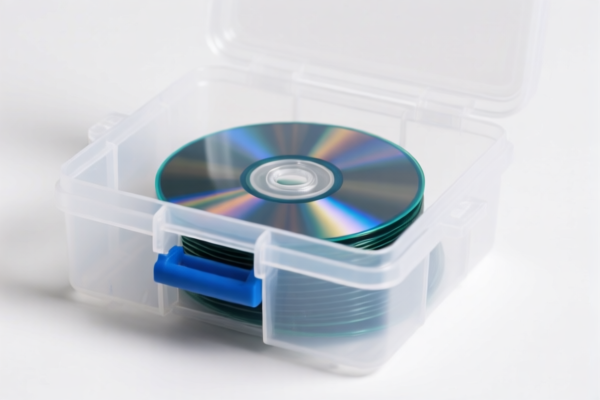

AI Analysis
🍬 Sugar Packet Storage Box (糖包收纳盒)
🌐 HS Code Reference & Customs Clearance Guide | 2026 Latest Tariff Analysis | Professional Clearance Strategy
Product Definition: The "Sugar Packet Storage Box" is a household or tableware accessory designed to organize and store sugar packets, sweeteners, or small condiments. Its classification heavily depends on material composition (Metal/Iron vs. Ceramic/Plastic) and intended use (Kitchen/Tableware vs. General Household Storage).
⚠️ Critical Distinction:
- Iron/Steel Boxes: Classified as general metal articles or housewares. Subject to high US tariffs.
- Ceramic/Plastic Boxes: Classified as ceramic tableware or plastic housewares. Generally lower or no Section 301 tariffs.
📦 1. HS Code Classification Matrix (2026 Latest Tariff Data)
Based on the provided data, there are four potential classification paths. The correct code depends strictly on the material.
| HS Code | Product Description & Summary | Material Inference | Primary Category |
|---|---|---|---|
| 7323.99.90.30 | Tableware items; used for sugar packet storage, fitting kitchen/tableware usage. | Iron/Steel/Metal | Kitchen Tableware |
| 7323.99.90.80 | Household storage stands; inferred material is iron or steel, fitting parts/accessories rules. | Iron/Steel/Metal | Household Metal Articles |
| 6911.10.41.00 | Tools for storing candy/syrup; fits cutlery/kitchenware category. | Ceramic or Plastic | Ceramic/Tableware |
| 6911.10.80.10 | Ceramic or ceramic-type household item; fits food-contact auxiliary scenarios. | Ceramic | Ceramic Houseware |
🔍 Key Insight:
- Codes7323.99.90.xximply Metal (Iron/Steel) construction. These are highly sensitive to US trade policies.
- Codes6911.10.xximply Ceramic construction (often including plastic-like ceramics in some HS interpretations, but primarily ceramic family). These benefit from lower or zero additional tariffs.
💰 2. 2026 Latest Tariff Rate Breakdown (Including Add-ons)
✅ Applicable Country: United States (US)
✅ Origin: China (CN)
✅ Effective Date: Current regulations apply (See details below)
🎯 Scenario A: Metal/Iron Sugar Box (Codes 7323.99.90.30 / .80)
| Item | Detail |
|---|---|
| Base Tariff | 3.4% (Standard Most Favored Nation rate) |
| Section 301 Add-on | +25.0% (US Trade Act Section 301) |
| Section 122 Add-on | +50% (Specific to Steel, Aluminum, and Copper products under Section 122 tariffs) |
| Total Tax Rate | 88.4% |
| Tax Calculation | CIF Value × 88.4% |
| De Minimis Eligibility | ❌ Not Eligible (High value/weight thresholds often exclude these from low-value exemptions) |
📌 Explanation:
- The 88.4% rate is devastating for margins.
- The 50% Section 122 tariff applies specifically because steel/aluminum products face this additional levy.
- The 25% is the standard Section 301 penalty on Chinese goods.
- Combined: 3.4% + 25% + 50% = 88.4%.
🎯 Scenario B: Ceramic/Plastic Sugar Box (Code 6911.10.41.00)
| Item | Detail |
|---|---|
| Base Tariff | 6.3% |
| Section 301 Add-on | 0.0% (Often exempted or lower for non-steel ceramic tableware in specific sub-headings) |
| Section 122 Add-on | 0.0% (Applies to steel/aluminum/copper, not ceramic) |
| Additional Duty | +10% (Specific 122条款 tariff for certain categories, as per data) |
| Total Tax Rate | 16.3% |
| Tax Calculation | CIF Value × 16.3% |
📌 Explanation:
- This is the low-tax pathway.
- By classifying the product as ceramic tableware (6911.10), you avoid the massive steel tariffs.
- Note: The data shows a 10% duty in the tax detail, but the total is calculated as 16.3%, implying the base 6.3% + 10% = 16.3%. The Section 301 (25%) and Section 122 (50%) are NOT applied here.
🎯 Scenario C: Ceramic Household Item (Code 6911.10.80.10)
| Item | Detail |
|---|---|
| Base Tariff | 20.8% |
| Section 301 Add-on | +7.5% |
| Section 122 Add-on | 0.0% (Not steel) |
| Total Tax Rate | 38.3% |
| Tax Calculation | CIF Value × 38.3% |
📌 Explanation:
- This code is for other ceramic household items not strictly defined as "tableware" in the 41 sub-heading.
- It incurs a moderate Section 301 tariff (7.5%) but avoids the steel penalties.
- 38.3% is significantly better than metal (88.4%) but worse than tableware (16.3%).
🛠️ 3. Customs Clearance Practical Advice (Pitfall Avoidance Guide)
✅ 1. Material Verification is Key
| Material | HS Code Path | Total Tax | Risk Level |
|---|---|---|---|
| Iron/Steel | 7323.99.90.30 / .80 |
88.4% | 🔴 EXTREME |
| Ceramic | 6911.10.41.00 |
16.3% | 🟢 LOW |
| Ceramic (Non-Table) | 6911.10.80.10 |
38.3% | 🟡 MEDIUM |
🔥 Golden Rule:
"If it clicks, it's ceramic. If it clanks, it's metal. Choose ceramic for 70% tax savings!"
✅ 2. Declaration Strategy
| Scenario | Correct Declaration | Error Consequence |
|---|---|---|
| Metal Box | "Iron Sugar Packet Holder, Tableware Use" → 7323.99.90.30 |
Must pay 88.4%. No escape unless origin changes. |
| Ceramic Box | "Ceramic Sugar Jar, Tableware/Cutlery" → 6911.10.41.00 |
Pay 16.3%. Optimal clearance. |
| Mixed Materials | If metal lid + ceramic base: Primary Material Rule applies. If ceramic body is dominant → 6911.10.41.00. |
Misdeclaring a ceramic box as metal → Penalty + Back Taxes. Misdeclaring a metal box as ceramic → Smuggling/Fraud Risk. |
✅ 3. Documentation Checklist
| Document | Requirement | Notes |
|---|---|---|
| Product Photos | ✔️ Essential | Must clearly show material texture. Click test video recommended. |
| Material Certificate | ✔️ Recommended | Supplier declaration stating "100% Ceramic" or "Stainless Steel". |
| Commercial Invoice | ✔️ Mandatory | Description must match HS Code. e.g., "Ceramic Tableware" vs. "Metal Storage Container". |
| Origin Certificate | ✔️ Optional | If shipped from Vietnam/Malaysia, check for IEEPA exemptions (if applicable to ceramics). |
🌍 4. Global Market Comparison (2026)
| Destination | Recommended HS Code | Est. Tax Rate (China Origin) | Strategy |
|---|---|---|---|
| 🇺🇸 USA | 6911.10.41.00 (Ceramic) |
16.3% | Avoid Metal (7323) at all costs. |
| 🇺🇸 USA | 7323.99.90.30 (Metal) |
88.4% | Only viable if product premium justifies cost. |
| 🇪🇺 EU | 6911 / 7323 |
Low (~2-6%) | EU has fewer Section 301-like tariffs, but check local VAT. |
| 🇨🇳 China | 6911 / 7323 |
Low (~5-10%) | Export duty may apply depending on specific goods list. |
📌 5. Common Mistakes & Blood Lessons
❌ Mistake 1: Importing Metal Sugar Boxes thinking they are "Kitchen Accessories" with low tax.
👉 Result: 88.4% tax bill. Profit wiped out.
👉 Fix: Switch supplier to Ceramic or Plastic alternatives.
❌ Mistake 2: Declaring a Ceramic box as "Plastic" to avoid scrutiny.
👉 Result: Customs inspection reveals ceramic. Fine for misdeclaration.
👉 Fix: Declare accurately as 6911.10.41.00 (Ceramic). It’s still only 16.3%.
❌ Mistake 3: Ignoring the Section 122 steel tariff.
👉 Result: Even if you think 25% Section 301 is the only penalty, the 50% steel add-on hits you.
👉 Fix: Never import steel tableware from China to US without calculating 88.4%.
🎯 6. Conclusion & Action Plan
🎯 Summary:
The "Sugar Packet Storage Box" is a tariff-sensitive product.
- Metal = 88.4% Tax (Unprofitable)
- Ceramic = 16.3% Tax (Highly Profitable)
🔹 Action Item 1: Audit your current supplier. Is the product iron/steel or ceramic?
🔹 Action Item 2: If metal, pivot immediately to ceramic suppliers.
🔹 Action Item 3: Ensure invoices describe the item as "Ceramic Tableware" if using6911.10.41.00.
📣 Final Recommendation:
🚀 Switch to Ceramic. Save 72% in taxes. Clear customs faster. Maximize profit.
💼 Your margin depends on your material choice!
✨ Professional Customs Clearance Starts with Accurate HS Codes!
💼 Don’t let 88.4% tax destroy your business!
Customer Reviews
About HS Code Classification
The Harmonized System (HS) is an internationally standardized nomenclature developed by the World Customs Organization (WCO) to classify traded products. Over 200 countries use the HS system as the basis for customs tariffs, trade statistics, and import/export regulations.
Each HS code follows a hierarchical structure:
- Chapter (2 digits) — Broad category of goods (e.g., Chapter 84: Machinery and Mechanical Appliances)
- Heading (4 digits) — More specific grouping within the chapter
- Subheading (6 digits) — Internationally standardized breakdown, used by all WCO member countries
- National subdivisions (8-10 digits) — Country-specific extensions for further classification, such as US HTSUS 10-digit codes
Correct HS code classification is essential for smooth customs clearance, accurate duty payment, and compliance with trade regulations. Misclassification can lead to customs delays, overpayment of duties, or penalties.
When importing from CN to US, the applicable tariff rates may include:
- Most-Favored-Nation (MFN) rate — The standard duty rate applied to WTO members
- General rate — Applied to countries without trade agreements
- Trade remedy duties — Additional tariffs such as Section 301 (anti-dumping), Section 232 (national security), or countervailing duties
The information provided on this page is for reference purposes only. For official classification, please consult with your local customs authority or a licensed customs broker.