Sugarcane Juicer
CN → US| HS Code | Tariff Rate | Origin | Destination | Doc |
|---|---|---|---|---|
| 8438600000 | 35.0% | CN | US | Official Doc |
| 8438800000 | 35.0% | CN | US | Official Doc |
| 8509400030 | 14.2% | CN | US | Official Doc |
| 8509400015 | 14.2% | CN | US | Official Doc |
| 8438600000 | 35.0% | CN | US | Official Doc |
Product Images
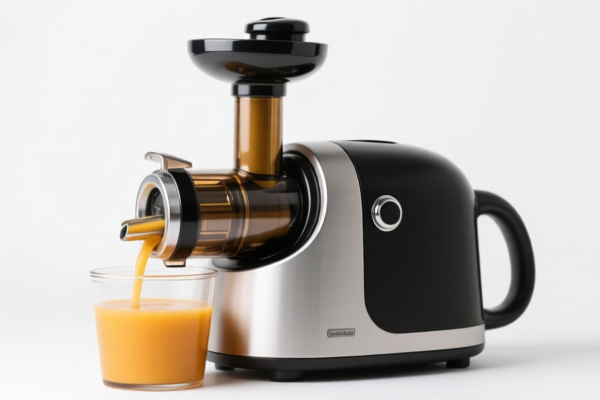
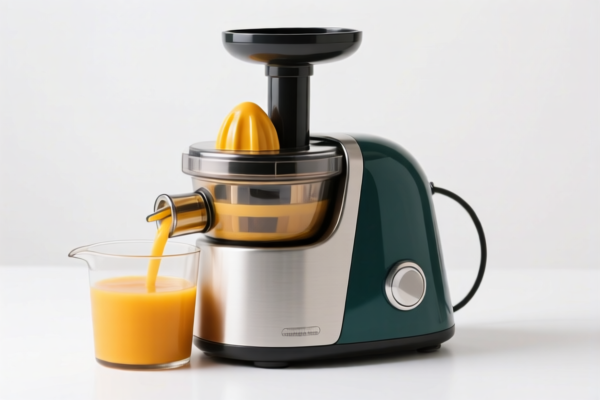
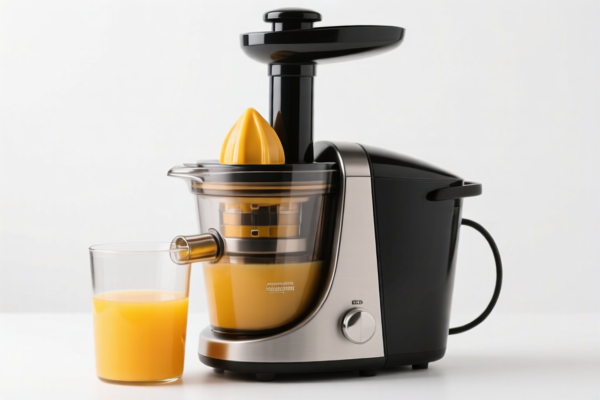
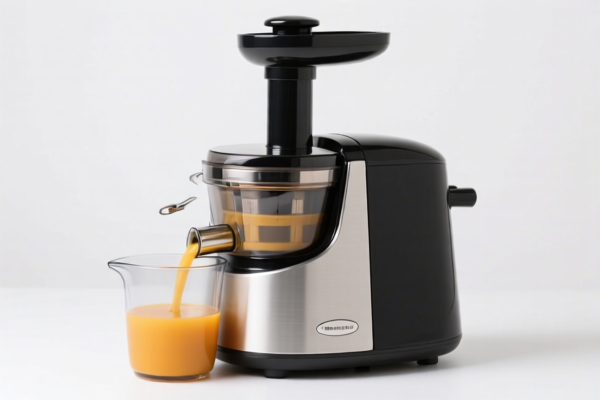
AI Analysis
🥤 Sugarcane Juicer (Industrial & Home Use)
🌐 HS Code Reference & Customs Clearance Guide | 2026 Latest Tariff Analysis | Professional Clearance Strategy
📌 I. Product Definition & Classification: Do You Really Understand "Sugarcane Juicer"?
The Sugarcane Juicer is a specialized mechanical device designed to extract juice from sugarcane stalks. In international trade, its classification depends heavily on its intended use and mechanism:
Industrial/Commercial Sugarcane Presses: Heavy-duty machines used in food processing plants, juice bars, or street food stalls. These are often categorized under machinery for preparing fruits, nuts, or vegetables (Chapter 84).
Home Electric Juicers: Smaller, countertop devices intended for household use. These are typically classified under electro-mechanical household appliances (Chapter 85).
⚠️ Key Distinction:
- If the machine is industrial-grade, large, or explicitly designed for food processing lines → Classified under 8438 (Machinery for preparing food/drink).
- If the machine is small-scale, electric, and intended for household use (even if used for sugarcane) → Classified under 8509 (Electro-mechanical domestic appliances).
📦 II. HS Code Classification Details (2026 Latest Tariff Authority Comparison)
Based on the provided data, here are the precise HS Codes and their corresponding tax implications:
| HS Code | Product Description | Applicable Scenario | Tax Rate (Total) | Key Tax Components |
|---|---|---|---|---|
8438.60.00.00 |
Machinery for preparing fruits, nuts, or vegetables; includes sugarcane juice extraction machines | Commercial/Industrial sugarcane presses; general fruit/veg prep machinery | 35.0% | Base: 0%, Section 301: 25%, Section 122: 10% |
8438.80.00.00 |
Machinery for the industrial preparation or manufacture of food or beverages | Large-scale industrial sugarcane processing lines | 35.0% | Base: 0%, Section 301: 25%, Section 122: 10% |
8509.40.00.30 |
Fruit or vegetable juice extractors (Purpose identical to sugarcane juicer) | Medium-scale or specialized juice extractors not strictly "home use" but electric/mechanical | 14.2% | Base: 4.2%, Section 301: 0%, Section 122: 10% |
8509.40.00.15 |
Household appliances under the category of juice extractors | Small, household-use electric sugarcane juicers | 14.2% | Base: 4.2%, Section 301: 0%, Section 122: 10% |
🔍 Critical Insight:
- Industrial/Commercial Machines (8438.xx.xx.xx) incur a much higher total tax rate (35%) due to the absence of a base tariff but the application of both Section 301 (25%) and Section 122 (10%) tariffs. - Household/Electric Appliances (8509.xx.xx.xx) have a significantly lower total tax rate (14.2%). This is because they have a 4.2% base tariff but 0% Section 301 tariff, with only the 10% Section 122 tariff applying.
💰 III. 2026 Latest Tariff Rate Breakdown (Including Additional Taxes & Policy Surcharges)
✅ Applicable Country: United States (US)
✅ Origin: China (CN)
✅ Effective Date: November 10, 2025 (and subsequent imports)
🎯 1. 8438.60.00.00 & 8438.80.00.00 —— Industrial Sugarcane Juice Machinery
| Item | Details |
|---|---|
| Base Tariff | 0% (Ad valorem) |
| Section 301 Tariff (Add-on) | +25.0% (USITC Footnote: Section 301 actions against China) |
| Section 122 Tariff (Add-on) | +10.0% (Specific tariff clause for this category) |
| Total Tax Rate | 35.0% |
| Tax Calculation | CIF Value × 35% |
| De Minimis Exemption | ❌ Not Eligible (deny_de_minimis) |
| Legal Basis Path | USITC:8438.60.00.00 → SECTION_301:25% → SECTION_122:10% |
📌 Explanation:
- Despite having 0% base tariff, these industrial machines are subject to both Section 301 (25%) and Section 122 (10%) tariffs.
- Total 35% makes importing industrial sugarcane press machinery from China to the US extremely costly.
- This classification applies to commercial-grade machines explicitly listed as "machinery for preparing fruits, nuts, or vegetables."
🎯 2. 8509.40.00.30 & 8509.40.00.15 —— Electric Juicers (Household & Specialized)
| Item | Details |
|---|---|
| Base Tariff | 4.2% (Ad valorem) |
| Section 301 Tariff (Add-on) | 0.0% (Exempt from Section 301 for this subcategory) |
| Section 122 Tariff (Add-on) | +10.0% |
| Total Tax Rate | 14.2% |
| Tax Calculation | CIF Value × 14.2% |
| De Minimis Exemption | ❌ Not Eligible (deny_de_minimis) |
| Legal Basis Path | USITC:8509.40.00.xx → BASE:4.2% → SECTION_122:10% |
📌 Explanation:
- These codes cover electric juice extractors.
- Key Advantage: They are exempt from the 25% Section 301 tariff, resulting in a much lower total rate of 14.2%.
-8509.40.00.15is specifically for household appliances, while8509.40.00.30covers other juice extractors with identical purpose (e.g., specialized commercial electric juicers not classified as heavy industrial machinery).
🛠️ IV. Customs Clearance Practical Advice (Battle-Tested Pitfall Avoidance Guide)
✅ 1. Document Checklist (No Exceptions)
| Document | Required? | Notes |
|---|---|---|
| ✅ Product Specification Sheet | ✔️ | Must detail power, capacity, material, and intended use (Home vs. Industrial) |
| ✅ Circuit Diagram / Mechanical Drawing | ✔️ | Critical for distinguishing between 8438 (Mechanical/Industrial) and 8509 (Electric/Household) |
| ✅ Product Photos (Including Nameplate) | ✔️ | Show model number, voltage, power, and branding |
| ✅ Commercial Invoice | ✔️ | Must clearly state "Electric Juicer" (for 8509) or "Industrial Preparation Machinery" (for 8438) |
| ✅ Packing List | ✔️ | Detail components to avoid "partial shipment" issues |
| ✅ Certificate of Origin (CO) | ✔️ | Essential for origin determination (China vs. Non-China) |
✅ 2. Declaration Tips (Key Mnemonic)
🔥 "Electric Home is Cheap, Industrial is Heavy; Check Voltage, Check Power!"
| Scenario | Correct HS Code | Incorrect Practice | Consequence |
|---|---|---|---|
| Small electric juicer for home use | 8509.40.00.15 |
Misclassified as industrial machinery (8438) |
Pay 35% instead of 14.2% → Overpayment! |
| Large commercial sugarcane press | 8438.60.00.00 |
Misclassified as household appliance (8509) |
Customs may reclassify → Penalties + Delays |
| Electric juicer with multiple attachments | 8509.40.00.30 |
Split into parts申报 | Higher combined tax if parts are classified differently |
| Non-electric manual press | 8438.60.00.00 |
Misclassified as electric (8509) |
If deemed non-electric, it falls under machinery → 35% tax |
✅ 3. Special Case Handling
| Situation | Recommendation |
|---|---|
| OEM Custom Juicer | Provide design files and customer specs. If it’s a "household-style" machine even with custom features, aim for 8509.40.00.15 to save 20.8% in taxes. |
| Machine Used in Juice Bar (Commercial) | If it’s electric but used commercially, argue for 8509.40.00.30 (14.2%) rather than 8438 (35%) by emphasizing its electro-mechanical household appliance nature (power source, size, operation). |
| Manual Sugarcane Press (No Power) | Must be classified under 8438.60.00.00 → 35% tax. No workaround; it’s industrial/semi-industrial machinery. |
🌍 V. Global Market Comparison for Sugarcane Juicer (2026)
| Country/Region | Recommended HS Code | Tariff (China Origin) | Certification | Notes |
|---|---|---|---|---|
| 🇺🇸 USA | 8509.40.00.15 (Home) / 8438.60.00.00 (Industrial) |
14.2% (Home) / 35% (Industrial) | UL, FCC (if electric) | Huge tax disparity between home and industrial. |
| 🇨🇳 China | 8438.60.00.00 / 8509.40.00.00 |
5% - 10% | CCC | Lower import duties, but export controls may apply. |
| 🇪🇺 EU | 8438.60.00 / 8509.40.00 |
0% - 4% | CE, RoHS | No Section 301/122 equivalents. |
| 🇦🇺 Australia | 8438.60.00 / 8509.40.00 |
5% | RCM | Moderate tariffs, no major political surcharges. |
📌 Conclusion:
- USA is the most challenging market due to Section 122 and Section 301 tariffs.
- Strategic Advice: If your product is electric and compact, aggressively market it as a "Household Electric Juicer" (8509.40.00.15) to benefit from the 14.2% rate instead of the 35% rate.
📌 VI. Common Mistakes & Pitfall Avoidance (Blood-Learned Lessons)
❌ Mistake 1: Calling an industrial sugarcane press a "Juicer" and declaring it under 8509.40.00.15 (14.2%)
👉 Result: Customs inspects, finds it’s industrial-grade → Rejected, reclassified to 8438.60.00.00 → Pay 35% + Penalties + Delay.
❌ Mistake 2: Declaring a manual, non-electric press under 8509 (Electric Appliances)
👉 Result: Incorrect declaration. Must be 8438.60.00.00 → 35% tax.
❌ Mistake 3: Ignoring Section 122 Tariff in cost calculations
👉 Result: Underestimating landed cost. 10% is applied to both 14.2% and 35% categories, so factor it in.
❌ Mistake 4: Splitting a complete juicer (motor + body) into parts
👉 Result: Parts may have different HS codes and higher combined taxes. Declare as complete machine.
✅ Correct Declaration Example:
"Electric Sugarcane Juicer, Household Use, 220V, 500W, Stainless Steel, Model XYZ, UL Certified" →
8509.40.00.15
🎯 VII. Conclusion: Precise Classification, Maximize Profit!
🎯 Remember the Mnemonic:
🔹 "Electric & Home = 14.2%; Industrial & Mechanical = 35%"
🔹 "One percentage point difference, thousands of dollars saved!"
📌 Pro Tip:
If your sugarcane juicer is not made in China (e.g., Vietnam, Mexico), you may avoid Section 301 and Section 122 tariffs, reducing the rate to 0% - 4.2%.
- Recommendation: Apply for an Advance Ruling if your product sits in a gray area (e.g., commercial electric juicer) to secure the lower 14.2% rate.
📣 Immediate Action:
📞 Contact a professional customs broker + Provide product photos + Request HS Code Advance Ruling
🚀 Ensure your Sugarcane Juicer clears customs smoothly, efficiently, and profitably!
✨ Professional Clearance Starts with Accurate Classification!
💼 Every dollar of tax is a dollar of profit you must protect!
Customer Reviews
About HS Code Classification
The Harmonized System (HS) is an internationally standardized nomenclature developed by the World Customs Organization (WCO) to classify traded products. Over 200 countries use the HS system as the basis for customs tariffs, trade statistics, and import/export regulations.
Each HS code follows a hierarchical structure:
- Chapter (2 digits) — Broad category of goods (e.g., Chapter 84: Machinery and Mechanical Appliances)
- Heading (4 digits) — More specific grouping within the chapter
- Subheading (6 digits) — Internationally standardized breakdown, used by all WCO member countries
- National subdivisions (8-10 digits) — Country-specific extensions for further classification, such as US HTSUS 10-digit codes
Correct HS code classification is essential for smooth customs clearance, accurate duty payment, and compliance with trade regulations. Misclassification can lead to customs delays, overpayment of duties, or penalties.
When importing from CN to US, the applicable tariff rates may include:
- Most-Favored-Nation (MFN) rate — The standard duty rate applied to WTO members
- General rate — Applied to countries without trade agreements
- Trade remedy duties — Additional tariffs such as Section 301 (anti-dumping), Section 232 (national security), or countervailing duties
The information provided on this page is for reference purposes only. For official classification, please consult with your local customs authority or a licensed customs broker.