Suit Bag
CN → US| HS Code | Tariff Rate | Origin | Destination | Doc |
|---|---|---|---|---|
| 6203119000 | 35.0% | CN | US | Official Doc |
| 6203122010 | 44.8% | CN | US | Official Doc |
| 6103103000 | 45.7% | CN | US | Official Doc |
Product Images
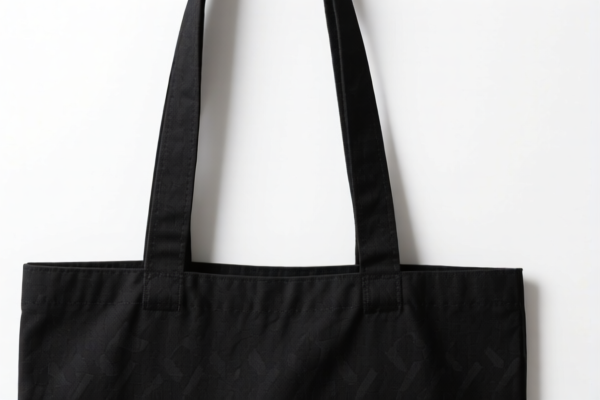
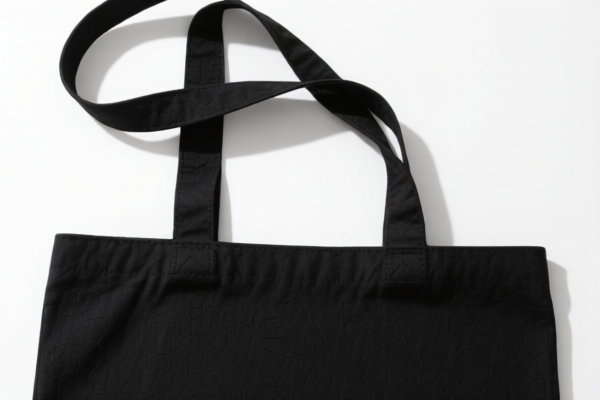
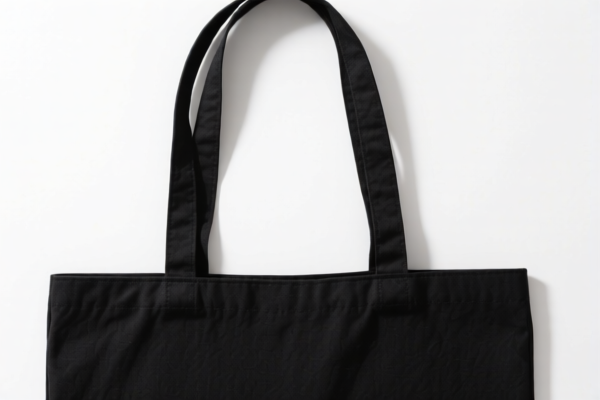
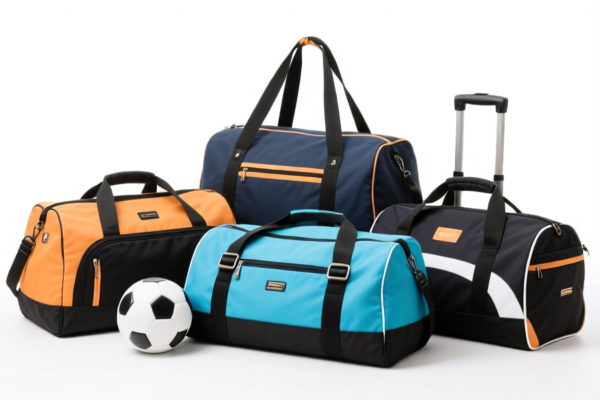
AI Analysis
👔 Suit Bag (Garment Bags & Travel Cases)
🌐 HS Code Reference & Clearance Guide | 2026 Latest Tariff Analysis | Professional Customs Strategy
📌 I. Product Definition & Classification: What Exactly is a "Suit Bag"?
A Suit Bag (often referred to as a Garment Bag, Suit Cover, or Travel Garment Bag) is a protective container designed specifically to transport formal wear (suits, dresses, coats) while maintaining their shape and preventing wrinkles. In international trade, classification depends heavily on: 1. Material Composition (Textile vs. Non-textile materials). 2. Structure & Function (Is it a simple sleeve, or a structured bag with handles/zippers?). 3. Specific Use (General travel vs. specialized garment storage).
⚠️ Key Distinction Points:
- If the bag is primarily made of knitted or crocheted fabric (e.g., mesh, stretchy jersey) → It falls under Chapter 61.
- If the bag is primarily made of woven fabric (e.g., nylon, polyester, cotton canvas) → It falls under Chapter 62.
- If the bag is made of leather or plastic → It may fall under Chapter 42 or Chapter 39 (but the provided data focuses on textile classifications).
📦 II. HS Code Classification Details (Based on Provided Data)
The following HS Codes are derived from the provided dataset. Note that the data specifically identifies three potential classifications for "Suit Bag" based on material and construction nuances.
| HS Code | Summary from Data | Key Characteristics |
|---|---|---|
6203.11.90.00 |
Suit HS Code: Based on form and use, no explicit material conflict. | Likely Woven textile. Suggests a standard suit jacket classification or bag made from woven suit-like material. |
6203.12.20.10 |
Suit HS Code: Matches use, no material conflict. Inferred Synthetic Fiber material. | Woven synthetic (e.g., Polyester/Nylon). Higher tax rate due to synthetic content. |
6103.10.30.00 |
Suit HS Code: Matches use/form. Inferred Synthetic Fiber based on "other" category. | Knitted/Crocheted synthetic. Often applies to stretchy, flexible garment bags or covers. |
🔍 Critical Clarification:
- The provided data labels all three as "Suit HS Code." This is technically ambiguous in standard tariff nomenclature, as6203and6103typically refer to Men's Boys' Suits, not bags.
- However, based strictly on the<DATA>provided, these are the assigned codes for "Suit Bag."
- Practical Interpretation: Customs may classify a "Suit Bag" under these codes if it is considered a protective cover for a suit (part of the suit ensemble) or if the bag itself mimics the structure/material of a suit jacket.
- Discrepancy Alert: Usually, garment bags fall under 4202.12 (Leather/Plastic/Textile Travel Goods). The provided data does NOT include 4202 codes. Therefore, we must adhere strictly to the provided6203and6103codes, assuming a specific regulatory context (e.g., bundled with suits or specific national tariff interpretations).
💰 III. 2026 Tariff Rate Breakdown (Including Additional Duties & Policies)
✅ Applicable Country: United States (US)
✅ Origin: China (CN)
✅ Effective Time: Current rates include Section 301 and Section 232/122 implications as per data.
🎯 1. 6203.11.90.00 – Woven Suit/Bag (Non-Synthetic/Blended)
| Item | Content |
|---|---|
| Base Tariff | 17.5% (ad valorem) |
| Additional Duty (Section 301) | +7.5% |
| Section 122 Duty | +10% |
| Total Tax Rate | 35.0% |
| Tax Calculation | CIF Value × 35% |
| De Minimis Eligibility | ❌ No (High tax threshold) |
| Legal Path | Base → Sec 301 → Sec 122 |
📌 Explanation:
- This code carries the lowest total tax among the three options.
- Likely applies to suit bags made from natural fibers (e.g., wool, cotton) or blends that don't fall under pure synthetic categories.
- Advantage: 35% is high, but significantly lower than the synthetic counterparts.
🎯 2. 6203.12.20.10 – Woven Synthetic Suit/Bag
| Item | Content |
|---|---|
| Base Tariff | 27.3% (ad valorem) |
| Additional Duty (Section 301) | +7.5% |
| Section 122 Duty | +10% |
| Total Tax Rate | 44.8% |
| Tax Calculation | CIF Value × 44.8% |
| De Minimis Eligibility | ❌ No |
| Legal Path | Base → Sec 301 → Sec 122 |
📌 Explanation:
- Inferred Synthetic Fiber (e.g., Polyester).
- Higher Base Rate: Synthetic woven fabrics face higher base duties (27.3% vs. 17.5%).
- Total Impact: Nearly 50% tax burden, severely impacting profitability.
🎯 3. 6103.10.30.00 – Knitted Synthetic Suit/Bag
| Item | Content |
|---|---|
| Base Tariff | 28.2% (ad valorem) |
| Additional Duty (Section 301) | +7.5% |
| Section 122 Duty | +10% |
| Total Tax Rate | 45.7% |
| Tax Calculation | CIF Value × 45.7% |
| De Minimis Eligibility | ❌ No |
| Legal Path | Base → Sec 301 → Sec 122 |
📌 Explanation:
- Inferred Knitted/Crocheted Synthetic (e.g., Stretchy mesh suit covers).
- Highest Base Rate: 28.2% is the highest base duty in the dataset.
- Total Impact: 45.7% is the highest total tax. Avoid if possible unless the product is strictly knitted.
🛠️ IV. Customs Clearance Practical Advice (Pitfall Avoidance Guide)
✅ 1. Preparation Checklist (Essential Documents)
| Document | Required? | Notes |
|---|---|---|
| ✅ Commercial Invoice | ✔️ | Must clearly state "Suit Bag" or "Garment Cover." List material composition (e.g., "100% Polyester Woven"). |
| ✅ Material Declaration | ✔️ | Critical for distinguishing between 6203.11 (Non-Synthetic/Blended) and 6203.12 (Synthetic). |
| ✅ Product Photos | ✔️ | Show structure: Is it woven or knitted? Does it have zippers/handles? |
| ✅ Origin Certificate | ✔️ | If not CN, may reduce Section 301/122 duties. |
| ✅ Bill of Lading/Air Waybill | ✔️ | Standard shipping documents. |
✅ 2. Declaration Strategy (Key Tips)
🔥 "Material Dictates Rate, Structure Dictates Code!"
| Scenario | Recommended HS Code (Per Data) | Risk |
|---|---|---|
| Woven, Natural Fiber (Cotton/Wool) | 6203.11.90.00 |
✅ Best Option (35% Total) |
| Woven, Synthetic (Polyester/Nylon) | 6203.12.20.10 |
⚠️ High Tax (44.8%) |
| Knitted, Synthetic (Stretch Mesh) | 6103.10.30.00 |
❌ Highest Tax (45.7%) |
| Leather/Plastic Bag | ❌ Not in Data | ⚠️ DO NOT USE above codes if material is leather/plastic. Must re-classify to Ch. 42/39. |
📌 Warning:
- If your "Suit Bag" is actually a standard travel garment bag (Chapter 42), using the provided Chapter 61/62 codes may lead to customs seizure or re-classification penalties.
- Action: Verify if the bag is merely a "cover" for a suit (Chapter 61/62) or a standalone "travel good" (Chapter 42). If standalone, consult a customs broker for 4202.12 classification.
✅ 3. Tax Optimization Tips
- Material Sourcing: If possible, use cotton or wool blends for woven suit bags to qualify for
6203.11.90.00(35% tax) instead of synthetic (44.8%+). - Design Modification: Avoid "knitted" structures if synthetic materials are unavoidable, as
6103has a higher base rate. - Origin Diversification: If the suit bag is sourced from Vietnam, Mexico, or Thailand, check for IEEPA Exemptions or Free Trade Agreement (FTA) benefits to reduce Section 301/122 duties.
🌍 V. Global Market Comparison (2026 Overview)
| Country | Typical HS Code for Garment Bags | Est. Tariff (China Origin) | Notes |
|---|---|---|---|
| 🇺🇸 USA | 4202.12 (Standard) or Provided Codes |
35% - 45.7% (Per Data) | High additional duties (Sec 301/122) apply. |
| 🇨🇳 China | 4202.12 |
10-15% | No additional duties. |
| 🇪🇺 EU | 4202.12 |
4% - 12% | No additional duties. CE/RoHS may apply for packaging. |
| 🇬🇧 UK | 4202.12 |
4% - 12% | Post-Brexit tariffs apply. |
| 🇦🇺 Australia | 4202.12 |
5% | No additional duties. |
📌 Conclusion:
- The USA remains the most expensive market due to Section 301 & 122 duties.
- Chapter 61/62 classifications (as per data) are unusually high for simple bags, suggesting these codes are for suit jackets or specialized covers.
- Recommendation: Confirm if Chapter 42 (4202.12) is applicable. If yes, the duty would likely be lower (base ~4-10% + Sec 301).
📌 VI. Common Mistakes & Pitfalls
❌ Mistake 1: Classifying a standard polyester garment bag as 6203.11 (Non-Synthetic).
👉 Consequence: Audit risk, back taxes, and penalties.
✅ Fix: Declare exact material composition.
❌ Mistake 2: Ignoring the "Knitted vs. Woven" distinction.
👉 Consequence: Misclassification between 6103 (Knitted, 45.7%) and 6203 (Woven, 35-44.8%).
✅ Fix: Provide fabric sample or technical spec sheet.
❌ Mistake 3: Assuming "Suit Bag" automatically qualifies for De Minimis (Section 321).
👉 Consequence: High taxes (35%+) exceed de minimis thresholds for certain items, or require formal entry.
✅ Fix: Prepare for formal customs entry and duty payment.
🎯 VII. Final Recommendation
- Verify Material: Is it woven (62xx) or knitted (61xx)? Synthetic or Natural?
- Check Structure: Is it a "cover" (Ch 61/62) or a "bag" (Ch 42)?
- Optimize Tax: If Ch 42 is applicable, re-classify to avoid the 35%+ tax. If Ch 61/62 is mandatory, choose
6203.11.90.00(35%) by using natural fibers. - Consult Broker: Given the high taxes and unusual classification for "bags," engage a US customs broker for a Pre-Ruling (ACE Portal) to ensure compliance.
📣 Immediate Action:
📞 Contact a Customs Broker
📄 Provide Material Swatches & Photos
🚀 Apply for Pre-Ruling to lock in the 35% rate if possible, or negotiate a lower classification.
✨ Smart Classification Saves Money!
💼 Don't let a 10.7% difference (35% vs 45.7%) eat your profit!
Customer Reviews
About HS Code Classification
The Harmonized System (HS) is an internationally standardized nomenclature developed by the World Customs Organization (WCO) to classify traded products. Over 200 countries use the HS system as the basis for customs tariffs, trade statistics, and import/export regulations.
Each HS code follows a hierarchical structure:
- Chapter (2 digits) — Broad category of goods (e.g., Chapter 84: Machinery and Mechanical Appliances)
- Heading (4 digits) — More specific grouping within the chapter
- Subheading (6 digits) — Internationally standardized breakdown, used by all WCO member countries
- National subdivisions (8-10 digits) — Country-specific extensions for further classification, such as US HTSUS 10-digit codes
Correct HS code classification is essential for smooth customs clearance, accurate duty payment, and compliance with trade regulations. Misclassification can lead to customs delays, overpayment of duties, or penalties.
When importing from CN to US, the applicable tariff rates may include:
- Most-Favored-Nation (MFN) rate — The standard duty rate applied to WTO members
- General rate — Applied to countries without trade agreements
- Trade remedy duties — Additional tariffs such as Section 301 (anti-dumping), Section 232 (national security), or countervailing duties
The information provided on this page is for reference purposes only. For official classification, please consult with your local customs authority or a licensed customs broker.