Suitcase Handle Cover
CN → US| HS Code | Tariff Rate | Origin | Destination | Doc |
|---|---|---|---|---|
| 6307909891 | 24.5% | CN | US | Official Doc |
| 6307909887 | 24.5% | CN | US | Official Doc |
| 4202929336 | 52.6% | CN | US | Official Doc |
| 4202929700 | 52.6% | CN | US | Official Doc |
Product Images
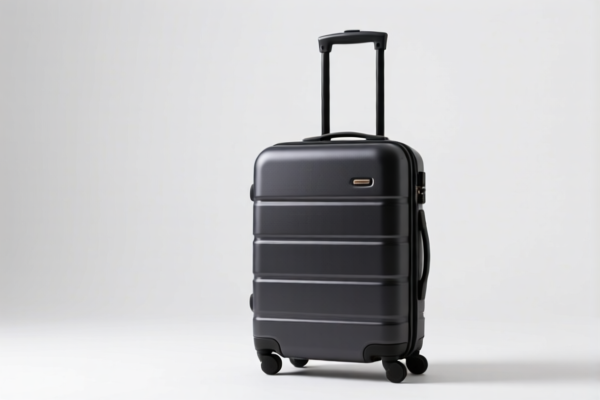
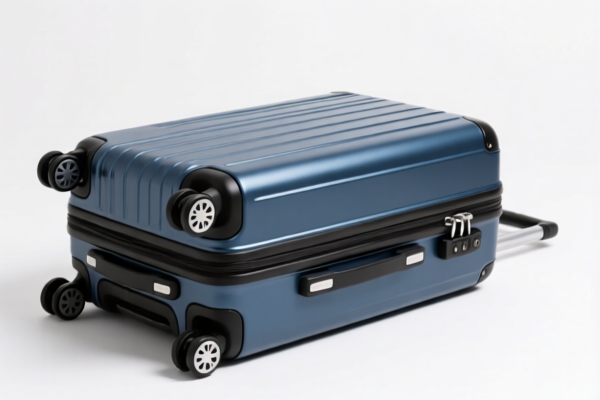
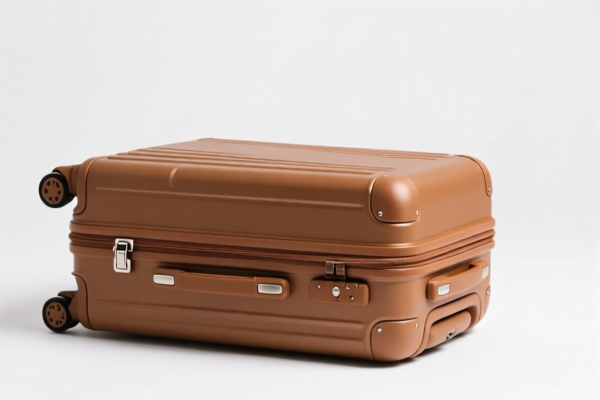
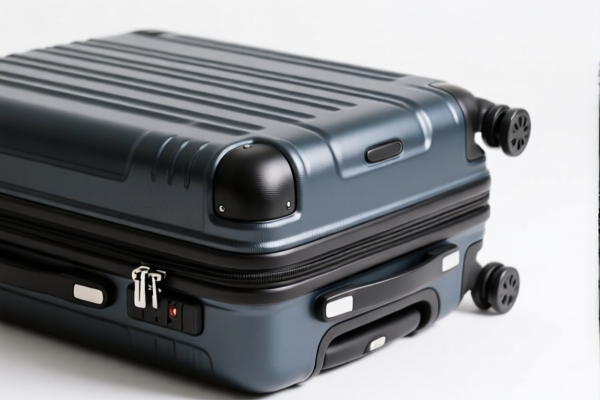
AI Analysis
🧳 Suitcase Handle Cover
🌐 HS Code Reference & Customs Clearance Guide | 2026 Latest Tariff Analysis | Professional Clearance Strategy
📌 I. Product Definition & Classification: What exactly is a "Suitcase Handle Cover"?
A Suitcase Handle Cover is an accessory designed to protect, cushion, or decorate the telescopic or fixed handle of a suitcase. It is typically made from plastic, silicone, fabric, or synthetic fibers.
In international trade, classification is critical because it is considered either: 1. A Finished Good/Accessory made of textile/plastic (Chapter 63), OR 2. A Part/Accessory of a Travel Good made of plastic/textile (Chapter 42).
⚠️ Key Distinction Point: * If it is viewed as a general protective cover/blanket for luggage (not strictly a "bag" itself) →归入 Chapter 63 (Textile/Plastic Articles). * If it is viewed as a specific part/accessory of a travel bag made of plastic/textile surface →归入 Chapter 42 (Articles of Leather/Travel Goods).
📦 II. HS Code Classification Details (2026 Latest Tariff Authority Comparison)
Based on the provided data, here are the four most likely HS Codes for classification. Note that the tax rates differ significantly depending on whether it is classified under Chapter 63 (Textile/General) or Chapter 42 (Travel Goods/Accessories).
| HS Code | Product Description (from Data) | Application Scenario | Material/Structure |
|---|---|---|---|
6307.90.98.91 |
Finished product, generally made of plastic or fabric; fits the "catch-all" category for textile/plastic articles. | General protective sleeve for handles, generic luggage covers. | Plastic or Fabric |
6307.90.98.87 |
Finished good, protective mat/cover type, usually made of man-made fibers. | Protective sleeves made primarily of synthetic textiles. | Man-made Fibers |
4202.92.93.36 |
Container-type accessory related to suitcases; outer surface made of plastic sheets or textile materials. | Specific accessory for suitcases, made of plastic/textile surface. | Plastic Sheets / Textile |
4202.92.97.00 |
Use falls under travel bags/containers, made of textile materials or plastic/silicone. | Travel-related accessories, covers made of textiles or silicone. | Textile / Plastic / Silicone |
🔍 Critical Reminder: * Chapter 63 Codes (
6307...) have a Lower Total Tax Rate (24.5%). They are classified as "Other Made-Up Articles." * Chapter 42 Codes (4202...) have a Higher Total Tax Rate (52.6%). They are classified as "Parts/Accessories of Travel Goods." * Do not misclassify: If you declare a silicone handle cover as "Travel Bag Accessory" (Ch42), you pay 52.6%. If declared as "Protective Cover" (Ch63), you pay 24.5%. However, accuracy is key. Customs may challenge Ch63 if it is exclusively shaped for suitcase handles.
💰 III. 2026 Latest Tariff Rate Breakdown (Including Surcharges & Policy Additions)
✅ Applicable Country: United States (US)
✅ Origin: China (CN)
✅ Effective Date: Ongoing (Post-2025 adjustments)
🎯 1. 6307.90.98.91 & 6307.90.98.87 —— Protective Covers (Textile/Plastic Articles)
| Item | Content |
|---|---|
| Base Duty Rate | 7.0% (Ad Valorem) |
| Section 301 Surcharge | 7.5% (Additional Duty) |
| Section 122 Duty | 10.0% (Targeted Surcharge) |
| Total Tax Rate | 24.5% |
| Tax Calculation | CIF Value × 24.5% |
| De Minimis Exemption | ❌ Not Eligible (Usually applies to higher-value goods or specific exclusions, but Section 301/122 often negate this for Chinese goods). |
| Legal Basis Path | HTSUS:6307.90.98 → USITC:Section301 → Section122 |
📌 Explanation: * The 7.0% is the standard Most Favored Nation (MFN) rate for "Other made-up articles." * The 7.5% is part of the ongoing Section 301 trade war tariffs on specific Chinese goods. * The 10% is the "Section 122" tariff, often applied to goods that may pose a national security or economic risk, or as a specific retaliatory/additional duty. * Total: 24.5% is relatively manageable compared to Chapter 42.
🎯 2. 4202.92.93.36 & 4202.92.97.00 —— Travel Goods Accessories (Plastic/Textile Surface)
| Item | Content |
|---|---|
| Base Duty Rate | 17.6% (Ad Valorem) |
| Section 301 Surcharge | 25.0% (Additional Duty) |
| Section 122 Duty | 10.0% (Targeted Surcharge) |
| Total Tax Rate | 52.6% |
| Tax Calculation | CIF Value × 52.6% |
| De Minimis Exemption | ❌ Not Eligible |
| Legal Basis Path | HTSUS:4202.92 → USITC:Section301 → Section122 |
📌 Explanation: * The 17.6% is the base rate for "Articles of leather or parts thereof... other containers... with outer surface of plastic sheeting or of textile materials." * The 25.0% is the heavy Section 301 tariff applied to many goods in Chapter 42. * The 10% Section 122 duty is added on top. * Total: 52.6% is EXTREMELY HIGH. This classifies the item as a "part of a bag," triggering higher protectionist tariffs.
🛠️ IV. Customs Clearance Practical Advice (Avoid Pitfalls)
✅ 1. Prepare Documentation (Missing Any One of These = Delay)
| Document | Required? | Notes |
|---|---|---|
| ✅ Product Specification Sheet | ✔️ | Must detail material (e.g., "100% Polyester," "Silicone," "ABS Plastic"). |
| ✅ Product Photos | ✔️ | Clear images of the cover, showing it is a separate accessory, not part of a bag. |
| ✅ Commercial Invoice | ✔️ | Description must be precise. Use terms like "Protective Handle Cover" rather than "Suitcase Part." |
| ✅ Packaging List | ✔️ | Ensure it lists only the covers, not the suitcase itself. |
| ✅ Material Certificate | ✔️ | If claiming Chapter 63 (Textile/Plastic), prove it's not a "bag part" but a "protective article." |
✅ 2. Declaration Strategy (Key Keywords)
🔥 "Protective Cover, Not Bag Part: Chapter 63 Strategy"
| Scenario | Correct Declaration | Risk if Wrong |
|---|---|---|
| Silicone/Plastic Handle Sleeve | 6307.90.98.91 (Protective Cover) |
If declared as 4202..., tax jumps from 24.5% to 52.6% |
| Fabric Handle Cover | 6307.90.98.87 (Textile Cover) |
Misclassification leads to 28.1% extra tax + potential penalties |
| Combined Set (Suitcase + Cover) | Declaring as Bag | The whole set may be taxed as a bag (higher rate). Declare separately if possible. |
✅ 3. Special Handling Tips
- Argument for Chapter 63: Emphasize that the item is a "finished article of textile/plastic" primarily used for protection/decoration, not integral to the function of a bag. It is a "cover" (like a sofa cover), not a "handle" (like a hinge).
- Avoid "Bag Part" Language: Do not use words like "handle," "strap," or "part of" in the description. Use "Protective Sleeve," "Handle Cover," "Decorative Wrap."
- Material Matters: If it's 100% textile, push for
6307.90.98.87. If it's plastic/silicone, push for6307.90.98.91. Both are 24.5%.
🌍 V. Global Market Comparison (2026 Latest)
| Country/Region | Recommended HS Code | Total Tax (China Origin) | Notes |
|---|---|---|---|
| 🇺🇸 USA | 6307.90.98.91 / 87 |
24.5% | Avoid 4202 codes (52.6%) unless legally required. |
| 🇨🇳 China | 6307.90.98.91 |
~5-7% | No Section 301/122 surcharges domestically. |
| 🇪🇺 EU | 6307.90.98 |
4-6% | Generally lower duties, no US-style surcharges. |
| 🇬🇧 UK | 6307.90.98 |
4% | Post-Brexit tariffs often aligned with EU but separate. |
| 🇯🇵 Japan | 6307.90.98 |
5% | Low base duty, no major surcharges. |
📌 Conclusion: * The USA is the only major market with such drastic tariff differences based on classification (24.5% vs. 52.6%). * For the US, aggressively argue for Chapter 63 (
6307...) to save 28.1% in taxes.
📌 VI. Common Errors & Pitfalls (Lessons Learned)
❌ Error 1: Declaring as "Suitcase Handle" (Part of Bag)
👉 Consequence: Tax rate jumps from 24.5% to 52.6%.
👉 Fix: Use "Protective Cover" in description.
❌ Error 2: Combining Suitcase and Cover in one shipment
👉 Consequence: Entire shipment may be taxed as "Suitcase" (higher rate).
👉 Fix: Ship accessories separately or declare with clear line items and lower value.
❌ Error 3: Using vague terms like "Plastic Product"
👉 Consequence: Customs may assign highest possible duty rate or request detailed breakdown.
👉 Fix: Specify "Polyester Fabric Handle Cover" or "Silicone Handle Sleeve."
🎯 VII. Conclusion: Precision Saves Money!
🎯 Remember the Mantra:
🔹 "Cover, Not Part: Chapter 63 Wins!"
🔹 "24.5% vs 52.6%: A 28.1% Difference is Huge!"
🔹 "Describe as 'Protective Sleeve,' not 'Bag Accessory'!"
📌 Pro Tip:
If you are exporting large volumes to the US, consider Applying for a Binding Tariff Ruling (BTR) with US Customs. This legally locks in the 24.5% rate for your specific product, avoiding future disputes.
📣 Immediate Action:
📞 Contact your customs broker with the following phrase:
"Please classify our product as a 'Finished Protective Cover' under HTS 6307.90.98.91/87 to apply the 24.5% duty rate, NOT as a travel accessory under 4202."
🚀 Save 28.1% in taxes on every single unit!
✨ Professional Clearance Starts with Accurate Classification!
💼 Every percentage point saved is pure profit!
Customer Reviews
About HS Code Classification
The Harmonized System (HS) is an internationally standardized nomenclature developed by the World Customs Organization (WCO) to classify traded products. Over 200 countries use the HS system as the basis for customs tariffs, trade statistics, and import/export regulations.
Each HS code follows a hierarchical structure:
- Chapter (2 digits) — Broad category of goods (e.g., Chapter 84: Machinery and Mechanical Appliances)
- Heading (4 digits) — More specific grouping within the chapter
- Subheading (6 digits) — Internationally standardized breakdown, used by all WCO member countries
- National subdivisions (8-10 digits) — Country-specific extensions for further classification, such as US HTSUS 10-digit codes
Correct HS code classification is essential for smooth customs clearance, accurate duty payment, and compliance with trade regulations. Misclassification can lead to customs delays, overpayment of duties, or penalties.
When importing from CN to US, the applicable tariff rates may include:
- Most-Favored-Nation (MFN) rate — The standard duty rate applied to WTO members
- General rate — Applied to countries without trade agreements
- Trade remedy duties — Additional tariffs such as Section 301 (anti-dumping), Section 232 (national security), or countervailing duties
The information provided on this page is for reference purposes only. For official classification, please consult with your local customs authority or a licensed customs broker.