Sulfur Blocks for Fertilizer
CN → US| HS Code | Tariff Rate | Origin | Destination | Doc |
|---|---|---|---|---|
| 2503000090 | 35.0% | CN | US | Official Doc |
| 3105900050 | 35.0% | CN | US | Official Doc |
| 2802000000 | 35.0% | CN | US | Official Doc |
Product Images

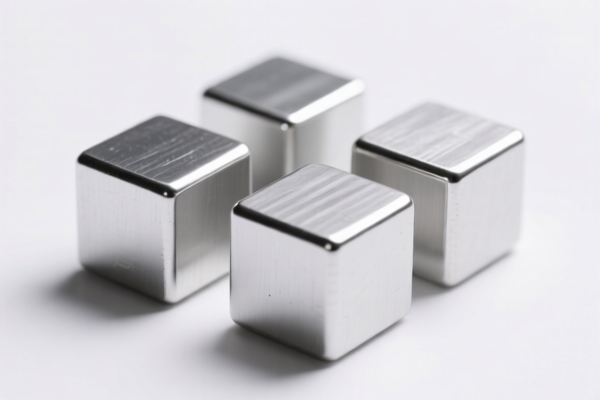
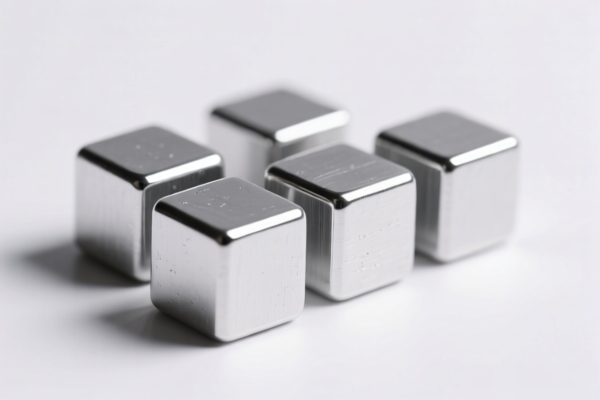

AI Analysis
🧱 Sulfur Blocks for Fertilizer (Agricultural Sulfur Sources)
🌐 HS Code Reference & Customs Clearance Guide | 2026 Latest Tariff Analysis | Professional Clearance Strategy
📌 I. Product Definition & Classification: Do You Really Understand "Sulfur Blocks"?
Sulfur Blocks for Fertilizer are specialized agricultural inputs used to provide elemental sulfur to soil, correcting sulfur deficiencies and lowering pH levels. In international trade, these blocks are chemically classified under sulfur derivatives or mineral/chemical fertilizers, depending on their specific formulation and primary function. They are distinct from raw elemental sulfur due to their processed block form and intended agricultural use.
⚠️ Key Classification Distinction:
- If classified primarily as a sulfur derivative/material → It falls under Chapter 25 or 28 (Chemicals/Sulfur); - If classified primarily as a fertilizer product → It falls under Chapter 31 (Mineral/Chemical Fertilizers).
📦 II. HS Code Classification Details (2026 Latest Tariff Authority Comparison)
| HS Code | Product Description | Application Scenario | Key Attribute |
|---|---|---|---|
2503.00.00.90 |
Sulfur, other than crude sulfur; sulfur derivatives | Fertilizer additives, soil amendments, industrial sulfur blocks | ✅ Sulfur Derivative (Non-crude, processed form) |
3105.90.00.50 |
Mineral or chemical fertilizers containing two or three of the fertilizing nutrients N, P, K; other fertilizers | Dedicated agricultural sulfur blocks for soil enrichment | ✅ Fertilizer Element (Primary purpose is fertilization) |
2802.00.00.00 |
Sulfur, crude or otherwise purified | Raw sulfur blocks, industrial-grade elemental sulfur | ✅ Sulfur Material (Core component is pure sulfur) |
🔍 Critical Reminder:
-2503.00.00.90: Suitable for sulfur blocks that are considered "sulfur derivatives" and do not fit specific exclusion criteria for crude sulfur. It emphasizes the material property of sulfur. -3105.90.00.50: Suitable when the product is explicitly formulated as a fertilizer and matches the description of mineral/chemical fertilizers. It emphasizes the agricultural function. -2802.00.00.00: Suitable for blocks where the core identity is sulfur itself (elemental sulfur), regardless of form. It emphasizes the chemical identity.
💰 III. 2026 Latest Tariff Rate Breakdown (Including Surcharges & Policy Add-ons)
✅ Applicable Country: United States (US)
✅ Origin: China (CN)
✅ Effective Date: From November 10, 2025 (including subsequent imports)
🎯 1. 2503.00.00.90 —— Sulfur, Other Than Crude (Sulfur Derivatives)
| Item | Details |
|---|---|
| Base Tariff | 0% (ad valorem) |
| USITC Surcharge | +25% (Under USITC Footnote 9903.88.01) |
| IEEPA Surcharge | +10% (For China/HK products, effective Nov 10, 2025) |
| Total Tax Rate | 35.0% |
| Tax Calculation | CIF Value × 35% |
| De Minimis Eligibility | ❌ No (deny_de_minimis) |
| Legal Basis Path | IEEPA:9903.01.25 → IEEPA:9903.01.24 → USITC:2503.00.00.90 → FOOTNOTE:9903.88.01 |
📌 Explanation:
- The 25% USITC surcharge is imposed under Section 301 of the US Trade Act; - The 10% IEEPA surcharge is an additional tariff on Chinese imports under the International Emergency Economic Powers Act; - Total 35%: This is a high tariff for agricultural chemicals. Must be factored into cost planning!
🎯 2. 3105.90.00.50 —— Other Mineral or Chemical Fertilizers
| Item | Details |
|---|---|
| Base Tariff | 0% |
| USITC Surcharge | +25% |
| IEEPA Surcharge | +10% |
| Total Tax Rate | 35.0% |
| Tax Calculation | CIF × 35% |
| De Minimis Eligibility | ❌ No |
| Legal Basis Path | IEEPA:9901.25 → IEEPA:9903.01.24 → USITC:3105.90.00.50 → FOOTNOTE:9903.88.01 |
📌 Note:
- Identical tax structure to the sulfur derivative category; - Whether labeled as "Sulfur Fertilizer" or "Sulfur Block," if classified under Chapter 31, the same high tariffs apply.
🎯 3. 2802.00.00.00 —— Sulfur, Crude or Otherwise Purified
| Item | Details |
|---|---|
| Base Tariff | 0% |
| USITC Surcharge | +25% |
| IEEPA Surcharge | +10% |
| Total Tax Rate | 35.0% |
| Tax Calculation | CIF × 35% |
| De Minimis Eligibility | ❌ No |
| Legal Basis Path | IEEPA:9903.01.25 → IEEPA:9903.01.24 → USITC:2802.00.00.00 → FOOTNOTE:9903.88.01 |
📌 Note:
- Even if declared as "pure sulfur blocks," the surcharges still apply; - The classification hinges on whether the product is seen as a "material" (Ch 28) vs. "fertilizer" (Ch 31), but the cost impact is identical.
🛠️ IV. Customs Clearance Practical Advice (Real-World Pitfall Guide)
✅ 1. Required Document Checklist (All Mandatory)
| Document | Must Provide | Description |
|---|---|---|
| ✅ Product Specification Sheet | ✔️ | Details composition, sulfur content %, block weight, binding agents |
| ✅ Safety Data Sheet (SDS) | ✔️ | Critical for chemical/fertilizer classification verification |
| ✅ Product Photos (with Label) | ✔️ | Clear view of packaging, warnings, and intended use (agriculture) |
| ✅ Commercial Invoice | ✔️ | Clearly state "Sulfur Blocks for Fertilizer" or "Agricultural Sulfur" |
| ✅ Packing List | ✔️ | Specify net/gross weight, palletization, and quantity |
| ✅ Certificate of Analysis (COA) | ✔️ | Confirms sulfur purity and absence of prohibited impurities |
| ✅ Origin Certificate | ✔️ | If not Chinese origin, may reduce tariffs (but unlikely for US-China) |
✅ 2. Declaration Tips (Key Mnemonic)
🔥 "Function Determines Chapter, Material Determines Sub-heading, Always Expect 35%!"
| Scenario | Correct Declaration | Wrong Action |
|---|---|---|
| Sulfur blocks with binding agents for soil | 3105.90.00.50 (Fertilizer) or 2503.00.00.90 (Derivative) |
Declare as "Industrial Chemical" without function → Risk of rejection |
| Pure sulfur blocks without additives | 2802.00.00.00 |
Declare as "Fertilizer" if no agricultural formulation → Classification error |
| Mixed nutrient sulfur blocks (N-P-S) | 3105.90.00.50 |
Declare as pure sulfur → Undervaluation risk |
✅ 3. Special Case Handling
| Case | Handling Advice |
|---|---|
| OEM Custom Sulfur Blocks | Provide formula sheet + supplier declaration to justify "fertilizer" classification |
| Sulfur Blocks with Coatings | Ensure coating does not introduce hazardous chemicals; SDS must reflect final product |
| Small Samples (De Minimis) | ❌ Not eligible for $800 de minimis exemption due to 301/IEEPA surcharges |
| Agricultural Certification | Some states may require EPA or state-level fertilizer registration before clearance |
🌍 V. Global Market Clearance Comparison (2026 Latest)
| Country/Region | Recommended HS Code | Tariff | Certification Required | Notes |
|---|---|---|---|---|
| 🇺🇸 USA | 2503.00.00.90 / 3105.90.00.50 |
35% (China origin) | EPA Registration (if claimed as fertilizer) | High tariff burden; no de minimis |
| 🇨🇳 China | 3105.90.00.50 |
5-10% | GB Standards Compliance | Lower tariffs; domestic use focused |
| 🇪🇺 EU | 3105.90.00.50 |
0% (if registered under Fertilizing Products Reg.) | CE/UKCA (if applicable) | Strict nutrient labeling rules |
| 🇨🇦 Canada | 3105.90.00.50 |
5% | CFIA Registration | Moderate tariffs; regulatory focus on safety |
| 🇦🇺 Australia | 3105.90.00.50 |
5% | APVMA Approval | Chemical import controls apply |
📌 Conclusion:
- USA is the highest-cost market for sulfur blocks due to叠加 tariffs; - Regulatory compliance (EPA/Fertilizer Registration) is often more challenging than tariffs in some jurisdictions; - China-origin products face uniform 35% regardless of sub-classification under these three codes.
📌 VI. Common Errors & Pitfall Guide (Lessons Learned)
❌ Error 1: Declaring "Sulfur Blocks" as general "Chemicals" without specifying agricultural use
👉 Consequence: Customs may reject under Chapter 38 (Miscellaneous Chemical Products) → Higher scrutiny or delay
❌ Error 2: Omitting SDS or Composition Details
👉 Consequence: CBP cannot determine if it’s a "fertilizer" or "industrial sulfur" → 100% inspection hold
❌ Error 3: Assuming De Minimis Applies
👉 Consequence: Shipments under $800 are still taxed due to IEEPA/301 rules → Unexpected costs for buyers
❌ Error 4: Using "Sulfur" instead of "Sulfur Blocks for Fertilizer" in Invoice
👉 Consequence: Misleading description → Penalties or seizure if intent is unclear
✅ Correct Practice:
"Sulfur Blocks for Fertilizer Application, 98% Purity, 5kg Blocks, Packaged in 20kg Bags, Model SF-98, EPA Registered if Applicable, HS Code: 3105.90.00.50"
🎯 VII. Conclusion: Precise Classification Saves Costs!
🎯 Remember:
🔹 "35% is the baseline for China-origin sulfur blocks in the US!"
🔹 "Fertilizer vs. Material classification doesn’t change the tariff, but affects compliance requirements!"
🔹 "Always declare the agricultural purpose clearly to avoid misclassification penalties!"
📌 Tips:
- If your sulfur blocks are originating from Vietnam, Thailand, or Malaysia, you may apply for IEEPA exemption (rates drop to 0%-5%);
- Always apply for an Advance Ruling from CBP if you are unsure whether your product qualifies as a "fertilizer" under Chapter 31;
- For small shipments, consult a customs broker to verify if any temporary exemptions apply.
📣 Immediate Action:
📞 Contact a licensed customs broker + Provide SDS + File for HS Code Advance Ruling
🚀 Ensure your sulfur blocks clear customs smoothly, predictably, and profitably!
✨ Professional clearance starts with accurate classification!
💼 Every percentage point of tariff affects your bottom line!
Customer Reviews
About HS Code Classification
The Harmonized System (HS) is an internationally standardized nomenclature developed by the World Customs Organization (WCO) to classify traded products. Over 200 countries use the HS system as the basis for customs tariffs, trade statistics, and import/export regulations.
Each HS code follows a hierarchical structure:
- Chapter (2 digits) — Broad category of goods (e.g., Chapter 84: Machinery and Mechanical Appliances)
- Heading (4 digits) — More specific grouping within the chapter
- Subheading (6 digits) — Internationally standardized breakdown, used by all WCO member countries
- National subdivisions (8-10 digits) — Country-specific extensions for further classification, such as US HTSUS 10-digit codes
Correct HS code classification is essential for smooth customs clearance, accurate duty payment, and compliance with trade regulations. Misclassification can lead to customs delays, overpayment of duties, or penalties.
When importing from CN to US, the applicable tariff rates may include:
- Most-Favored-Nation (MFN) rate — The standard duty rate applied to WTO members
- General rate — Applied to countries without trade agreements
- Trade remedy duties — Additional tariffs such as Section 301 (anti-dumping), Section 232 (national security), or countervailing duties
The information provided on this page is for reference purposes only. For official classification, please consult with your local customs authority or a licensed customs broker.