Sulfurized Rubber Inflatable Bed
CN → US| HS Code | Tariff Rate | Origin | Destination | Doc |
|---|---|---|---|---|
| 9404210095 | 38.0% | CN | US | Official Doc |
| 3926907500 | 14.2% | CN | US | Official Doc |
| 4016950000 | 21.7% | CN | US | Official Doc |
| 3926909989 | 22.8% | CN | US | Official Doc |
| 4016100000 | 35.0% | CN | US | Official Doc |
Product Images
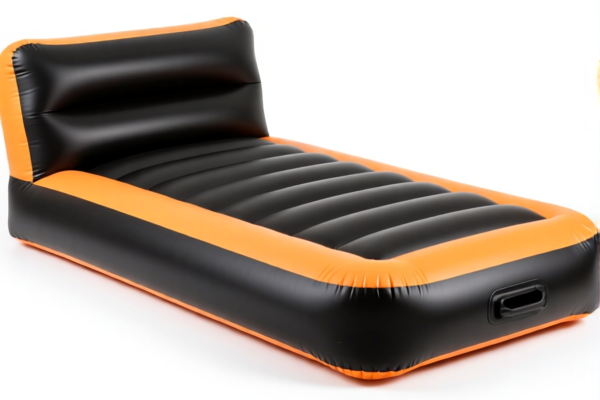
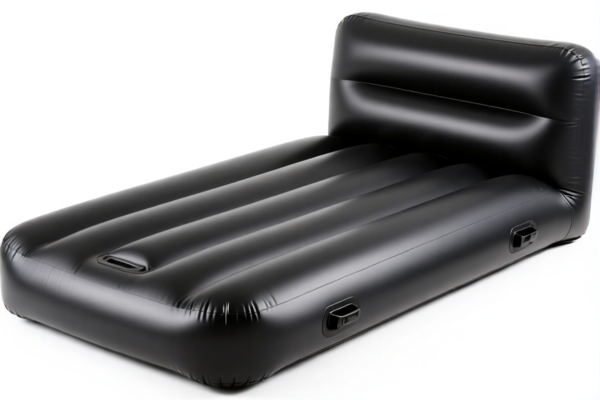
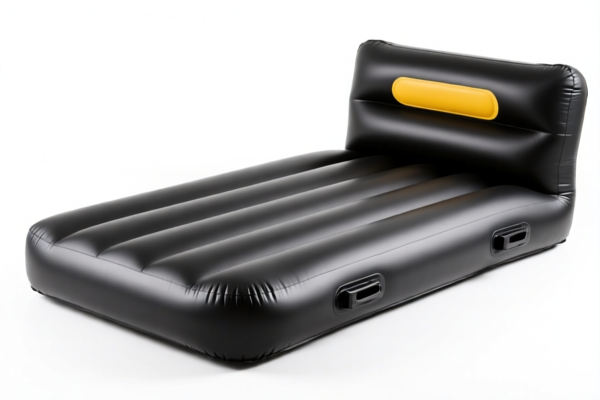
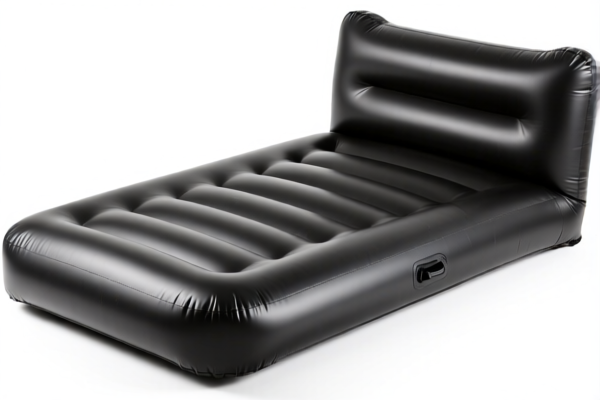
AI Analysis
🛏️ Sulfurized Rubber Inflatable Bed: HS Code Classification & Customs Clearance Guide (2026)
🌐 HS Code Reference & Customs Clearance Strategy | Latest 2026 Tariff Analysis | Professional Level Compliance
📌 1. Product Definition & Classification: Do You Really Understand "Sulfurized Rubber Inflatable Bed"?
A Sulfurized Rubber Inflatable Bed is primarily an air mattress or sleeping pad made from rubber materials that have undergone a vulcanization process (sulfurization). In international trade, its classification depends heavily on the material composition, structure, and intended use.
There are two main ways to classify this product: * Rubber-based Classification: If the primary material is rubber (vulcanized/sulfurized), it falls under Chapter 40. * Plastic/Composite-based Classification: If the product is made of PVC or other plastics with a rubber-like appearance, or if the structure is predominantly plastic, it falls under Chapter 39.
⚠️ Key Distinction Point:
- If the product is primarily rubber and is an inflatable article → 4016.95.00.00
- If the product is primarily rubber but considered a general rubber good (not specifically an inflatable article) → 4016.10.00.00 or 4016.93/95 depending on specific formulation.
- If the product is plastic/PVC based (often marketed as "rubber" but technically plastic) → 3926.90.75.00 or 3926.90.99.89.
📦 2. HS Code Classification Details (Based on Provided Data)
Based on the data provided, there are five potential HS Codes for a "Sulfurized Rubber Inflatable Bed." Below is the detailed breakdown for each, including the reasoning and tax implications.
| HS Code | Product Description | Reason for Classification | Total Tax Rate |
|---|---|---|---|
| 9404.21.00.95 | Inflatable Mattresses | Classified as an "Inflatable Mattress." The material is cell rubber, and the form/usage matches bedding accessories. | 38.0% |
| 3926.90.75.00 | Other Plastic Articles | Classified as a plastic article. Although called "rubber," the inflatable structure often involves plastic or synthetic rubber materials. | 14.2% |
| 4016.95.00.00 | Other Inflatable Rubber Articles | Classified as an "Other Inflarticle" made of rubber. The form and usage are consistent with inflatable rubber goods. | 21.7% |
| 3926.90.99.89 | Other Plastic/Composite Articles | Classified as a plastic or other material article. Often made of PVC or composite rubber. | 22.8% |
| 4016.10.00.00 | Other Vulcanized Rubber Goods | Classified as a "Other硫化橡胶制品" (Vulcanized Rubber Product). The material is rubber, and the form is a manufactured good. | 35.0% |
🔍 Important Note:
- 9404.21.00.95 is the most direct classification for "mattresses" but carries the highest tax (38%).
- 3926.90.75.00 offers the lowest tax (14.2%) if the product can be legally argued as a plastic article (e.g., PVC with rubberized coating).
- 4016.95.00.00 is a strong candidate for genuine rubber inflatable beds at a moderate tax rate (21.7%).
💰 3. Detailed Tariff Rate Explanation (Including Additional Duties & Policies)
✅ Applicable Country: United States (US)
✅ Origin: China (CN) (Implied by "122 Clause" and "Section 301" references)
✅ Effective Time: 2026 (Current Analysis)
🎯 1. 9404.21.00.95 — Inflatable Mattresses (Cell Rubber)
| Item | Details |
|---|---|
| Base Duty Rate | 3.0% |
| Additional Duty (Section 301) | +25.0% |
| "122 Clause" Duty | +10.0% |
| Total Tax Rate | 38.0% |
| Tax Calculation | CIF Value × 38.0% |
| De Minimis Exemption | ❌ Not Applicable |
| Legal Basis | Section 301 Tariff List; 122 Clause (Trade Action 122) |
📌 Explanation:
- This classification treats the bed as a bedding accessory.
- The 25% Section 301 tariff applies to many rubber and textile products from China.
- The 10% "122 Clause" is a specific additional duty often applied to goods subject to certain trade actions.
- Total: 38% is a high-cost classification.
🎯 2. 3926.90.75.00 — Other Plastic Articles
| Item | Details |
|---|---|
| Base Duty Rate | 4.2% |
| Additional Duty (Section 301) | 0.0% |
| "122 Clause" Duty | +10.0% |
| Total Tax Rate | 14.2% |
| Tax Calculation | CIF Value × 14.2% |
| De Minimis Exemption | ❌ Not Applicable |
| Legal Basis | Section 301 Tariff List (Exempted for some plastics); 122 Clause |
📌 Explanation:
- This is the most tax-efficient option (14.2%).
- The 25% Section 301 tariff is 0%, likely because this specific plastic subheading is excluded from the harshest 301 lists.
- However, the 10% "122 Clause" still applies.
- Risk: Customs may challenge this if the product is clearly rubber, not plastic.
🎯 3. 4016.95.00.00 — Other Inflatable Rubber Articles
| Item | Details |
|---|---|
| Base Duty Rate | 4.2% |
| Additional Duty (Section 301) | +7.5% |
| "122 Clause" Duty | +10.0% |
| Total Tax Rate | 21.7% |
| Tax Calculation | CIF Value × 21.7% |
| De Minimis Exemption | ❌ Not Applicable |
| Legal Basis | Section 301 Tariff List; 122 Clause |
📌 Explanation:
- This is a balanced classification for genuine rubber inflatables.
- The Section 301 tariff is 7.5% (lower than 25% for other rubber goods).
- The 10% "122 Clause" applies.
- Total: 21.7% is moderate and legally defensible for rubber products.
🎯 4. 3926.90.99.89 — Other Plastic/Composite Articles
| Item | Details |
|---|---|
| Base Duty Rate | 5.3% |
| Additional Duty (Section 301) | +7.5% |
| "122 Clause" Duty | +10.0% |
| Total Tax Rate | 22.8% |
| Tax Calculation | CIF Value × 22.8% |
| De Minimis Exemption | ❌ Not Applicable |
| Legal Basis | Section 301 Tariff List; 122 Clause |
📌 Explanation:
- Similar to3926.90.75.00but with a slightly higher base rate and Section 301 tariff.
- Total: 22.8%.
- Use this if the product is a composite material (e.g., plastic core with rubber coating).
🎯 5. 4016.10.00.00 — Other Vulcanized Rubber Goods
| Item | Details |
|---|---|
| Base Duty Rate | 0.0% |
| Additional Duty (Section 301) | +25.0% |
| "122 Clause" Duty | +10.0% |
| Total Tax Rate | 35.0% |
| Tax Calculation | CIF Value × 35.0% |
| De Minimis Exemption | ❌ Not Applicable |
| Legal Basis | Section 301 Tariff List; 122 Clause |
📌 Explanation:
- Although the base duty is 0%, the 25% Section 301 tariff makes this expensive.
- This classification is used for non-inflatable rubber goods or if the "inflatable" aspect is not the primary feature.
- Total: 35.0% is high and generally not recommended for inflatable beds unless no other option fits.
🛠️ 4. Customs Clearance Practical Advice (Avoiding Pitfalls)
✅ 1. Preparation Checklist (Mandatory)
| Document | Required | Notes |
|---|---|---|
| ✅ Product Specifications | ✔️ | Must specify material (e.g., "Vulcanized Rubber," "PVC," "Cell Rubber"). |
| ✅ Material Composition Report | ✔️ | Third-party lab test proving the % of rubber vs. plastic. |
| ✅ Product Photos | ✔️ | Show the product inflated, deflated, and any labels. |
| ✅ Commercial Invoice | ✔️ | Clearly state "Sulfurized Rubber Inflatable Bed" or "Inflatable Mattress." |
| ✅ Packing List | ✔️ | Include dimensions, weight, and volume. |
| ✅ HS Code Pre-Ruling | ✔️ | Highly recommended to avoid disputes. |
✅ 2. Declaration Tips (Key Rules)
🔥 "Material Dictates Code, Structure Dictates Duty!"
| Scenario | Recommended HS Code | Why? |
|---|---|---|
| 100% Rubber, Inflatable | 4016.95.00.00 |
Matches "Inflatable Rubber Articles." Lowest risk, moderate tax. |
| PVC/Plastic with Rubber Feel | 3926.90.75.00 |
Lowest tax (14.2%), but must prove plastic content. |
| Marketed as "Mattress" | 9404.21.00.95 |
Highest tax (38%). Only use if explicitly sold as a mattress accessory. |
| Non-Inflatable Rubber Pad | 4016.10.00.00 |
High tax (35%). Avoid if inflatable. |
⚠️ Warning:
- Do NOT declare a rubber inflatable bed as3926.90.75.00if it is >50% rubber. Customs will reclassify it and charge 21.7% + penalties.
- Do NOT declare a plastic bed as4016.95.00.00. Customs will reclassify it and charge 22.8% + penalties.
✅ 3. Special Cases
| Scenario | Advice |
|---|---|
| OEM/ODM Products | Provide the material safety data sheet (MSDS) and composition report. |
| Mixed Materials | Declare the primary material. If rubber >50%, use Chapter 40. |
| Gift/Sample | Still subject to full tariffs. No "de minimis" exemption for Section 301 goods. |
🌍 5. Global Market Comparison (2026)
| Country | Recommended HS Code | Est. Tax (China Origin) | Notes |
|---|---|---|---|
| 🇺🇸 USA | 3926.90.75.00 |
14.2% | Best option if plastic. 4016.95.00.00 = 21.7%. |
| 🇺🇸 USA | 9404.21.00.95 |
38.0% | Avoid if possible due to high tax. |
| 🇨🇳 China | Varies | Low | No Section 301 or 122 Clause. |
| 🇪🇺 EU | 4016.95 or 3926 | ~0-6% | No Section 301. VAT applies separately. |
| 🇨🇦 Canada | 4016.95 | ~5-10% | Check CUSMA eligibility. |
📌 Conclusion:
- USA is the most complex market due to Section 301 and 122 Clause tariffs.
- Optimization Strategy: If the product can be legally classified as plastic (3926.90.75.00), it saves ~7.5%-24% in taxes compared to rubber or mattress classifications.
📌 6. Common Mistakes & Pitfalls (Learn from Others' Errors)
❌ Mistake 1: Declaring a rubber inflatable bed as plastic (3926.90.75.00) to save tax.
👉 Consequence: Customs audit, reclassification to 4016.95.00.00 (21.7%), fines, and potential seizure.
❌ Mistake 2: Declaring a plastic bed as a mattress (9404.21.00.95).
👉 Consequence: Unnecessary 38% tax instead of 14.2% or 22.8%.
❌ Mistake 3: Ignoring the "122 Clause" 10% duty.
👉 Consequence: Underpayment of taxes, leading to penalties and delayed customs release.
❌ Mistake 4: Using vague descriptions like "Air Bed."
👉 Consequence: Customs ambiguity, leading to conservative classification (e.g., 38% or higher).
✅ Correct Action:
Provide a detailed material composition report and request a Customs Ruling before shipment.
🎯 7. Conclusion: Smart Classification Saves Money!
🎯 Key Takeaways:
🔹 "Rubber Inflatable Bed" ≠ "Mattress". Choose
4016.95.00.00(21.7%) over9404.21.00.95(38%) if material is rubber.
🔹 "Plastic" is Cheaper. If the product is PVC-based, use3926.90.75.00(14.2%) to save ~7.5-24% in taxes.
🔹 "122 Clause" Applies to All. Never forget the 10% additional duty in the calculation.
📌 Pro Tip:
If your product is sulfurized rubber, ensure your lab report confirms the vulcanization process. This supports the
4016classification.
If it's PVC, ensure the plastic content >50% to support3926.
📣 Immediate Action:
📞 Consult a licensed customs broker.
📄 Submit material samples for pre-classification.
🚀 Optimize your HS Code to save thousands in duties!
✨ Professional Customs Clearance Starts with Precise Classification!
💼 Every Dollar Saved in Duties is Pure Profit!
Customer Reviews
About HS Code Classification
The Harmonized System (HS) is an internationally standardized nomenclature developed by the World Customs Organization (WCO) to classify traded products. Over 200 countries use the HS system as the basis for customs tariffs, trade statistics, and import/export regulations.
Each HS code follows a hierarchical structure:
- Chapter (2 digits) — Broad category of goods (e.g., Chapter 84: Machinery and Mechanical Appliances)
- Heading (4 digits) — More specific grouping within the chapter
- Subheading (6 digits) — Internationally standardized breakdown, used by all WCO member countries
- National subdivisions (8-10 digits) — Country-specific extensions for further classification, such as US HTSUS 10-digit codes
Correct HS code classification is essential for smooth customs clearance, accurate duty payment, and compliance with trade regulations. Misclassification can lead to customs delays, overpayment of duties, or penalties.
When importing from CN to US, the applicable tariff rates may include:
- Most-Favored-Nation (MFN) rate — The standard duty rate applied to WTO members
- General rate — Applied to countries without trade agreements
- Trade remedy duties — Additional tariffs such as Section 301 (anti-dumping), Section 232 (national security), or countervailing duties
The information provided on this page is for reference purposes only. For official classification, please consult with your local customs authority or a licensed customs broker.