Summer Cool Silk feel Yoga Pants
CN → US| HS Code | Tariff Rate | Origin | Destination | Doc |
|---|---|---|---|---|
| 6104632006 | 45.7% | CN | US | Official Doc |
| 6112120060 | 45.7% | CN | US | Official Doc |
| 6112110060 | 32.4% | CN | US | Official Doc |
| 6104632011 | 45.7% | CN | US | Official Doc |
| 6211335030 | 33.5% | CN | US | Official Doc |
Product Images
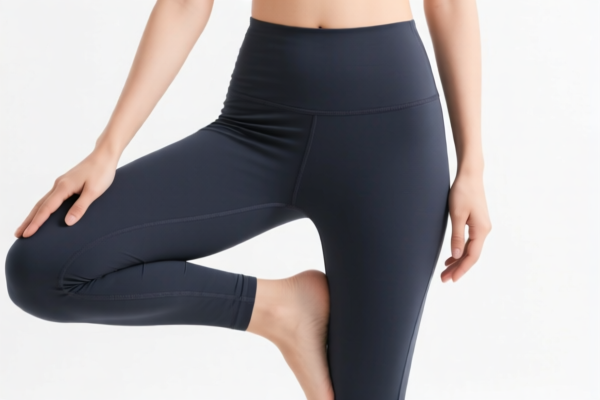
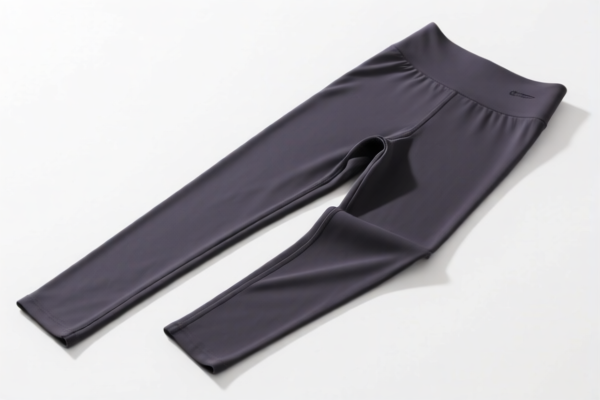
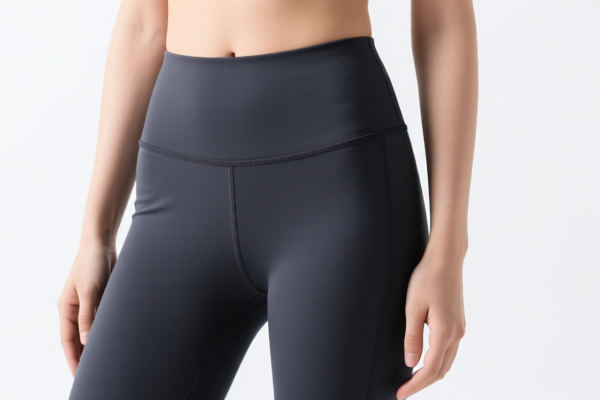
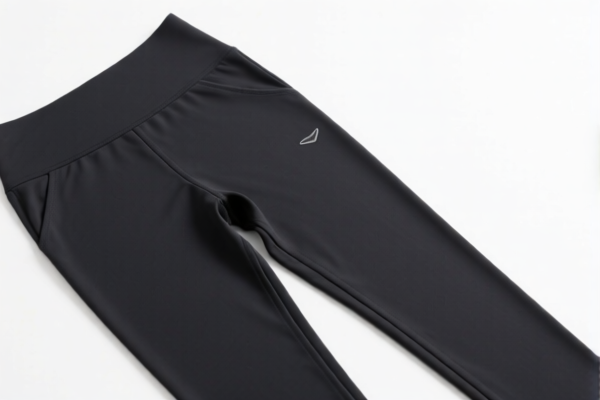
AI Analysis
🧘♀️ Summer Cool Silk-Feel Yoga Pants (Activewear Bottoms)
🌐 HS Code Reference & Customs Clearance Guide | 2026 Latest Tariff Analysis | Strategic Compliance for US Imports
📌 I. Product Definition & Classification: Do You Truly Understand "Silk-Feel" Yoga Pants?
"Silk-Feel Yoga Pants" are high-performance activewear bottoms designed for yoga, Pilates, gym workouts, and daily leisure. In international trade, the classification hinges on two critical factors: Material Composition (Synthetic vs. Cotton) and Manufacturing Method (Knitted vs. Woven).
The term "Silk-Feel" typically refers to a synthetic fiber blend (such as Nylon, Polyester, or Spandex/Elastane) processed with specific finishing techniques to mimic the smoothness of silk. This is distinct from genuine silk (Chapter 50) or cotton.
⚠️ Key Distinction Point:
- If the fabric is Knitted/Knit (stretchy, looped structure, typical for yoga leggings) → Falls under Chapter 61 (Articles of Apparel and Clothing Accessories, Knitted or Crocheted).
- If the fabric is Woven (tighter structure, less stretch, typical for tailored trousers) → Falls under Chapter 62 (Articles of Apparel and Clothing Accessories, Not Knitted or Crocheted).
- Crucial Note: Most "Silk-Feel" yoga pants are Knitted due to the need for elasticity (Spandex/Lycra). Therefore, Chapter 61 is the most common classification, but Chapter 62 applies if the construction is specifically woven with elastane threads.
📦 II. HS Code Classification Matrix (2026 Latest Tariff Authority Comparison)
Based on the provided data, here are the four possible classifications for "Summer Cool Silk-Feel Yoga Pants," sorted by potential tax liability.
| HS Code | Product Description | Material/Structure | Use Case | Estimated Total Tax Rate* |
|---|---|---|---|---|
| 6104.63.20.06 | Women's trousers & breeches, knitted/crocheted, of synthetic fibers | Synthetic Fibers (Knit) | General Women's Wear | 45.7% |
| 6112.12.00.60 | Women's tracksuits, knitted/crocheted, of synthetic fibers | Synthetic Fibers (Knit) | Sportswear/Yoga | 45.7% |
| 6104.63.20.11 | Women's trousers & breeches, knitted/crocheted, of synthetic fibers | Synthetic Fibers (Knit) | General Women's Wear | 45.7% |
| 6211.33.50.30 | Women's trousers, not knitted/crocheted, of synthetic fibers | Synthetic Fibers (Woven) | Sportswear/Yoga | 33.5% |
| 6112.11.00.60 | Women's tracksuits, knitted/crocheted, of cotton | Cotton (Knit) | Sportswear/Yoga | 32.4% |
📌 Important:
- Highest Rate (45.7%): Applies if classified as general synthetic knitwear (6104 series) or synthetic sportswear (6112.12).
- Lowest Rate (32.4%): Applies ONLY if the product is confirmed to be made of Cotton (6112.11). Note: "Silk-Feel" is rarely pure cotton; it is usually synthetic. Verify material carefully.
- Mid Rate (33.5%): Applies if the product is Woven (not knitted) synthetic sportswear (6211.33). Note: Woven yoga pants are less common but possible if constructed with woven elastane.
💰 III. 2026 Latest Tariff Rate Breakdown (Including Surtaxes & Policy Add-ons)
✅ Applicable Country: United States (US)
✅ Country of Origin: China (CN)
✅ Effective Time: 2025/2026 Period
🎯 1. The "Synthetic Knit Sportswear" Trap (HS Code: 6112.12.00.60 / 6104.63.20.xx)
| Item | Detail |
|---|---|
| Base Tariff | 28.2% (General Rate for Synthetic Knitwear) |
| Section 301 Surcharge | +7.5% (Trade war tariffs on textile/apparel items) |
| Section 122 Tariff | +10% (Specific surcharge on certain apparel items from China) |
| Total Effective Rate | 45.7% |
| Calculation Base | CIF Value × 45.7% |
| De Minimis Exemption | ❌ NOT ELIGIBLE (High-value textiles > $800 may still be scrutinized; small packages often denied) |
| Legal Basis Path | HTSUS:6112.12.00.60 → USITC Section 301: Footnote 9903.88.01 → Section 122 Authority |
📌 Explanation:
- Base 28.2%: Standard tariff for "Women's knitted synthetic trousers/tracksuits."
- +7.5%: Part of the ongoing trade war tariffs on Chinese textiles.
- +10%: Section 122 Tariff: This is a critical addition. The US imposes a 10% surcharge on all apparel and footwear imported from China under specific trade enforcement mechanisms. This is often overlooked by importers.
- Result: A $100 pair of yoga pants incurs $45.70 in duties.
🎯 2. The "Woven Synthetic Sportswear" Option (HS Code: 6211.33.50.30)
| Item | Detail |
|---|---|
| Base Tariff | 16.0% (General Rate for Synthetic Woven Sportswear) |
| Section 301 Surcharge | +7.5% |
| Section 122 Tariff | +10% |
| Total Effective Rate | 33.5% |
| Calculation Base | CIF Value × 33.5% |
| De Minimis Exemption | ❌ NOT ELIGIBLE |
| Legal Basis Path | HTSUS:6211.33.50.30 → USITC Section 301 → Section 122 Authority |
📌 Strategic Note:
- If your "Yoga Pants" are Woven (e.g., high-density performance fabric with minimal stretch or structured cut), you save 12.2% compared to the knitted classification.
- However, most consumer yoga pants are Knitted for comfort and stretch. You cannot arbitrarily choose "Woven" if the product is physically knitted. Customs will inspect the fabric structure.
🎯 3. The "Cotton Sportswear" Exception (HS Code: 6112.11.00.60)
| Item | Detail |
|---|---|
| Base Tariff | 14.9% (Lower rate for Cotton) |
| Section 301 Surcharge | +7.5% |
| Section 122 Tariff | +10% |
| Total Effective Rate | 32.4% |
| Calculation Base | CIF Value × 32.4% |
| De Minimis Exemption | ❌ NOT ELIGIBLE |
📌 Reality Check:
- "Silk-Feel" is rarely cotton. Cotton feels soft or brushed, not "silky." Silkiness implies Nylon/Polyester/Spandex.
- Do not misclassify synthetic as cotton to save 1.1%. Customs tests (microscopy, melting point) will detect synthetic fibers, leading to penalties and back-taxes.
🛠️ IV. Customs Clearance Practical Advice (Battle-Tested Pitfall Guide)
✅ 1. Documentation Checklist (Non-Negotiable)
| Document | Required? | Why? |
|---|---|---|
| ✅ Product Specification Sheet | ✔️ | Must state: Material Composition (e.g., 85% Nylon, 15% Spandex), Knit Structure, and Intended Use (Yoga/Gym). |
| ✅ Fabric Swatch/Test Report | ✔️ | Critical. Prove the fabric is Knitted (not woven) and Synthetic (not cotton/silk). A third-party test (e.g., SGS, Intertek) is best. |
| ✅ Product Photos (Clear) | ✔️ | Show the interior loop structure (knit) vs. woven cross-hatch. Show labels. |
| ✅ Commercial Invoice | ✔️ | Must explicitly state: "Women's Knitted Synthetic Yoga Pants, Not for Casual Wear Only, Designed for Athletic Activity." |
| ✅ Bill of Lading/Air Waybill | ✔️ | Standard shipping doc. |
| ✅ FCC/CE Certifications | ❌ | Not typically required for apparel, unless it contains electronic components (e.g., heating pants). |
✅ 2. Declaration Strategy (Key Mnemonic)
🔥 "Knit = 61, Woven = 62. Synthetic = High Tax. Cotton = Low Tax. 'Silk-Feel' is usually Synthetic!"
| Scenario | Correct Classification | Incorrect Classification | Consequence |
|---|---|---|---|
| Standard Yoga Leggings (Stretchy) | 6112.12.00.60 (Knit Synth) |
6211.33.50.30 (Woven) |
Overpayment or Misclassification. If you declare woven but it's knit, Customs may reclassify and penalize. |
| High-Density Woven Yoga Pants (Structured) | 6211.33.50.30 (Woven Synth) |
6112.12.00.60 (Knit) |
Higher Tax (33.5% vs 45.7%). This is the optimal choice IF the fabric is truly woven. |
| "Silk-Feel" Polyester/Nylon | 6104.63.20.06 or 6112.12.00.60 |
5007.xx (Real Silk) |
Severe Penalty. Real Silk has different tariffs. Misdeclaring synthetic as silk is fraud. |
| Cotton Blends (>50% Cotton) | 6112.11.00.60 |
6112.12.00.60 |
Tax Savings. But verify cotton content >50%. |
✅ 3. Special Situations & Workarounds
| Situation | Handling Advice |
|---|---|
| OEM Private Label | Provide the design sheet. Ensure the material composition matches the physical product exactly. |
| "Silk-Feel" Marketing Term | In the invoice description, use "Synthetic Fiber Knit Leggings" or "Polyester-Spandex Blend Activewear." Avoid "Silk" unless it is genuine silk (50%+). |
| Mixed Materials (e.g., Mesh Panels) | Classify based on the main fabric by weight. If the main body is synthetic knit, the whole item is synthetic knit. |
| De Minimis ($800 Threshold) | High Risk. Section 122 tariffs often apply regardless of the $800 de minimis value. Assume duties are due even for small packages. Do not rely on e-commerce exemptions for textile items from China in 2026. |
🌍 V. Global Market Comparison (2026 Overview)
| Market | Recommended HS Code | Base Tariff | Key Surtaxes | Total Est. Rate | Notes |
|---|---|---|---|---|---|
| 🇺🇸 USA | 6112.12.00.60 |
28.2% | +7.5% (301) + 10% (122) | 45.7% | Highest Cost. Section 122 is aggressive on apparel. |
| 🇪🇺 EU | 6104.63.40 |
12% | None | 12% | No Section 301 or 122 equivalent. Much cheaper. |
| 🇨🇳 China | 6112.11.00 |
15-20% | None | ~17% | Import duties apply, but no punitive surcharges. |
| 🇬🇧 UK | 6104.63.40 |
12% | None | 12% | Post-Brexit, aligned with EU structure. |
| 🇨🇦 Canada | 6104.63.40 |
16% | None | 16% | USMCA may apply if manufactured in North America. |
📌 Conclusion:
- The US is the most expensive market for Chinese-made yoga pants due to the Section 122 (10%) + Section 301 (7.5%)叠加.
- Strategy: If selling to the US, ensure your material composition is accurately declared. If you can technically claim "Woven" (6211) or "Cotton" (6112), do so only if true.
- Alternative: Consider third-country manufacturing (Vietnam, Bangladesh) to avoid Section 122 and 301 tariffs, reducing total tax to ~0-12%.
📌 VI. Common Errors & Blood-Tested Pitfalls (Don't Repeat These!)
❌ Error 1: Using "Silk" in the commercial invoice name.
👉 Consequence: Customs suspects real silk (Chapter 50). If it's synthetic, you face misdeclaration penalties.
✅ Fix: Use "Synthetic Fiber Yoga Pants" or "Polyester Spandex Leggings."
❌ Error 2: Ignoring Section 122 Tariff.
👉 Consequence: Importers budget for 7.5% (301) but hit a 10% surprise charge, destroying margins.
✅ Fix: Always add 10% to the calculation for apparel from China.
❌ Error 3: Claiming De Minimis Exemption for Small Packages.
👉 Consequence: Section 122 applies even to small parcels. Packages may be seized or billed retroactively with interest.
✅ Fix: Treat all textile imports from China as subject to duty.
❌ Error 4: Misclassifying Knit as Woven (or vice versa).
👉 Consequence: If you declare 6211 (Woven) but send Knit pants, Customs will reclassify to 6112 (Knit), apply higher tax, and issue a penalty.
✅ Fix: Provide a fabric test report confirming knit structure.
🎯 VII. Final Strategic Recommendation: Cost Optimization
🎯 Remember the Golden Rule:
🔹 "Check the Fabric Structure First. Is it Knit or Woven?"
🔹 "Synthetic Knit = 45.7%. Synthetic Woven = 33.5%. Cotton Knit = 32.4%."
🔹 "Section 122 is the Silent Killer: Always Add 10%."
📌 Pro Tip:
If you are importing > $800 value, apply for an Advance Ruling from CBP. Provide a fabric swatch and sample. Get a binding classification decision to avoid post-entry audits and penalties.
📣 Immediate Action:
📞 Contact Your Customs Broker
📦 Send a Fabric Swatch for testing
📄 Update Invoice Descriptions to "Knitted Synthetic Activewear"
🚀 Optimize Your Landed Cost Calculation with 45.7% for synthetic knit items.
✨ Precision in Classification Saves Thousands in Duties!
💼 Don't Let Section 122 Eat Your Profit Margins!
Customer Reviews
About HS Code Classification
The Harmonized System (HS) is an internationally standardized nomenclature developed by the World Customs Organization (WCO) to classify traded products. Over 200 countries use the HS system as the basis for customs tariffs, trade statistics, and import/export regulations.
Each HS code follows a hierarchical structure:
- Chapter (2 digits) — Broad category of goods (e.g., Chapter 84: Machinery and Mechanical Appliances)
- Heading (4 digits) — More specific grouping within the chapter
- Subheading (6 digits) — Internationally standardized breakdown, used by all WCO member countries
- National subdivisions (8-10 digits) — Country-specific extensions for further classification, such as US HTSUS 10-digit codes
Correct HS code classification is essential for smooth customs clearance, accurate duty payment, and compliance with trade regulations. Misclassification can lead to customs delays, overpayment of duties, or penalties.
When importing from CN to US, the applicable tariff rates may include:
- Most-Favored-Nation (MFN) rate — The standard duty rate applied to WTO members
- General rate — Applied to countries without trade agreements
- Trade remedy duties — Additional tariffs such as Section 301 (anti-dumping), Section 232 (national security), or countervailing duties
The information provided on this page is for reference purposes only. For official classification, please consult with your local customs authority or a licensed customs broker.