Summer Travel Woven Handbag with Shoulder Strap and Handle
CN → US| HS Code | Tariff Rate | Origin | Destination | Doc |
|---|---|---|---|---|
| 4202224020 | 42.4% | CN | US | Official Doc |
| 4602192920 | 40.3% | CN | US | Official Doc |
| 4602112100 | 41.2% | CN | US | Official Doc |
| 4202228980 | 52.6% | CN | US | Official Doc |
Product Images
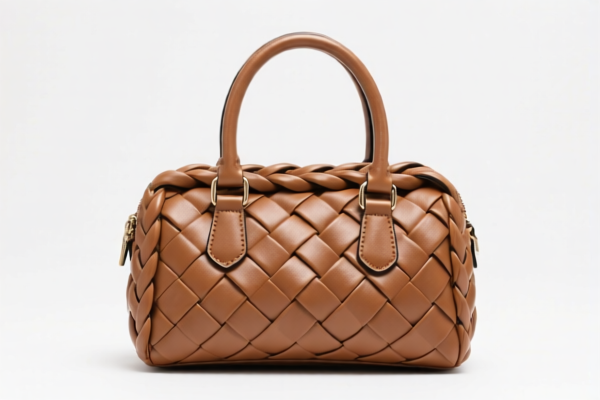
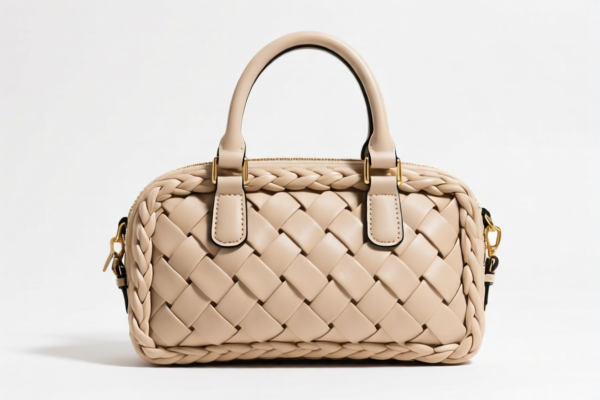
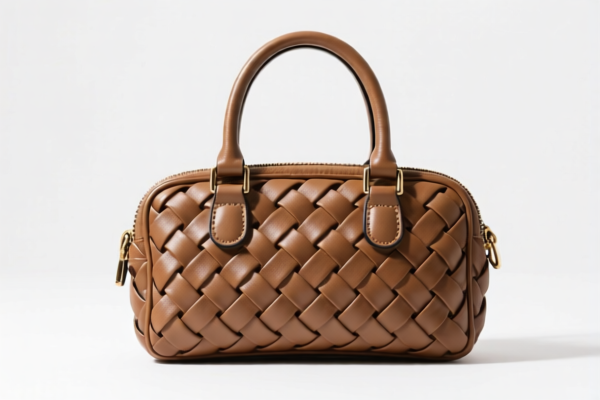
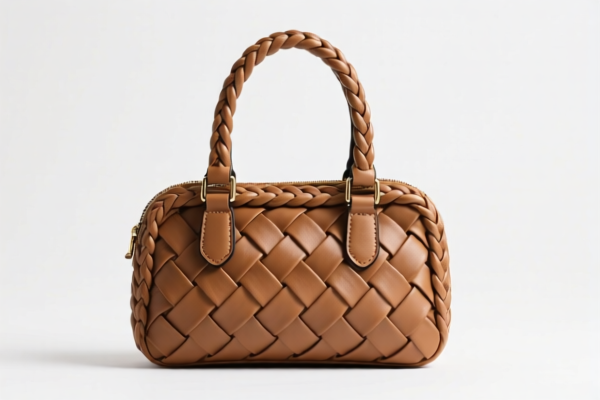
AI Analysis
👜 Summer Travel Woven Handbag with Shoulder Strap and Handle
🌐 HS Code Reference & Customs Clearance Guide | 2026 Latest Tariff Analysis | Professional Entry Strategy
📌 1. Product Definition: What Makes This Bag Unique?
A "Summer Travel Woven Handbag with Shoulder Strap and Handle" is a versatile accessory designed for leisure, travel, and daily use. In international trade, the classification of woven bags depends heavily on the material composition and structural form.
The key distinction lies in the raw material: * Vegetable Materials (Bamboo, Rattan, Straw, Reeds): If the weaving is done using plant fibers, it falls under Chapter 46. * Textile Materials (Wicker, Synthetic Woven Fabric): If the weaving is done using textile fibers or man-made materials, it falls under Chapter 42.
⚠️ Critical Distinction:
- If the primary structure is made from bamboo, rattan, or straw → Classify under 4602.11.21.00 or 4602.19.29.20.
- If the primary structure is made from textile fibers (cotton, polyester, etc.) or synthetic woven materials → Classify under 4202.22.40.20 or 4202.22.89.80.
📦 2. HS Code Classification Details (Based on Provided Data)
| HS Code | Product Description | Material Inference | Application Scenario |
|---|---|---|---|
4202.22.40.20 |
Woven Handbag, matching form and weaving material characteristics | Textile/Synthetic Woven | Summer fashion bags, straw-like synthetic weaves |
4602.19.29.20 |
Woven Handbag, conforming to vegetable material weaving product characteristics | Vegetable Fiber (Non-Bamboo/Rattan) | Straw bags, seagrass bags, reed bags |
4602.11.21.00 |
Woven Handbag, inferred material is bamboo, rattan, or similar plant materials | Bamboo/Rattan/Plastic Imitation | Traditional woven baskets, durable travel totes |
4202.22.89.80 |
Woven Handbag, inferred material is other textile materials | Other Textiles | Fabric-woven bags, non-plant fiber weaves |
🔍 Key Reminder:
- The presence of a shoulder strap and handle does not change the fundamental classification from "Handbag" (Chapter 42 or 46).
- Vegetable materials (Chapter 46) generally have lower base duties than textile materials (Chapter 42).
💰 3. 2026 Latest Tariff Rate Breakdown (Including Additional Duties)
✅ Applicable Country: United States (US)
✅ Origin: China (CN)
✅ Effective Time: Current tariff structure applies
🎯 1. 4202.22.40.20 —— Woven Handbag (Textile/Synthetic Match)
| Item | Details |
|---|---|
| Base Duty | 7.4% |
| Section 301 Duty | +25.0% |
| Section 122 Duty | +10.0% |
| Total Effective Rate | 42.4% |
| Calculation | CIF Value × 42.4% |
| De Minimis Exemption | ❌ Not Eligible |
| Legal Basis Path | Base Tariff → Section 301 (Footnote 9903.88.01) → Section 122 |
📌 Explanation:
- Section 301 (25%): Imposed on a wide range of goods from China under the Trade Act of 1974.
- Section 122 (10%): Often applied to certain manufactured goods; adds to the total burden.
- Total 42.4%: This is a high-cost category. Accurate material declaration is crucial to avoid over-payment if the bag is actually vegetable-based.
🎯 2. 4602.19.29.20 —— Woven Handbag (Vegetable Material)
| Item | Details |
|---|---|
| Base Duty | 5.3% |
| Section 301 Duty | +25.0% |
| Section 122 Duty | +10.0% |
| Total Effective Rate | 40.3% |
| Calculation | CIF Value × 40.3% |
| De Minimis Exemption | ❌ Not Eligible |
| Legal Basis Path | Base Tariff → Section 301 → Section 122 |
📌 Note:
- Even with vegetable materials, Section 301 and Section 122 duties apply.
- Slightly lower total duty (40.3%) compared to textile-woven bags (42.4%).
🎯 3. 4602.11.21.00 —— Woven Handbag (Bamboo/Rattan)
| Item | Details |
|---|---|
| Base Duty | 6.2% |
| Section 301 Duty | +25.0% |
| Section 122 Duty | +10.0% |
| Total Effective Rate | 41.2% |
| Calculation | CIF Value × 41.2% |
| De Minimis Exemption | ❌ Not Eligible |
| Legal Basis Path | Base Tariff → Section 301 → Section 122 |
📌 Analysis:
- Bamboo/rattan items have a slightly higher base duty (6.2%) than other vegetable fibers (5.3%), resulting in a mid-range total rate.
- Best Practice: Ensure the product is genuinely bamboo/rattan to avoid misclassification penalties.
🎯 4. 4202.22.89.80 —— Woven Handbag (Other Textile Materials)
| Item | Details |
|---|---|
| Base Duty | 17.6% |
| Section 301 Duty | +25.0% |
| Section 122 Duty | +10.0% |
| Total Effective Rate | 52.6% |
| Calculation | CIF Value × 52.6% |
| De Minimis Exemption | ❌ Not Eligible |
| Legal Basis Path | Base Tariff → Section 301 → Section 122 |
📌 Warning:
- This is the highest tariff category (52.6%).
- It applies if the bag is made from generic textile weaves (e.g., polyester woven fabric) that do not fit the specific "straw/plant fiber" definitions of Chapter 46.
- Cost Impact: Significant increase in landed cost.
🛠️ 4. Customs Clearance Practical Advice (Battle-Proven Tips)
✅ 1. Documentation Checklist (Mandatory)
| Document | Required | Notes |
|---|---|---|
| ✅ Product Specifications | ✔️ | Must specify material composition (e.g., "100% Bamboo" or "Polyester Woven") |
| ✅ Material Test Report | ✔️ | Third-party lab report confirming material type (crucial for Chapter 42 vs. 46) |
| ✅ Product Photos | ✔️ | Clear images showing weaving texture and construction |
| ✅ Commercial Invoice | ✔️ | Declare "Woven Handbag" with specific material description |
| ✅ Packing List | ✔️ | Detail weights and dimensions |
🔥 Critical Tip:
- Do NOT simply write "Handbag." Write "Woven Handbag made of [Specific Material]".
- If the material is ambiguous, Customs may default to the highest duty rate (4202.22.89.80at 52.6%).
✅ 2. Classification Strategy (Key Mnemonic)
🔥 “Plant Fiber = Ch46, Textile = Ch42, Base Rate Determines Final Cost!”
| Scenario | Recommended HS Code | Total Duty | Reason |
|---|---|---|---|
| Bamboo/Rattan Bag | 4602.11.21.00 |
41.2% | Natural plant material, structured weaving |
| Straw/Seagrass Bag | 4602.19.29.20 |
40.3% | Other vegetable fibers, lower base duty |
| Synthetic Wicker | 4202.22.40.20 |
42.4% | Textile/synthetic weave matching form |
| Generic Woven Fabric | 4202.22.89.80 |
52.6% | Avoid if possible – Highest duty |
✅ 3. Special Circumstances Handling
| Situation | Recommendation |
|---|---|
| Mixed Materials | If bag has bamboo frame but textile lining, classify based on primary exterior material. Usually, the woven exterior dictates Chapter 42 vs. 46. |
| Accessories | Metal straps, leather handles, or zipper closures do not change the HS code unless they constitute the main character of the item (rare for handbags). |
| Sample vs. Production | Ensure sample and production goods have identical material composition to avoid disputes during inspection. |
🌍 5. Global Market Comparison (2026 Update)
| Country/Region | Recommended HS Code | Base Duty | Additional Duties (China Origin) | Total Est. Rate | Notes |
|---|---|---|---|---|---|
| 🇺🇸 USA | 4602.19.29.20 |
5.3% | +35% (301+122) | 40.3% | High non-tariff barriers possible |
| 🇺🇸 USA | 4202.22.89.80 |
17.6% | +35% (301+122) | 52.6% | Avoid if vegetable alternative exists |
| 🇨🇳 China | 4602.11.21.00 |
10-12% | None | ~12% | No Section 301/122 |
| 🇪🇺 EU | 4602.11.21.00 |
0-4% | None | ~4% | No Section 301 equivalent |
| 🇯🇵 Japan | 4602.11.21.00 |
3.5% | None | ~3.5% | Favorable for woven goods |
📌 Conclusion:
- The US market imposes heavy additional duties on all these categories.
- Vegetable materials (Chapter 46) are always more favorable than generic textile weaves (Chapter 42) due to lower base duties.
- Strategic Move: If possible, source or modify designs to use vegetable fibers (straw, bamboo) to reduce the total tax burden by 1-2% compared to synthetic textiles.
📌 6. Common Errors & Pitfalls (Learn from Others' Mistakes)
❌ Error 1: Declaring "Bamboo Bag" but using plastic imitation
👉 Consequence: Customs reclassifies as textile (4202.22.89.80), charges 52.6% + penalties.
✅ Fix: Provide material test reports proving natural fiber content.
❌ Error 2: Ignoring Section 122 duties
👉 Consequence: Underpayment by 10%, leading to audits and back-taxes.
✅ Fix: Always add 10% for Section 122 if applicable to the specific HTSUS entry.
❌ Error 3: Vague Description "Woven Bag"
👉 Consequence: Customs may assign the highest duty rate (52.6%) due to ambiguity.
✅ Fix: Specify "Woven Handbag, Material: Bamboo/Straw/Synthetic".
🎯 7. Final Recommendation: Optimize for Cost & Compliance
🎯 Key Takeaway:
🔹 "Vegetable = Lower Base, Textile = Higher Base. Always Prove Material!"
🔹 "42.4% to 52.6% is a huge spread. Don't let ambiguity cost you 10%."
✅ Action Plan: 1. Confirm Material: Get a lab test report for the weaving material. 2. Choose Chapter 46 if Possible: Bamboo/Rattan/Straw bags have lower base duties. 3. Declare Precisely: Use specific material names in the commercial invoice. 4. Budget for 40-52%: Factor in the full 35% additional duties (25% + 10%) in your pricing model.
📣 Immediate Action:
📞 Consult with a licensed customs broker for a Pre-Ruling if the material composition is unclear.
🚀 Accurate classification saves thousands. Don't gamble with 52.6%!
✨ Professional Clearance Starts with Precision!
💼 Every percentage point counts in cross-border trade.
Customer Reviews
About HS Code Classification
The Harmonized System (HS) is an internationally standardized nomenclature developed by the World Customs Organization (WCO) to classify traded products. Over 200 countries use the HS system as the basis for customs tariffs, trade statistics, and import/export regulations.
Each HS code follows a hierarchical structure:
- Chapter (2 digits) — Broad category of goods (e.g., Chapter 84: Machinery and Mechanical Appliances)
- Heading (4 digits) — More specific grouping within the chapter
- Subheading (6 digits) — Internationally standardized breakdown, used by all WCO member countries
- National subdivisions (8-10 digits) — Country-specific extensions for further classification, such as US HTSUS 10-digit codes
Correct HS code classification is essential for smooth customs clearance, accurate duty payment, and compliance with trade regulations. Misclassification can lead to customs delays, overpayment of duties, or penalties.
When importing from CN to US, the applicable tariff rates may include:
- Most-Favored-Nation (MFN) rate — The standard duty rate applied to WTO members
- General rate — Applied to countries without trade agreements
- Trade remedy duties — Additional tariffs such as Section 301 (anti-dumping), Section 232 (national security), or countervailing duties
The information provided on this page is for reference purposes only. For official classification, please consult with your local customs authority or a licensed customs broker.