Sunshade Curtain
CN → US| HS Code | Tariff Rate | Origin | Destination | Doc |
|---|---|---|---|---|
| 6303910020 | 27.8% | CN | US | Official Doc |
| 6303910010 | 27.8% | CN | US | Official Doc |
| 5903901000 | 37.7% | CN | US | Official Doc |
| 6307909891 | 24.5% | CN | US | Official Doc |
| 5407619970 | 49.9% | CN | US | Official Doc |
| 5407619965 | 49.9% | CN | US | Official Doc |
Product Images
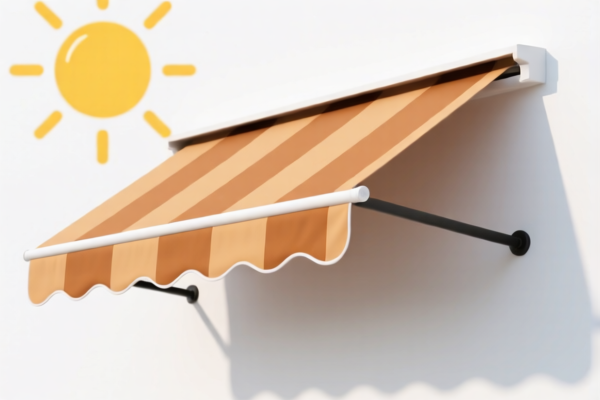
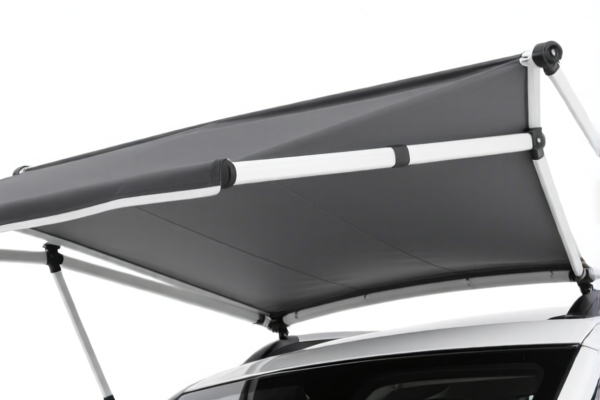
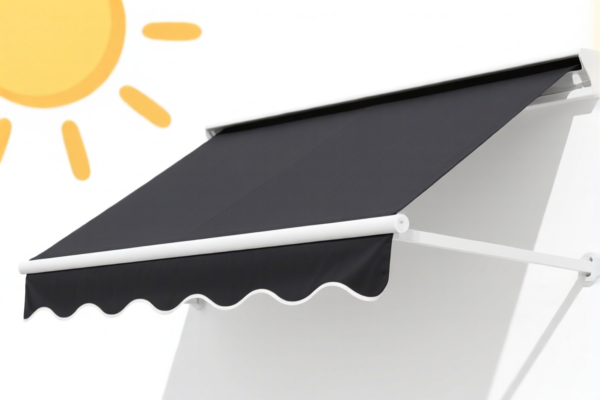
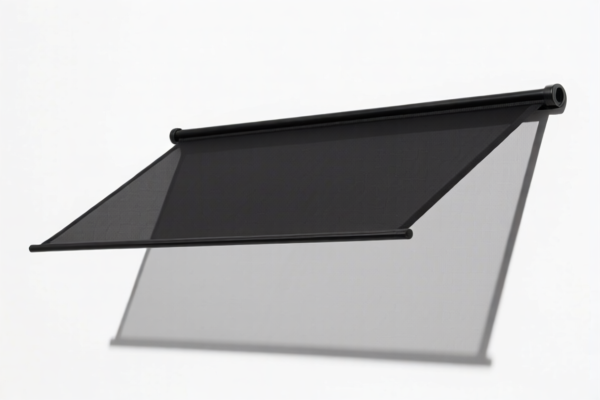
AI Analysis
🪟 Sunshade Curtain (遮阳帘/窗帘)
🌐 HS Code Reference & Customs Clearance Guide | 2026 Latest Tariff Analysis | Professional Compliance Strategy
📌 I. Product Definition & Classification: Do You Really Understand "Sunshade Curtains"?
Sunshade curtains are essential functional textiles used for light control, privacy, and thermal insulation in residential, commercial, and industrial settings. In international trade, they are not a single monolithic category but are differentiated by material composition, structural processing (coating/lamination), and functional purpose.
Two Main Categories in Trade: 1. Textile Curtains & Drapes (Chapter 63): Woven or non-woven fabrics, typically made of cotton, linen, or synthetic fibers, used primarily for decoration and basic light filtering. 2. Technical Textiles/Processed Fabrics (Chapter 54/59): Fabrics that have undergone significant chemical or physical processing (e.g., heavy coating, lamination, PVC backing) to enhance UV protection, waterproofing, or durability. These often fall under specific "manufactured articles" or "chemically treated textiles."
⚠️ Critical Distinction Point:
- If it is a standard woven cotton/synthetic fabric used as a curtain → Chapter 63 (6303, 6307).
- If it is heavily coated/laminated (e.g., PVC-coated polyester) for technical sun protection → Chapter 59 (5903).
- If it is purely synthetic filament without specific curtain classification → Chapter 54 (5407).
📦 II. HS Code Classification Details (2026 Latest Tariff Authority Reference)
Based on the provided data, here are the specific HS Codes for "Sunshade Curtains" (棉制/涤纶制遮阳帘), their rationale, and associated taxes.
| HS Code | Product Description | Rationale for Classification | Material/Structure Focus |
|---|---|---|---|
6303.91.00.20 |
Cotton Sunshade Curtain, consistent with cotton material and curtain usage | Falls under "Curtains... of cotton" (6303.91). Specifically designated for cotton-based sunshades. | ✅ Cotton (Natural Fiber) ✅ Curtain Function |
6303.91.00.10 |
Cotton Sunshade Curtain, explicitly cotton material & curtain attributes | Same as above, specific subheading for cotton curtains. Used for standard cotton weaving. | ✅ Cotton (Natural Fiber) ✅ Curtain Function |
6307.90.98.91 |
Cotton Sunshade Curtain, belongs to "Other Made-up Articles" | Classified under "Other made-up articles" (6307) if it doesn't strictly fit standard curtain definitions or is a special finished product. | ✅ Cotton ✅ Finished Article (Non-standard) |
5903.90.10.00 |
Cotton Sunshade Curtain, involves coated or laminated textile | Classified under Chapter 59 because the fabric has been coated or laminated (e.g., PVC, polymer coating) for enhanced sun protection. | ✅ Cotton Base ✅ Coated/Laminated (Technical) |
5407.61.99.70 |
Polyester Sunshade Curtain, consistent with polyester filament requirements | Falls under Chapter 54 (Synthetic Filament Yarn). Specifically for polyester fabrics that are not primarily classified as "curtains" in Chapter 63 due to lack of treatment or specific form. | ✅ Polyester (Synthetic) ✅ Filament Fabric |
5407.61.99.65 |
Polyester Sunshade Curtain, consistent with polyester filament & fabric form | Similar to above, specific subheading for polyester woven fabrics used as sunshades. | ✅ Polyester (Synthetic) ✅ Woven Fabric |
🔍 Key Reminder:
- Material is King: If the primary material is Cotton, look at 6303 or 5903. If Polyester, look at 5407 or 6303/6307.
- Processing Matters: If the curtain is coated/laminated (e.g., black-out coating with PVC), it moves to 5903 (Chapter 59). If it is just woven, it stays in 6303.
- "Curtain" vs. "Other Article": If it lacks the standard "curtain" structure (e.g., simple woven shade without hemming/lining), it may be classified under 6307 (Other Made-up Articles).
💰 III. 2026 Latest Tariff Rate Breakdown (Including Surtaxes, Policy Add-ons)
✅ Applicable Country: United States (US)
✅ Origin: China (CN)
✅ Effective Date: 2025/2026 (Including subsequent imports)
⚠️ Note: All rates below include Base Tariff + Section 301 Surcharge + Section 122 Tariff.
🎯 1. 6303.91.00.20 & 6303.91.00.10 —— Cotton Sunshade Curtains
| Item | Content |
|---|---|
| Base Tariff | 10.3% (ad valorem) |
| Section 301 Surcharge | +7.5% (Specific to textile/cotton categories under current USITC rulings) |
| Section 122 Tariff | +10% (Additional surcharge for certain cotton products) |
| Total Effective Rate | 27.8% |
| Tax Calculation | CIF Value × 27.8% |
| De Minimis Eligibility | ❌ No (High tariff categories typically excluded from $800 exemption if misclassified, but strictly subject to full duty if properly declared) |
| Legal Basis Path | HTSUS:6303.91.00 → USITC:Section 301 → USCBP:Section 122 |
📌 Explanation:
- 10.3% Base: Standard Most Favored Nation (MFN) rate for cotton curtains.
- 7.5% Section 301: Specific surcharge applied to many textile and apparel imports from China.
- 10% Section 122: A separate administrative tariff often applied to cotton goods to protect domestic cotton producers.
- Total: 27.8%. This is a moderate-high tariff for textiles.
🎯 2. 6307.90.98.91 —— Cotton Sunshade Curtain (Other Made-up Articles)
| Item | Content |
|---|---|
| Base Tariff | 7.0% (ad valorem) |
| Section 301 Surcharge | +7.5% |
| Section 122 Tariff | +10% |
| Total Effective Rate | 24.5% |
| Tax Calculation | CIF Value × 24.5% |
| De Minimis Eligibility | ❌ No |
| Legal Basis Path | HTSUS:6307.90.98 → USITC:Section 301 → USCBP:Section 122 |
📌 Note:
- Lower Base Rate: Because it is classified as "Other Made-up Articles" rather than "Curtains," the base tariff is lower (7.0% vs 10.3%).
- Same Surtaxes: The 301 and 122 surcharges still apply, leading to a 24.5% total rate.
- Strategy: If the product design allows, classifying under 6307 may save 3.3% compared to 6303.
🎯 3. 5903.90.10.00 —— Cotton Sunshade Curtain (Coated/Laminated)
| Item | Content |
|---|---|
| Base Tariff | 2.7% (ad valorem) |
| Section 301 Surcharge | +25.0% (High rate for technical textiles/coated fabrics) |
| Section 122 Tariff | +10% |
| Total Effective Rate | 37.7% |
| Tax Calculation | CIF Value × 37.7% |
| De Minimis Eligibility | ❌ No |
| Legal Basis Path | HTSUS:5903.90.10 → USITC:Section 301 → USCBP:Section 122 |
📌 Warning:
- High Total Rate: Although the base tariff is low (2.7%), the 25% Section 301 surcharge pushes the total to 37.7%.
- Reason: Coated/laminated textiles are often targeted for higher tariffs due to perceived unfair competition from subsidized production.
- Avoidance: Ensure the coating is minimal if you want to stay under Chapter 63. If it's a heavy PVC coating, you must use 5903.
🎯 4. 5407.61.99.70 & 5407.61.99.65 —— Polyester Sunshade Curtains
| Item | Content |
|---|---|
| Base Tariff | 14.9% (ad valorem) |
| Section 301 Surcharge | +25.0% (High rate for synthetic filament fabrics) |
| Section 122 Tariff | +10% |
| Total Effective Rate | 49.9% |
| Tax Calculation | CIF Value × 49.9% |
| De Minimis Eligibility | ❌ No |
| Legal Basis Path | HTSUS:5407.61.99 → USITC:Section 301 → USCBP:Section 122 |
📌 Critical Alert:
- Highest Tariff Group: Polyester filament fabrics face the highest total tariff at 49.9%.
- Why?: Base is 14.9% (high for textiles), plus a 25% Section 301 surcharge (very high for synthetics), plus 10% Section 122.
- Recommendation: Avoid importing simple polyester sunshades directly from China if possible, or consider re-export from third countries with different origin rules (if legal).
🛠️ IV. Customs Clearance Practical Advice (Real-World Pitfall Guide)
✅ 1. Preparation Checklist (Missing items = Delays)
| Document | Required | Notes |
|---|---|---|
| ✅ Product Specification Sheet | ✔️ | Must detail: Material (e.g., 100% Cotton), Construction (Woven/Knit), Treatment (Coated/Uncoated), Dimensions. |
| ✅ Photos (Labeled) | ✔️ | Show texture, hemming, lining, and any coatings. Close-ups of fabric weave. |
| ✅ Commercial Invoice | ✔️ | Must clearly state "Cotton Sunshade Curtain" or "Polyester Woven Fabric" — avoid vague terms like "Textile Material." |
| ✅ Packing List | ✔️ | Include gross/net weight. |
| ✅ Country of Origin Certificate | ✔️ | If claiming origin from non-China, required for potential duty drawbacks (if applicable). |
| ✅ Third-Party Test Report | ✔️ | For coated fabrics (5903), provide proof of coating type (e.g., PVC, PU) to justify classification. |
✅ 2. Declaration Tips (Key Mnemonics)
🔥 “Material First, Coating Check, Name Specific, Tax Predict!”
| Scenario | Correct Declaration | Common Mistake | Consequence |
|---|---|---|---|
| Standard Cotton Curtain | 6303.91.00.10/20 |
Declared as "Polyester" | 🚫 Misclassification: High audit risk, penalties. |
| Coated Cotton Shade | 5903.90.10.00 |
Declared as 6303 (Curtain) |
🚫 Underpaid Duty: Base 10.3% vs Actual 2.7% + 25% 301. Risk of back-duties. |
| Simple Polyester Weave | 5407.61.99.70 |
Declared as 6307 (Other) |
🚫 Risk: Customs may argue it's a "curtain" and reassess, but base rates differ. |
| Made-up Cotton Article | 6307.90.98.91 |
Declared as 6303 |
✅ Savings: 24.5% vs 27.8%. Justify with "non-standard construction." |
✅ 3. Special Cases Handling
| Situation | Handling Advice |
|---|---|
| OEM Custom Curtains | Provide design specs. If unique shape, argue for 6307 (Other Made-up Articles) to potentially lower base rate. |
| Blackout Lining Included | If lined, ensure main fabric determination. If cotton face + polyester back, classification depends on essential character. |
| Automated Roller Blinds | If motorized, may fall under Chapter 85 (Electrical), not textiles! Check if "sunshade" includes motor mechanisms. |
| Samples for Evaluation | Even for samples, duties apply if value > $800 (de minimis does NOT apply to high-tariff goods like these from China). |
🌍 V. Global Market Clearance Comparison (2026 Latest)
| Country/Region | Recommended HS Code | Tariff (CN Origin) | Certification | Notes |
|---|---|---|---|---|
| 🇺🇸 USA | 6303.91.00.10 |
27.8% | N/A | High Section 301 + 122. Avoid 5407 (49.9%). |
| 🇨🇳 China | 6303.91.00.10 |
15% | N/A | Import duty for foreign goods. Lower than US. |
| 🇪🇺 EU | 6303.91 |
12% | CE (if coated) | No Section 301. Standard MFN rate applies. |
| 🇬🇧 UK | 6303.91 |
12% | N/A | Post-Brexit tariff aligns with EU MFN. |
| 🇦🇺 Australia | 6303.91 |
5% | N/A | Low tariff. No surtaxes like US. |
📌 Conclusion:
- USA is the most expensive market for sunshade curtains from China due to Section 301 & 122.
- Polyester (5407) is the worst-case scenario (49.9% total).
- Cotton (6303) is moderate (27.8%).
- Coated (5903) is high (37.7%) due to 25% 301 surcharge.
📌 VI. Common Errors & Pitfall Guide (Lessons Learned)
❌ Error 1: Declaring a coated fabric as a standard curtain (6303)
👉 Consequence: Customs will reclassify to 5903, assess 37.7% instead of 27.8%, and charge penalties for underpayment.
❌ Error 2: Declaring polyester filament (5407) as cotton (6303)
👉 Consequence: Audit failure. Sample testing will reveal synthetic fibers. 100% duty refund denied + fines.
❌ Error 3: Ignoring Section 122 for cotton goods
👉 Consequence: You calculated 10.3% + 7.5% = 17.8%, but actual is 27.8%. 10% underpayment on every shipment.
❌ Error 4: Using vague descriptions like "Textile Cover"
👉 Consequence: Customs assigns a catch-all HS code with the highest possible duty. Always be specific: "Woven Cotton Sunshade Curtain."
✅ Correct Practice:
“100% Woven Cotton Sunshade Curtain, Hemmed Edges, Uncoated, For Window Use, Model XYZ”
→ Use6303.91.00.10or.20(27.8% total).
🎯 VII. Conclusion: Professional Declaration Saves Money!
🎯 Remember the Mnemonic:
🔹 “Cotton Curtain: 27.8%, Other Cotton: 24.5%, Coated Cotton: 37.7%, Polyester: 49.9%!”
🔹 “Polyester from China is a tax trap (49.9%). Stick to Cotton if possible, or check Third-Country Origin.”
📌 Pro Tip:
If your sunshades are coated, ensure the coating is documented. If it’s a technical shade (e.g., solar control), consider if it fits 5903 or if a more generic 6307 classification is defensible.
Always apply for an Advance Ruling from US Customs if the classification is borderline between 6303 and 6307 to avoid surprise bills.
📣 Immediate Action:
📞 Consult a licensed customs broker + Provide fabric swatch + Get Pre-Ruling
🚀 Minimize Duty, Maximize Profit, Clear Customs Smoothly!
✨ Professional Customs Clearance Starts with Accurate Classification!
💼 Every Percent of Duty Counts in the Global Market!
Customer Reviews
About HS Code Classification
The Harmonized System (HS) is an internationally standardized nomenclature developed by the World Customs Organization (WCO) to classify traded products. Over 200 countries use the HS system as the basis for customs tariffs, trade statistics, and import/export regulations.
Each HS code follows a hierarchical structure:
- Chapter (2 digits) — Broad category of goods (e.g., Chapter 84: Machinery and Mechanical Appliances)
- Heading (4 digits) — More specific grouping within the chapter
- Subheading (6 digits) — Internationally standardized breakdown, used by all WCO member countries
- National subdivisions (8-10 digits) — Country-specific extensions for further classification, such as US HTSUS 10-digit codes
Correct HS code classification is essential for smooth customs clearance, accurate duty payment, and compliance with trade regulations. Misclassification can lead to customs delays, overpayment of duties, or penalties.
When importing from CN to US, the applicable tariff rates may include:
- Most-Favored-Nation (MFN) rate — The standard duty rate applied to WTO members
- General rate — Applied to countries without trade agreements
- Trade remedy duties — Additional tariffs such as Section 301 (anti-dumping), Section 232 (national security), or countervailing duties
The information provided on this page is for reference purposes only. For official classification, please consult with your local customs authority or a licensed customs broker.