Support Gloves
CN → US| HS Code | Tariff Rate | Origin | Destination | Doc |
|---|---|---|---|---|
| 6216000500 | 17.5% | CN | US | Official Doc |
| 3926204010 | 16.5% | CN | US | Official Doc |
| 6216000800 | 18.3% | CN | US | Official Doc |
| 3926201020 | 10.0% | CN | US | Official Doc |
Product Images
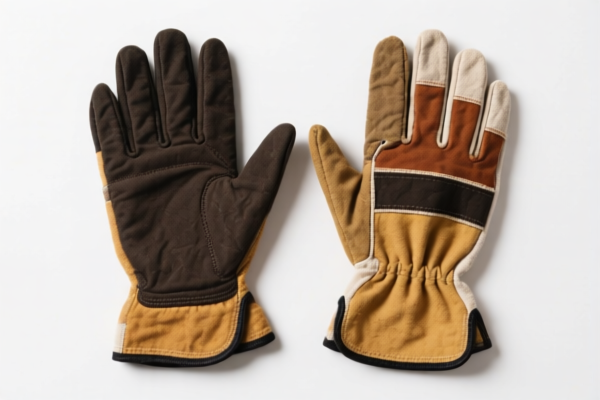
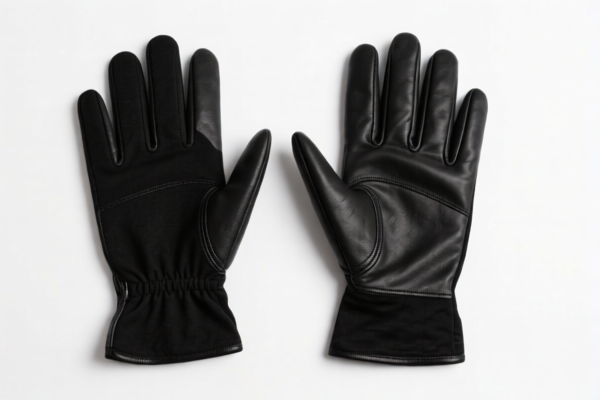
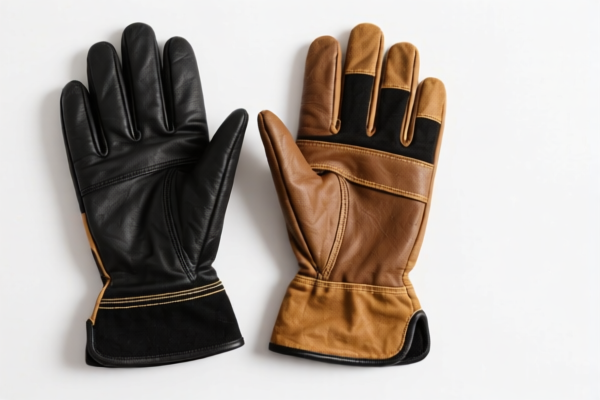
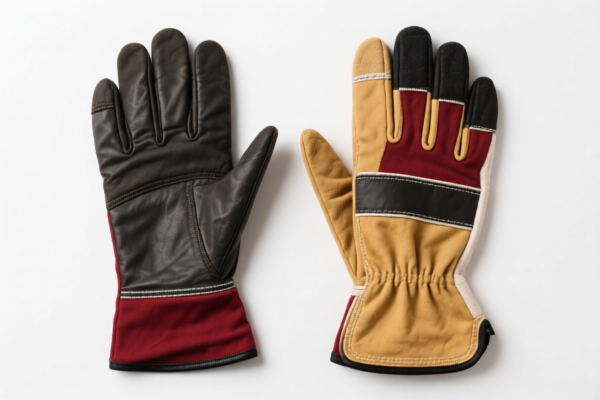
AI Analysis
🧤 Support Gloves (Protective/Industrial Gloves)
🌐 HS Code Reference & Customs Clearance Guide | 2026 Latest Tariff Analysis | Professional Customs Strategy
📌 I. Product Definition & Classification: What Exactly Are "Support Gloves"?
In international trade, "Support Gloves" is a broad functional term. It typically refers to gloves designed for hand protection, industrial labor, or medical support. To determine the correct HS Code, we must distinguish between the material composition and the surface treatment (coating/impregnation).
The data provided highlights four potential classifications, falling into two main categories: 1. Textile-based Gloves (Chapter 62): Often used for industrial work where the base is fabric but coated for protection. 2. Plastic/Synthetic Gloves (Chapter 39): Purely plastic or synthetic material gloves (e.g., nitrile, PVC).
⚠️ Key Distinction Point:
- If the glove is textile-based with plastic/rubber coating → Look at 6216 codes.
- If the glove is purely plastic/synthetic → Look at 3926 codes.
- "Support" Function: If for medical/support purposes without coating, it might lean towards textile; if for industrial protection, it leans towards coated textiles or plastics.
📦 II. HS Code Classification Details (2026 Latest Tariff Authority Comparison)
Based on the provided data, here are the four specific HS Codes and their logical deductions:
| HS Code | Product Description & Deduction | Material/State |
|---|---|---|
6216.00.05.00 |
Coated/Impregnated Textile Gloves Summary: Matches "glove" form; infers plastic/rubber impregnation for protection. |
Textile base + Plastic/Rubber Coating |
3926.20.40.10 |
Plastic/Synthetic Gloves Summary: Form is gloves; infers material is plastic/synthetic, fitting plastic products category. |
Pure Plastic/Synthetic (e.g., Nitrile, PVC) |
6216.00.08.00 |
Impregnated/Coated Textile Gloves Summary: Matches form/function; infers plastic/rubber coating/covering. |
Textile base + Plastic/Rubber Coating |
3926.20.10.20 |
Plastic/Synthetic Gloves (General) Summary: Form is gloves; functional description infers plastic/synthetic material. |
Pure Plastic/Synthetic |
🔍 Critical Analysis:
- Codes6216.xx.xx: These are for gloves made of textile materials (cotton, wool, synthetic fibers) that are impregnated, coated, covered, or laminated with plastic or rubber. This is common for "industrial work gloves" or "support gloves" used in construction/manufacturing. - Codes3926.20.xx: These are for gloves of plastics or of synthetic materials. This includes disposable nitrile gloves, heavy-duty chemical-resistant gloves, or pure plastic protective wear.
💰 III. 2026 Latest Tariff Rate Breakdown (Including Surtaxes & Policy Add-ons)
✅ Applicable Country: United States (US)
✅ Origin: China (CN)
✅ Effective Date: 2025/2026 Current Policy
🎯 1. 6216.00.05.00 —— Textile Gloves, Impregnated/Coated with Plastic
| Item | Detail |
|---|---|
| Base Tariff | 0.0% (MFN Rate for this subheading) |
| Section 301 Surtax | +7.5% |
| Section 122 Tariff | +10.0% (Specific trade remedy/add-on) |
| Total Tax Rate | 17.5% |
| Tax Calculation | CIF Value × 17.5% |
| Legal Basis | Base 0% + 301 (7.5%) + 122 (10%) |
📌 Explanation:
- This code often benefits from a 0% base tariff if classified strictly as certain coated textiles.
- However, due to US-China trade tensions, it is subject to both the Section 301 surcharge (7.5%) and a specific 122-clause tariff (10%).
- Total burden: 17.5%.
🎯 2. 3926.20.40.10 —— Gloves of Plastic/Synthetic Material
| Item | Detail |
|---|---|
| Base Tariff | 6.5% |
| Section 301 Surtax | 0.0% (Note: Data indicates 0% for this specific subcode in the provided set) |
| Section 122 Tariff | +10.0% |
| Total Tax Rate | 16.5% |
| Tax Calculation | CIF Value × 16.5% |
| Legal Basis | Base 6.5% + 122 (10%) |
📌 Explanation:
- This code has a higher base tariff (6.5%) compared to6216.00.05.00.
- Interestingly, the provided data shows 0% Section 301 surcharge for this specific subcode, but it still carries the 10% Section 122 tariff.
- Total burden: 16.5%.
🎯 3. 6216.00.08.00 —— Other Impregnated/Coated Textile Gloves
| Item | Detail |
|---|---|
| Base Tariff | 0.8% |
| Section 301 Surtax | +7.5% |
| Section 122 Tariff | +10.0% |
| Total Tax Rate | 18.3% |
| Tax Calculation | CIF Value × 18.3% |
| Legal Basis | Base 0.8% + 301 (7.5%) + 122 (10%) |
📌 Explanation:
- This is a "catch-all" or different subheading under Chapter 62.
- It incurs a small base tariff (0.8%) plus both surcharges.
- Total burden: 18.3% (Highest among the 6216 options).
🎯 4. 3926.20.10.20 —— Gloves of Plastic/Synthetic (Specific Subcode)
| Item | Detail |
|---|---|
| Base Tariff | 0.0% |
| Section 301 Surtax | 0.0% |
| Section 122 Tariff | +10.0% |
| Total Tax Rate | 10.0% |
| Tax Calculation | CIF Value × 10.0% |
| Legal Basis | Base 0% + 122 (10%) |
📌 Explanation:
- This is the LOWEST tax rate option (10%) in the provided dataset.
- It benefits from a 0% base tariff and 0% Section 301 surcharge, only paying the 10% Section 122 tariff.
- Strategy: If your "Support Gloves" can be accurately classified as pure plastic/synthetic under this specific subcode (3926.20.10.20), this is the most cost-effective classification.
🛠️ IV. Customs Clearance Practical Advice (Real-World Pitfall Guide)
✅ 1. Documentation Checklist (Essential for Clearance)
| Document | Must Provide? | Explanation |
|---|---|---|
| ✅ Product Specification Sheet | ✔️ | Detail material composition (e.g., "95% Cotton, 5% Spandex with Nitrile Coating" vs. "100% Nitrile"). |
| ✅ Material Composition Proof | ✔️ | Critical for distinguishing between Chapter 62 (Textile) and Chapter 39 (Plastic). |
| ✅ Product Photos | ✔️ | Clear images showing texture, coating, and any labels. |
| ✅ Commercial Invoice | ✔️ | Clearly state "Support Gloves" or "Industrial Protective Gloves." Avoid vague terms. |
| ✅ Packing List | ✔️ | Weight and quantity per carton. |
✅ 2. Classification Strategy & Tips
🔥 “Material Determines Chapter, Coating Determines Subheading!”
| Scenario | Recommended HS Code | Tax Rate | Reason |
|---|---|---|---|
| Pure Plastic/Synthetic Gloves (e.g., Nitrile, Latex, PVC) | 3926.20.10.20 |
10.0% | Lowest tax. Requires proof of non-textile material. |
| Plastic Base/Synthetic (Different subcode) | 3926.20.40.10 |
16.5% | Higher base tariff, but no 301 surcharge. |
| Textile Gloves with Plastic/Rubber Coating (Standard Industrial) | 6216.00.05.00 |
17.5% | 0% base + 301 + 122. Common for work gloves. |
| Textile Gloves with Coating (Other Types) | 6216.00.08.00 |
18.3% | Highest tax in this group. Avoid if other options fit. |
| Medical/Support Gloves (Non-coated, Textile) | Not in Data | Check Further | If not coated, may fall under other 6216 or 6116 codes. |
✅ 3. Special Considerations
| Situation | Advice |
|---|---|
| "Support" vs. "Protection" | If the glove is for medical support (e.g., compression gloves), it might NOT be a "protective glove" in the industrial sense. Ensure the description matches the intended use to avoid misclassification. |
| Coating Thickness | For Chapter 62, the weight or thickness of the coating can sometimes influence the subheading. Provide technical specs. |
| Section 122 Tariff | The 10% tariff applies to ALL four codes in this dataset. There is no escape from this surcharge for Chinese-origin goods under these codes. |
| Section 301 Tariff | You can save 7.5% by choosing 3926.20.40.10 or 3926.20.10.20 (if applicable) over 6216 codes. |
🌍 V. Global Market Comparison (2026)
| Country/Region | Recommended HS Code | Est. Tariff (China Origin) | Notes |
|---|---|---|---|
| 🇺🇸 USA | 3926.20.10.20 |
10.0% (Lowest) | Prefer plastic/synthetic classification if possible. |
| 🇨🇳 China | 3926.20.10.20 |
Varies | Check China's import tariff schedule. |
| 🇪🇺 EU | 4015.11 / 3926.20 |
Varies | EU has different coding. Nitrile gloves often 0-6.5%. |
| 🇬🇧 UK | 4015.11 / 3926.20 |
Varies | Post-Brexit rules apply. |
📌 Conclusion:
- The USA is the most complex market due to Section 301 and Section 122 tariffs.
- Cost Optimization: Aim for3926.20.10.20(10%) if the gloves are purely plastic/synthetic.
- If they are coated textiles,6216.00.05.00(17.5%) is cheaper than6216.00.08.00(18.3%).
📌 VI. Common Mistakes & Pitfalls (Lessons Learned)
❌ Mistake 1: Classifying coated textile gloves as plastic gloves (3926)
👉 Consequence: Customs may reject the declaration, leading to reclassification, fines, and delays. If the base is textile, it must be 6216.
❌ Mistake 2: Using a generic term "Gloves" without specifying material
👉 Consequence: Customs will request additional info, causing clearance delays.
❌ Mistake 3: Ignoring the Section 122 Tariff
👉 Consequence: Profit margin erosion. All four codes carry a 10% hit. Factor this into pricing.
❌ Mistake 4: Assuming Medical Support Gloves are the same as Industrial Protective Gloves
👉 Consequence: Misclassification. Medical gloves often have different codes (e.g., 4015.11 for latex). Ensure the "Support" function is clearly described.
✅ Correct Practice:
"Nitrile Support Gloves, 100% Synthetic Rubber, Non-Medical, Industrial Use" →
3926.20.10.20
"Cotton Work Gloves with PVC Coating, Industrial Protection" →6216.00.05.00
🎯 VII. Conclusion: Professional Declaration, Cost Savings!
🎯 Remember the Strategy:
🔹 "Material First: Plastic or Textile?"
🔹 "Plastic/Synthetic →3926.20.10.20(10%) is King!"
🔹 "Textile + Coating →6216.00.05.00(17.5%) >6216.00.08.00(18.3%)"
🔹 "Section 122 (10%) is unavoidable for China origin."
📌 Pro Tip:
If your product can be manufactured or assembled in a third country (e.g., Vietnam, Thailand) to avoid Section 301 and Section 122 tariffs, consider supply chain diversification. However, ensure substantial transformation occurs to change the Country of Origin.
📣 Immediate Action:
📞 Consult a customs broker to confirm the material composition of your "Support Gloves."
🚀 Declare accurately to save 7.5% - 8.3% in tariffs.
✨ Professional Customs Clearance Starts with Precise Classification!
💼 Every Cent Saved is a Cent Earned!
Customer Reviews
About HS Code Classification
The Harmonized System (HS) is an internationally standardized nomenclature developed by the World Customs Organization (WCO) to classify traded products. Over 200 countries use the HS system as the basis for customs tariffs, trade statistics, and import/export regulations.
Each HS code follows a hierarchical structure:
- Chapter (2 digits) — Broad category of goods (e.g., Chapter 84: Machinery and Mechanical Appliances)
- Heading (4 digits) — More specific grouping within the chapter
- Subheading (6 digits) — Internationally standardized breakdown, used by all WCO member countries
- National subdivisions (8-10 digits) — Country-specific extensions for further classification, such as US HTSUS 10-digit codes
Correct HS code classification is essential for smooth customs clearance, accurate duty payment, and compliance with trade regulations. Misclassification can lead to customs delays, overpayment of duties, or penalties.
When importing from CN to US, the applicable tariff rates may include:
- Most-Favored-Nation (MFN) rate — The standard duty rate applied to WTO members
- General rate — Applied to countries without trade agreements
- Trade remedy duties — Additional tariffs such as Section 301 (anti-dumping), Section 232 (national security), or countervailing duties
The information provided on this page is for reference purposes only. For official classification, please consult with your local customs authority or a licensed customs broker.