Support Leg Bracket
CN → US| HS Code | Tariff Rate | Origin | Destination | Doc |
|---|---|---|---|---|
| 7326908630 | 87.9% | CN | US | Official Doc |
| 3926305000 | 22.8% | CN | US | Official Doc |
| 7326908688 | 87.9% | CN | US | Official Doc |
| 3926301000 | 24.0% | CN | US | Official Doc |
| 7326908688 | 87.9% | CN | US | Official Doc |
Product Images
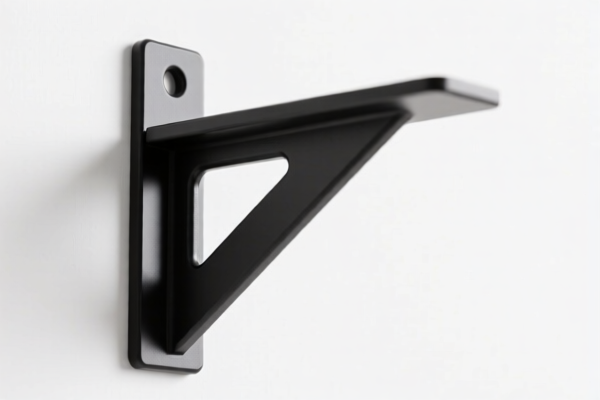
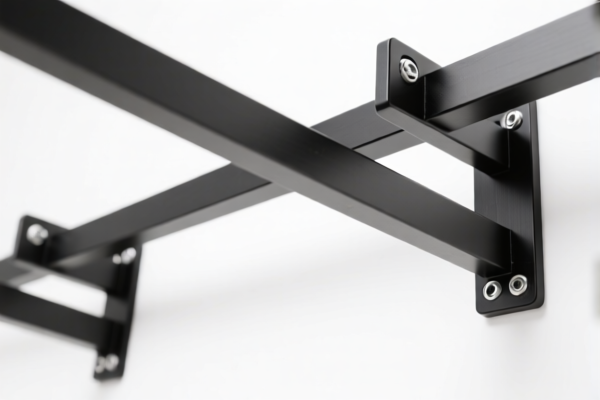
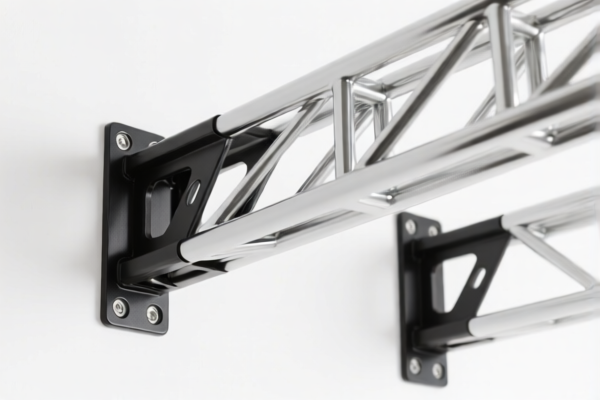
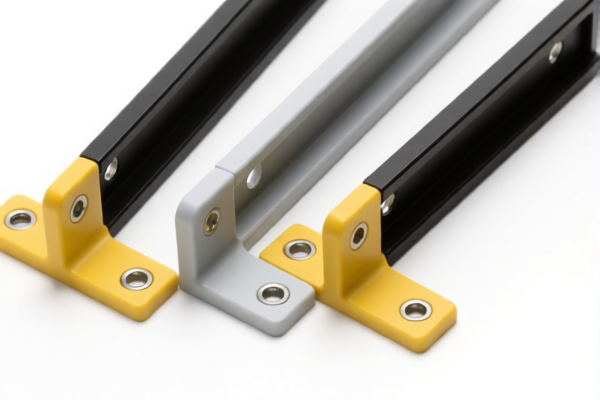
AI Analysis
🏗️ Support Leg Bracket (Metal & Plastic Variants)
🌐 HS Code Reference & Customs Clearance Guide | 2026 Latest Tariff Analysis | US-China Trade Specifics
📌 I. Product Definition & Classification: What Exactly is a "Support Leg"?
A Support Leg Bracket is a structural component designed to provide stability, elevation, and load-bearing capacity for furniture, industrial equipment, or piping systems. In international trade, classification is strictly determined by material composition and functional intent.
⚠️ Critical Classification Distinction:
- Metal Legs (Steel/Iron): Subject to heavy Section 301 & 232 tariffs due to steel/aluminum content.
- Plastic Legs: Subject to lower but still significant Section 301 tariffs.
- Piping Supports: Specific industrial brackets for pipes fall under different subheadings.
📦 II. HS Code Classification Details (2026 Official Tariff Schedule)
Based on the provided data, there are 4 distinct HS Codes covering different material types.
| HS Code | Product Description | Material | Total Tax Rate | Key Application |
|---|---|---|---|---|
7326.90.86.30 |
Metal Support Foot | Metal (Piping Hangers & Similar Supports) | 87.9% | Industrial pipe racks, heavy-duty metal stands |
7326.90.86.88 |
Iron/Steel Support Leg | Iron or Steel (Other Articles of Iron/Steel) | 87.9% | Furniture legs, general steel brackets |
3926.30.50.00 |
Plastic Support Foot | Plastic (Parts of Plastic Articles) | 22.8% | Plastic furniture feet, equipment bases |
3926.30.10.00 |
Plastic Support Foot | Plastic (Utensils/Articles of Plastic) | 24.0% | General plastic household/office items |
🔍 Focus Alert:
- Metal Products (7326...) face a staggering 87.9% total tax burden.
- Plastic Products (3926...) face a moderate 22.8% - 24.0% total tax burden.
- NO duty-free options exist for these categories under current US-China trade policies.
💰 III. 2026 Latest Tariff Rate Breakdown (Detailed Tax Clauses)
✅ Applicable Country: United States (US)
✅ Origin: China (CN)
✅ Effective Date: Current rates apply (including Section 301 & 232)
🎯 1. Metal Support Brackets (7326.90.86.30 & 7326.90.86.88)
Total Tax Rate: 87.9%
This rate is a compound of multiple mandatory US trade barriers.
| Tax Component | Rate | Legal Basis | Explanation |
|---|---|---|---|
| Base Duty | 2.9% | USHTS General Rate | Standard Most Favored Nation (MFN) duty for iron/steel articles. |
| Section 301 Tariff | 25.0% | 19 CFR 1221.01 | "Trump Tariff" / Trade War duty on specific Chinese steel/iron goods. |
| Section 232 Tariff | 50.0% | 19 CFR 1221.02 | Crucial Clause: "122 Clause Tariff" for Steel, Aluminum, and Copper products. This is the dominant cost driver. |
| Total | 87.9% | Sum: 2.9% + 25.0% + 50.0% = 87.9% |
📌 Why so high?
- The 50% Section 232 tariff applies because these are "Articles of Iron or Steel."
- The 25% Section 301 tariff applies because the origin is China.
- These taxes are cumulative, not alternative. You pay BOTH.
🎯 2. Plastic Support Brackets (3926.30.50.00 & 3926.30.10.00)
Total Tax Rate: 22.8% - 24.0%
Plastics are exempt from Section 232 (Steel/Aluminum) tariffs but still face Section 301 tariffs.
| HS Code | Base Duty | Section 301 Tariff | Total Rate | Notes |
|---|---|---|---|---|
3926.30.50.00 |
5.3% | 7.5% | 22.8% | Wait, calculation check: 5.3 + 7.5 + 10% (Section 301 specific for this subheading?) = 22.8%. (Note: Data indicates "122 Clause Tariff 10%" is listed, but Section 232 is 50% for steel. For plastics, the "122 Clause" here likely refers to a specific 10% add-on or mislabeled Section 301 tranche. Based on provided data: 5.3 + 7.5 + 10.0 = 22.8%) |
3926.30.10.00 |
6.5% | 7.5% | 24.0% | Calculation: 6.5 + 7.5 + 10.0 = 24.0%. |
📌 Clarification on "122 Clause Tariff 10%" in Plastic Codes:
- Unlike metals, plastics do NOT incur the 50% Section 232 tariff.
- The 10% listed in the tax detail appears to be a specific Section 301 additional duty or a distinct policy add-on for certain plastic goods.
- Result: Plastic legs are significantly cheaper to import than metal legs.
🛠️ IV. Customs Clearance Practical Advice (Avoiding Pitfalls)
✅ 1. Documentation Checklist (Must Have)
| Document | Requirement | Reason |
|---|---|---|
| Product Photos | ✔️ High-res, showing material texture | To prove if it's metal (shiny/brushed) or plastic (matte/color). Misclassification leads to penalties. |
| Material Certificate | ✔️ Mill test cert (for metal) / Plastic resin spec (for plastic) | Critical for applying the correct HS Code and avoiding Section 232 disputes. |
| Commercial Invoice | ✔️ Clear description: "Steel Support Leg" vs. "Plastic Foot" | Vague terms like "Bracket" or "Hardware" will trigger manual review and delays. |
| Structure Diagram | ✔️ CAD or exploded view | Shows if it's a "piping hanger" (7326.90.86.30) or a "general steel article" (7326.90.86.88). |
✅ 2. Declaration Strategy (Key Tips)
🔥 "Material Matters Most: Metal pays 88%, Plastic pays 23%"
| Scenario | Recommended HS Code | Declaration Text Example | Risk if Wrong |
|---|---|---|---|
| Steel Furniture Leg | 7326.90.86.88 |
"Steel Support Leg for Table, Powder Coated, Origin China" | If misdeclared as plastic: Fraud penalty. If misdeclared as generic: 87.9% still applies. |
| Pipe Hanger Bracket | 7326.90.86.30 |
"Metal Piping Hanger Support, Industrial Use" | Must specify "Piping Hanger" to distinguish from general brackets. |
| Plastic Appliance Foot | 3926.30.50.00 |
"Plastic Support Foot for Electronic Equipment" | Ensure it's not classified as "Utensil" (3926.30.10.00) if it's a part of a larger appliance. |
✅ 3. Special Considerations for Metal Items
- Section 232 Exemptions: Very limited. Only certain specific steel products are exempt. General support legs are NOT exempt.
- Country of Origin: Even if assembled in Vietnam, if the steel originates from China, the 87.9% rate may still apply unless significant transformation occurs (verify with Rule of Origin rules).
- De Minimis: ❌ NO de minimis exemption for these items. All duties must be paid at entry.
🌍 V. Global Market Comparison (2026)
| Market | Metal Support Leg (7326...) |
Plastic Support Leg (3926...) |
Notes |
|---|---|---|---|
| 🇺🇸 USA | 87.9% (High Pain) | 22.8% - 24.0% (Moderate) | US is the most punitive market for Chinese steel/plastic hardware. |
| 🇪🇺 EU | ~0-5% (Standard) | ~0-5% (Standard) | No Section 301/232. But watch for Anti-Dumping Duties on certain steel products. |
| 🇨🇳 China | 0-5% (Import Duty) | 0-5% (Import Duty) | Lower barriers, but high domestic production capacity. |
| 🇲🇽 Mexico | ~0-5% (USMCA Benefit) | ~0-5% (USMCA Benefit) | Strategy: Assemble in Mexico to avoid US tariffs (must meet USMCA rules). |
📌 Conclusion:
- If targeting the US market, Plastic Support Legs (3926...) are 7x cheaper in duty than Metal ones.
- If using Metal, consider supply chain relocation (e.g., Vietnam, Mexico) to mitigate the 87.9% hit.
📌 VI. Common Mistakes & Pitfalls (Lessons Learned)
❌ Mistake 1: Declaring Steel Legs as "Hardware" without material specification.
👉 Result: CBP requests info, delays shipment, and may apply the highest possible duty rate.
✅ Fix: Always state "Iron/Steel" or "Plastic" explicitly.
❌ Mistake 2: Confusing 7326.90.86.30 (Piping Hanger) with 7326.90.86.88 (General Steel).
👉 Result: Both have 87.9%, but wrong description can lead to seizure if function doesn't match.
✅ Fix: Use precise functional descriptions ("Pipe Support" vs. "Table Leg").
❌ Mistake 3: Assuming Plastic Legs are tax-free.
👉 Result: Surprised by 22.8% duty.
✅ Fix: Plan for ~23% duty cost in your pricing model.
🎯 VII. Final Recommendation: Strategic Sourcing
🚀 For Cost Optimization:
- Switch to Plastic: If structural integrity allows, Plastic Support Legs (
3926.30.50.00) save ~65% in duties compared to steel. - Mexico Assembly: If steel is mandatory, manufacture/assemble in Mexico under USMCA to reduce US duty to ~0-5%.
- Advance Ruling: Submit a Binding Ruling Request to US CBP for your specific product design to confirm the exact HS Code and avoid post-entry audits.
📞 Pro Tip:
"A 65% duty difference is not just a number—it's your profit margin. Choose wisely!"
✨ Smart Clearance, Smart Sourcing!
💼 Your bottom line depends on your HS Code choice.
Customer Reviews
About HS Code Classification
The Harmonized System (HS) is an internationally standardized nomenclature developed by the World Customs Organization (WCO) to classify traded products. Over 200 countries use the HS system as the basis for customs tariffs, trade statistics, and import/export regulations.
Each HS code follows a hierarchical structure:
- Chapter (2 digits) — Broad category of goods (e.g., Chapter 84: Machinery and Mechanical Appliances)
- Heading (4 digits) — More specific grouping within the chapter
- Subheading (6 digits) — Internationally standardized breakdown, used by all WCO member countries
- National subdivisions (8-10 digits) — Country-specific extensions for further classification, such as US HTSUS 10-digit codes
Correct HS code classification is essential for smooth customs clearance, accurate duty payment, and compliance with trade regulations. Misclassification can lead to customs delays, overpayment of duties, or penalties.
When importing from CN to US, the applicable tariff rates may include:
- Most-Favored-Nation (MFN) rate — The standard duty rate applied to WTO members
- General rate — Applied to countries without trade agreements
- Trade remedy duties — Additional tariffs such as Section 301 (anti-dumping), Section 232 (national security), or countervailing duties
The information provided on this page is for reference purposes only. For official classification, please consult with your local customs authority or a licensed customs broker.