Surgical Gut Suture for Research
CN → US| HS Code | Tariff Rate | Origin | Destination | Doc |
|---|---|---|---|---|
| 3006100100 | 10.0% | CN | US | Official Doc |
| 3006931000 | 10.0% | CN | US | Official Doc |
| 9018320000 | 110.0% | CN | US | Official Doc |
| 9018390040 | 10.0% | CN | US | Official Doc |
Product Images
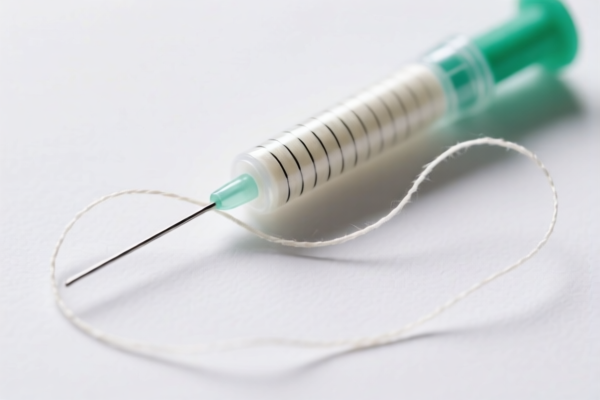
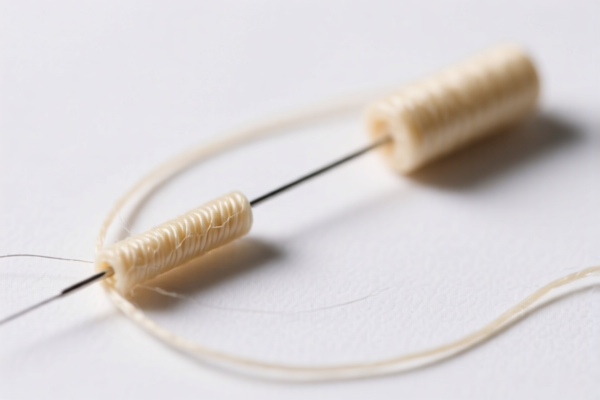
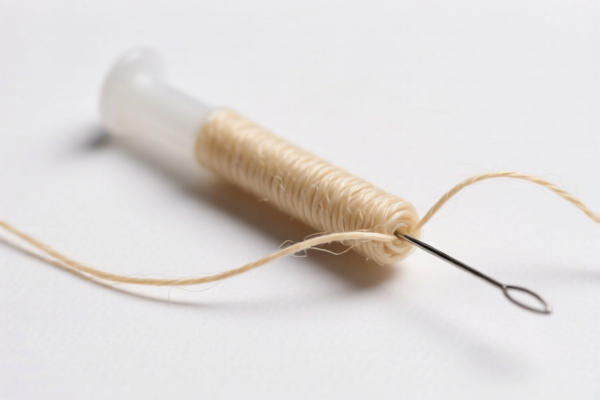
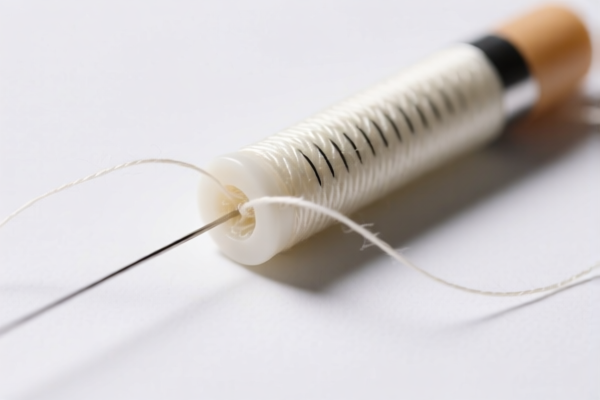
AI Analysis
🧵 Surgical Gut Suture for Research (Sterile Absorbable Suture)
🌐 HS Code Reference & Customs Clearance Guide | 2026 Latest Tariff Analysis | Professional Compliance Strategy
📌 1. Product Definition & Classification: What exactly is "Surgical Gut Suture for Research"?
Surgical gut sutures are traditional absorbable sutures made from the submucosa of sheep or cow intestines. When designated as "Sterile" and used for medical or research purposes, they fall under specific pharmaceutical and medical device categories.
⚠️ Key Distinction:
- Sterile surgical catgut/sutures: Classified under Chapter 30 (Pharmaceutical Products), specifically Note 4.
- Non-sterile or reusable sutures: May fall under Chapter 90 (Medical Instruments) or Chapter 50 (Animal Hair).
- "For Research": Does not change the HS code if the product is sterile and intended for surgical/wound closure purposes. The description must explicitly state "Sterile" to qualify for Chapter 30.
📦 2. HS Code Classification Details (2026 Latest Tariff Authority Match)
Based on your input data, the relevant HS Code for Sterile Surgical Catgut/Sutures is:
| HS Code | Product Description | Tax Rate (Base + Additional) | Total Tax | Notes |
|---|---|---|---|---|
| 3006.10.01.00 | Pharmaceutical goods specified in Note 4 to this chapter: Sterile surgical catgut, similar sterile suture materials... and sterile tissue adhesives for surgical wound closure | Base: 0.0% Additional: 0.0% |
0.0% | ✅ Correct Classification for sterile surgical sutures |
🔍 Why this HS Code?
- Chapter 30 covers "Pharmaceutical Products."
- Note 4 explicitly includes: "Sterile surgical catgut, similar sterile suture materials... and sterile tissue adhesives for surgical wound closure."
- Even if labeled "for Research," if the product is sterile and designed for surgical wound closure, it falls under this provision.
- Tax Rate: 0% (No base tariff, no additional tariff). This is a zero-duty item.
💰 3. 2026 Latest Tariff Rate Breakdown (Including Additional Duties, Policy Surcharges)
✅ Applicable Country: United States (US)
✅ Origin: China (CN) – Assumed based on typical trade context; adjust if different
✅ Effective Date: 2025–2026
🎯 1. 3006.10.01.00 – Sterile Surgical Catgut & Sutures
| Item | Content |
|---|---|
| Base Tariff | 0% (ad valorem) |
| USITC Additional Duty | 0% |
| IEEPA Additional Duty | 0% |
| Total Tariff | 0% |
| Tax Calculation | CIF Value × 0% = $0 |
| De Minimis Eligibility | ✅ Yes (If value ≤ $800, may enter duty-free under Section 321) |
| Legal Basis Path | HTSUS:3006.10.01.00 → Chapter 30 Note 4 → USITC Rule: 0% |
📌 Explanation:
- Sterile surgical sutures are considered essential medical supplies and are taxed at 0%.
- No additional duties apply, even under Section 301 or IEEPA provisions.
- Research use does not trigger higher tariffs; the key is sterility and intended use (surgical wound closure).
🛠️ 4. Customs Clearance Practical Advice (Practical Pitfall Avoidance Guide)
✅ 1. Document Checklist (Missing Any = Delay/Rejection)
| Document | Required | Notes |
|---|---|---|
| ✅ Product Specification Sheet | ✔️ | Must state: "Sterile Surgical Gut Suture," material (bovine/ovine), absorbable, intended for wound closure. |
| ✅ Sterility Certificate | ✔️ | Proof of sterilization (e.g., Ethylene Oxide, Gamma Irradiation). |
| ✅ Intended Use Declaration | ✔️ | State: "For Research/Surgical Use" – but emphasize sterile and medical purpose. |
| ✅ Commercial Invoice | ✔️ | Clearly describe as "Sterile Surgical Catgut/Suture, Chapter 30, Note 4" |
| ✅ Certificate of Origin | ✔️ | If non-China origin, may affect trade policies. |
| ✅ Packaging Label | ✔️ | Must include: Sterile, Lot No., Expiry Date, Manufacturer. |
✅ 2. Declaration Tips (Key Mantra)
🔥 “Sterile + Surgical + Absorbable = Chapter 30, 0% Duty!”
| Scenario | Correct Declaration | Wrong Declaration |
|---|---|---|
| Sterile gut suture for surgery/research | 3006.10.01.00 – "Sterile Surgical Catgut/Suture" |
9018.32.00.00 – "Surgical Instruments" → 100% Tax! |
| Non-sterile suture | 9018.39.00.40 – "Other medical instruments" |
3006.10.01.00 → Misclassification Risk |
| Suture with applicator device | Still 3006.10.01.00 if sterile suture is primary |
Split declaration → Complex & Risky |
📌 Critical Warning:
- Do NOT classify sterile sutures under 9018 (Medical Instruments) unless they are non-sterile or reusable instruments.
- 9018.32.00.00 (Tubular metal needles/suture needles) has a 100% additional tariff!
- Sterile sutures = Chapter 30 = 0%. This is a critical distinction.
✅ 3. Special Cases Handling
| Scenario | Handling Advice |
|---|---|
| OEM/Private Label | Provide manufacturer info + sterility certificate; same HS code applies. |
| Research Use Only | Still 3006.10.01.00 if sterile and for wound closure. Label clearly: "For Research Use Only – Not for Clinical Use" (but keep sterile designation). |
| Combined with Non-Sterile Instruments | Separate shipments; do not combine sterile sutures with non-sterile items in one HS declaration. |
| Expired Sutures | Not eligible for import; customs may reject. Ensure validity period is clear. |
🌍 5. Global Market Customs Comparison (2026 Latest)
| Country/Region | Recommended HS Code | Tariff | Certification | Notes |
|---|---|---|---|---|
| 🇺🇸 United States | 3006.10.01.00 |
0% | FDA Registration (if applicable) | No additional duties |
| 🇨🇳 China | 3006.10.01.00 |
0% | NMPA Filing (if clinical) | Zero duty for sterile medical supplies |
| 🇪🇺 EU | 3006.10.10 (Harmonized) |
0% | CE Marking (if Class IIa/IIb) | No VAT on medical devices |
| 🇬🇧 UK | 3006.10.00 |
0% | UKCA Marking | Post-Brexit alignment with EU |
| 🇯🇵 Japan | 3006.10.000 |
0% | PMDA Approval (if clinical) | Zero duty for sterile sutures |
📌 Conclusion:
- Globally, sterile surgical sutures are taxed at 0% due to their medical importance.
- No country imposes additional duties on sterile sutures under Chapter 30.
- Key compliance: Ensure sterility and medical use are clearly declared.
📌 6. Common Errors & Pitfalls (Lessons Learned)
❌ Error 1: Classifying sterile sutures under 9018.32.00.00 (Surgical Instruments)
👉 Consequence: 100% additional tariff → Extremely costly!
❌ Error 2: Labeling as "Non-Sterile Suture" when product is sterile
👉 Consequence: Misclassification → Delay, fines, or rejection
❌ Error 3: Not providing a Sterility Certificate
👉 Consequence: Customs may reject or reclassify → Delays
❌ Error 4: Combining sterile sutures with non-medical items in one shipment
👉 Consequence: Complex clearance, potential audit → Higher scrutiny
✅ Correct Practice:
"Sterile Surgical Catgut Suture, Absorbable, For Research/Surgical Use, Chapter 30 Note 4, HS Code 3006.10.01.00, FDA Registered Manufacturer"
🎯 7. Conclusion: Professional Declaration Saves Cost!
🎯 Remember the Mantra:
🔹 “Sterile + Surgical = Chapter 30, 0% Duty!”
🔹 “Do NOT use 9018 for sterile sutures – 100% Tax Risk!”
📌 Pro Tip:
- If importing in bulk for research institutions, ensure FDA registration (if US-bound) and sterility certificates are attached.
- Pre-clearance consultation with a customs broker is recommended for large volumes.
📣 Immediate Action:
📞 Contact a licensed customs broker + Provide sterility certificate + Declare as 3006.10.01.00
🚀 Ensure 0% duty clearance, fast release, and compliance!
✨ Professional Customs Clearance Starts with Accurate Classification!
💼 Your Cost Efficiency Depends on Precision!
Customer Reviews
About HS Code Classification
The Harmonized System (HS) is an internationally standardized nomenclature developed by the World Customs Organization (WCO) to classify traded products. Over 200 countries use the HS system as the basis for customs tariffs, trade statistics, and import/export regulations.
Each HS code follows a hierarchical structure:
- Chapter (2 digits) — Broad category of goods (e.g., Chapter 84: Machinery and Mechanical Appliances)
- Heading (4 digits) — More specific grouping within the chapter
- Subheading (6 digits) — Internationally standardized breakdown, used by all WCO member countries
- National subdivisions (8-10 digits) — Country-specific extensions for further classification, such as US HTSUS 10-digit codes
Correct HS code classification is essential for smooth customs clearance, accurate duty payment, and compliance with trade regulations. Misclassification can lead to customs delays, overpayment of duties, or penalties.
When importing from CN to US, the applicable tariff rates may include:
- Most-Favored-Nation (MFN) rate — The standard duty rate applied to WTO members
- General rate — Applied to countries without trade agreements
- Trade remedy duties — Additional tariffs such as Section 301 (anti-dumping), Section 232 (national security), or countervailing duties
The information provided on this page is for reference purposes only. For official classification, please consult with your local customs authority or a licensed customs broker.